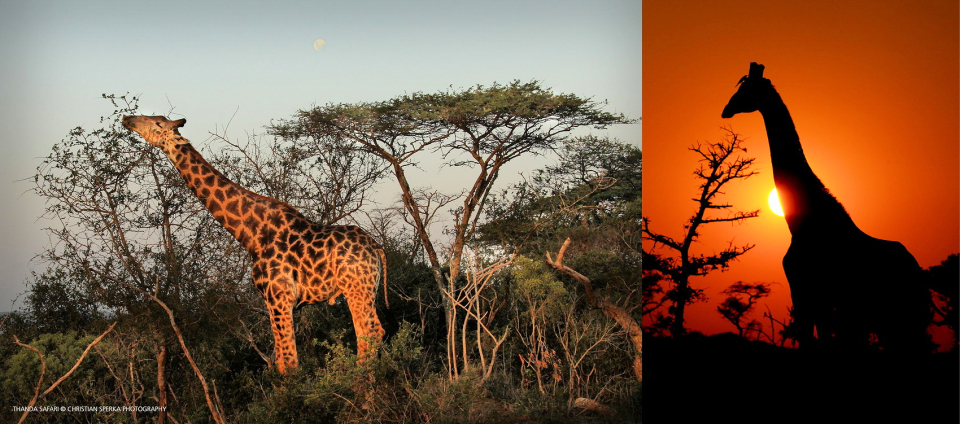
“Earth provides enough to satisfy every man’s needs, but not every man’s greed.” Mahatma Gandhi

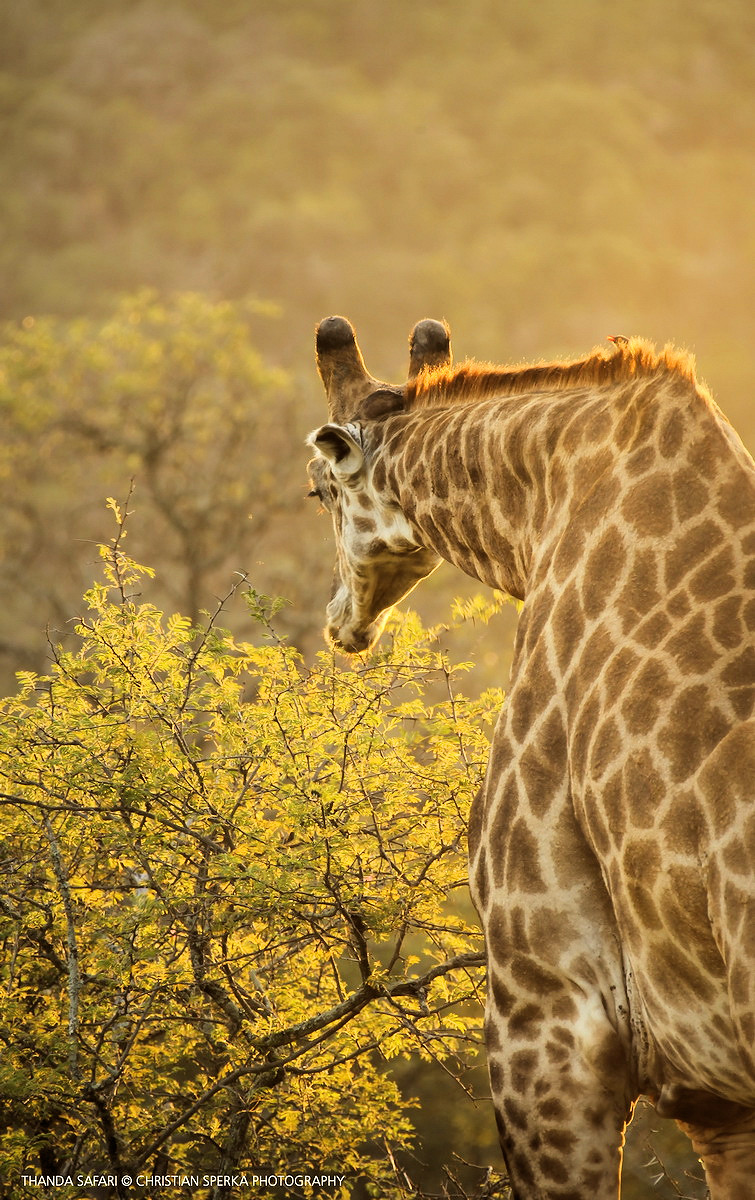
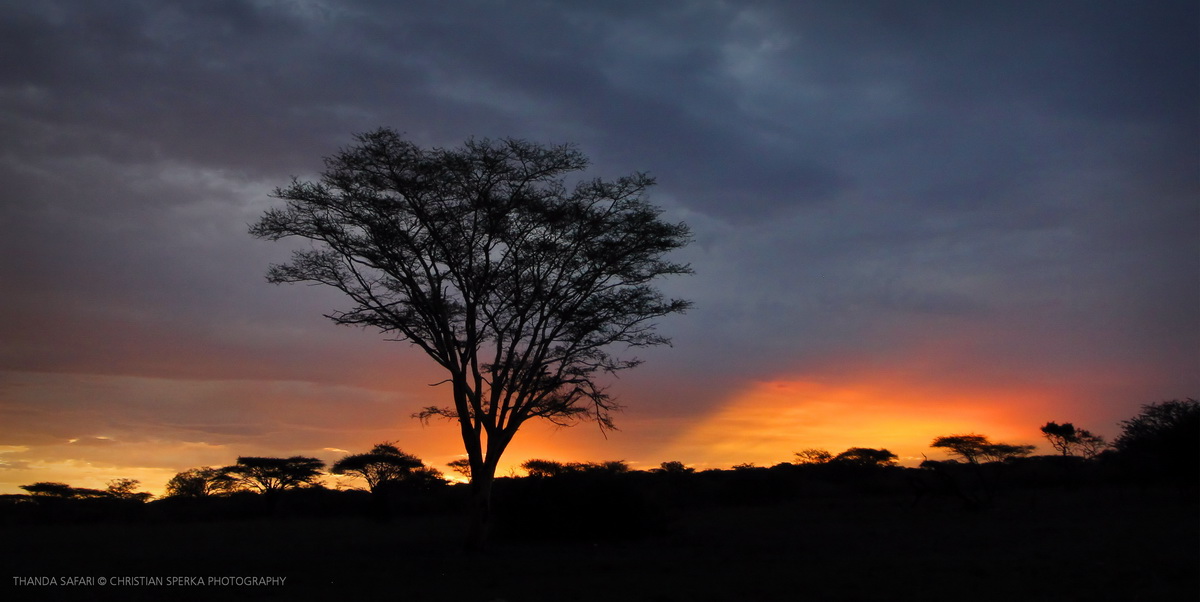
I enjoyed this morning game drive 🙂
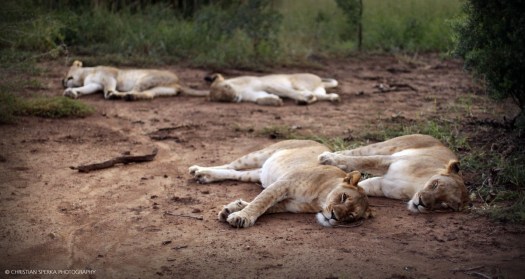
There is no comparison to a proper Lion roar. Turn your volume up and then listen to 15 very noisy seconds with Thanda Safari’s dominant male Lion. And then imagine you are sitting in an open Safari vehicle 15 meters from this magnificent cat. What an incredible feeling. That’s Thanda!
Pictures and Video by Christian Sperka – Resident Wildlife Photographer – Thanda Safari
Never miss a message from Thanda! Sign up to the Thanda Blog and receive an email with every new post – http://thandablog.com/follow-the-blog/ and/or sign up to our Newsletter – http://www.thanda.com/contact/newsletter-sign-up.htm
Thanda Safari is a member of The Leading Hotels of the World
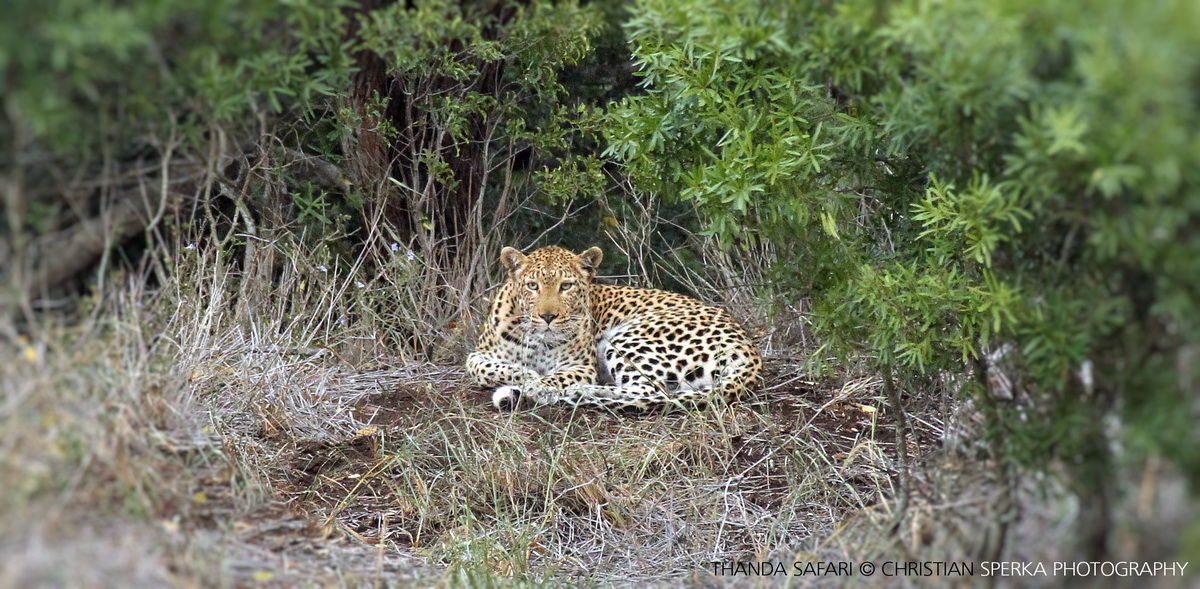
This is how it looks when two boys are sparring in front of my house. It was not a serious fight between these two Cape Buffalo bulls and it ended a few seconds after I took the shot.
To see more of my Cape Buffalo images got to http://www.sperka.biz/sg12

A shy and very beautiful bird: Purple-crested Turaco. The Zulus call it Gwala Gwala, which means coward, describing its behavior at slightest disturbance 🙂 This picture was taken at Mkuze Game Reserve, KwaZulu Natal, South Africa.
To view more of my Gwala Gwala images go to http://www.sperka.biz/sgb8

The Purple-crested Turaco (Tauraco porphyreolophus) is the National Bird of the Kingdom of Swaziland, and the crimson flight feathers of this and related Turaco species are important in the ceremonial regalia of the Swazi royal family. It has a purple colored crest above a green head, a red ring around their eyes, and a black bill. The neck and chest are green and brown. The rest of the body is purple, with red flight feathers. Purple-crested Turacos live in woodland and evergreen forests. They eat mainly fruit.
One of the most striking color combinations in the bush: Lilac-breasted Roller. This picture was taken at Kings Camp, Timbavati Game Reserve, South Africa.
To view more of my Lilac-breasted Roller images go to http://www.sperka.biz/sgb5

The Lilac-breasted Roller (Coracias caudatus) is widely distributed in sub-Saharan Africa, preferring open woodland and savanna. Usually found alone or in pairs, it perches conspicuously at the tops of trees, poles or other high vantage points from where it can spot insects, lizards, scorpions, snails, small birds and rodents moving about at ground level. Nesting takes place in a natural hole in a tree where a clutch of 2–4 eggs is laid, and incubated by both parents, who are extremely aggressive in defence of their nest, taking on raptors and other birds. During the breeding season the male will rise to great heights, descending in swoops and dives, while uttering harsh, discordant cries.
A night-time portrait of a young Thanda Safari Lioness ..

What males will do to attract females 🙂 – The African Paradise Flycatcher males have a very long tail streamer to impress the ladies. This pictures were taken at Mkuze Game Reserve and Thanda Safari – Private Game Reserve, Kwazulu Natal, South Africa.
To view more of my African bird images go to http://www.sperka.biz/sgb


The African Paradise Flycatcher (Terpsiphone viridis) is a common resident breeder in Africa south of the Sahara Desert. The male is boldly colored in chestnut and black and the female is rather more drab. This bird feeds mainly on insects and is usually found in open forests and savannah habitats. The adult male African Paradise Flycatcher is about 17 cm long, but the very long tail streamers double this.
One of my favorite birds of prey: The Secretary Bird. This picture was taken at Etosha National Park in Namibia.
To view more of my Secretary Bird images go to http://www.sperka.biz/sgb6

The Secretary Bird (Sagittarius serpentarius) is a very large bird of prey. Endemic to Africa, it is usually found in the open grasslands and savannah of the sub-Saharan region.
Unlike most birds of prey, the Secretary Bird is largely terrestrial, hunting its prey on foot. Adults hunt in pairs and sometimes as loose familial flocks, stalking through the habitat with long strides. Prey may consist of insects, small mammals, lizards, snakes, young birds, bird eggs, and sometimes also dead animals. The importance of snakes in the diet may have been exaggerated in the past, although they can be locally important and venomous species such as adders and cobras are regularly among the types of snake preyed upon.
It appears on the coats of arms of Sudan and South Africa.

One of the little mammals – a Dwarf Mongoose! I took this picture in 2011 at Kruger National Park.
To view more of my Dwarf Mongoose images go to http://www.sperka.biz/sg11

The Dwarf Mongoose (Helogale parvula) is a small African carnivore belonging to the mongoose family (Herpestidae). It has a large pointed head, small ears, a long tail, short limbs, and long claws. It is much smaller than most other Mongoose species (18 to 28 cm, 210 to 350 grams) and it is Africa’s smallest carnivore. The soft fur is very variable in color, ranging from yellowish red to very dark brown.
As I am working on the re-organization of my image library I thought to start a series of blogs, which many of you might enjoy. I will present a ‘Bird of the Day’ as often as possible – might not be every day, but we will see how it goes 🙂
This very dark specimen and its mate have a nest near Thanda house. I took this shot trough my office window as the bird sat only a short distance away in the newly cut grass.
To view more of my Wahlberg’s Eagle images go to http://www.sperka.biz/sgb2
Wahlberg’s Eagles (Hieraaetus wahlbergi – named after the Swedish naturalist Johan August Wahlberg) are medium-sized raptors. They are about 53–61 cm (21–24″) in length with a wingspan of 130–146 cm (51–58″) and occur in many color variants from pale and light brown to almost black. They are bird of woodland, often found near water. Wahlberg’s Eagles hunt reptiles, small mammals, and birds.