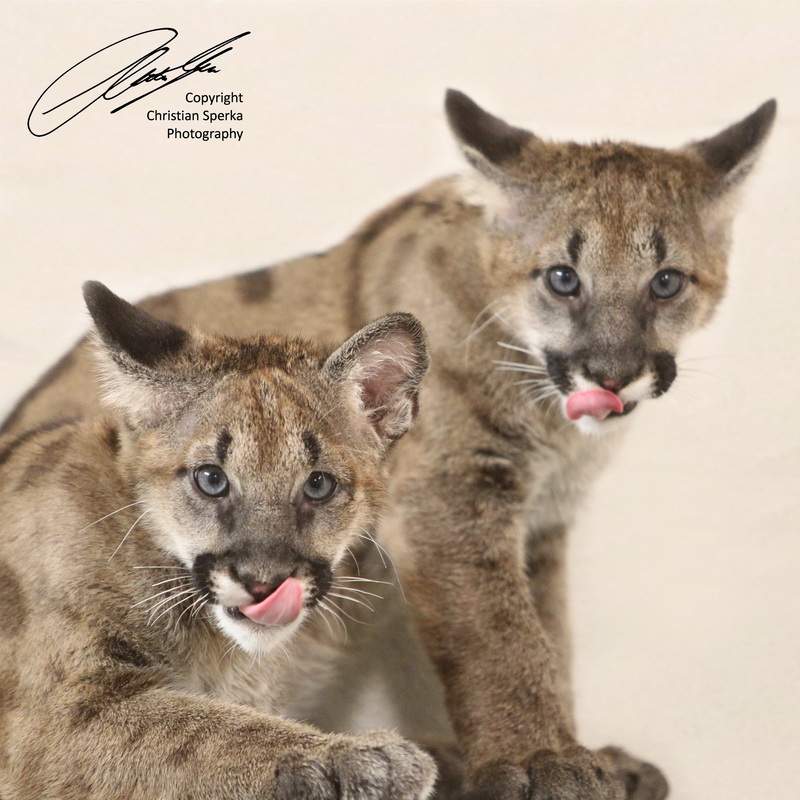
Just for a bit of a laugh 🙂
I took these funny Giraffe pictures during a backstage session at Nashville Zoo at Grassmere.
I thought might enjoy these images of Layla and Congo.
Just for a bit of a laugh 🙂
I took these funny Giraffe pictures during a backstage session at Nashville Zoo at Grassmere.
I thought might enjoy these images of Layla and Congo.
Dino Trek, an impressive forest exhibit of Dinosaurs, opening on Friday, March 16, 2012 at the Nashville Zoo at Grassmere.
The sounds and moves of these huge animals are most impressive. This is a short video I produced from the Dinosaurs arriving in Nashville. Enjoy the show!
If you live in the Nashville area don’t miss this special exhibit (Open from March 16 to July 31, 2012). For more information go to http://www.nashvillezoo.org/dinotrek.
For the photographers and videographers among you: This video was filmed with a Digital SLR (Canon D1 Mark IV and a f/2.8 24-70mm L lens) and edited on Corel VideoStudio X4 (video and sound).
[View all Pictures of the Week 2012]
Between 2002 and 2008 I have taken hundreds of pictures of this beautiful male Lion. He was the dominant male of the Phinda North Pride for many years and whenever I think about Lions I first think about him.
Together with my friend and field guide Mike Karantonis I spent many days and sometimes part of the nights watching him grow older and stronger. In 2009 a coaltion of three younger males replaced him as the dominant male of the pride.
I took this picture in December 2006 in the streaming rain (see also the second picture taken at the same time) in front of my room at Phinda’s Vlei Lodge.
About male Lions:
Male lions are not lazy. They have a very tough life. Only one out of ten males makes it to full maturity. Once their father has evicted them, they have to fight other male Lions for a few years. The very few that get not killed in this harsh selection process may become the dominant male of a pride after they successfully drive away or kill the previous “boss”.
Male Lions do usually not participate in hunts because they are very visible with their large mane and would make it much easier for the prey to “get wind” of the hunt. They also have to preserve their strength and avoid to get insured in a hunt, because they have to defend their pride towards other males and prides. It is in the interest of the whole pride that they are capable of doing so, because if another male manages to take over, the first thing he will do is to kill all the young lions of the pride (up to two years old). For the same reason it makes sense that male Lions eat first and plenty at each kill to make sure that they stay strong for any upcoming fights.
Picture Data:
Picture 1: Camera: Canon 1D MII / Lens: Canon L 2.8 300mm / Mode: AV / Shutter Speed: 1/400s / Aperture: f/2.8 / ISO: 800 / Exposure Correction -0.33eV / Metering: Central weighted / White balance: manual K6500 / Time: early morning / Freehand
Picture 2: Camera: Canon 1D MII / Lens: Canon L 28-300mm at 78mm / Mode: AV / Shutter Speed: 1/100s / Aperture: f/4.5 / ISO: 400 / Exposure Correction -0.33eV / Metering: Central weighted / White balance: manual K6500 / Time: early morning / Freehand
For more Lion pictures got to
www.sperka.biz/lion (for African Lion)
www.sperka.biz/lion2 (for African Lion in zoos)
www.sperka.biz/lion3 (for Asiatic Lion)
This is a scenic shot I took during my second trip to South Africa in 2002.
This is the evening sky over Mpumalanga (at Londolozi Private Game Reserve) with Venus in the sky.
Enjoy the picture!
Picture Data: Camera: Canon D30 (3.2 Megapixels!) / Lens: Canon 24-105mm / Mode: AV / Shutter Speed: 1/3s / Aperture: f/3.5 / ISO: 100 / Exposure Correction -1.00eV / Metering: Central weighted / White balance: Auto / Center point focus only / Time: evening / cropped to approx 90% / on beanbag from vehicle
This third video and last in the Nashville Zoo Elephants video series includes video clips about enrichment for the Elephants and the work the keepers do with them. It ends with a slide show of my best Nashville Zoo Elephant pictures.
There are three videos in this series:
– Video 1 – Introduction
– Video 2 – Care, Sounds and Details
– Video 3 – Tasks, Talks and Beauty
Enjoy the video!
This second video in the Nashville Zoo Elephants video series includes many pictures and video clips about Elephant care, a few interesting sounds and fascinating pictures of some details of Elephants (as the one of the molar above) .
There are three videos in this series:
– Video 1 – Introduction
– Video 2 – Care, Sounds and Details
– Video 3 – Tasks, Talks and Beauty
Enjoy the video!
In the last few weeks I have spent a lot of the time with the Nashville Zoo Elephants and their keepers.
This first of three videos about these amazing creatures is an introduction to the Nashville Zoo Elephants and the Elephant facilities at the zoo.
There are three videos in this series:
– Video 1 – Introduction
– Video 2 – Care, Sounds and Details
– Video 3 – Tasks, Talks and Beauty
Enjoy the video!
[View all Pictures of the Week 2012]
Taking pictures of little cubs is always fun. A lot of my cub photo session I spend laying flat on the ground trying to get them on eye-level. This small Eurasian Lynx picture was taken at Nashville Zoo at Grassmere. Blitz (that is his name) was born on the May weekend of the 2010 big floods in Nashville. He is now one of the stars in the educational shows at the zoo.
More about Lynx:
The Eurasian Lynx (Lynx lynx) is a medium-sized cat native to European and Siberian forests, South Asia and East Asia. While its conservation status has been classified as “Least Concern”, populations of Eurasian lynx have been reduced or extirpated from western Europe, where it is now being reintroduced.
The Eurasian lynx is the largest lynx species, ranging in length from 80 to 130 cm (31 to 51 in) and standing about 70 cm (28 in) at the shoulder. It possesses a short “bobbed” tail with an all-black tip, black tufts of hair on its ears, and a long grey-and-white ruff
There are three more species in the genus Lynx:
– Canadian Lynx (Lynx canadensis)
– Iberian Lynx (Lynx pardinus) – critically endangered
– Bobcat (Lynx rufus)
Picture Data: Camera: Canon 1D Mark IV / Lens: Canon L IS 2.8 70-200mm at 70mm / Mode: AV / Shutter Speed: 1/3200s / Aperture: f/2.8 / ISO: 1600 / Exposure Correction +0.33eV / Metering: Central weighted / White balance: K6500 / Center point focus only / Time: noon / cropped to approx 40% / Freehand
For more Lynx pictures go to www.sperka.biz/lynx
This is one of my favorite “scenic” shot.
This African Elephant was wading along the water towards a large lala palm at Imagine dam at Phinda Private Game Reserve, South Africa.
Picture Data: Camera: Canon EOS D30 / Lens: Canon L IS 100-400mm at 150mm/ Mode: AV / Shutter Speed: 1/750s / Aperture: f/5.6 / ISO: 200 / Exposure Correction -0.5eV / Metering: Central weighted / White balance: Auto / Center point focus only / Time: mid afternoon / cropped to approx 80% / Freehand from vehicle
I case you are in Nashville today it would great if you could come to my gallery tonight to learn more about Elephants 🙂
Click here for more information: https://christiansperka.wordpress.com/2012/02/29/video-invitation-intelligent-giants-the-nashville-zoo-elephants/
This is a video invitation to this week’s gallery crawl. For more text information go to https://christiansperka.wordpress.com/2012/02/27/invitation-to-the-march-gallery-crawl-picture-of-the-week-9-bubble-bath/