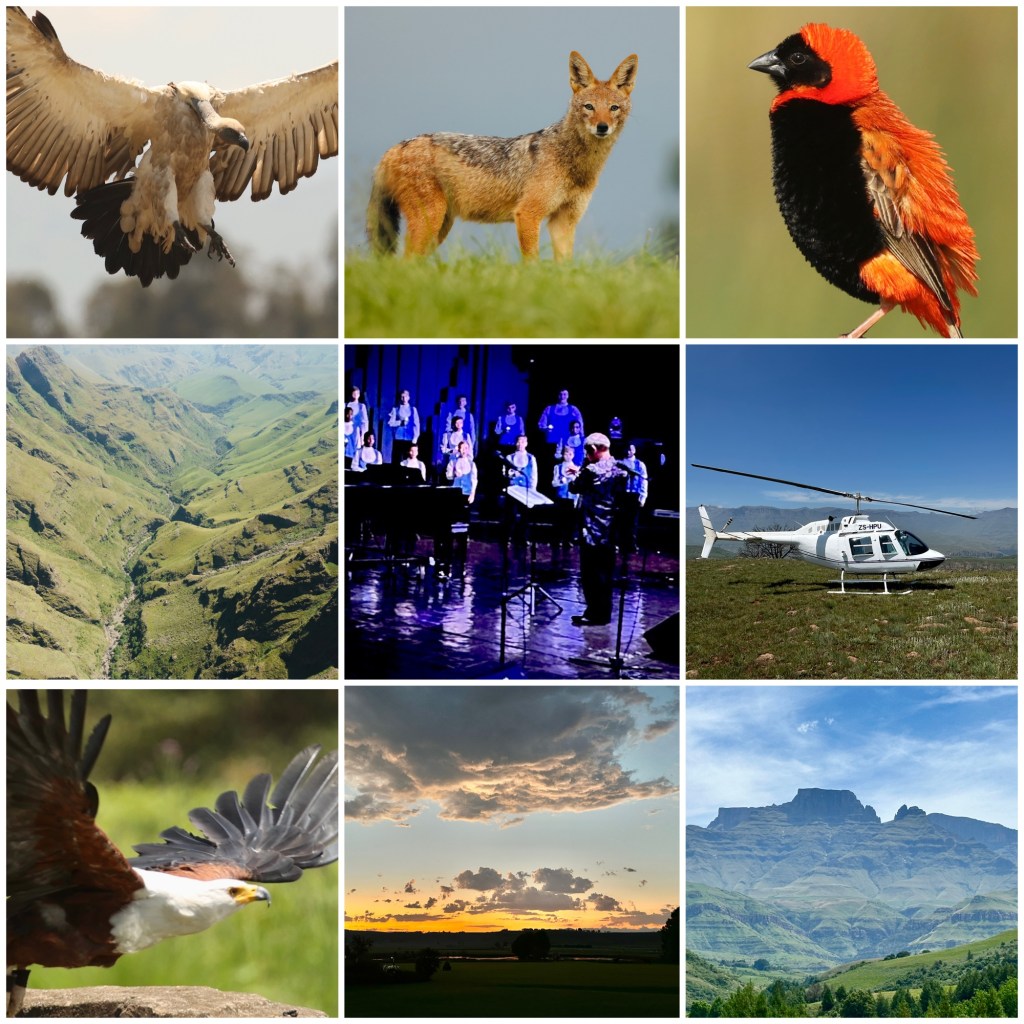
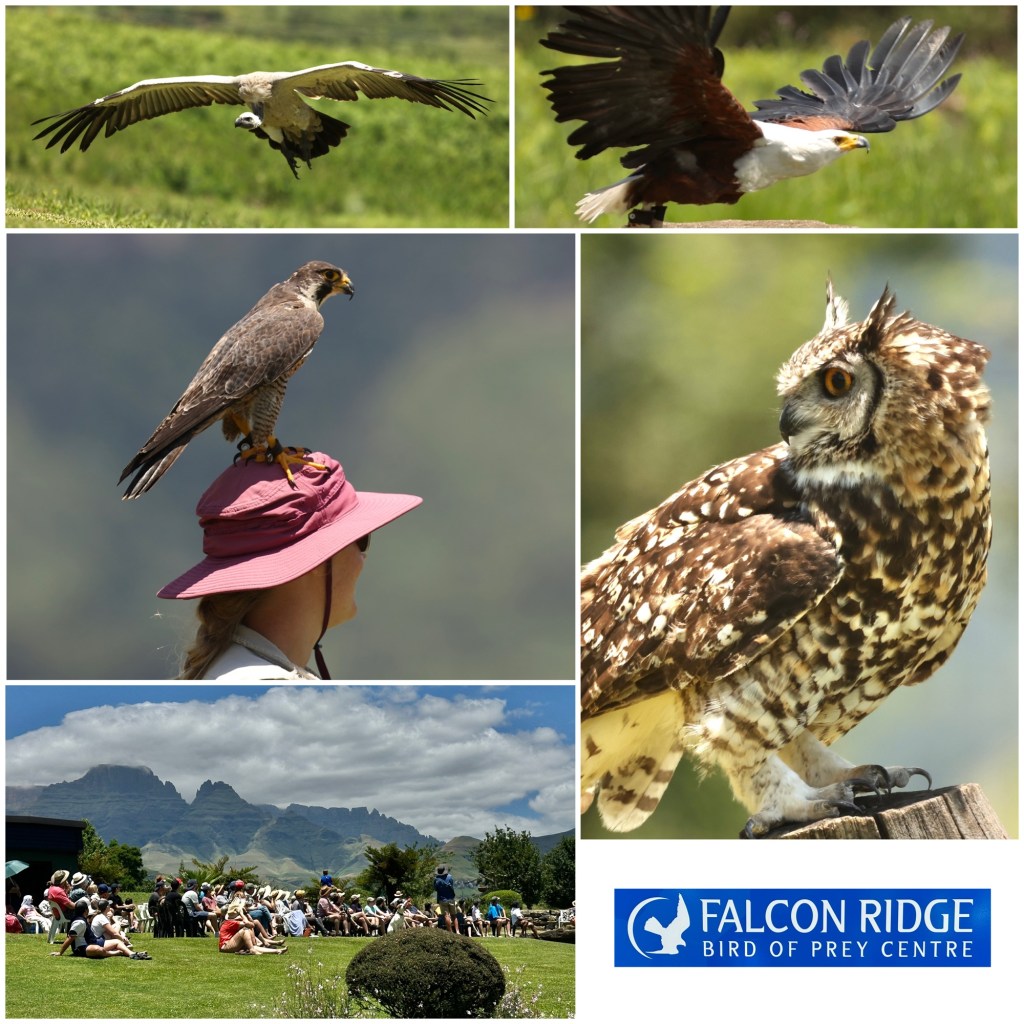
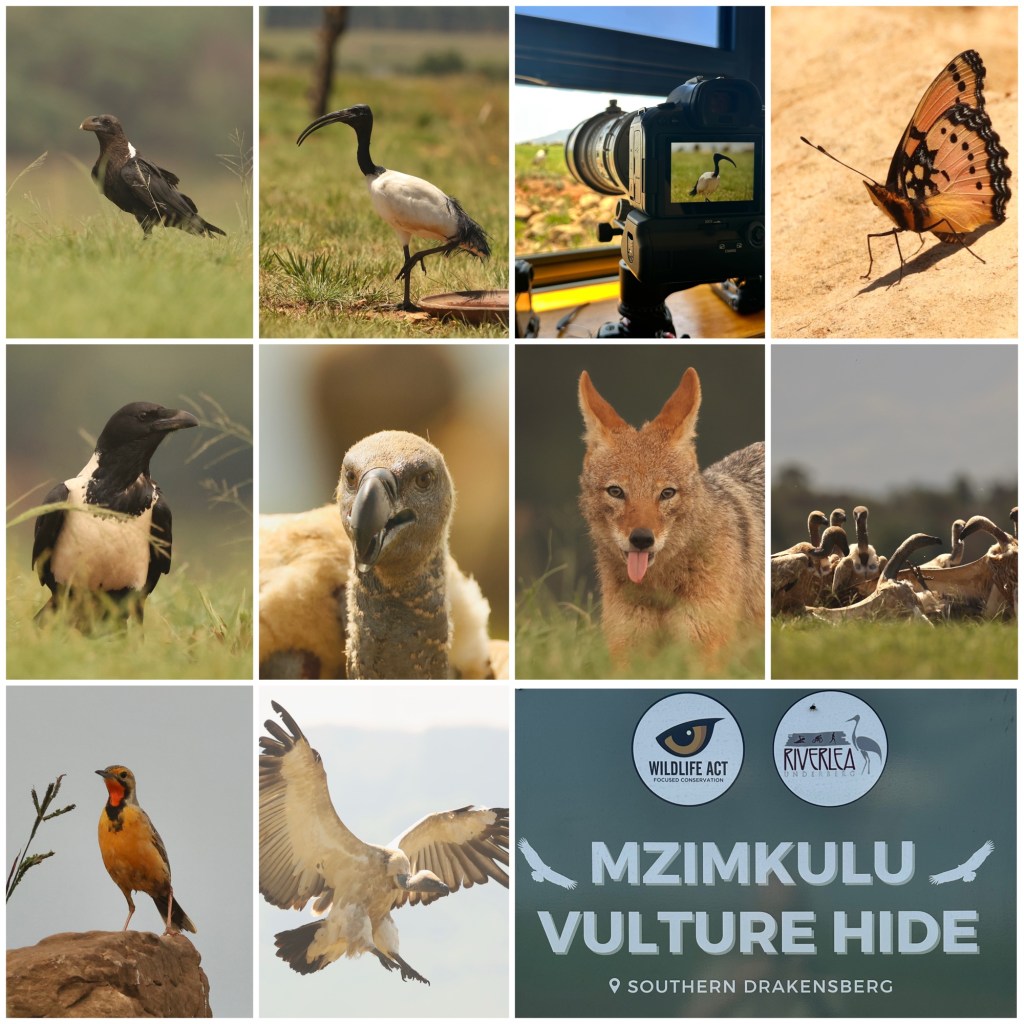
A visit to the Mzimkulu Vulture Hide in the Southern Drakensberg (near Underberg, KwaZulu Natal, South Africa) is a very rewarding outing for any bider, and especially for bird photographers.
This is a short video slide show with some of the images I took during my recent visit.
After a few days in the Drakensberg I am now back at work and I am back online!
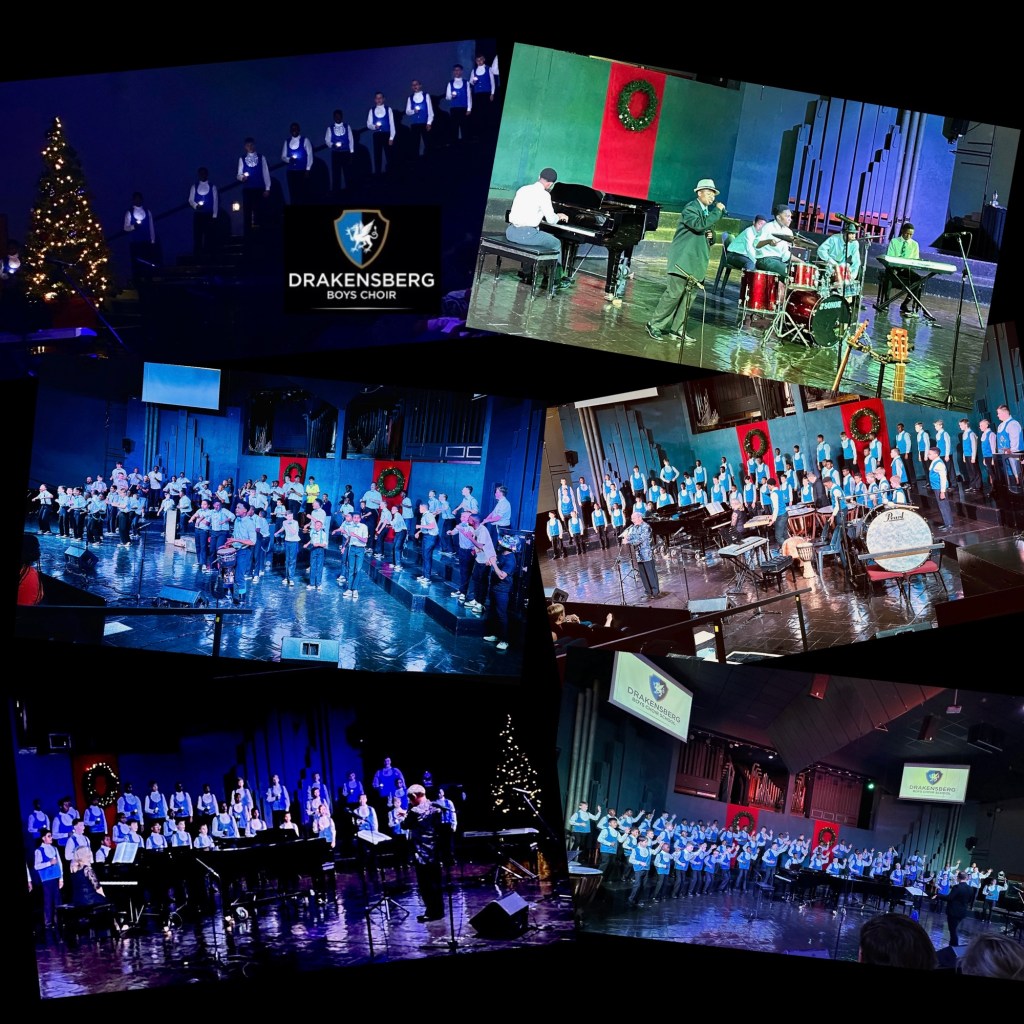
The main reason for my trip to The Berg was to attend a series of concerts of the world famous Drakensberg Boys Choir. I enjoyed all the programmes very much (classical, ‘christmassy’, South African traditional, and contemporary) and will certainly be back for next year’s ‘Christmas in the Berg’ festival (5-7 December 2025).
And I took the opportunity to check out a few new activities and accommodation options to add to the portfolio which I offer to my Custom Luxury Tour guests.
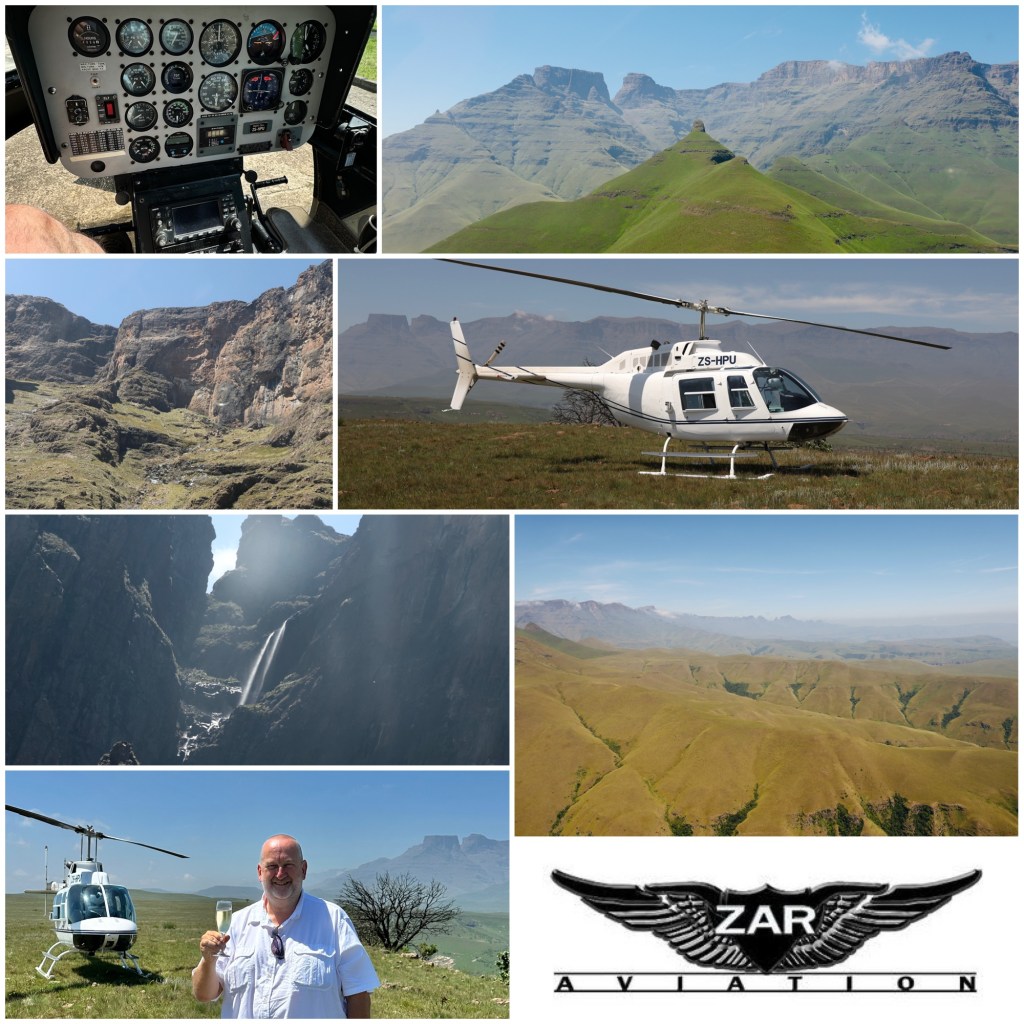
A Drakensberg Helicopter Tour into the mountains was one of the best heli-excursions I ever did in my life. The various length flights leave from a small airstrip just next to the Drakensberg Boys Choir School. A great way to see the mountains close up, especially if one is not a hiker!
I also went for a short walk (not a hike 😊) into the nearby Monks Cowl nature reserve (part of the Maloti-Drakensberg World Heritage Site). From the Monks Cowl ‘base camp’ many hiking trails lead into the mountains (even for multi day hiking excursions).
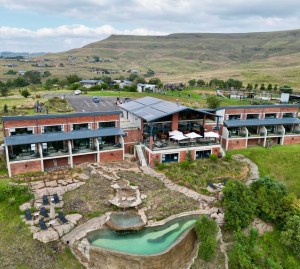
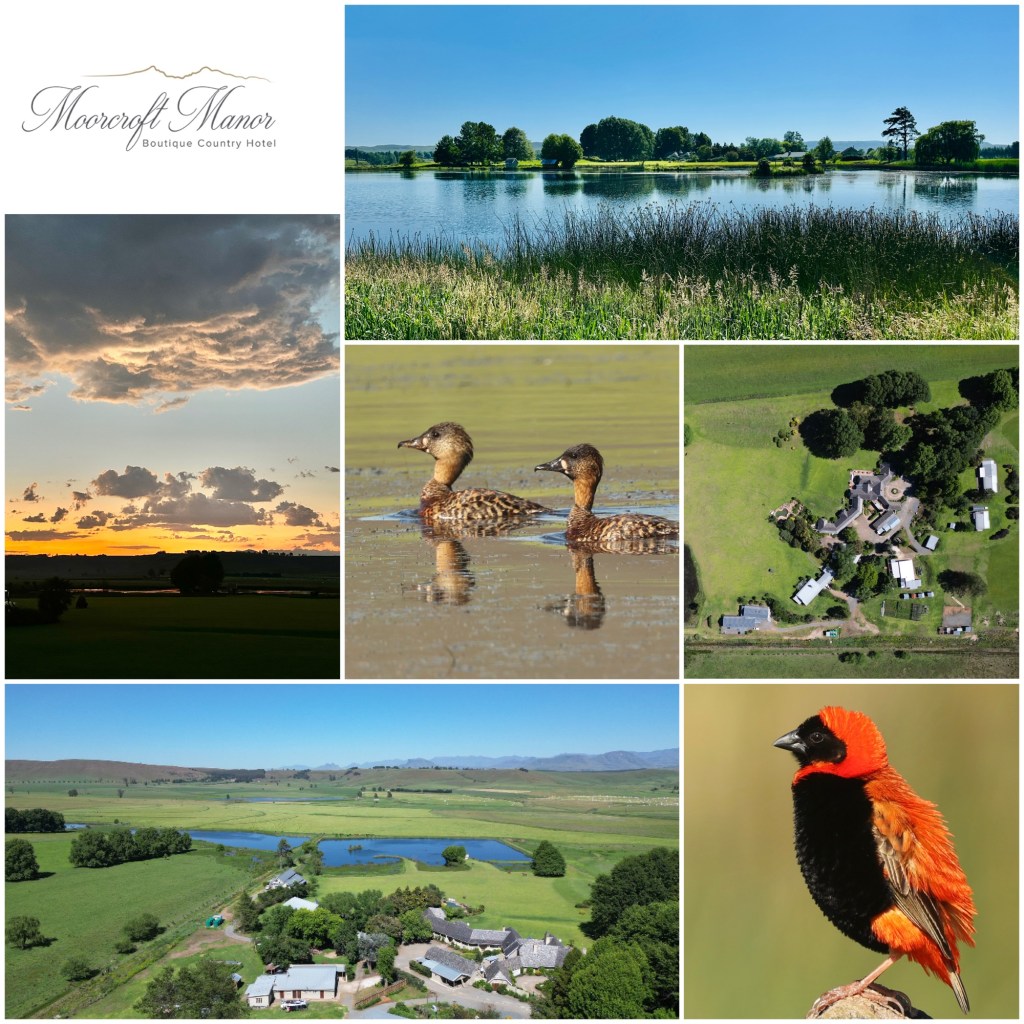
After two nights in the Central Drakensberg (Champagne Valley) I relocated to the Southern Drakensberg (Underberg area). I stayed at Moorcroft Manor Boutique Country Hotel in Himeville. This small, quiet and very beautiful place (with 12 rooms) will be my future base for trips with guests to the Southern Drakensberg (including Sani Pass tours into Lesotho).
The Mzimkulu Vulture Hide is only 10 minutes away from the Underberg. I spent 9 hours taking pictures not only of a large group of Cape Vultures but of many other bird species. I highly recommend this activity to any keen bird photographer.
I am going to take a week off from the internet, social media, and phones! I will spend the next seven days in the Drakens Mountains, enjoying multiple concerts of the world-famous Drakensberg Boys Choir, taking a scenic helicopter flight to the Little Berg (if the weather permits), and spending a day at a vulture hide near Underberg to try to get some pictures of these incredible birds.
As of today the Jumeirah Group, a globally renowned luxury hospitality brand, has taken over the management of Thanda Safari and Thanda Island (as announced today by the Thanda Group CEO in an open letter to our guests).
I will continue to live at Thanda House and I will continue to offer my photographic services to guests at both Jumeirah Thanda Safari and The Royal Thanda Club.
Until mid 2025 the Thanda Safari Lodge and the Thanda Tented Camp will still be managed by the Thanda Group. All existing and future bookings will be honored.
The Thanda Group will retain ownership of the business and continue to oversee the reserve and wildlife management, as well as all the philanthropic programmes. I will remain part of the Thanda organization.
Exciting changes ahead 😊
Have a look at Jumeirah Thanda Safari on the Jumeirah group website (with one of my Lion pictures as the lead image).
They start in life by being looked after very well by their mothers and other female family members until they reach two to three years of age.
Once their father has driven them away (to avoid adult male competition), they now have to fend for themselves. They have to hunt for themselves and avoid encounters with any dominant or territorial males.
Only one out of ten ever gets to take over a territory (and its prides) once they are grown adults. All others perish in the process.
Sometimes brothers from the same litter stay together through this process and form what is called a ‘male coalition’.
Or they meet one or more unrelated young males during their growing-up period and form such a coalition.
They will then move around together, hunt together, and protect one another from dangers. They will also fight other males on the way to the top together.
If they are strong enough and lucky enough, they will replace another male (or another coalition) as dominant males in a territory.
And this is when the trouble starts…
Once they encounter a female in estrus, they will usually fight one another for the right to mate (to propagate their own genes).
If one of them is significantly stronger than the other(s), then the fight is over quickly, and the submissive male(s) back off to let the dominant coalition partner mate with the female.
Once the mating period is over (usually after a few days), the males team up again as if nothing had happened.
But if two of the males are matched in strength and determination, then the situation can get quite serious, and the fights for the ladies can result in serious injuries and even death of one of the contestants.
This picture shows a male just after he had an argument with his brother over a female.
The next day, the lioness was gone, and they were once again together, even licking one another’s wounds.
Technical data: Canon R6 with RF lens f4-6.3/24-240mm | ISO 160 | 1/500 sec | f6.3 | EV +0 | 240mm | WB 6500K | AV Mode
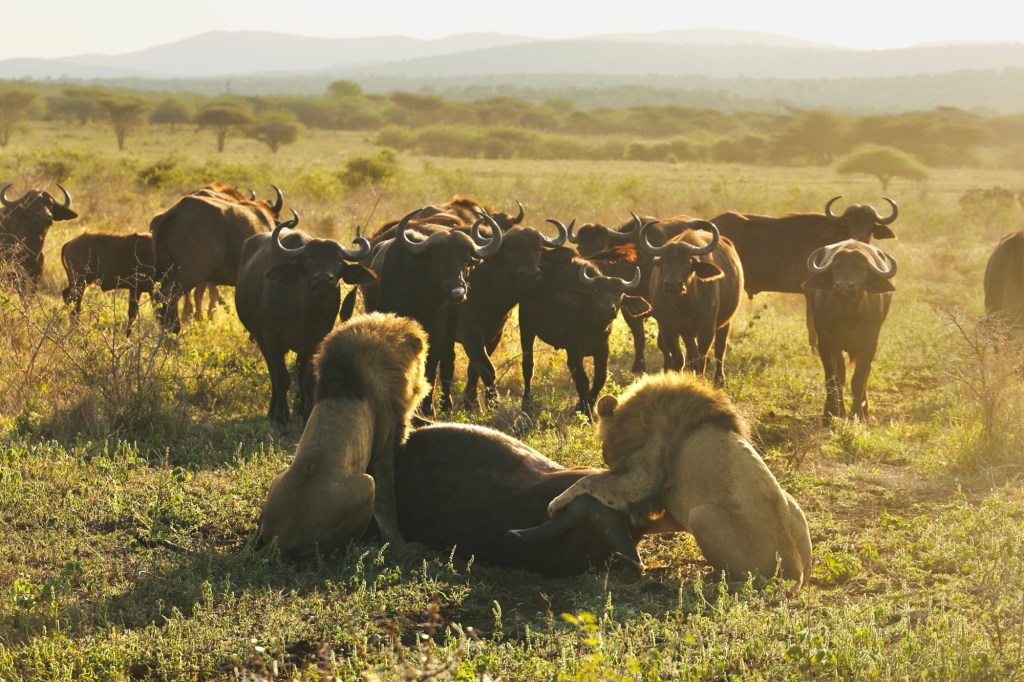
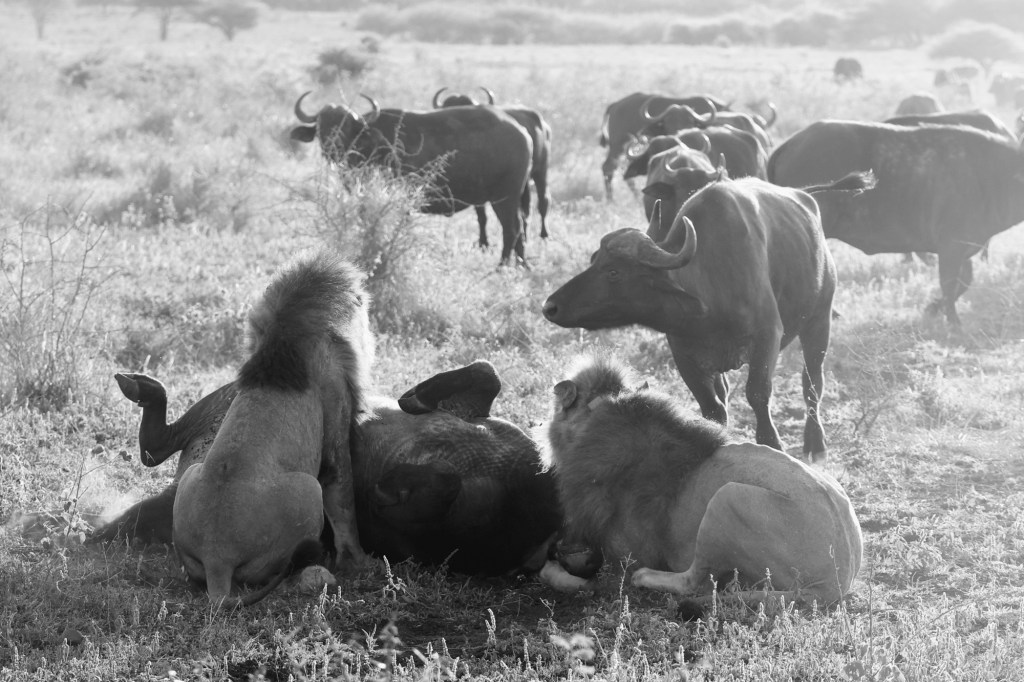
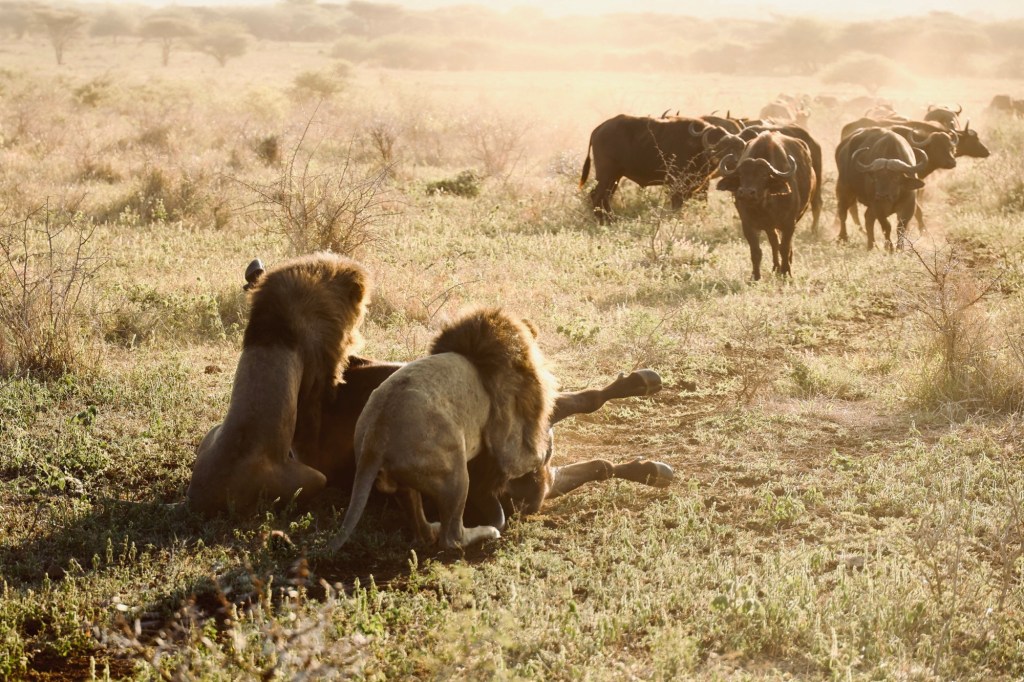
We had set up a special drink stop for a shoot in the middle of the savanna when a herd of Cape Buffalo was stampeding across the open area a few hundred meters away.
They were chased by two male lions who took down a buffalo cow.
We quickly got everyone in vehicles and drove to the kill location. As we arrived, the buffalo herd was still very close to the large cats with their kill.
After a few growls, the herd moved off, and the lions dug into their large meal.
We watched them for a while before returning to the drink stop setup and continuing our photo shoot in the beautiful evening light.
…everyone else might get a bit bored with this post…
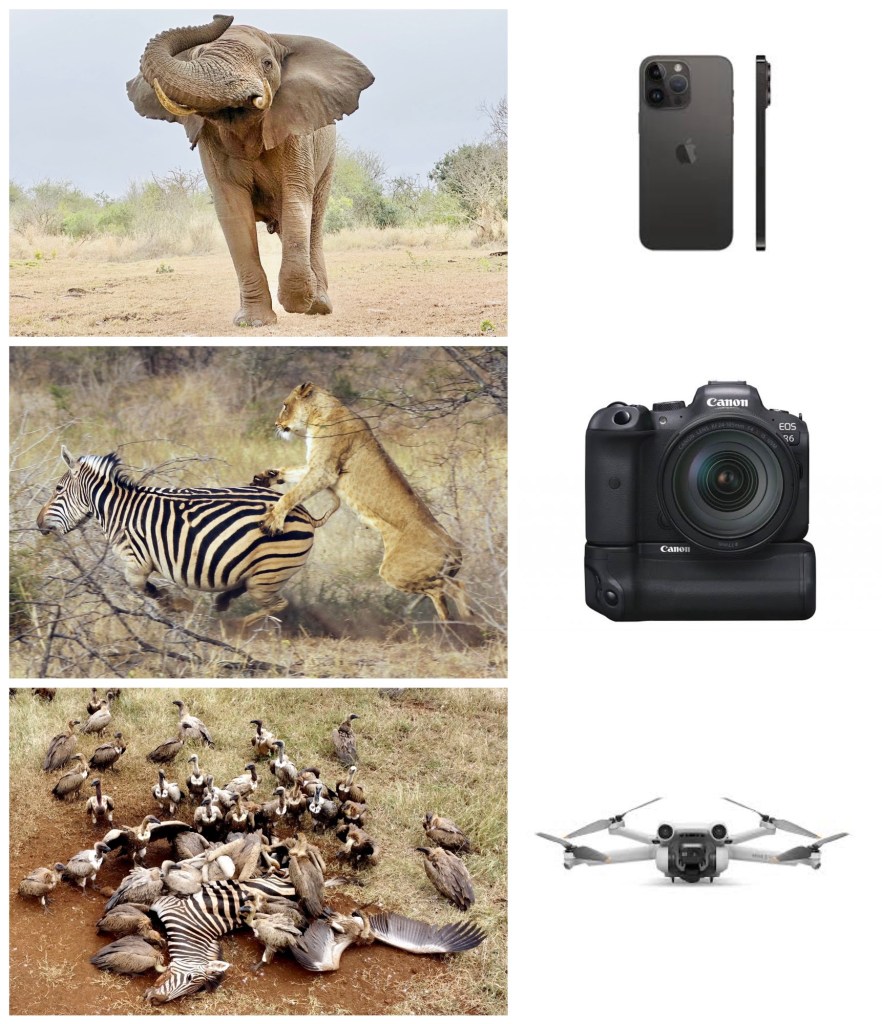
Recently, a few people asked me what equipment I use to create wildlife photographs, so I thought I would publish a list.
All my camera equipment is from Canon. About 20% of my published pictures and about 50% of my published clips are taken nowadays with one of my Apple iPhones. And most of my editing is now done on my iPhones as well. My drones are from DJI, and my tripods are from Manfrotto.
Here we go… let me know if you have any questions!
EQUIPMENT LIST
Cameras
– 3 x Canon EOS R6 (mirrorless)
– 1 x Canon EOS R6 Mark II (mirrorless)
– 1 x Canon EOS 6D Mark II (DSLR)
– 2 x Canon BG-R10 Battery Grips (soon to be 4, one for each of the R6s)
Lenses
8 EF lenses (all equipped with a Canon EF-EOS RF adapter) and 4 RF lenses.
– Samyang MF 14mm f/2.8 RF
– Canon EF 17-40 f/4L USM
– Canon EF 24-70 f/4L USM
– Canon RF 24-240 f/4-6.3 IS ISM
– Canon EF 50 f/1.4 USM
– Canon EF 70-200 f/2.8L IS USM
– Canon EF 70-300 f/4.5-5.6 DO IS USM
– Canon EF 180 f/3.5 MACRO USM
– Canon EF 300 f/2.8L IS USM
– Canon EF 500 f/4L IS USM
– Canon RF 600 f/11 IS STM
– Canon RF 800 f/11 IS STM
Lens usage:
Photographic game drives with guests (24-240, 800)
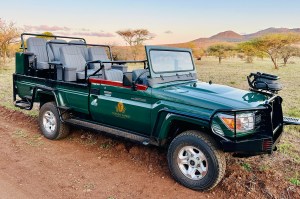
Photographic game drives by myself (on my Green Mamba game viewer) (70-200, 300, 500, 800)
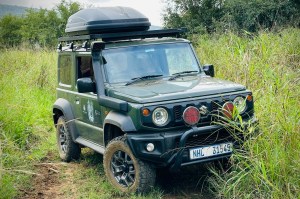
Photographic game drives by myself (in my Suzuki Jimny) (24-70, 600, 800)
Travel lens (when I have to travel by plane with only one and only one lens) (24-70)
Smart Devices
– Apple iPhone 14 Pro Max, 1TB
– Apple iPhone 12 Pro Max 512GB (*)
– Apple iPad Pro 12.9″,256GB
(*) Will be replaced early 2025 by an Apple iPhone 16 Pro Max, 1TB
Drones
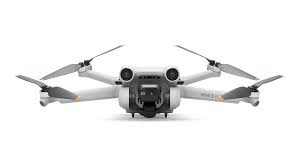
– DJI Mavic Mini 3 Pro
– DJI Phantom 4 Pro (now for sale, planned to be replaced by a DJI Mavic 3 Pro in 2025)
Tripods
– 3 x Manfrotto Tripods with Ball Heads
Vehicles
– Toyota Land Cruiser 79 4.0 V6 Game Viewer (Green Mamba II), used for photographic game drives on Thanda Safari with up to five guests
– Suzuki Jimny 1.5 GLX AT (Little Mamba), used for photographic game drives at Thanda Safari and trips in South Africa by myself
– Toyota Fortuner 2.4 GD-6 RB or 4×4 AT, provided by Thanda Safari or rented from AVIS Rental Cars for excursions Custom Luxury Tours with up to three guests
– Mercedes Benz Vito, rented AVIS Rental Cars for excursions and Custom Luxury Tours with up to five guests.
It does not happen often that we see a Leopard kill in a tree at Thanda Safari. So it was a very pleasant surprise to be able to get a glimpse (and a picture) of this beautiful cat feeding on an Impala carcass. A Hyena was on standby at the bottom of the tree for some drop-offs.
Using the light from the spotlights of my tracker Bheki I was able to capture this image in very low light. This was the only useable picture documenting the encounter.
Technical data: Canon R6 with RF lens f11/800mm | ISO 51200 | 1/60sec | ev+0 | WB AWB | AV Mode












 Christian Sperka Photography | Custom Luxury Tours