Wetland Specialists!

Yesterday morning I went on a short excursion to the iSimangaliso Wetland Park (www.isimangaliso.com), one of my favourite places in KwaZulu Natal. I mainly went to do a bit of bird photography but I also captured two true wetland specialists in one shot.

Great Egrets are waders who hunt for their prey in shallow waters. They are the largest white Egret, about the same size as a Grey Heron.

Waterbucks are an antelope species very well adapted to wet, marshy areas. An oily substance prevents them from getting hoof rot, even when standing for a long time on wet ground.

Technical data: Canon R6 with RF lens f11/800mm | ISO 100 | 1/500sec | ev-0.5 | WB 6500K | AV Mode | Crop to 80% of original image

#amazingwildlife #africansafari #safarigetaway #christiansperkaphotography #thandasafari #big5 #gamereserve #wildlifephotography #learnphotography
Emotions!

Human tears are often associated with emotions. These can be tears of joy or sorrow.

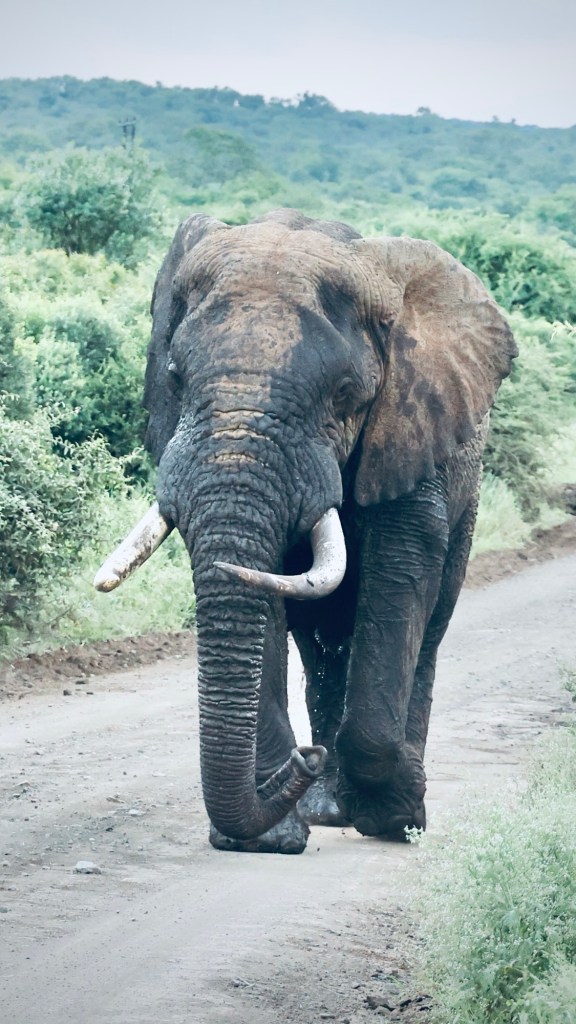
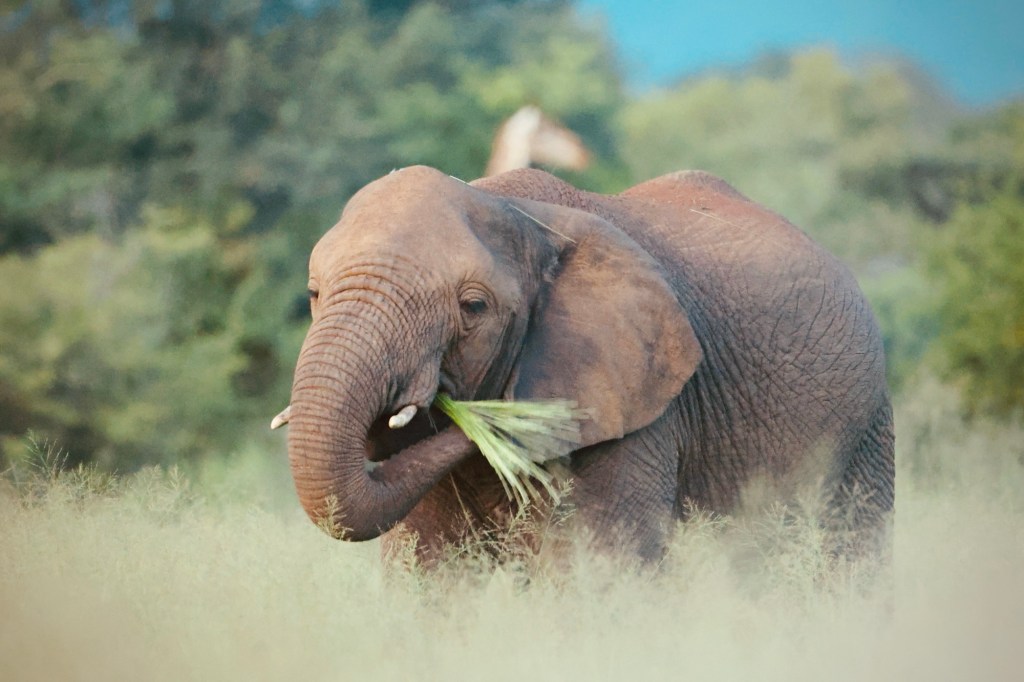
African Elephants have temporal glands between their eyes and their ears (males and females). When they secret a dark, oily, musky liquid it is usually a sign for them being in a special emotional state. This can be sexual (especially with Elephant bulls in musth), but it can have many other reasons, like being a sign of distress when running into Lions, or being a sign of excitement when meeting up with another Elephant group.

Half an hour ago I took this picture of a young bull who started secreting from the gland after a sparring session with another bull. But his dry back legs would indicated that he is not in musth. Musth bulls have to get rid of their excess testosterone by constantly dribbling urine and have therefore wet legs.

Technical data: Canon R6 with RF lens f11/800mm | ISO 64000 | 1/500sec | f11 | ev+0 | 800mm | WB 6500K | AV Mode | Crop to 90% of original image

#amazingwildlife #africansafari #safarigetaway #christiansperkaphotography #thandasafari #big5 #gamereserve #wildlifephotography #learnphotography
Close up and personal!

I often get asked why African Lion, Leopard, African Elephant, Black Rhino, and Cape Buffalo are called the ‘Big Five’. It is not a modern marketing term as many suspect, it is an old hunting term. These five mammals are the most dangerous to hunt on foot. Whereas most animals will run away when confronted by Humans, the Big Five will often rather attack, especially if a hunter injures them, but does not manage to kill them.

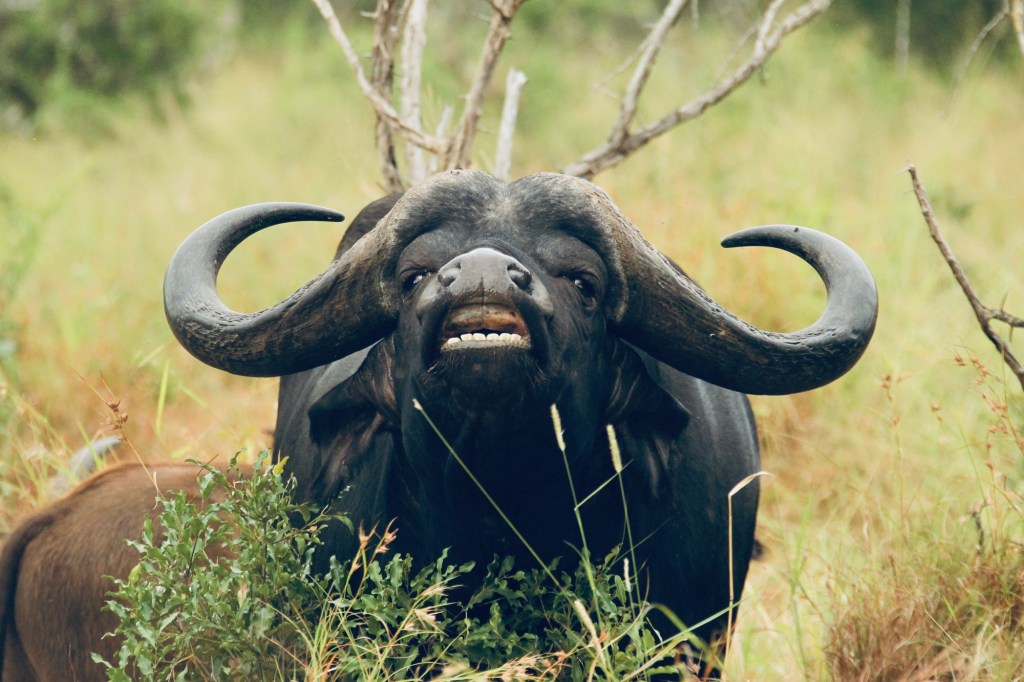
The two most dangerous of these five to encounter are Black Rhinos and Cape Buffalo bulls (either solitary or in small groups, called Dugga Boys). When confronted by Humans they will often attack without any warning. Most other mammals (including Lions and Elephants) will either run away or try to warn their opponent to back off before a possible attack.

This is a Dugga Boys picture of two taken from my Suzuki Jimny. On Thanda Safari our Buffalo are quite used to vehicles, which allowed me to lower my window and get this close-up portrait. I could feel the breath of first bull on my hand while holding the phone.

Note: I recommend not to get that close to Cape Buffalo if you do not know the temperament of the individuals you’re looking at (for example when driving yourself in a National Park). As with Black Rhinos (see yesterday’s post) a close encounter could lead to a lot of work for your panel beater!

Technical data: Apple iPhone 14 Pro Max | Main Camera | 24mm / f1.78 | ISO80 | cropped to 80 of the original image | Shot taken at 7:00am

#amazingwildlife #africansafari #safarigetaway #christiansperkaphotography #thandasafari #big5 #gamereserve #wildlifephotography #learnphotography

Saint Bernhard vs Pit Bull!

I get often asked to characterized the two Rhino species in South Africa and I frequently use a dog comparison to illustrate the difference in temperament.

White Rhinos (or better Square-lipped Rhinoceroses) are very large (Average 1400-2300kg/3000-5000bs). They are normally quite relaxed around safari vehicles and, in case they get upset, they usually just run away rather than attack a possible opponent. So they are more like Saint Bernhard dogs, large with a calm temperament.

Black Rhinos (or better Hooked-lipped Rhinoceroses) are much smaller (Average 800-1400kg/1750-3000lbs) than their cousins. But as Pit Bulls they are always on edge and ready to fight. They have a very nervous temperament as they usually live in thick bush and get easily surprised by other creatures. When faced with a vehicle they often perform warning charges (also called mock charges) to intimidate their possible opponent and to figure out what is going on. I think it is prudent only to stay around for maximum two of these warnings (and take your pictures). If the Black Rhino finds you still there after two charges (for smelling and listing) it might come in for a bit of touching, which could end up in a badly damaged car (and even worse in a hurt Rhino).

I met this Black Rhino bull on Sunday when I drove with my Suzuki Jimmy along a main road. Being on eye-level was no problem and I took a few picture with my iPhone during two short warning charges, before he and I decided to move along!

Technical data: Apple iPhone 14 Pro Max | Telephoto Camera 3x | 77mm | f2.8 | ISO80 | 1/100sec | cropped to 50% of the original image | Shot taken at 5:45am

#amazingwildlife #africansafari #safarigetaway #christiansperkaphotography #thandasafari #big5 #gamereserve #wildlifephotography #learnphotography
Twisted

Greater Kudu males are most impressive creatures. The horns of a mature bull – if straightened – reach an average length of 1.2m (47″) and have two and a half twists. On occasion they may have three full twists with a length of up to 1.8m (71″). Horns only start growing at the age of 6-12 month. One twist is reached at about two years and the full two and a half twists at approximately six years.

A bull can reach up to 340kg (54stones) and over 1.5m (59″) in shoulder height. They are my favorite antelope living at Thanda Safari and Pakamisa Private Game Reserve.

Technical data: Canon R6 with EF lens f4.0/500mm | ISO 320 | 1/500sec | f4 | ev+/-0 | 500mm | WB 6500K | AV Mode | Crop to 25% of original image | hand-held

#amazingwildlife #africansafari #safarigetaway #christiansperkaphotography #thandasafari #big5 #gamereserve #wildlifephotography #learnphotography #thandasafari @thandasafari #pakamisagamereserve @pakamisagamereserve
Light and sharp!

It has been quite a while since I last purchased a new camera lens. But after a friend of mine lent me his Canon RF f11/800mm to try, I was so impressed that I bought one for myself. It is very light (1250g/44oz) and the stabilizer works extremely well. With its length of 800mm (16x magnification) it is ideal for bird photography.

In this collage are three of my first pictures taken with the new lens: A Village Weaver, a Helmeted Guineafowl, and a Wattled Lapwing. Excellent results for a lens that costs less than R20,000 (€/$1,000). The only limitation is that with f/11 it is not well suited for low light photography.

Technical data: Canon R6 with Canon RF lens f11/800mm | WB 6500K | AV Mode | Left 1/2000sec ISO3200 | Middle 1/500sec ISO1250 ev-1 | Right 1/500sec ISO200 ev-1 | all hand-held.

#amazingwildlife #africansafari #safarigetaway #christiansperkaphotography #thandasafari #big5 #gamereserve #wildlifephotography #learnphotography
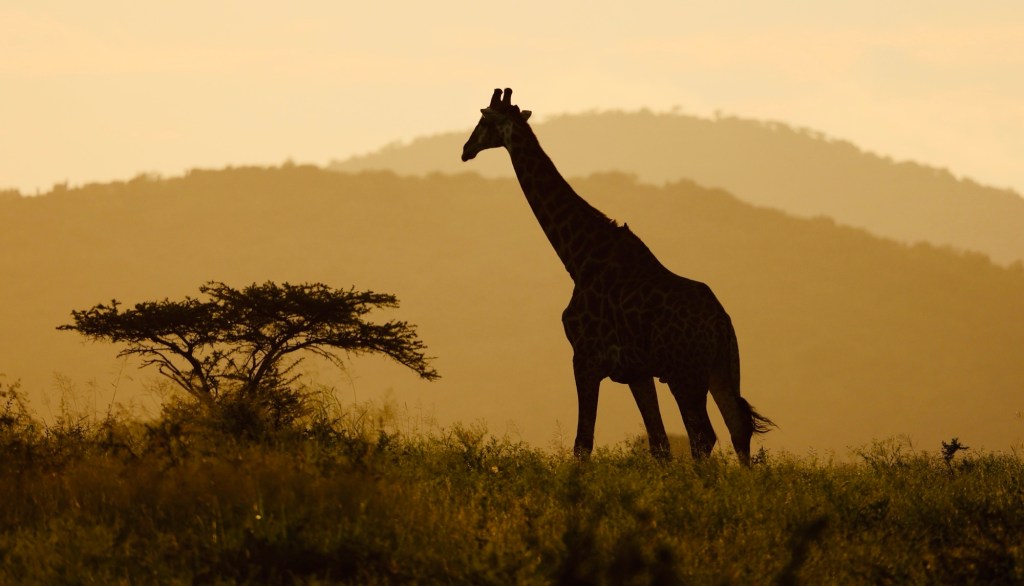
Another picture shot with the new lens 😊

A loose confederation …

It is very interesting to observe the various group structures in different mammals. Some of them are solitary, some of them life in huge herds, or in various sized sets.

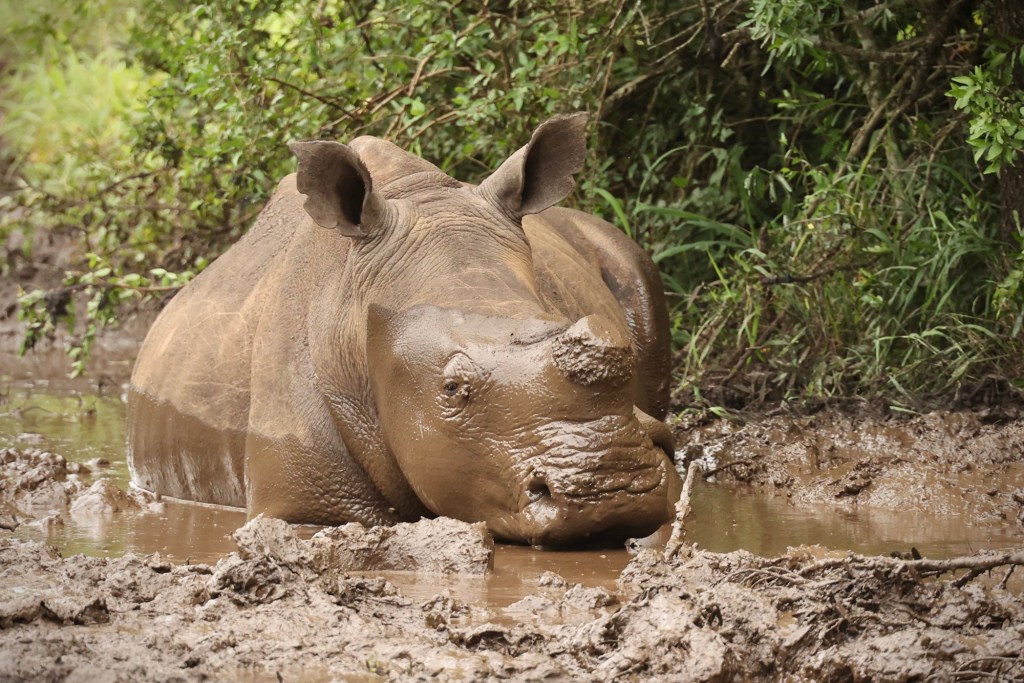
White Rhinos for example form loose groups, called ‘crashes’. They can consist of multiple males, multiple females, or a combination of both. Dominant males are usually found patrolling and marking their territory by themselves. Daughters often remain together with their mothers even after they are adults. But there are no clear rules. Anything goes!

This picture shows two young males resting on an overcast day in an open area.

PS: Groups of Black Rhinos are also called crashes. But as both adult females and males are territorial, group sightings are much rarer, usually made up from a mother and her offspring-spring.

Technical data: Canon R6 with EF lens f4.0/500mm | ISO 320 | 1/500sec | f4 | ev+/-0 | 500mm | WB 6500K | AV Mode | Crop to 75% of original image | hand-held

#amazingwildlife #africansafari #safarigetaway #christiansperkaphotography #thandasafari #big5 #gamereserve #wildlifephotography #learnphotography

Sleepy Lion!

Don’t be fooled. Even if a Lion is sleeping with its eyes closed it can go to high alert within seconds. If it hears a suspicious sound or gets a whiff of an unexpected smell it will be ready on its feet with open (very round) eyes right away.

Lions can sleep soundly with a game viewing vehicle and a group of chattering humans parked next to them (which they are used to and which is of no interest to them). But if a small branch is broken or a foot is set on gravel they will react immediately as this could mean a possible meal or some threat.

Technical data: Canon R6 with EF lens f2.8/300mm | ISO 2000 | 1/500sec | f2.8 | ev+0 | 300mm | WB 6500K | AV Mode | Crop to 25% of original image

#amazingwildlife #africansafari #safarigetaway #christiansperkaphotography #thandasafari #big5 #gamereserve #wildlifephotography #learnphotography

Grazers!

Zebras are predominantly feeding on grass, but occasionally browse on trees. Herbivores (animals, which only consume plants material) are either grazers (mostly eating grass), browsers (mostly eating tree material), and mixed feeders (eating both).

It is interesting to observe the order in which grazers feed in area. Cape Buffalo (considered bulk feeders) will move into an area with tall, fibrous grass. Once they have shortened it, Zebras will move in and cut the grass further. At the end Wildebeest will eat the very short left-overs (fresh shoots).

The Zebra in this image moved through a tree line, Knob-thorn feeding on the grass in between the trees.

Technical data: Canon R6 with EF lens f2.8/70-200mm | ISO 160 | 1/500sec | f2.8 | ev+0 | 200mm | WB 6500K | AV Mode | Crop to 40% of original image

#amazingwildlife #africansafari #safarigetaway #christiansperkaphotography #thandasafari #big5 #gamereserve #wildlifephotography #learnphotography
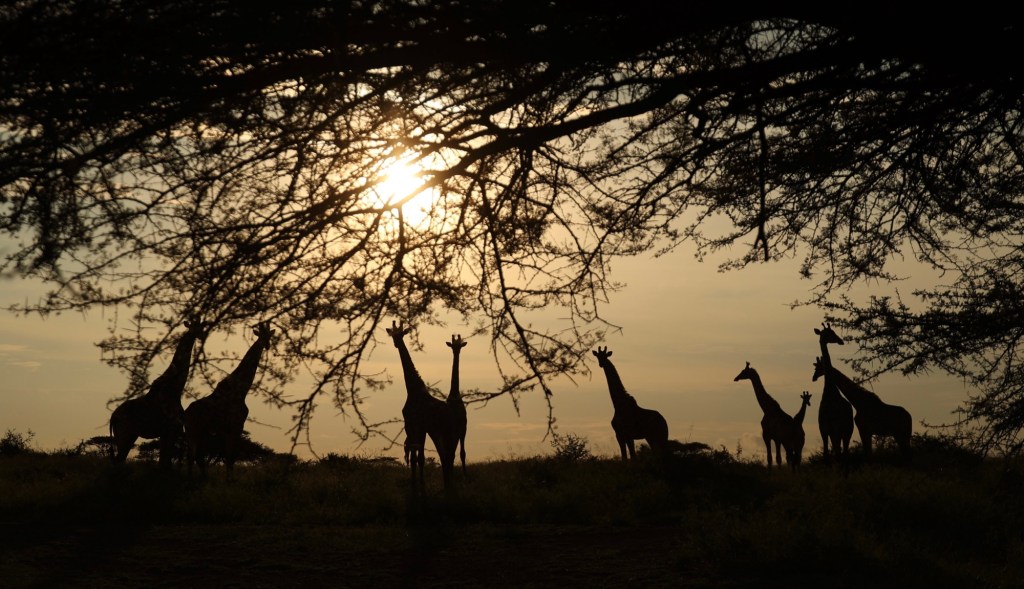
Babies everywhere!

At this time of the year a lot of baby animals are being born. Some of the species have a ‘dropping season’ as they had a ‘breeding season’ months ago, others give birth at any time during the year.

The little Warthogs and the young Impalas are all appearing at this time. The Zebra-, Nyala-, and Giraffe-babies can appear at any time. And the little Wildebeest will be born soon. The small Warthogs and little Impala in these pictures are my first newborn sightings for this season.

Technical data (top left to bottom right):

Canon R6 / EF 4/500mm lens & EF 2.8/70-200mm lens

Nyala – 200mm / 1/750s / f2.8 / ISO200

Zebra – 500mm / 1/500s / f4 / ISO160

Warthog – 500mm / 1/500s / f4 / ISO100

Giraffe – 150mm / 1/500s / f2.8 / ISO1000

Impala – 200mm / 1/750s / f2.8 / ISO100

#amazingwildlife #africansafari #safarigetaway #christiansperkaphotography #thandasafari #big5 #gamereserve #wildlifephotography #learnphotography