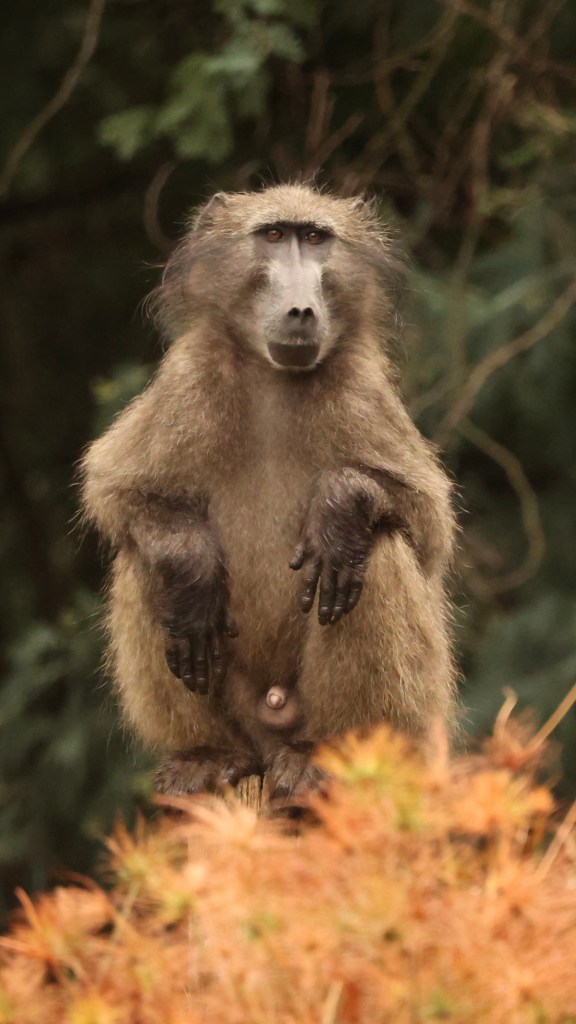
This Baboon had a bit of a rest as his troop moved on. He was just not quite sure how to get comfortable on the park bench 😊. The picture was taken at Cleopatra Mountain Farmhouse in the Drakensberg Mountains.
Technical data: Canon R6 with RF lens f11/800mm | ISO 16000 | 1/500sec | ev-0.5 | WB 6500K | AV Mode
… and some x-rated material – full frontal nudity 😊
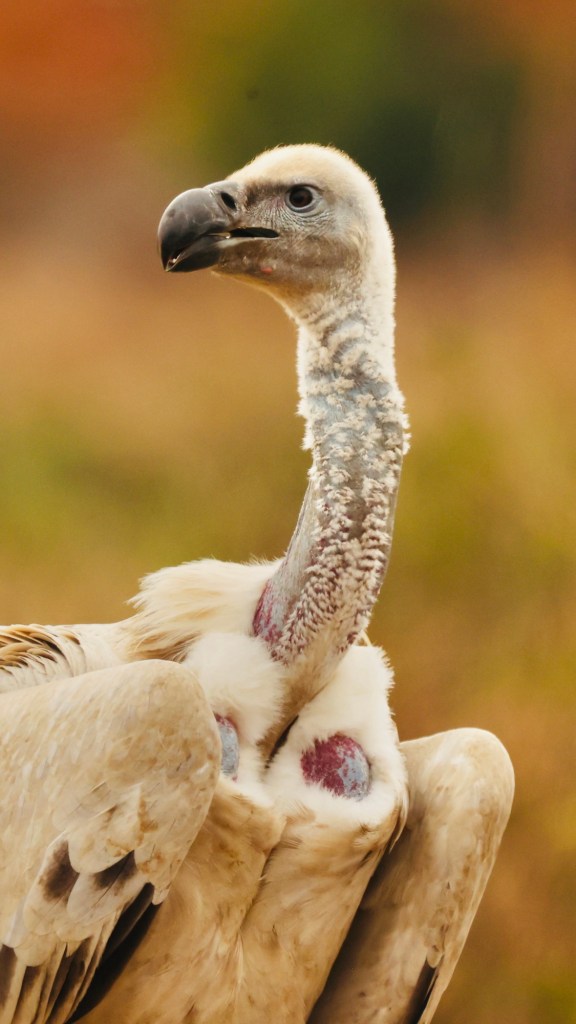
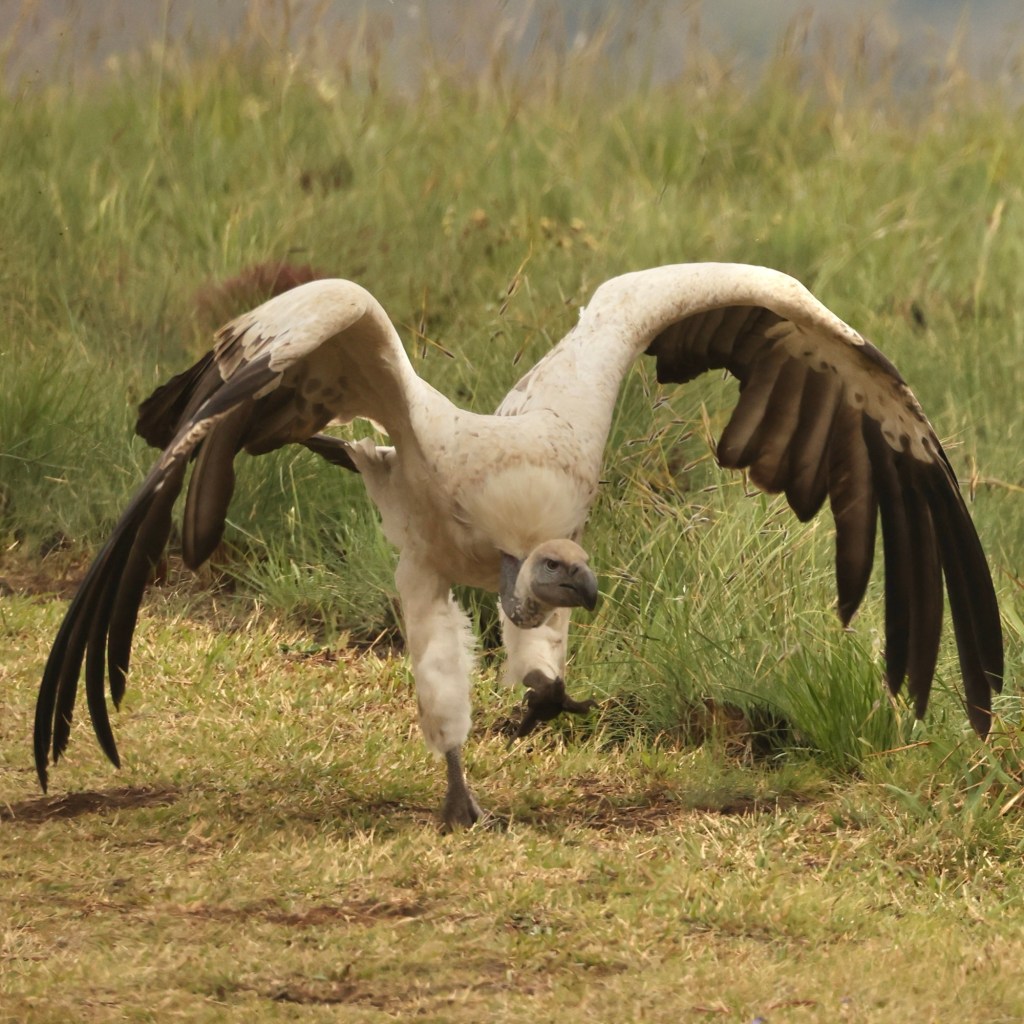
Also know as Cape Vultures these magnificent birds are often mistaken for White-backed Vultures which look very similar. The Cape Vultures have orange/yellow eyes and are larger than White-backed Vultures, who have very dark eyes.
These is a list of all the Vulture species found in South Africa, in order of weight (heaviest to lightest):
Cape Vulture 8.5kg
Rüppell’s Vulture 7.5kg *
Lappet-faced Vulture 6.7kg * #
Bearded Vulture 5.8kg *
White-backed Vulture 5.5kg #
White-headed Vulture 4.7kg * #
Hooded Vulture 2.1kg * #
Egyptian Vulture 1.9kg *
Palm-nut Vulture 1.7kg *
(* uncommon)
(# seen on Thanda Safari)
All Vulture species are now threatened from extinction (classified between critically endangered and vulnerable) mainly due to poisoning, electrocution, and land-use changes.
Technical data: Canon R6 with RF lens f11/800mm | ISO 1600 | 1/2000sec | ev-0.5 | WB 6500K | AV Mode | Crop to 25% of original image
This picture was taken at the Falcon Ridge Bird of Prey Centre in the Drakensberg Mountains, KwaZulu Natal, South Africa.
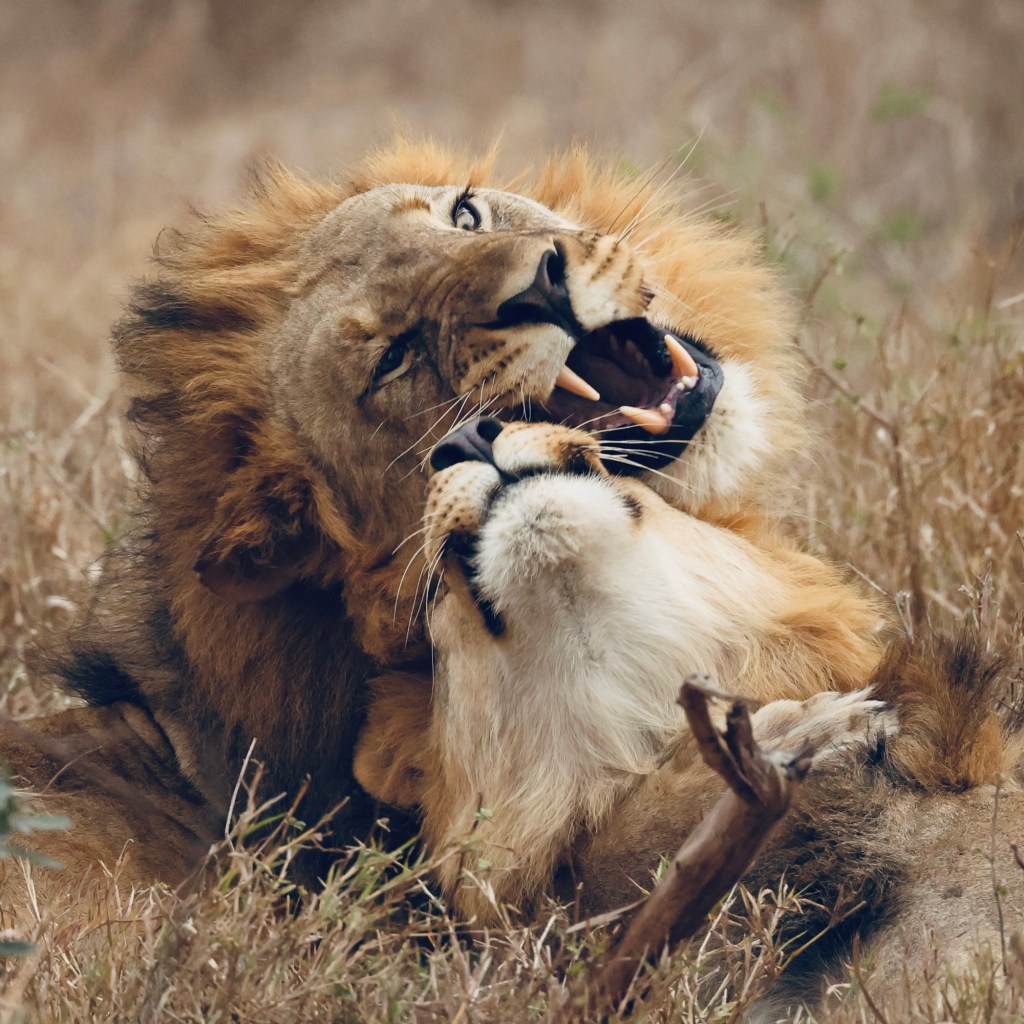
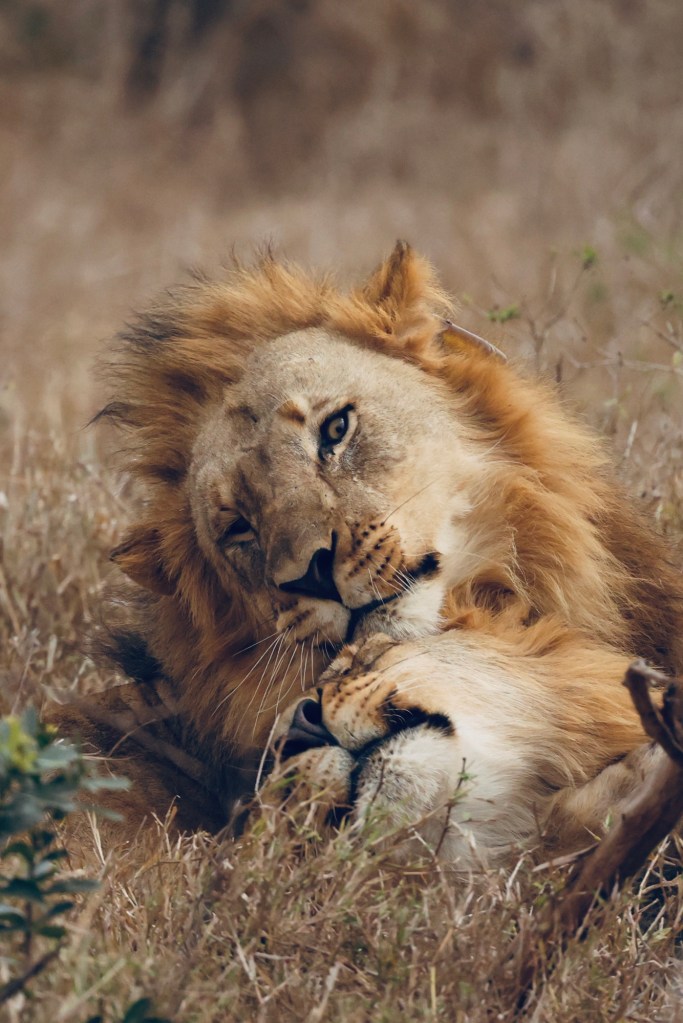
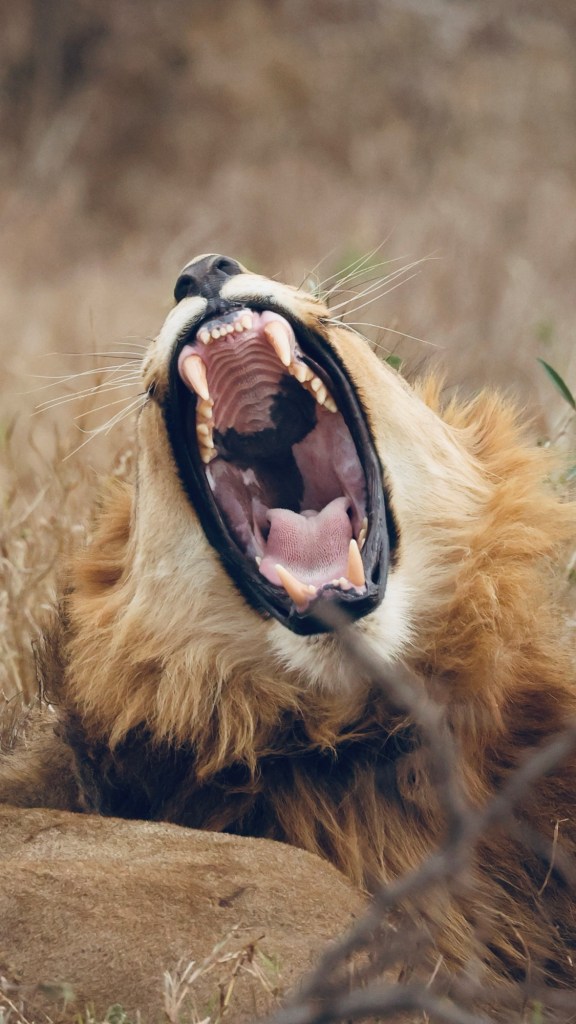
Using a very long lens (800mm) from quite a distance away, the shooting angle becomes very shallow, even though I was about a meter (3 feet) above the eye level of the two young males. It is not always possible to get at eye level or below, so a bit of distance helps to get close to a good shooting angle.
Technical data: Canon R6 with RF lens f/11 800mm | ISO 5000 | 1/500sec | EV +0 | WB 6500K | AV Mode | Crop to 80% of the original image






 Christian Sperka Photography | Custom Luxury Tours