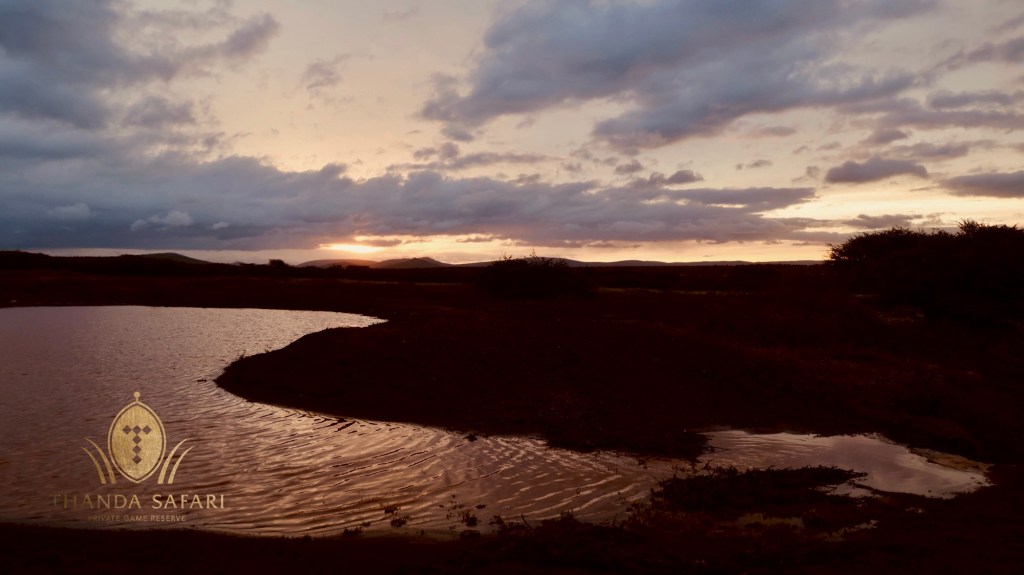
Gold and Blue!

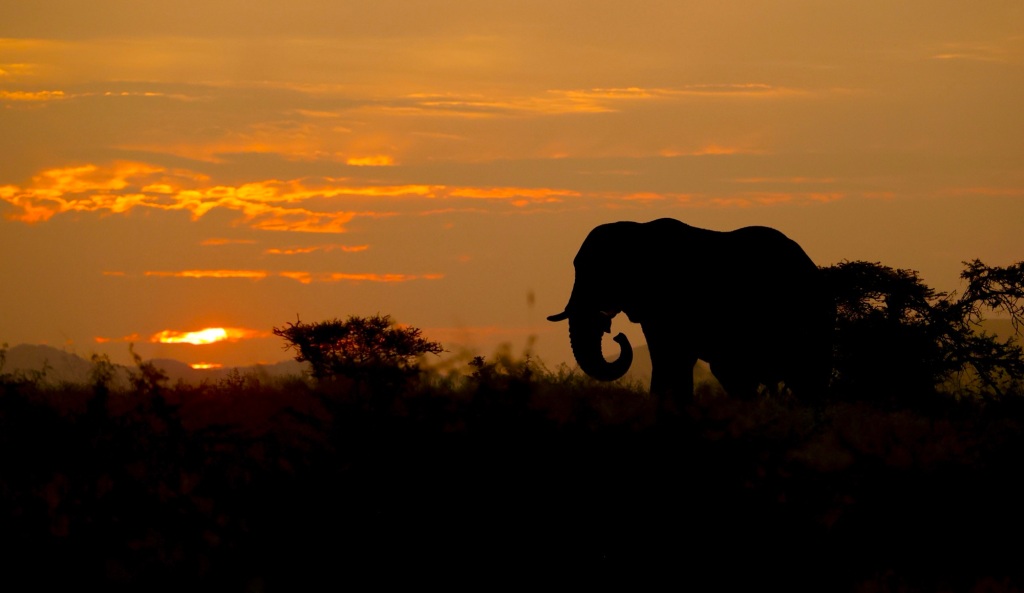
This brief slide show contains some of my favorite pictures captured around sunrise and sunset at Thanda Safari. The unique light present in the mornings and evenings is what photographers seek.

Specific terms describe the optimal lighting conditions of the day:

The golden hour encompasses the time just before and after sunrise or sunset. The closer one is to the equator, the shorter this ‘hour’ becomes. Currently, the golden hour at Thanda Safari lasts about 45 minutes in both the morning and evening.

The blue hour is a brief period before the morning golden hour and after the evening golden hour, characterized by a cooler, blue-toned light produced when the sun is positioned just below the horizon.

For those interested in today’s specifics:

Morning blue hour: 5:36am to 5:45am

Morning golden hour: 5:45am to 6:40am (with sunrise at 5:59am)

Evening golden hour: 5:22pm to 6:07pm (with sunset at 5:53pm)

Evening blue hour: 6:07pm to 6:16pm

I use a very good iPhone app called “Sun Seeker” to provide me with this valuable information.

#amazingwildlife #africansafari #safarigetaway #christiansperkaphotography #thandasafari #big5 #gamereserve #wildlifephotography #learnphotography.

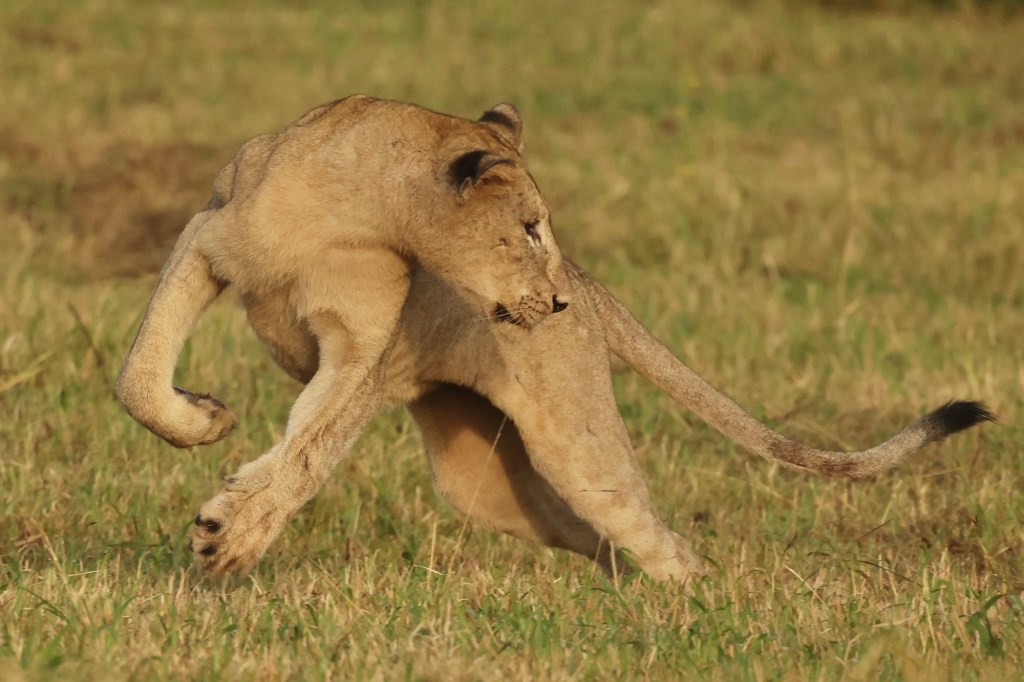
Energetic!

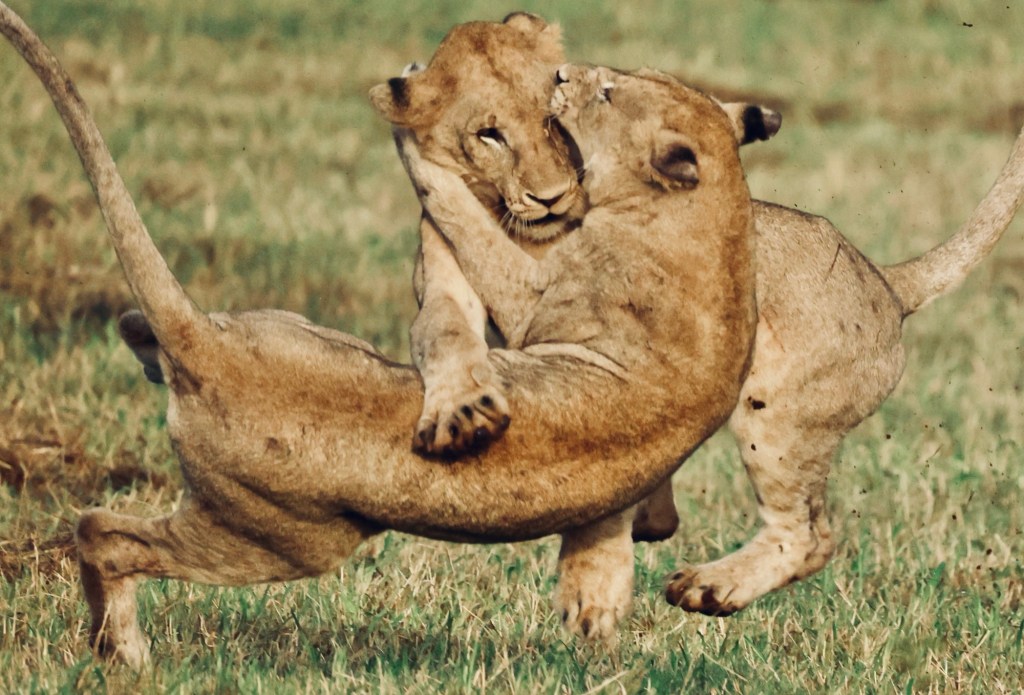
Young Lions have a large amount of energy. They play hard and then crash hard.

Their sparring is good training for stalking and attacking behavior for hunting in their adult life. It also readies them or future serious fights with other adult Lions.

Male lions are sexually mature at about 2 years of age and are fully grown at 4. Competition for the ‘Dominant-Male-Job’ is very harsh, and only one out of ten young males ever accomplishes this ultimate goal before being killed. The life expectancy of a male who makes it to full adulthood is ~12 years.

Females usually have their first litter between 2 and 4 years and live up to ~16 years.

Last Friday, the two young females in these pictures enjoyed a sunny day after a lot of rain, playing very hard on the savanna. They and their five siblings were constantly stalking each other and fending off various attacks. It was very exciting to watch, and we stayed for a long time.

The pride we observed is led by a 15-year-old lioness. We refer to her family as “Zanele’s pride”. She has four youngsters who are 24 months old.

The other adult female of the pride – Zanele’s adult daughter – is three and a quarter years old, and her three cubs are now 17 months.

Technical data for all three images: Canon R6 with RF lens f11/800mm | ISO 2500 | 1/2000sec | ev-0.5 | WB 6500K | AV Mode | Drive mode: Continuous fast

If you would like to read more of my stories and see more of my pictures, you might want to visit my blog at https://sperka.info/blog/

A Rainy Day!

During our rainy season (usually from October to April), we experience very rainy days from time to time.

Yesterday was such a day with a constant fine drizzle from early morning into the late night.

I got soaked to the bone, but I managed to capture these pictures during our two game drives, one in the morning from 6:00 to 9:00 and another in the evening from 16:00 to 19:00 (4 pm to 7 pm).

Not a bad result for a rainy day!

#amazingwildlife #africansafari #safarigetaway #christiansperkaphotography #thandasafari #big5 #gamereserve #wildlifephotography #learnphotography

Askari …

… is the term used to describe a group of young African Savanna Elephants (Loxodonta africana) led by one or a few older bulls.

When young Elephant bulls reach about 14 years of age, they typically leave their herd to join an Askari group in order to learn proper bull Elephant behavior.

In the presence of older bulls, the musth periods (times of heightened testosterone levels) of the younger bulls are either significantly shortened or completely suppressed. This adjustment makes their lives easier, as female Elephants prefer to mate with the older and larger males.

The older bulls also intervene to prevent potential conflicts between younger bulls from escalating during sparring sessions.

Without the guidance of older bulls, young males can become extremely aggressive towards other animals and humans. In some cases, rogue young Elephants have even been known to kill Rhinoceroses in their frustration over being rejected by Elephant cows.

At Thanda, most bulls, both young and old, typically remain with the herd even after reaching maturity. They are often spotted at the rear of a moving herd, kept separate from the young calves by the attentive mothers.

Technical data: Canon R6 with RF lens f4-6.3/24-240mm | ISO 2000 | 1/2000sec | f6.3 | ev-1 | 210mm | WB 6500K | AV Mode | Crop to 60% of original image

#amazingwildlife #africansafari #safarigetaway #christiansperkaphotography #thandasafari #big5 #gamereserve #wildlifephotography #learnphotography

What age?

One of the most common questions that guides get asked is about the age of young animals. It is not always easy to give a correct answer without a point of reference.

The White Rhino baby in this picture is a bit less than one year old (as it has lost its ’roundish’ baby head shape and as the second horn is not visible yet).

Below are a few indications that might help in determining the age of small Rhinos:

Age 0-3 months

– The shoulders are slightly higher than the mother’s underside of her belly

– No horn is visible and it has a ’roundish’ baby head shape, quite distinct from a typical Rhino head shape

Age 3-6 months

⁃ The front horn is now visible, but the back horn is not

Age 6 months – 1 year

– The shoulders are about 1/3 up the mum’s side

– The front horn is now visible and back horn is just coming through

Age 1-2 years

– The shoulders are about 1/2 up the mum’s side

– The front horn is quite distinct, while the back horn is now visible

Age 2-4 years

– The shoulders are about 2/3 up the mum’s side

– Both horns are growing

Age 4-7 years

– The shoulders will still be lower than those of the mother. It is very difficult to distinguish them from a fully grown adult when they are by themselves (7 years+).

Rhino females are usually sexually mature at 4-5 years of age, but they rarely have their first calf before the age of 7. Males need to wait until they are 10-12 years old before claiming their own territory and mating with the females in their area.

Rhinos typically live 40-50 years in the wild.

Technical data: Canon R6 with RF lens f4-6.3/24-240mm | ISO 20000 | 1/500sec | f6.7 | ev+0 | 150mm | WB 6500K | AV Mode | Crop to 50% of original image

#amazingwildlife #africansafari #safarigetaway #christiansperkaphotography #thandasafari #big5 #gamereserve #wildlifephotography #learnphotography

The Underside

It is usually not easy to observe grasshoppers in detail as they hop away if one gets too close. And getting a good look at their underside is normally not possible.

However, a few days ago, this beautiful Vlei Grasshopper (Paracinema tricolor) landed on the windscreen of my Little Mamba (Suzuki Jimny) as I crossed the Thanda Safari savanna.

It stayed for quite a while, which gave me the opportunity to capture this unusual shot with my iPhone.

Paracinema tricolor is a band-winged grasshopper, belonging to the family of short-horned grasshoppers, and is found in Africa, Europe, and the Middle East.

Technical data: Apple 14 Pro Max | Ultra Wide Camera 13mm | ev+4 | Auto Mode | Crop to 50% of original image

#amazingwildlife #africansafari #safarigetaway #christiansperkaphotography #thandasafari #big5 #gamereserve #wildlifephotography #learnphotography

So very green…

After the recent rains, the Thanda Safari game reserve has quickly turned very green. I was recording the changes following heavy precipitation last Wednesday with shots from the air, and I decided to take a short flight along the Mduna river.

I love the tranquil mood of this short clip (the original video I took is almost four minutes long, documenting a flight from the D242 Mduna concrete bridge to a river crossing, which we call ‘Point of No Return’).

Here is a link in case you would like to watch the complete video:

Enjoy your Sunday and have a great week!

Technical data: DJI Mavic Mini 3 Pro Drone | Automatic Mode

#amazingwildlife #africansafari #safarigetaway #christiansperkaphotography #thandasafari #big5 #gamereserve #wildlifephotography #learnphotography

Pecking Order

When it comes to cleaning up kills from large predators there is a pecking order in place.

One of the first scavengers to arrive after the killers have left are often Black-backed Jackals (as the one in this picture).

On some occasions they even sneak in while Lions or Hyenas are still on a kill. Especially if the carcass was torn apart during the large predator’s feeding frenzy and the remains had been spread around.

This is a list of the most common members of the Thanda Safari cleanup crew, sorted according to their position in the pecking order:

⁃ Spotted Hyenas

⁃ Black-backed Jackals

⁃ Side-striped Jackals

⁃ Lapped-faced Vultures

⁃ White-backed Vultures

⁃ Hooded Vultures

⁃ Tawny Eagles

⁃ Bateleurs

⁃ Yellow-billed Kites

⁃ African Woolly-necked Storks

⁃ Pied Crows

… and always Maggots

Technical data: Canon R6 with RF lens f11/800mm | ISO 1250 | 1/500sec | ev-0.5 | WB 6500K | AV Mode | Crop to 20% of original image

#amazingwildlife #africansafari #safarigetaway #christiansperkaphotography #thandasafari #big5 #gamereserve #wildlifephotography #learnphotography

Osteophagia …

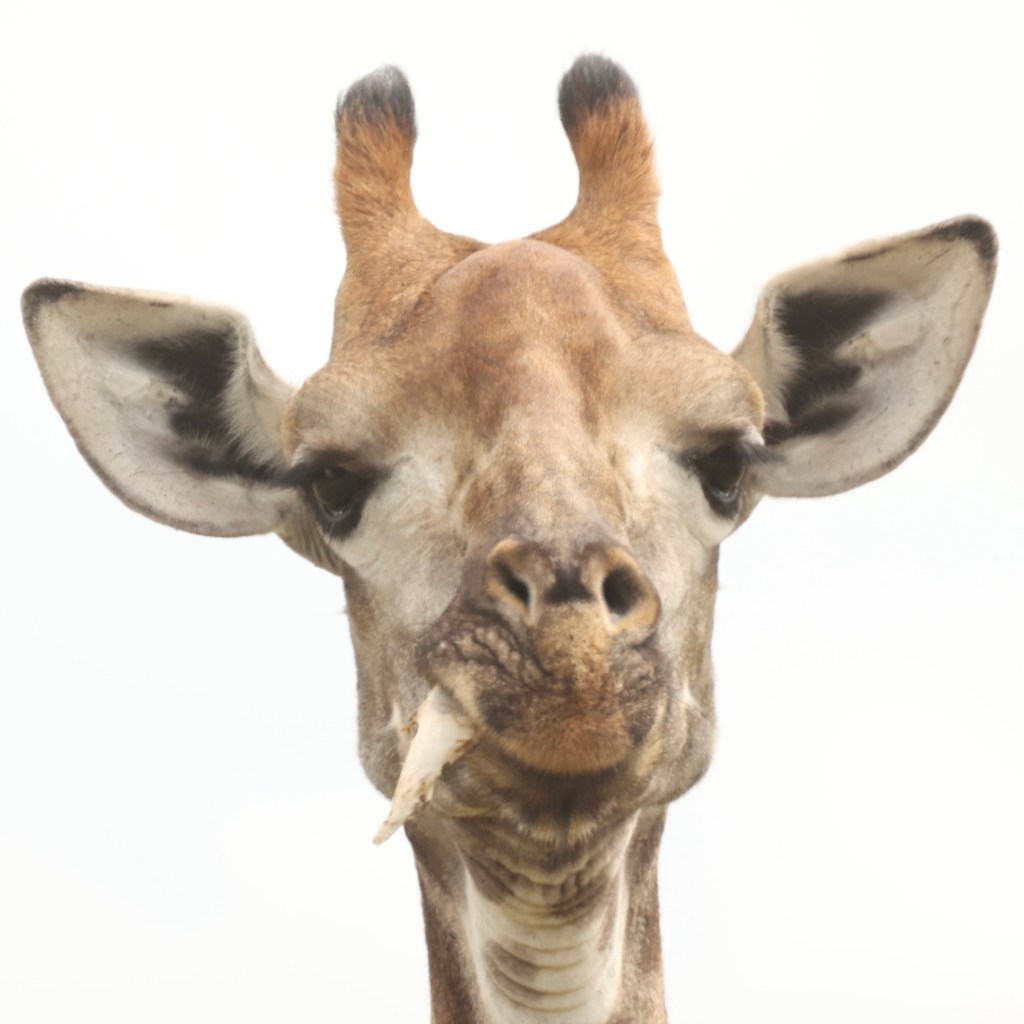
… is the term for a Giraffe behavior which seems rather odd.

Often, these largest land mammals are seen chewing bone material. The reason is to augment any calcium and/or phosphorus deficiency in their bodies. The material is manipulated in and out of the mouth using the tongue while being sucked and chewed.

I took this short video of a Thanda Safari Giraffe looking rather funny, which put me in a good mood for the weekend. I hope you enjoy yours!

Technical data: Canon R6 with RF lens f11/800mm | 4K Video | Hand-held

#amazingwildlife #africansafari #safarigetaway #christiansperkaphotography #thandasafari #big5 #gamereserve #wildlifephotography #learnphotography

Tropical Storm!

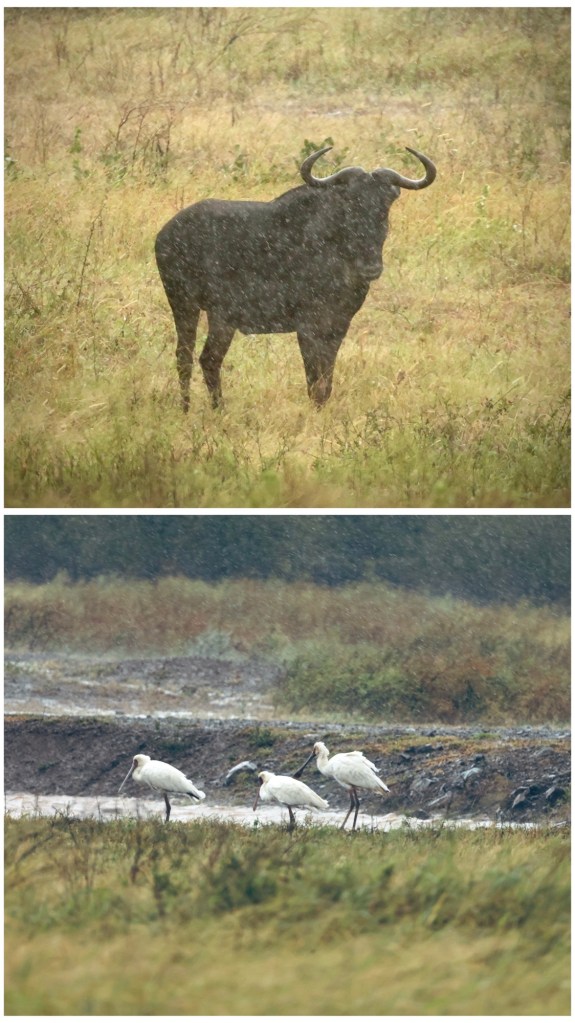
Starting last night, we experienced an incredible 146mm of rain pouring down on Thanda. Tropical Storm Filipo delivered the welcome precipitation, filling up many of our watering holes.

During the heavy rains, I took a short drive on our main roads (as all the others were impassable due to the soggy ground) but only encountered two animal species. A single Wildebeest bull was guarding his territory, and three African Spoonbills were standing completely drenched next to a waterhole. Most animals seek shelter in dense bushes during downpours.

I followed suit and returned to my home, enjoying this very rainy day!

Technical data for both images: Canon R6 with RF lens, f11/800mm | ISO 3200 | 1/500sec | ev+0 | WB 6500K | AV Mode

#amazingwildlife #africansafari #safarigetaway #christiansperkaphotography #thandasafari #big5 #gamereserve #wildlifephotography #learnphotography

… after the rains …