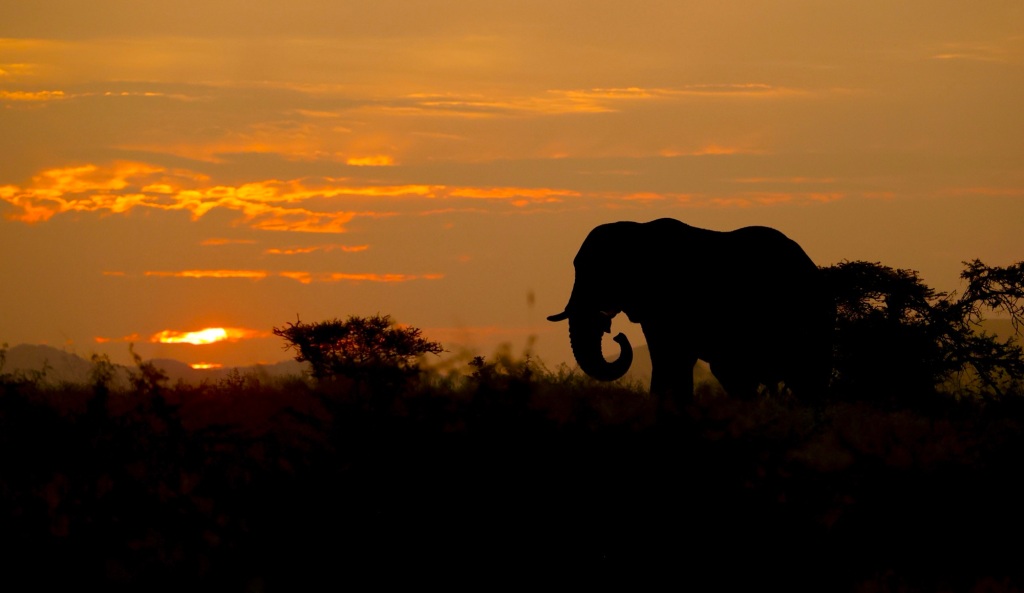
at the edge of an open savanna area just after the sun had set.
While we took pictures of the beautiful orange backlight clouds my tracker Bheki shouted at us to get into the vehicle.
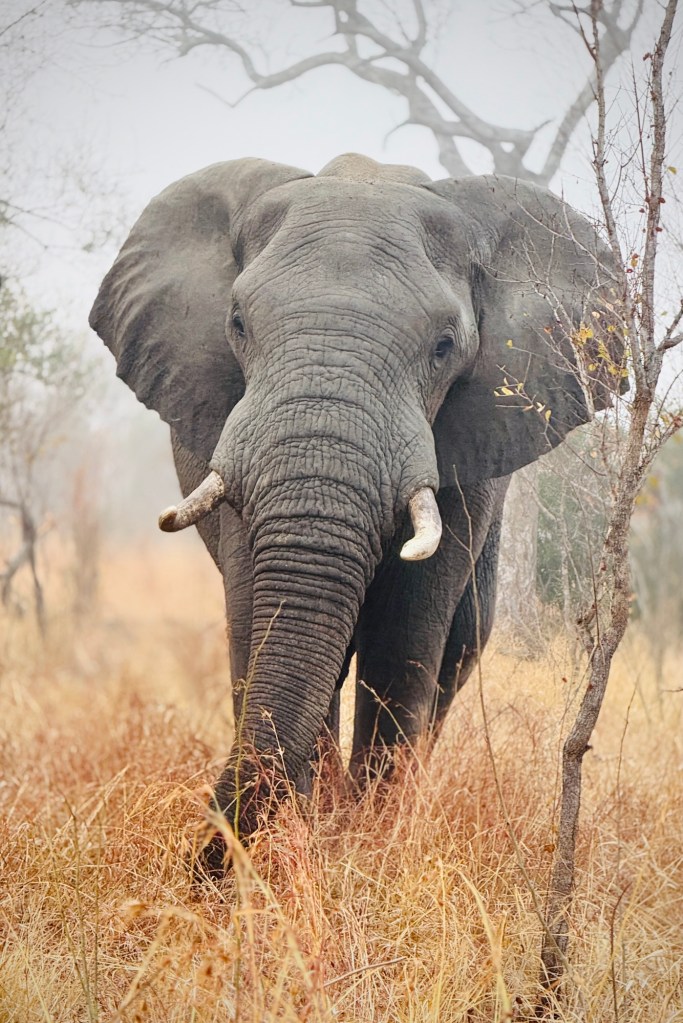
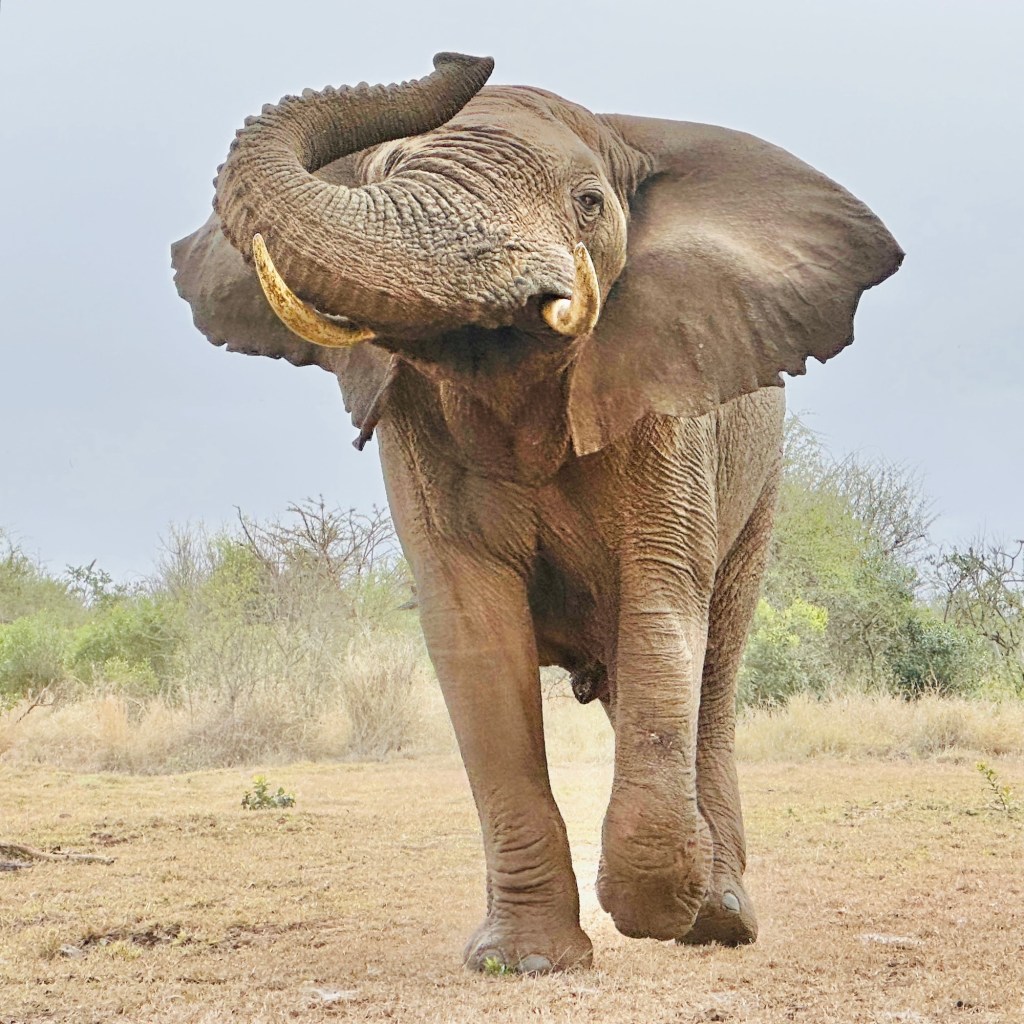
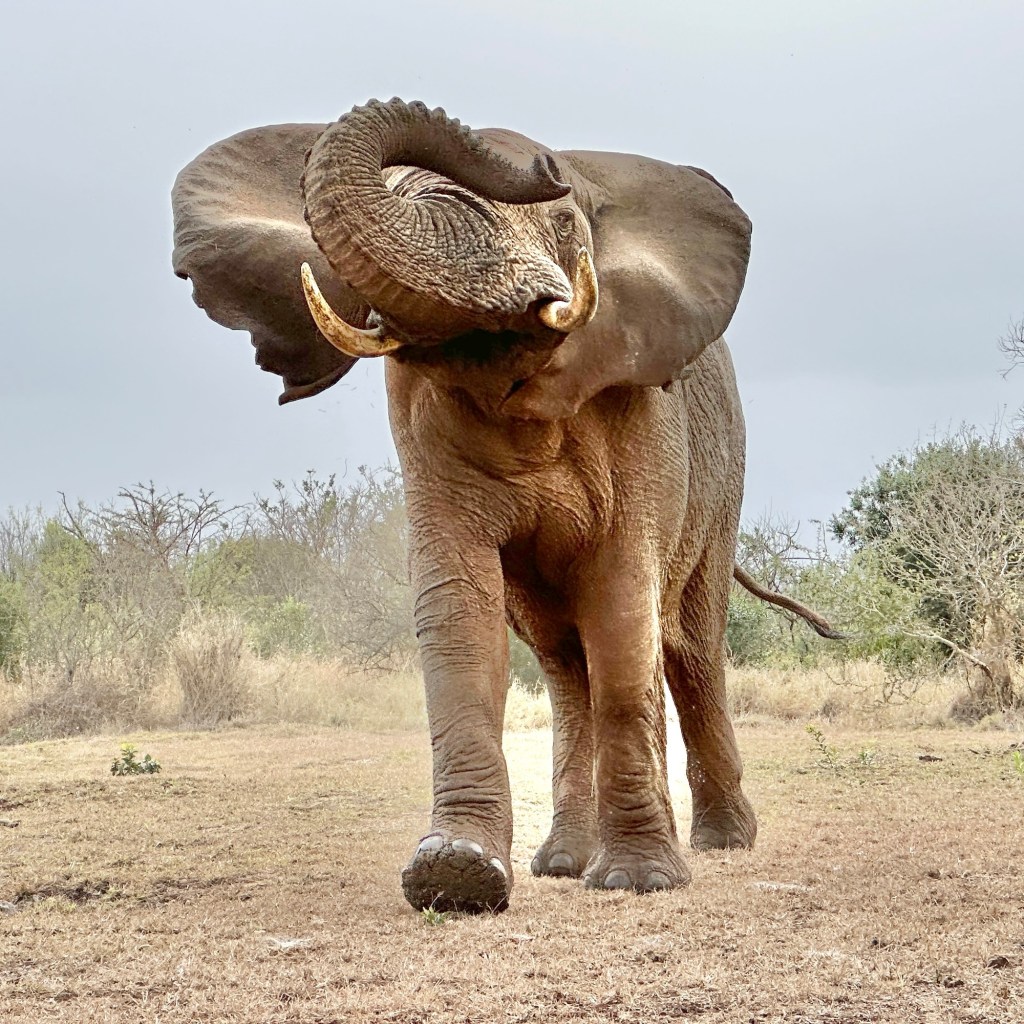
As I turned around a large grey ghost (also called Elephant) was standing about 20 meters away from us. He had appeared Houdini-fashion out of the nearly tree-line without making any sounds.
My guest, who had enjoyed an Amarula on ice just before the unplanned arrival, adhered to my instructions to move slowly but steadily to the vehicle and climbed on.
Bheki had only time to get onto his tracker seat when the large bull arrived at the back of the vehicle, where my coolerbox and hotbox sat in the open back gate.
Our drink stop snacks, cans, glasses, and the Amarula bottle were still on the foldable table on the front of the vehicle.
Bheki grabbed the bottle and I started driving forwards very carefully away from our visitor, without spilling anything from the table.
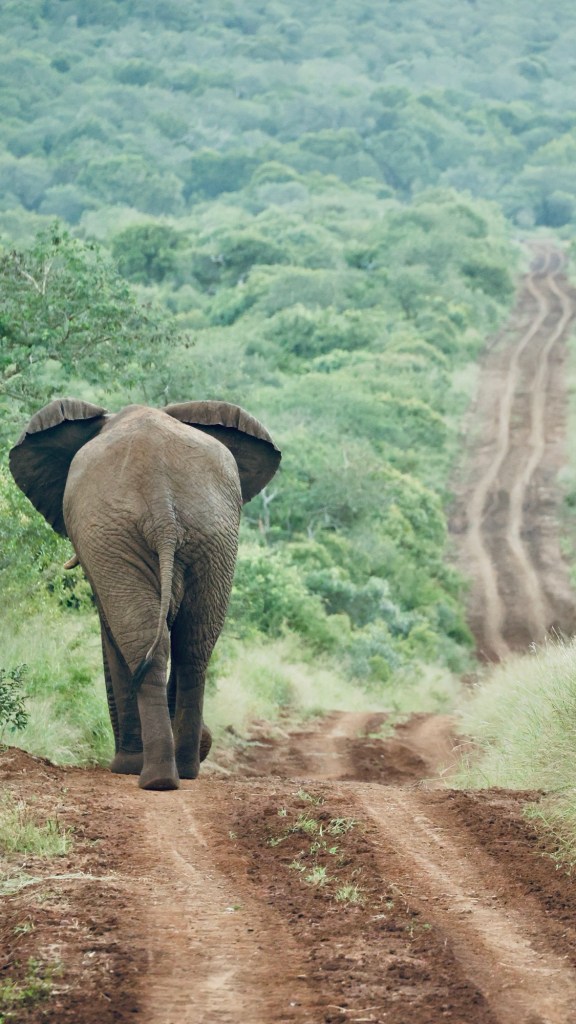
The Elephant did not follow but chose to continue his walk up the road towards a nearby water hole.
We packed up all our equipment and agreed that we just had a very special adventure!
It was amazing to see how the Elephant’s behavior changed once we were no longer on foot but back on the vehicle. It was another clear demonstration for the difference between the instinctual hostile attitude of Elephants to humans on foot and the learned acceptance of humans as part of a safari vehicle (or any other human-made structure).
The collage shows a picture taken by my guest of the Elli behind us and my picture of Bheki holding the Amarula bottle while we were driving away!
… is the term used to describe a group of young African Savanna Elephants (Loxodonta africana) led by one or a few older bulls.
When young Elephant bulls reach about 14 years of age, they typically leave their herd to join an Askari group in order to learn proper bull Elephant behavior.
In the presence of older bulls, the musth periods (times of heightened testosterone levels) of the younger bulls are either significantly shortened or completely suppressed. This adjustment makes their lives easier, as female Elephants prefer to mate with the older and larger males.
The older bulls also intervene to prevent potential conflicts between younger bulls from escalating during sparring sessions.
Without the guidance of older bulls, young males can become extremely aggressive towards other animals and humans. In some cases, rogue young Elephants have even been known to kill Rhinoceroses in their frustration over being rejected by Elephant cows.
At Thanda, most bulls, both young and old, typically remain with the herd even after reaching maturity. They are often spotted at the rear of a moving herd, kept separate from the young calves by the attentive mothers.
Technical data: Canon R6 with RF lens f4-6.3/24-240mm | ISO 2000 | 1/2000sec | f6.3 | ev-1 | 210mm | WB 6500K | AV Mode | Crop to 60% of original image
I had some good sightings over the last few days, but the clear number one was the one of almost fifty Elephants having fun in and around a waterhole.
We watched them for almost two hours until the sun had set and the last bulls had left the water.
It started with two herds rushing towards one of our largest dams at the same time. There was a bit of tension between the two groups which led to some stampeding. A few of them left for a little while, but then returned to the wet.
On this 35°C day (95°F) they obviously enjoyed drinking, swimming, spraying, mudding, diving, sparring, and even a bit of rough playing.
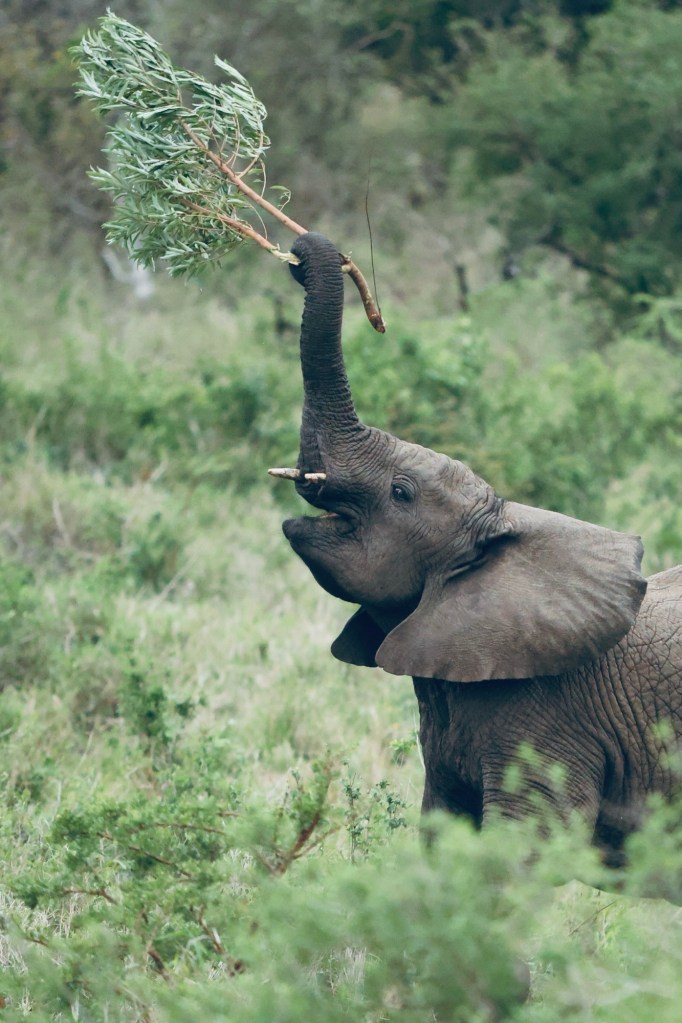
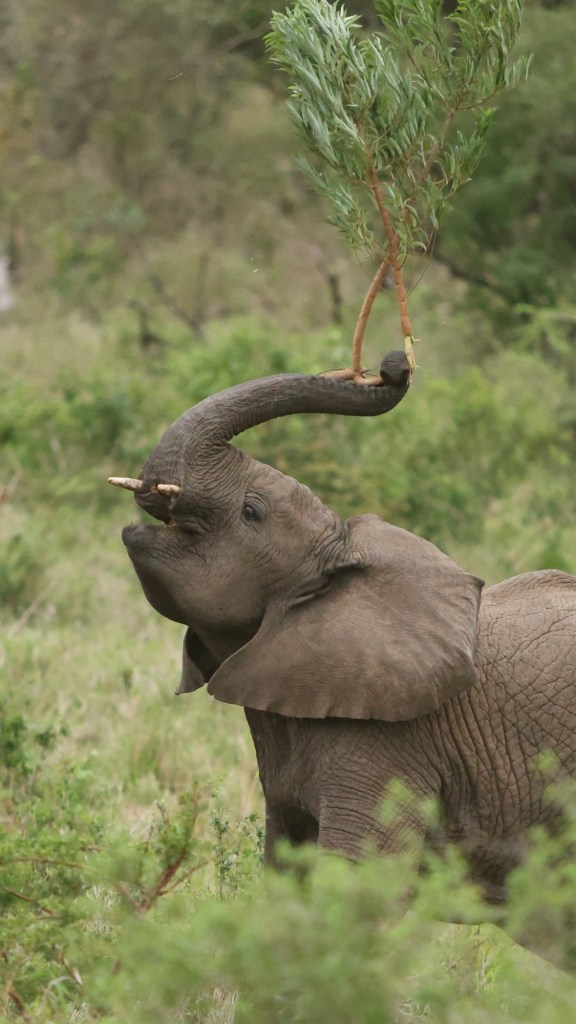
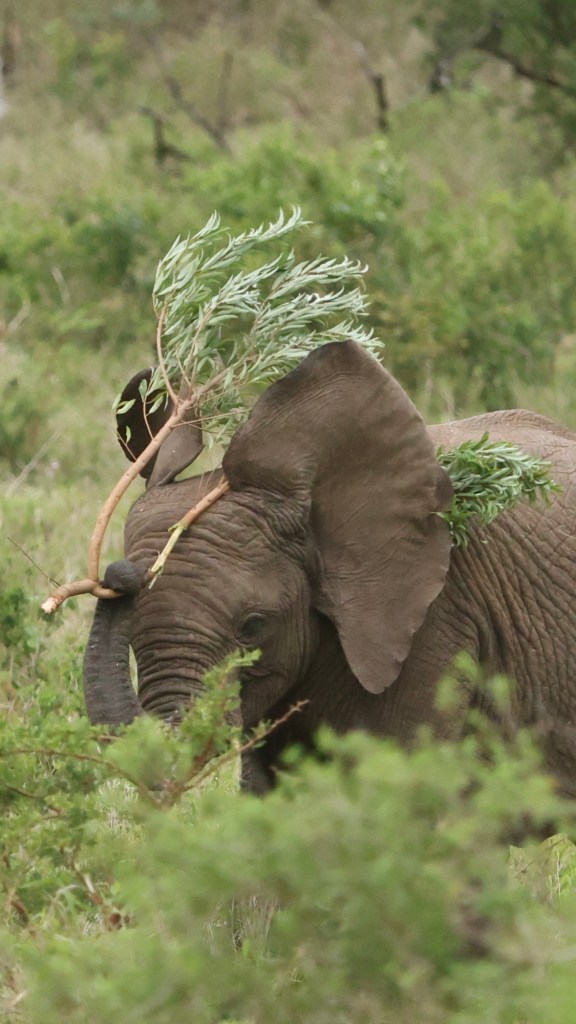
I hope you will enjoy this slide show with a few of my pictures.





 Christian Sperka Photography | Custom Luxury Tours