The Friday Night Spa!

This evening – just before sunset – I have watched an Elephant bull having a great time at a muddy waterhole.

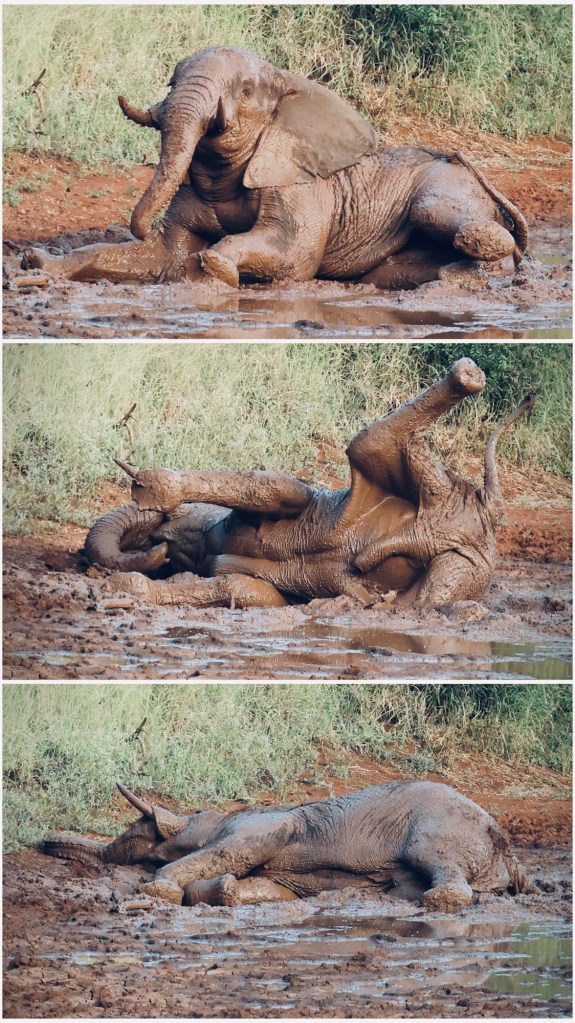
He first drank a bit of water from one of the remaining puddles (this waterhole will be dry soon, if no new rain arrives), followed by a proper mud-wallow.

To my surprise he then proceeded to have a nap for about 10 minutes lying very still in the cooling wet.

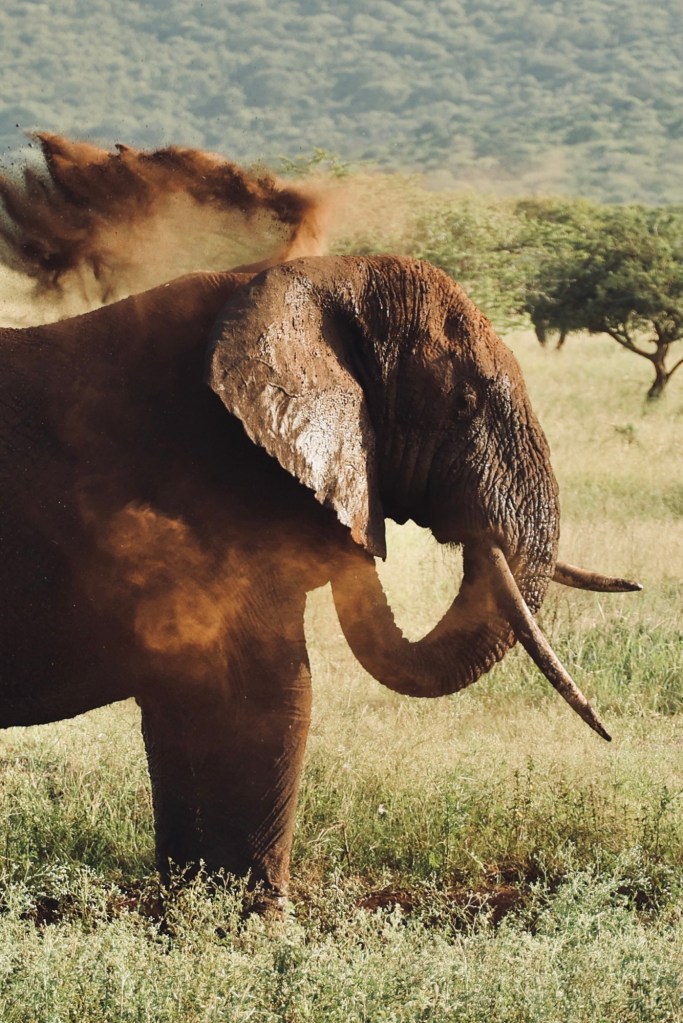
Once he finished with his ‘spa treatment’ he proceeded to throw sand on himself, before returning to peaceful gazing away from the water.

Technical data for all three images: Canon R6 with RF lens f4-6.3/24-240mm | ISO 4000 | 1/750sec | f6.7 | ev+0 | 240mm | WB 6500K | AV Mode | cropped

#amazingwildlife #africansafari #safarigetaway #christiansperkaphotography #thandasafari #big5 #gamereserve #wildlifephotography #learnphotography
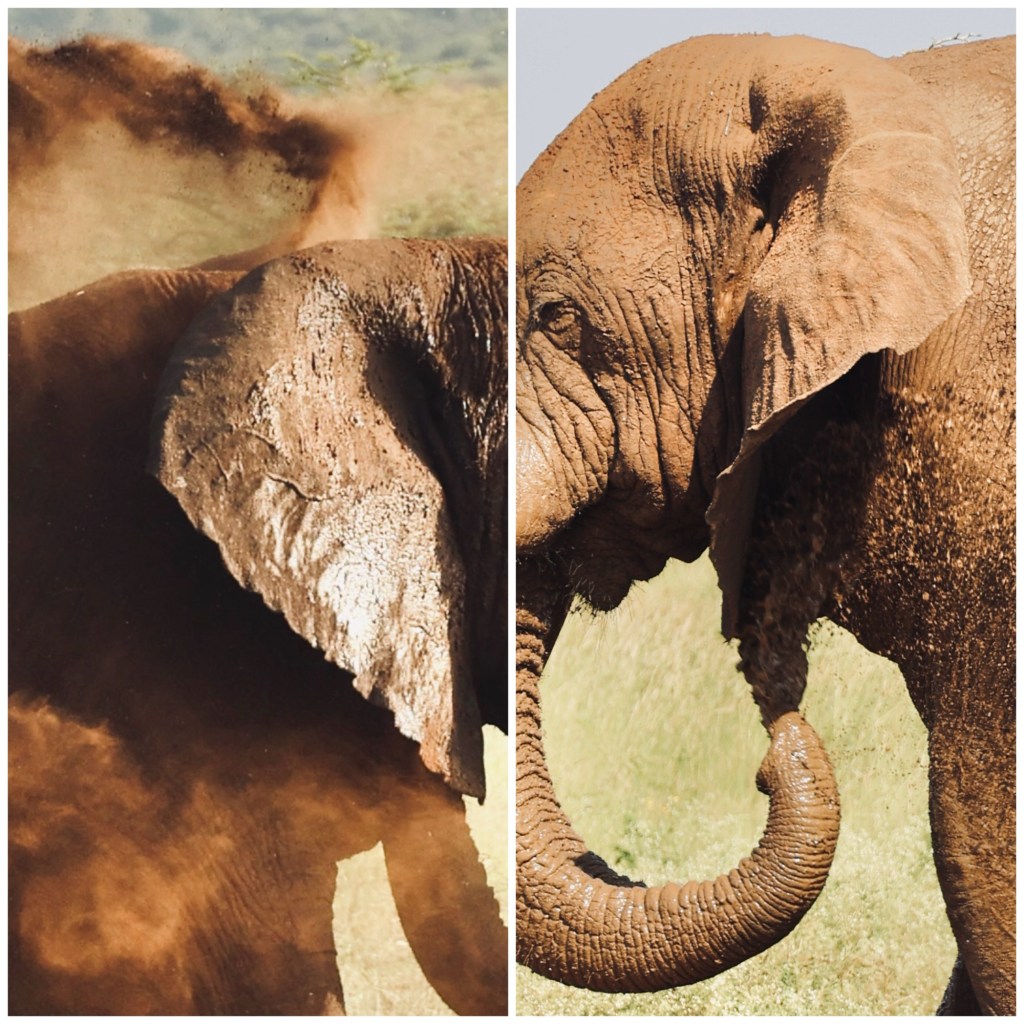
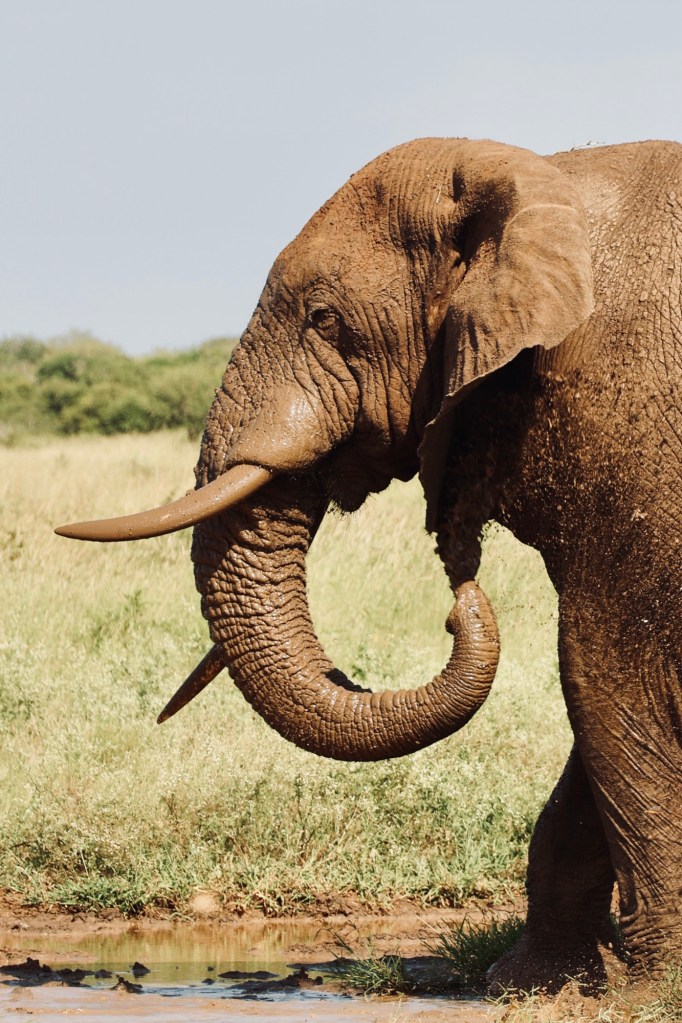
Technical data: Canon R6 with RF lens f11/800mm | ISO 16000 | 1/500sec | ev+0 | WB 6500K | AV Mode | Crop to 90% of original image
Technical data: Canon R6 with RF lens f11/800mm | ISO 12800 | 1/500sec | ev+0 | WB 6500K | AV Mode | Crop to 25% of original image

Twilight

Sometimes the camera can see more than the human eye. I this case I got this image of an Elephant cow eating grass in the twilight, after the sun had set. With my eyes I only saw the outline of the huge form above the grass.

Elephant have to eat most of the day and night, as they have to ingest up to 300kg (660lbs) per day to sustain their huge bulk.The foods they consume (Grass- and tree-materials) are ‘low-energy-containing’, so a lot is needed.

A Lion in contrast eats very ‘high-energy-containing’ foods (Meat, intestines, and bones) and can therefore rest most of the day.

Result: Lions sleep up to 18 hours a day. Elephants eat up to 18 hours a day! To a gourmet glutton, who likes his sleep, both sounds appealing 😊

Technical data: Canon R6 with EF lens f4.0/500mm | ISO 12800 | 1/180sec | f4 | ev-0.5 | 500mm | WB 6500K | AV Mode | Crop to 50% of original image | beanbag support

#amazingwildlife #africansafari #safarigetaway #christiansperkaphotography #thandasafari #big5 #gamereserve #wildlifephotography #learnphotography
Thulani…

… means ‘the quiet one’ in isiZulu. This is a very apt name for one of our oldest and largest Elephant bulls.

If you look carefully at this pictures you can see him dribbling urine from his penial shief (between his back legs). This means that he is in musth (heightened sexual activity period) and dribbles liquid all day.

But unlike most younger bulls this over six ton old gentleman remain quite gentle. When I encountered him last night at dusk he moved quietly swaggering past my vehicles while stopping from time to time to nibble on some trees and grasses.

PS: He is partially wet in this picture as he had just mudded himself at a small waterhole.

Technical data: Canon R6 with RF lens f4-6.3/24-240mm | ISO 3200 | 1/750sec | f6.3 | ev+0 | 100mm | WB 6500K | AV Mode | Crop to 10% of original image

#amazingwildlife #africansafari #safarigetaway #christiansperkaphotography #thandasafari #big5 #gamereserve #wildlifephotography #learnphotography
Nose Dive

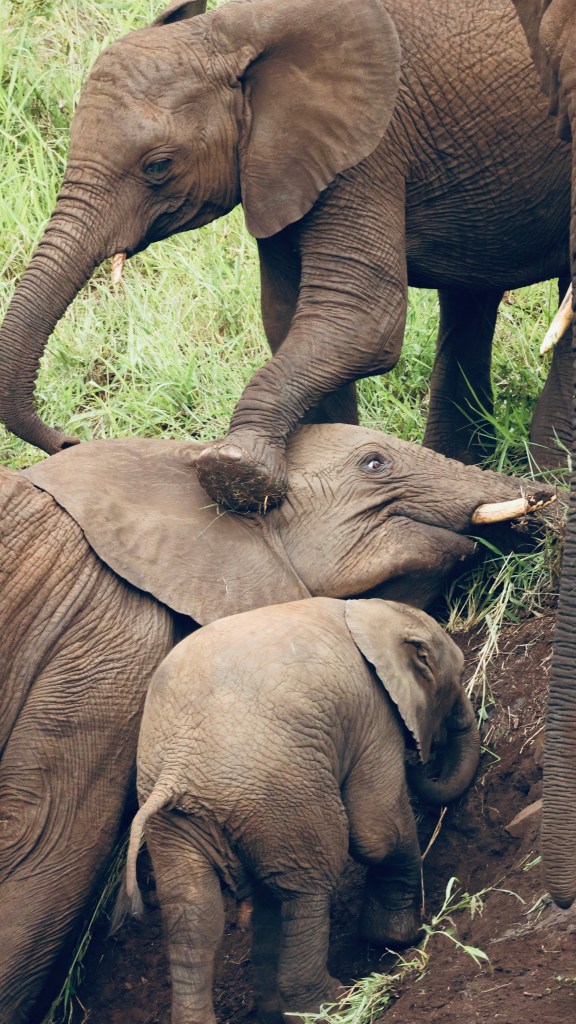
This little Elephant took a nose dive, or better trunk dive, in front of its mum. The small creature was sparring with another calf when it suddenly decided to catch up with mum, in the hurry stumbling over its own feet. The large female gently used her trunk to get her offspring back up.

Elephant calfs are very playful and often overestimate their capabilities, getting themselves into trouble. Elephant adults are some of the best parents on earth and are usually able to help their youngsters.

Technical data: Canon R6 with RF lens f4-6.3/24-240mm | ISO 320 | 1/500sec | f5.6 | ev+0 | 120mm | WB 6500K | AV Mode | Crop to 10% of original image

#amazingwildlife #africansafari #safarigetaway #christiansperkaphotography #thandasafari #big5 #gamereserve #wildlifephotography #learnphotography

Playing hard!

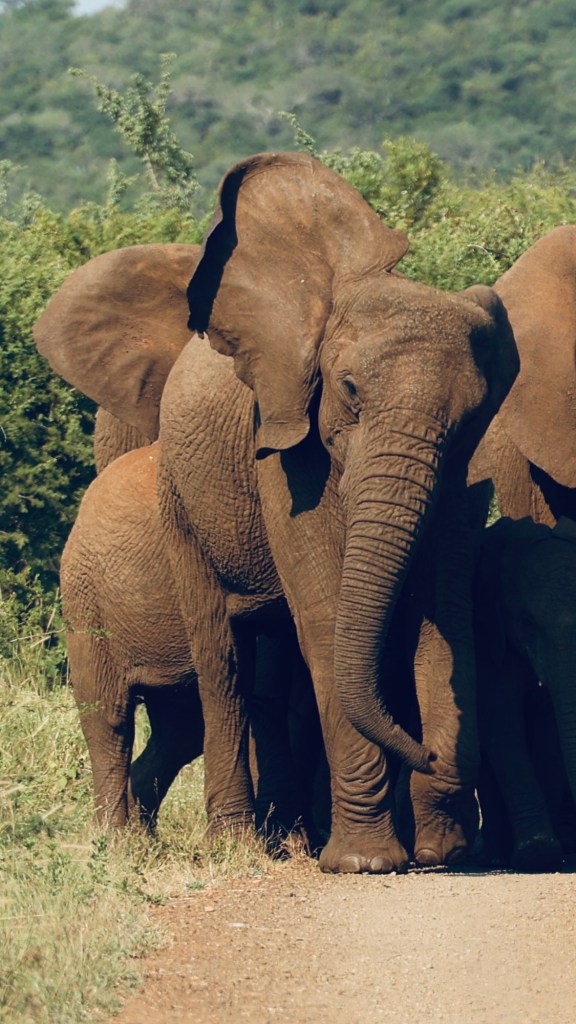
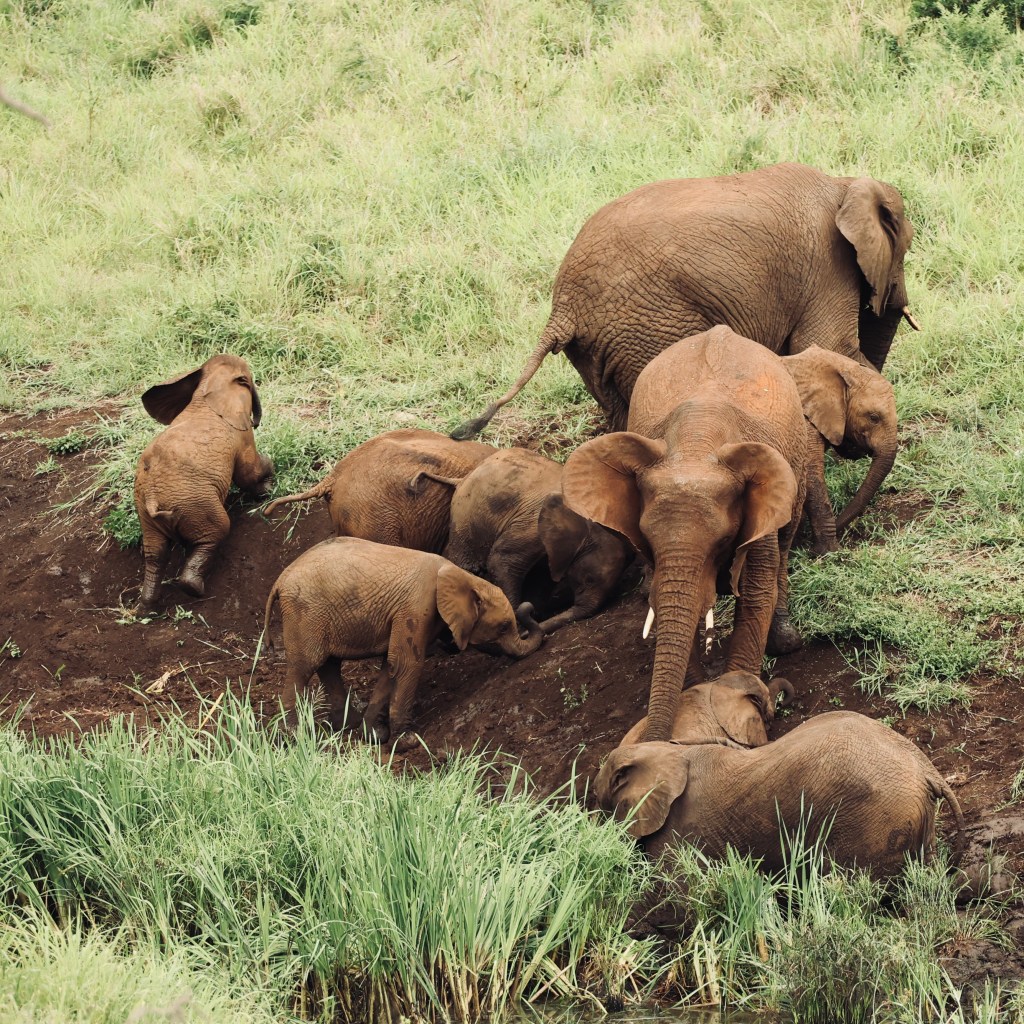
Baby Elephants are very cute to watch. Even when they are still quite small they like to play hard, especially if they encounter a muddy patch. These two youngster had a great time while their tolerant elders watched over them.

Baby Elephants weight between 90 and 120kg (200-260lbs) at birth. Most of all births happen at night, after a 22 months gestation period.

Technical data: Canon R6 with RF lens f11/800mm | ISO 4000 | 1/500sec | ev+0 | WB 6500K | AV Mode | Crop to 35% of original image | hand-held | Image taken at 12:30 midday

#amazingwildlife #africansafari #safarigetaway #christiansperkaphotography #thandasafari #big5 #gamereserve #wildlifephotography #learnphotography

Emotions!

Human tears are often associated with emotions. These can be tears of joy or sorrow.

African Elephants have temporal glands between their eyes and their ears (males and females). When they secret a dark, oily, musky liquid it is usually a sign for them being in a special emotional state. This can be sexual (especially with Elephant bulls in musth), but it can have many other reasons, like being a sign of distress when running into Lions, or being a sign of excitement when meeting up with another Elephant group.

Half an hour ago I took this picture of a young bull who started secreting from the gland after a sparring session with another bull. But his dry back legs would indicated that he is not in musth. Musth bulls have to get rid of their excess testosterone by constantly dribbling urine and have therefore wet legs.

Technical data: Canon R6 with RF lens f11/800mm | ISO 64000 | 1/500sec | f11 | ev+0 | 800mm | WB 6500K | AV Mode | Crop to 90% of original image

#amazingwildlife #africansafari #safarigetaway #christiansperkaphotography #thandasafari #big5 #gamereserve #wildlifephotography #learnphotography
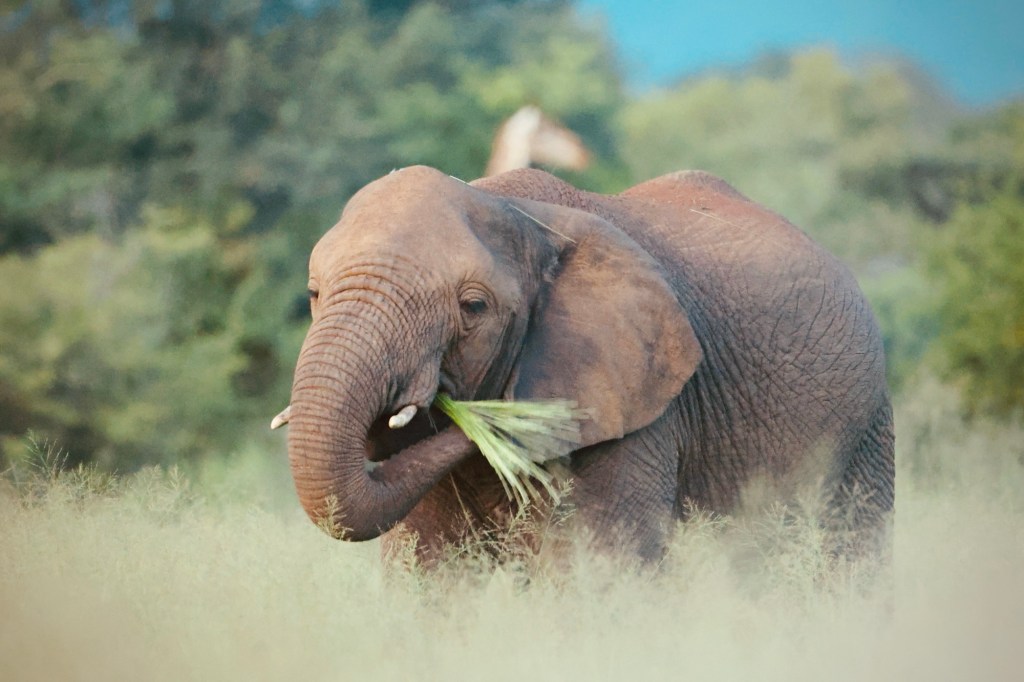
Parade!

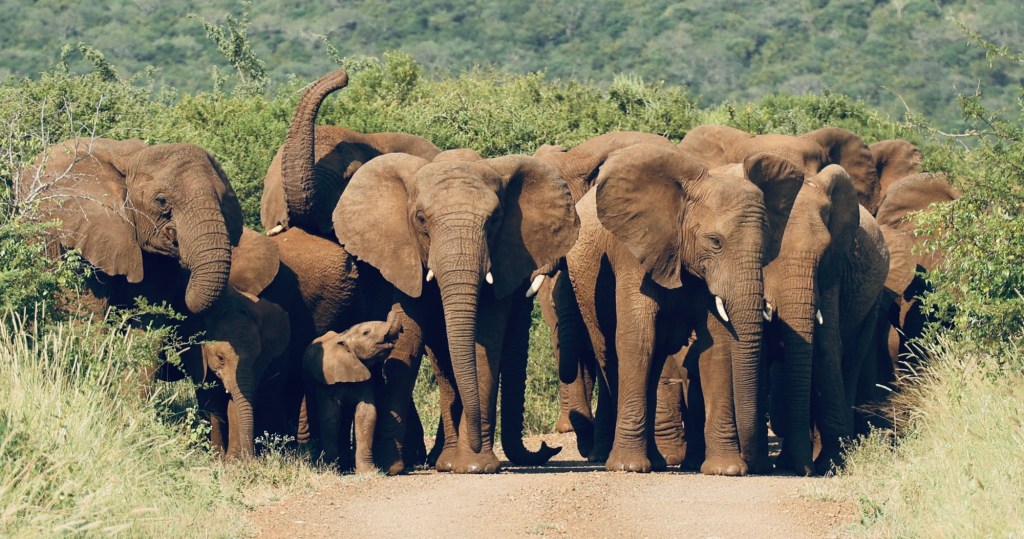
I love this picture, taken last Sunday. A herd of Elephants had just finished drinking at the small pond in front of the Thanda Safari Lodge when they paraded in single file up the hillside. It was a cloudy and rainy day, which gives this image a rather eerie quality.

Elephants drink a lot of water. A large bull can take in over 200 liters (50 gallons) in just five minutes. They use their trunk like a syringe to squirt water into their mouth. The trunk is an elongated nose and not a straw-like device. And as you know one cannot drink through ones nose!

Technical data: Canon R6 with RF lens f4-6.3/24-240mm | ISO 1600 | 1/125sec | f6.3 | ev+0 | 240mm | WB 6500K | AV Mode | Crop to 50% of original image

#amazingwildlife #africansafari #safarigetaway #christiansperkaphotography #thandasafari #big5 #gamereserve #wildlifephotography #learnphotography
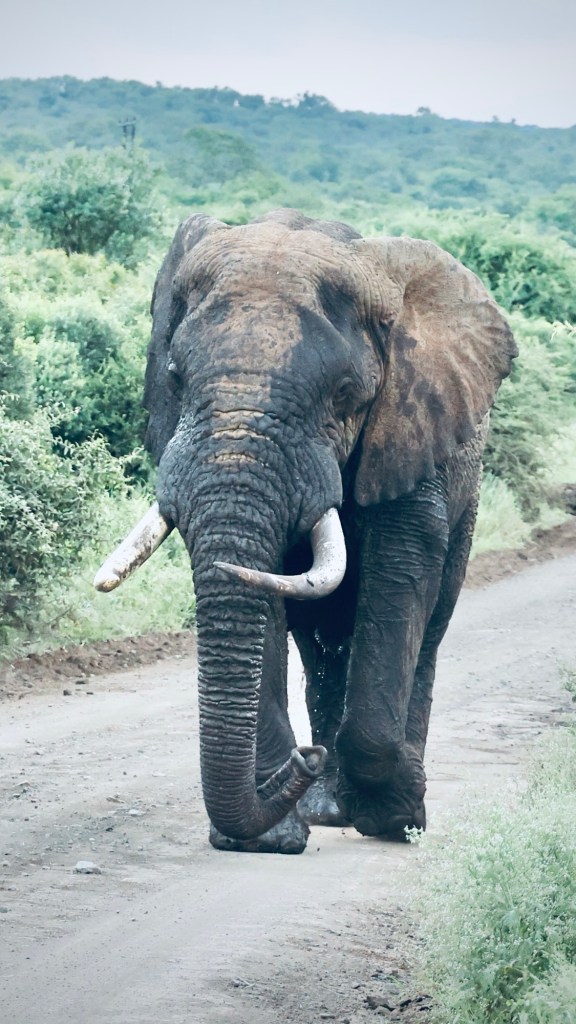
Musth…

… is a surge in testosterone (and therefore heightened sexual drive) in Elephant bulls which can cause rather unpredictable behavior. During this annual period the males continuously dribble urine to get rid of the extra testosterone and their glands behind the eyes are constantly secreting fluids.

It is a good idea to stay clear of animals in that state – especially middle-aged ones – as they can be quite aggressive. But old musth bulls like this ‘six ton plus’ creature have experienced musth so often in their life, that they usually stay quite calm. Elephant ladies like big and old guys and this bull is therefore not concerned about getting frustrated with the opposite sex.

He passed our vehicle without any fuss, following a breeding herd.

Technical data: Canon R6 with EF lens f2.8/70-200mm | ISO 160 | 1/1/500sec | f2.8 | ev+0 | 150mm | WB 6500K | AV Mode | Crop to 75% of original image

#amazingwildlife #africansafari #safarigetaway #christiansperkaphotography #thandasafari #big5 #gamereserve #wildlifephotography #learnphotography

Thick skin

An Elephant’s skin can be up to 3.8cm (1.5”) in certain places. The folds and wrinkles may contain far more water than flat skin. That helps them to stay cool. The have no sweat glands, so they often cover their skin with wet mud which also helps them cooling down in hot weather.

Their skin is very sensitive and they are one of only a few mammals who will not tolerated Oxpeckers (birds, which mainly hunt for ticks) sitting on them. But especially behind their ears the skin is very thin with many veins getting a lot of blood close to the surface. Flapping their ears back and forth helps them cooling down their blood.

Technical data: Canon R6 with EF lens f2.8/300mm | ISO 10000 | 1/750sec | f4 | ev+0 | 300mm | WB 6500K | AV Mode | Crop to 90% of original image

#amazingwildlife #africansafari #safarigetaway #christiansperkaphotography #thandasafari #big5 #gamereserve #wildlifephotography #learnphotography

On the money!

Did you know that the Big Five feature on the recently re-designed South African Rand banknotes?

White Rhinos or Imikhombe (in isiZulu) decorate the green R10 bill, African Elephants or Izindlovu the brown R20 bill, African Lions or Amabhubesi the red R50 bill, Cape Buffalos or Izinyathi the blue R100 bill, and Leopards or Izingwe the orange R200 bill.

But if you are a ‘Big Five purist’ then the creators of the new money made a slight mistake. White Rhinos, strictly speaking, are not part of the Big Five. It is the Black Rhinos (as in my collage) that should be on the Ten Rand note.

The term Big Five is an old hunting term, which defined the five most dangerous creatures in the African wilderness (to hunt on foot). The Black Rhinos (=Hooked-lipped Rhinoceros) and not the White Rhinos (=Square-lipped Rhinoceros) are part of that exclusive club!

But nowadays the Big Five are very important for African tourism marketing and all Rhinos (white or black) are now included!

… and all of them live around my home at Thanda Safari.

#amazingwildlife #africansafari #safarigetaway #christiansperkaphotography #thandasafari #big5 #gamereserve #wildlifephotography #learnphotography