
These are three of my favorite images I took during another great stay at Pongola Game Reserve.

Large

Small

Tall
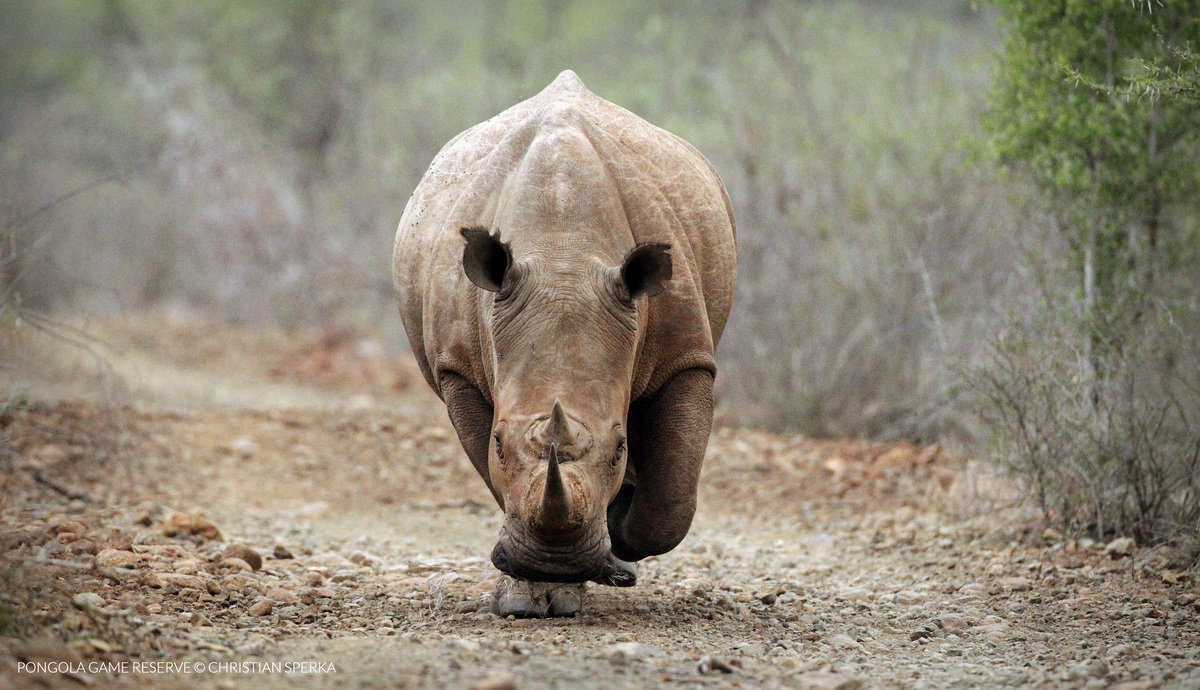
These are three of my favorite images I took during another great stay at Pongola Game Reserve.
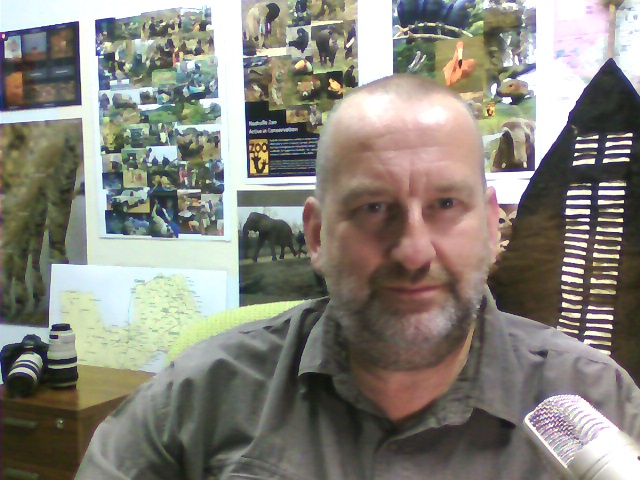
Today I did a live (online) show for photographers at Light Vision Art Q&A. If you would like to hear what I had to say (and see me :-)) go to http://sprc.st/a1nUF. My part in the show starts about 7 minutes into the one hour program. Thanks for all the participation and the questions.
Enjoy the show!
Please share this message with any photographer friends for yours. They might enjoy the program.



I will be on my first Light Vision Art Q&A Show (Social Media Broadcast) on Saturday at 10:00am (CST), which is 18:00/6:00pm South African time.
Just click here if you would like to join the broadcast: http://www.spreecast.com/events/light-vision-art-q-a-christian-sperka
… and nothing like a little bit of drama 🙂 (Watch the video below!)

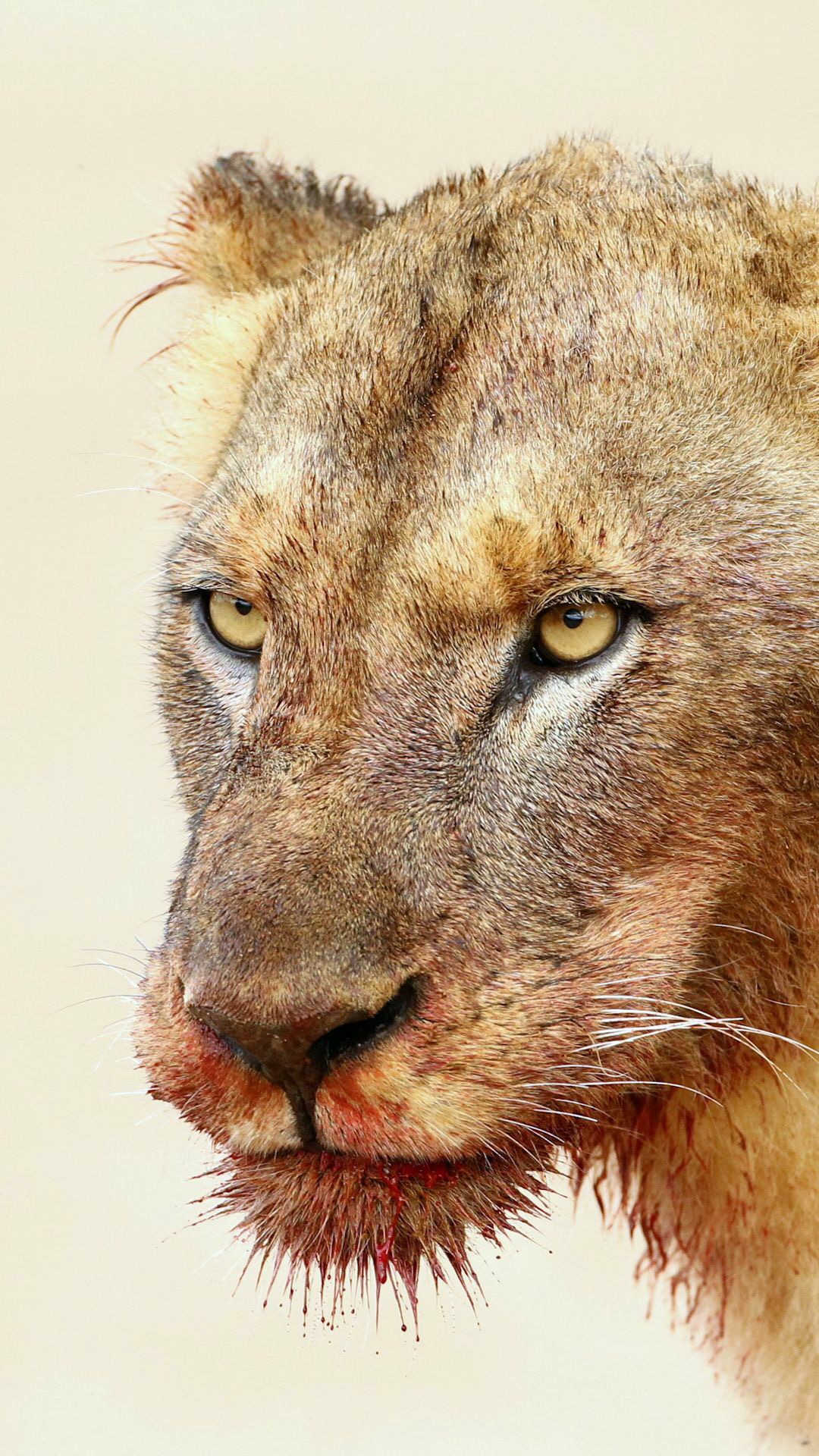
One of my favorite animal portraits – This Lioness just finished her Giraffe dinner (first course!) – The Lions must have killed the Giraffe just minutes before we arrived, judging by the color of the blood.

Wednesday – The Last Leaves
After an excellent lunch with my older brother and my parents in Switzerland I took a few Autumn images on the way to Germany. This tree is loosing its leaves fast as Autumn turns into Winter. And I will be leaving Europe in a few hours. See you next year!


One of my images was published in the New York Times on 27 October 🙂

 PANTHERA – Post on 27 October 2015
‘Pick up your copy of The New York Times today and flip to page A11 to read about a study co-authored by Panthera and published yesterday that unveils new findings on declining lion populations in key regions of Africa.
You can also catch up on the NYTimes article online @ http://nyti.ms/1POYIU4 and read Panthera President Dr. Luke Hunter’s explanation on the far-reaching impact of the catastrophic loss of Africa’s lions: “You start pulling at the threads of these big complicated ecosystems, and they start unraveling.”
Learn what Panthera is doing across Africa to protect one of our planet’s most celebrated species @ http://bit.ly/1N37dZM.
Special thanks to Christian Sperka Photography and Nick Garbutt Wildlife Photography for the generous use of their lion photos in this feature!’


I am working on organizing all the Wildlife images, which I took between 2001 and 2010. This is a major undertaking which will take me many month.
But one of the rewards of this -sometime tedious – work is that I find some good images I have never published before. Here is one of them. Three hunting Lionesses.


Sorry to say, but there will be no further wildlife posts for the next two weeks. I will be back on Thanda on 8 November.
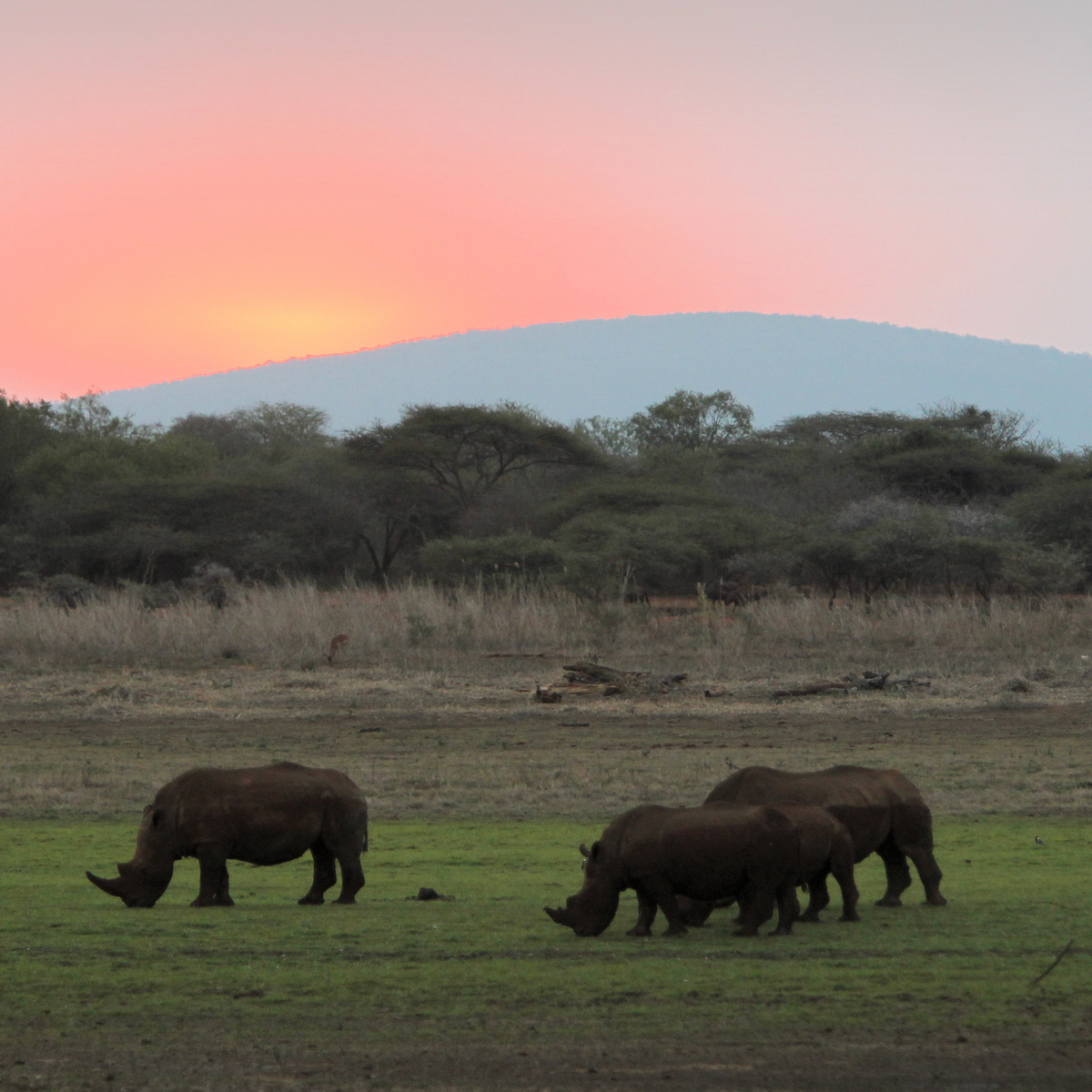

This week I had the opportunity to have a look at Pongola Game Reserve, a beautiful property with seven lodges. I stayed for a night and took a lot of images during two boat cruises on the Pongola River. It was very enjoyable 🙂 I hope to be back soon!
And now I am in Pretoria, getting ready for a trip to Europe. I am looking forward to seeing my family and friends in Germany and Switzerland.
Sorry to say, but there will be no wildlife posts for the next two weeks. I will be back on Thanda on 8 November.
The collage above shows three images I took at Pongola Game Reserve – White Rhinos at sunset, Nkwazi Lake Lodge and a sunset shot, taken during a boat cruise on the river.

I am working on organizing all the Wildlife images, which I took between 2001 and 2010. This is a major undertaking which will take me many month.
But one of the rewards of this -sometime tedious – work is that I find some good images I have never published before. Here is one of them. Three Cheetah cubs watching their mum going off to hunt.
Precious 🙂
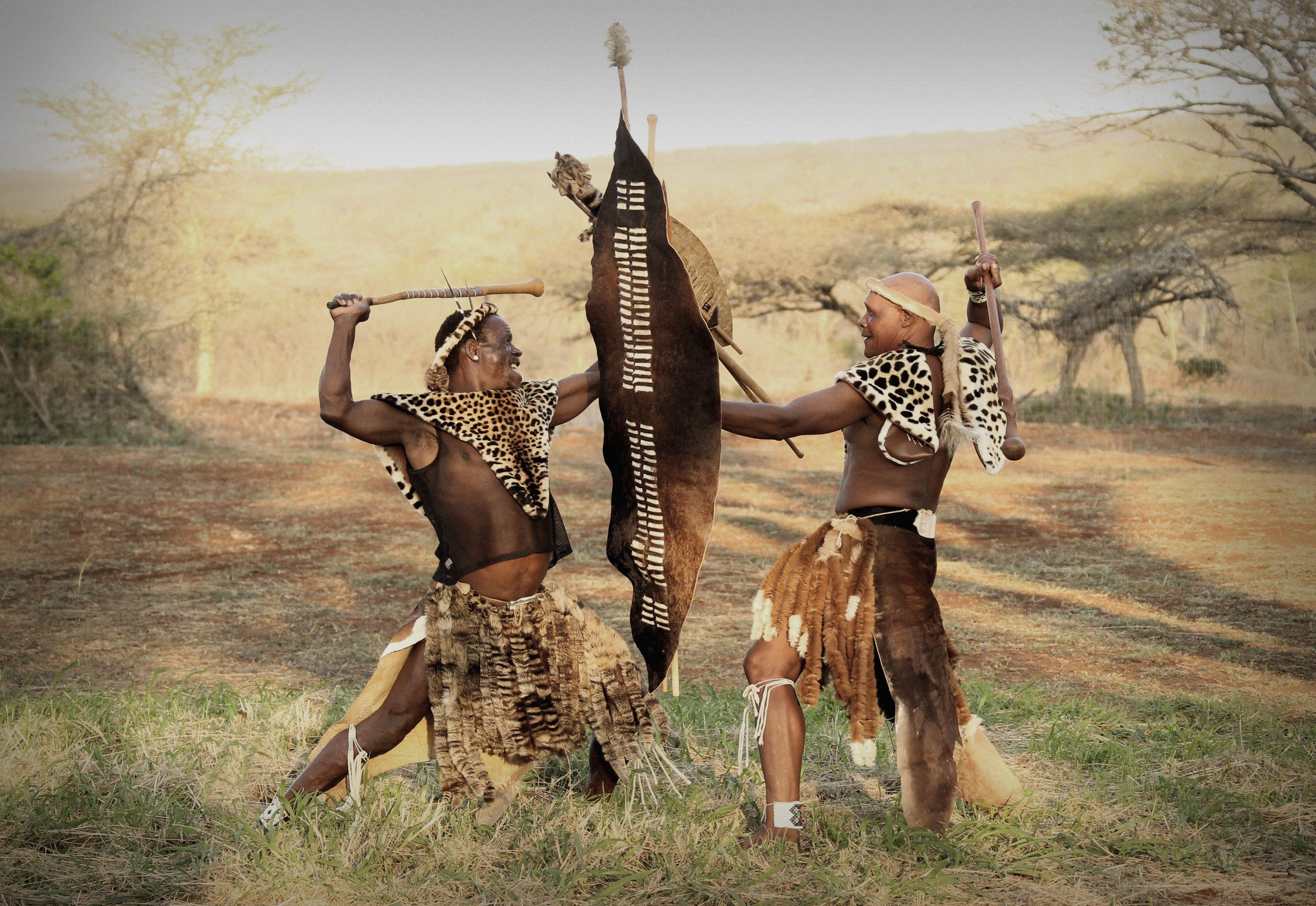
As many other peoples – who have existed for a long time – the Zulu people have a lot of customs and traditions.
I am now living for over three years in Zululand and I have tried to learn about the Zulus as much as possible. Even if I have not improved my Zulu language skills by much (isiZulu is quite difficult to learn and I am a bit on the lazy side when it comes to learning languages) I was able to observe quite a lot. Bheki Ngubane, my Zulu tracker and friend, has taught me much about his people and I was invited on some special days to the local communities.
This is a picture of Bheki (on the right) having a friendly ‘demonstration’ fight with his brother Mbongeni. When the Zulus have an occasion to celebrate – for example at a wedding – the men like to test their strength in such fights. A specially appointed Induna yenzinsizwa (fight leader) makes sure that these confrontations do not get out of hand. In this picture both brothers wear traditional men’s cloths, made from animal skins, mainly from cows and goats. And do not worry; the leopard skins around their necks are artificially made. Nowadays such traditional attire is mostly worn on special occasions and also when going to church services (similar to ‘Kilts in Scotland’ and ‘Lederhosen in Bavaria’).
Behki is a typical example of a Zulu man, living in a rural area. He wears modern cloth, works on Thanda as a tracker, drives a small car, uses cell phone technology to communicate with his family and friends – mostly by texting – and enjoys watching TV at his room at base camp.
But he is also the husband to two wives, has nine children and lives with his family on a large plot of land on Lake St.Lucia. At his home he has no access to electricity or to running water. His first wife and some her older children spend part of their days collecting water for a central point in the community and collecting firewood from the forest. Bheki comes from a very traditional background. His father had eight wives, 40 daughters and 25 sons. As a married man – with more than one wife – Bheki is a much respected man in his local community. It helps that the local Induna yesizwe (equivalent to a major) is his uncle and the Inkhosi (equivalent to a chief or governor) of his community is his nephew :-).
Quite a few of my blog followers have expressed interest in these subjects, so over the next couple month I will write a few more blogs about Zulu customs and traditions, and always with pictures 🙂
Please let me know if you have any questions or interest in specific topics and I will try to cover them. Siyabonga (Thank you in isiZulu).
 Christian Sperka Photography | Custom Luxury Tours