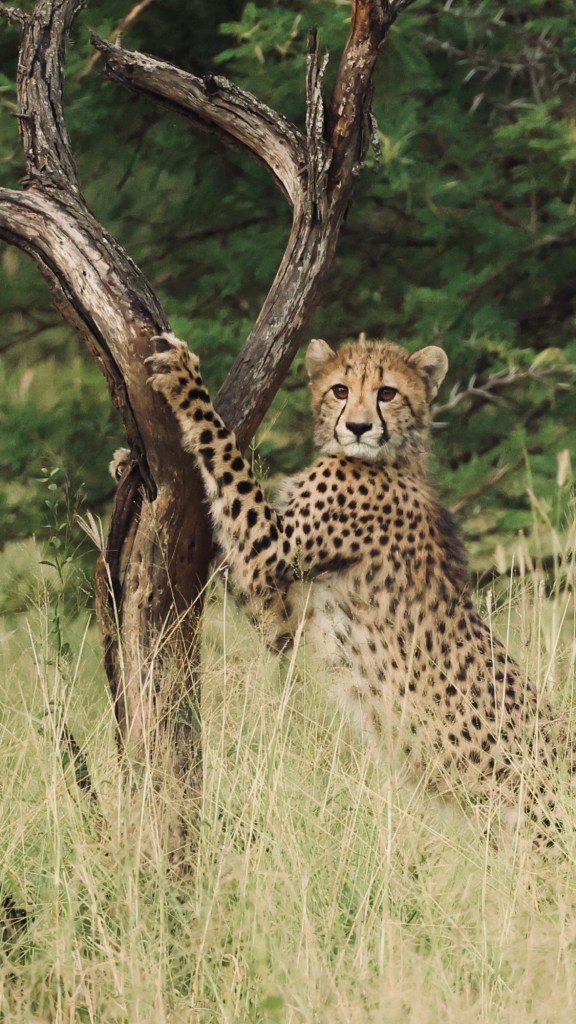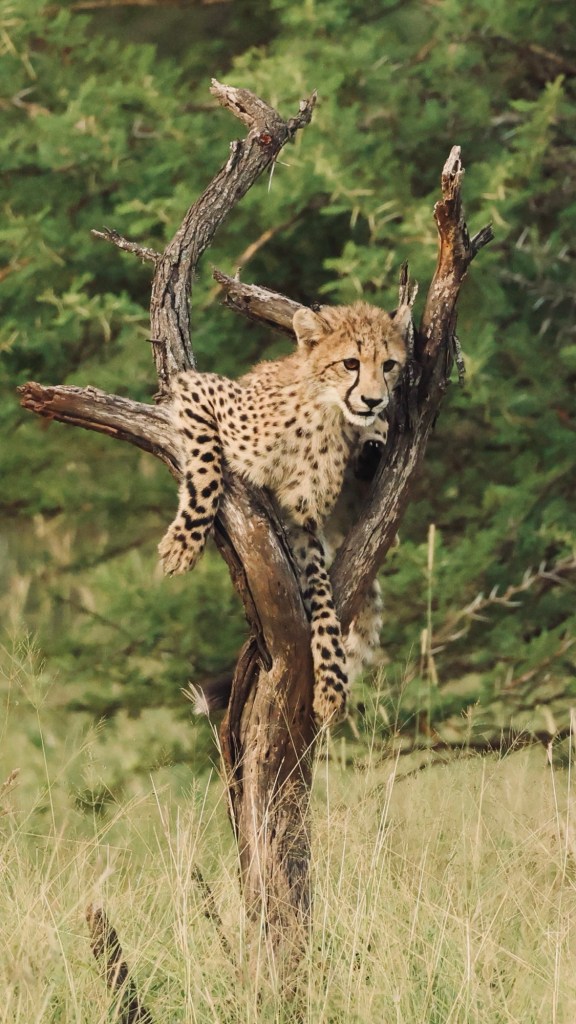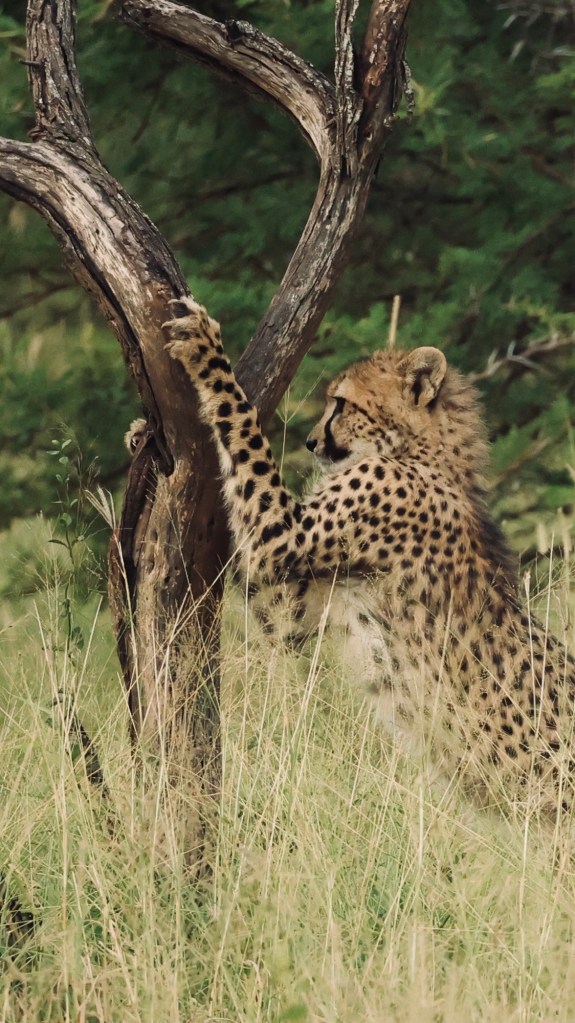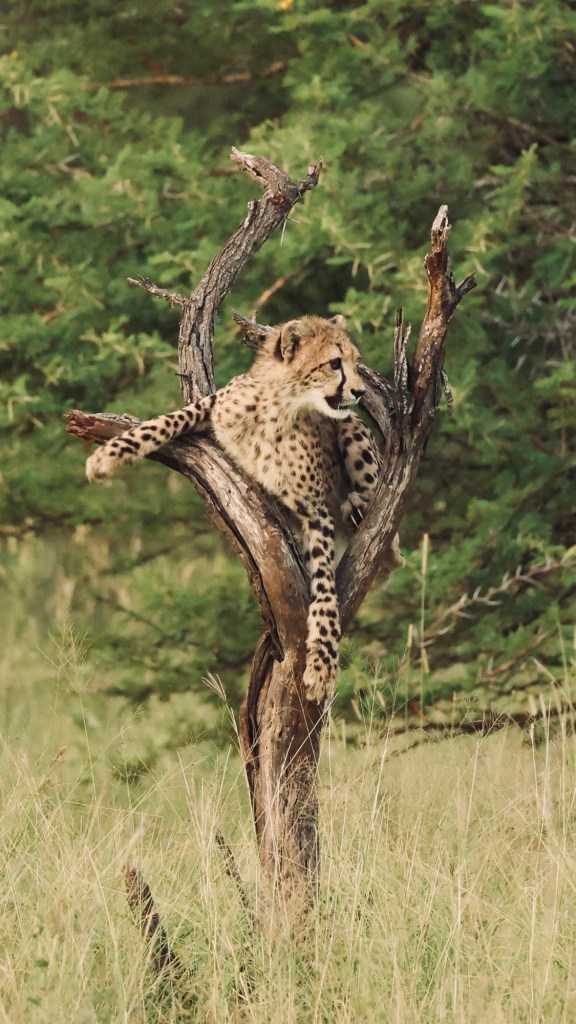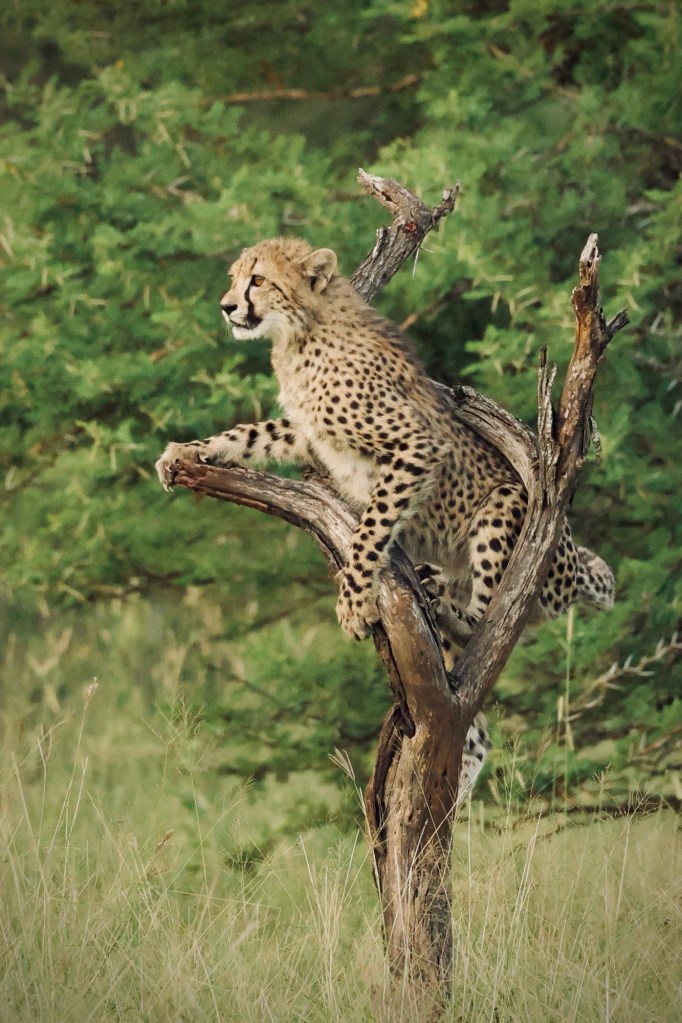
… is what this Cheetah male would have been thinking if he were human.
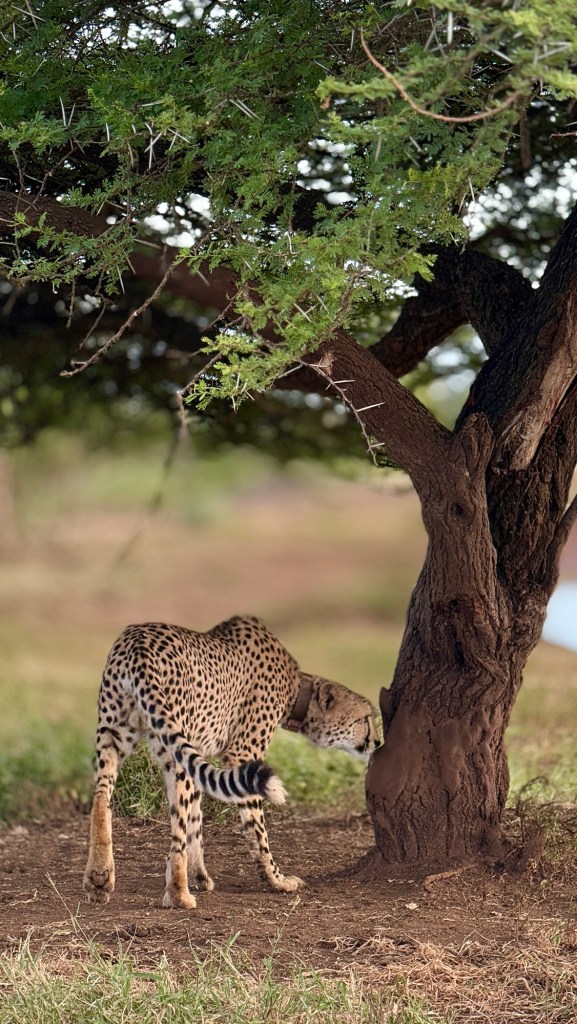
One often sees animals limping and usually assumes a dire injury inflicted by predators during a hunt, broken bones, or a gruesome infection from a wound.
But a lot of times, it is just a thorn, of which there are plenty lying around, which get stuck somewhere in the underside of the feet.
And having no fingers does not help. It can take a long while to get the offending piece out, usually by vigorous tongue-licking, as shown in this picture.
With visible relief, he followed his brother across the savanna after his paw was thorn-free again.
There also a few more images from this sighting below. Have a good week!
Technical data: Canon R6 with EF lens f2.8/70-200mm | ISO 6400 | 1/750sec | f2.8 | ev+0 | 200mm | WB 6500K | AV Mode
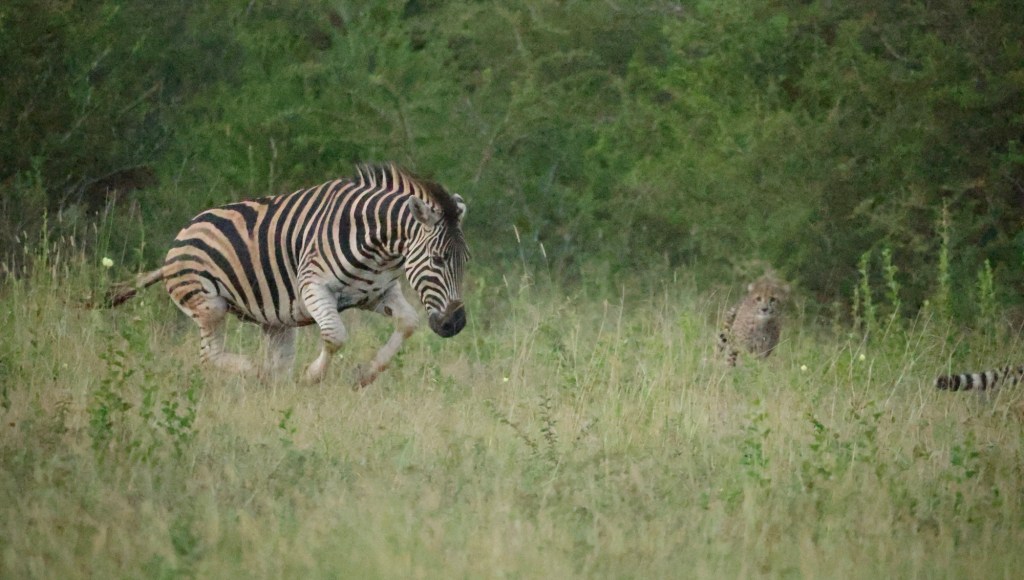
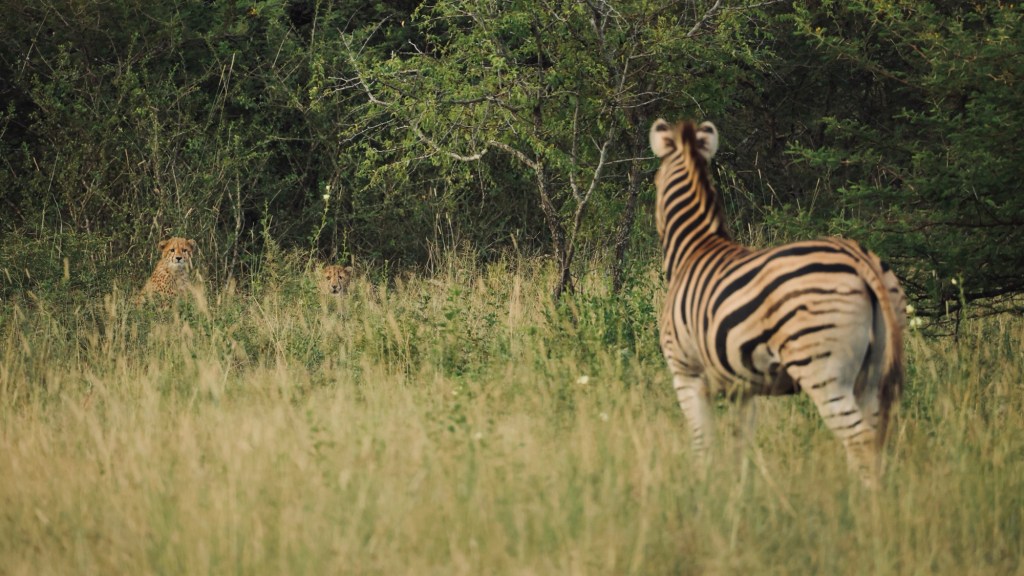
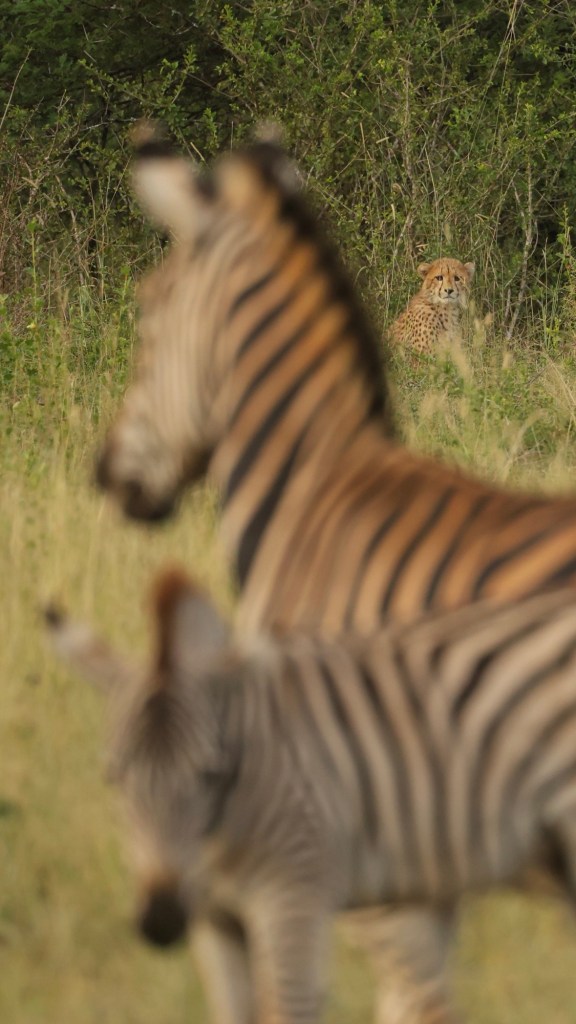
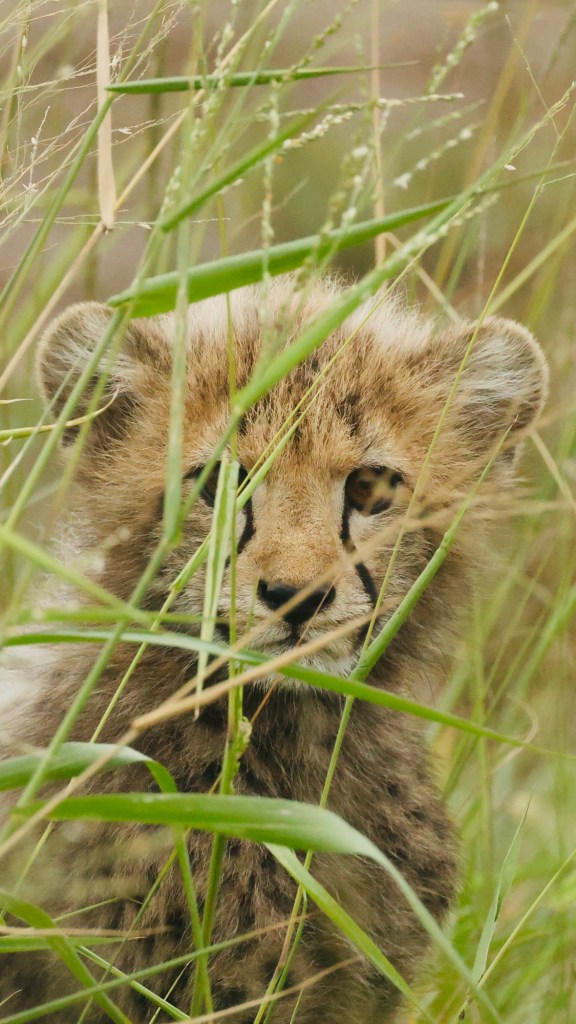
Two days ago, just after sunset, I sat for a while with two little Cheetah cubs as they were waiting for their mum to come back from a hunt.
These small cats instinctively knew not to follow their mother based on her body language but to stay behind and wait for her return.
Camouflaged in bush colors, they blended into their surroundings perfectly, and I had to concentrate not to lose sight of them.
Some people argue that their grey/white/black back fur coloration is a special sort of defense. When viewed from the top, they look very similar to a Honey Badger, one of the most ferocious creatures on earth. A large raptor, like a Martial Eagle, would love a Cheetah cub as prey but would think twice before attacking a Honey Badger. Evolution at work or just a coincidence, who knows!
I left the two little creatures just as their mum returned, and when I started to lose sight of them in the dark.
Have a good Sunday and a great week!
Technical data: Canon R6 with RF lens f11/800mm | ISO 25600 | 1/250sec | ev+0 | WB 6500K | AV Mode | Cropped to 50% of the original image
If you want to read more of my stories and see more of my pictures, you should visit my blog at https://sperka.info/blog/
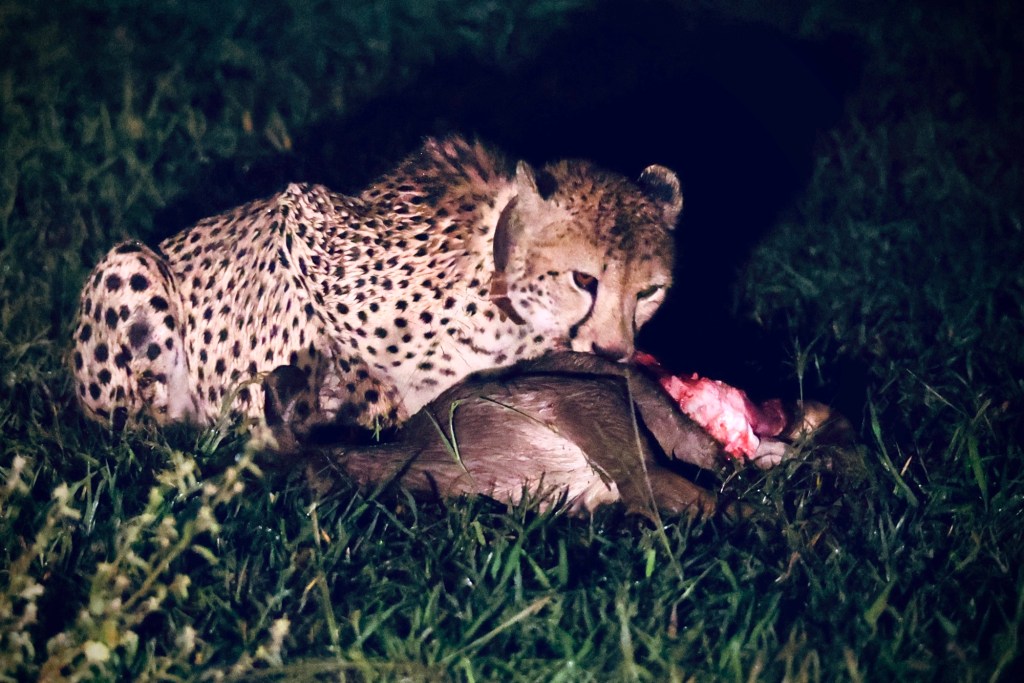
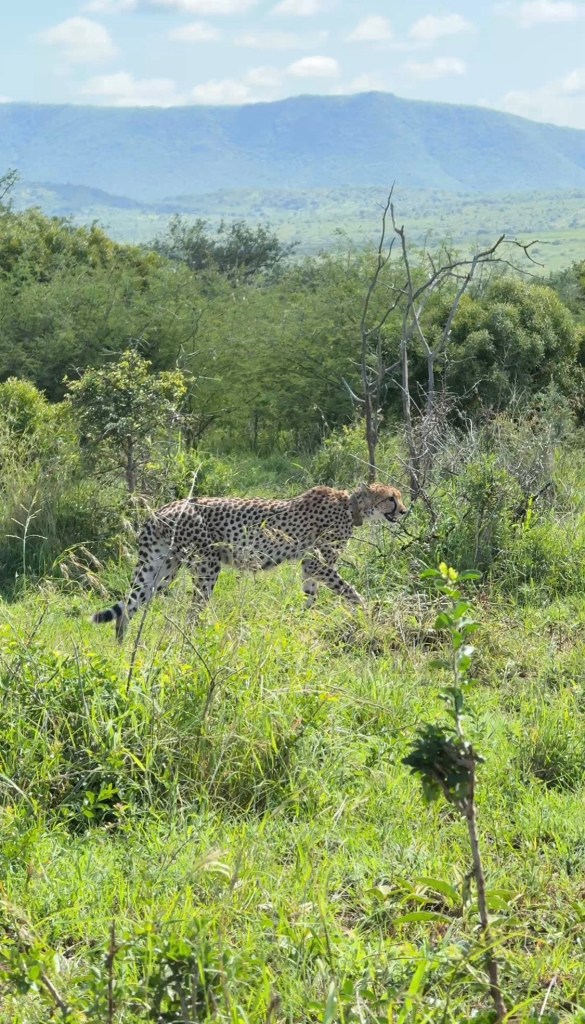
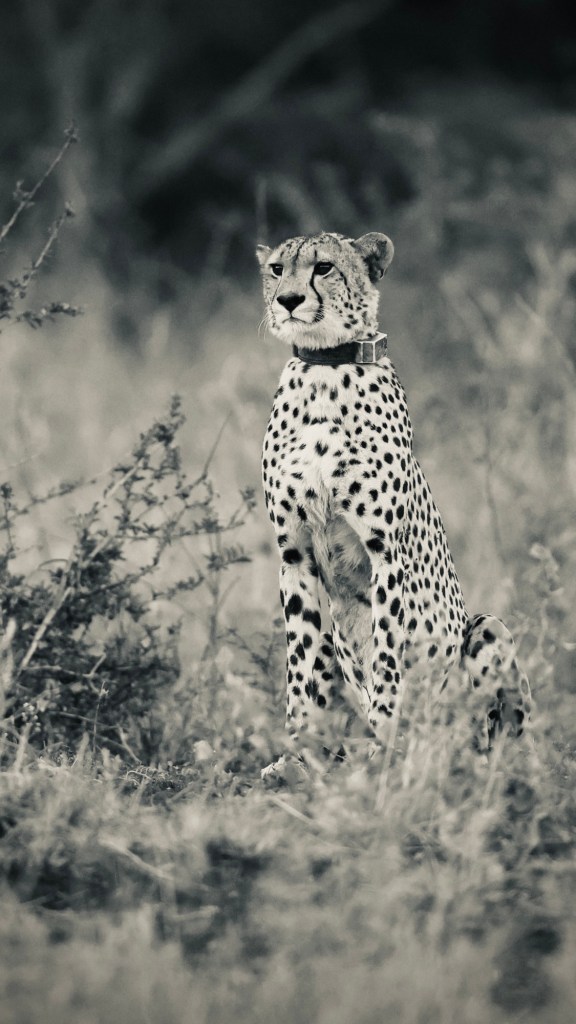
Technical data: Canon R6 with RF lens f11/800mm | ISO 25600 | 1/90sec | ev+0 | WB 6500K | AV Mode | Crop to 50% of original image Technical data: Canon R6 with RF lens f11/800mm | ISO 25600 | 1/125sec | ev+0 | WB 6500K | AV Mode | Crop to 10% of original image Technical data: Canon R6 with RF lens f11/800mm | ISO 8000 | 1/500sec | ev+0 | WB 6500K | AV Mode | Crop to 10% of original image Technical data: Canon R6 with RF lens f4-6.3/24-240mm | ISO 12800 | 1/250sec | f6.3 | ev+0 | 220mm | WB 6500K | AV Mode | Crop to 50% of original image
Nowadays, most scientists acknowledge forty species of wild cats.
Five of these are considered large cats (members of the genus _Panthera_): Lion, Tiger, Jaguar, Leopard, and Snow Leopard.
The two species of Clouded Leopards (found in South-east Asia) are often considered the bridge between large and small cats. However, most of the time, they are acknowledged as large cats.
All other 33 species of wild cats are considered small cats (sub-family _Felinae_). This includes Cheetahs (Genus _Acinonyx_) and Cougars (Genus _Puma_).
Looking just at body size and weight, these two species could certainly be considered large cats, but scientifically they are not.
But one thing is for sure. The only cats built for speed rather than power are Cheetahs.
With their special body design (slim body, long legs, rudder-like tail, and semi-retracted ‘spike-like’ claws) they are the fastest land mammals on earth.
I enjoy the frequent sightings of these day-active cats on Thanda Safari. I took this picture of one of our females a week ago. I love the orange eyes!
Technical data: Canon R6 with EF lens f4.0/500mm | ISO 400 | 1/500sec | f4 | ev+0.5 | 500mm | WB 6500K | AV Mode | Crop to 10% of the original image
Cheetah are the fastest land mammals with up to 120km/h (75mph).
But they can only run fast for about 30sec. After that they have to rest for quite a while to recover. I have seen them sitting for minutes panting next to their kill before they regained the energy to eat.
The Pronghorn (an antelope like mammal from North America) is one of the fastest land mammal species with a top speed of 90km/h (55mph). But unlike Cheetah they can maintain a high speed of 30mph for over twenty miles. Their closest relatives are Giraffes and Okapi, not antelopes.
Technical data: Canon R6 with RF lens f4-6.3/24-240mm | ISO 640 | 1/500sec | f6.3 | ev+0 | 240mm | WB 6500K | AV Mode | Crop to 45% of original image
Only one of the 40 wild cat species is optimized for speed: Cheetahs’ slim bodies make them excellent sprinters.
One fact about these specialized cats has always intrigued me.
Should a Cheetah injure its tail severely, then it would not be able to execute turns at high speed (using its large tail as a counter-balance-weight). As a result it would not be able to hunt successfully and most likely starve to death.
So the Cheetah’s tail is one of its most important assets to survive.
Technical data: Canon R6 with RF lens f11/800mm | ISO 12800 | 1/500sec | ev+0 | WB 6500K | AV Mode | Crop to 35% of original image