The Perfect Parents…

Elephants are amazing parents. In my experience, protecting their young is always their priority.

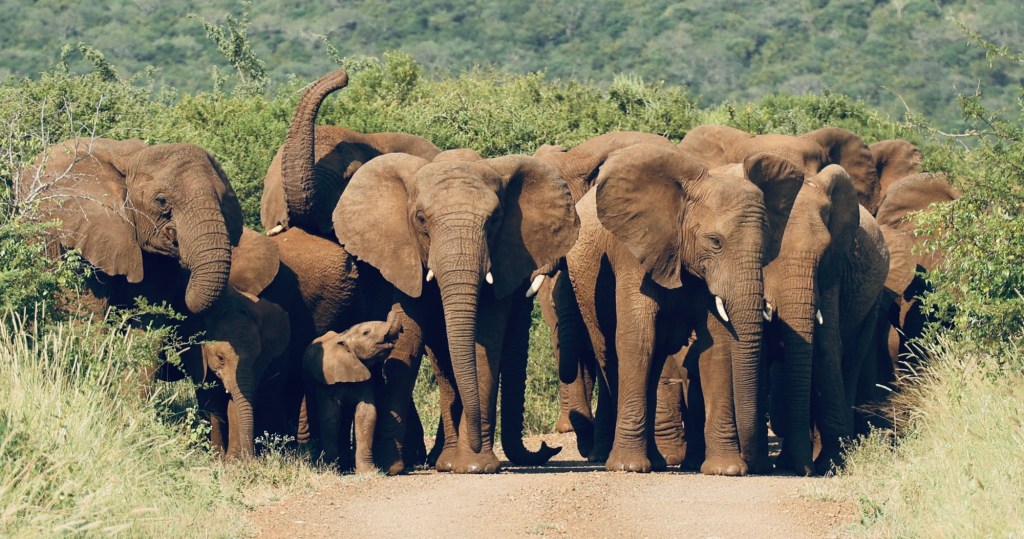
This picture shows one of the moments when this behavior became obvious. A Thanda Safari herd strolled down an open road at a very fast pace, spread out quite a bit. However, the moment they spotted my vehicle in the distance, they immediately bunched up and placed all their youngsters between them for protection.

Just after I took this picture, I moved out of the way. They then continued their tight formation walk until they disappeared into the surrounding trees.

Another fun fact: When Elephants stop to evaluate a situation they often shake their heads rather violently once they appear to have made up their mind what to do next. I have observed this behavior on many occasions.
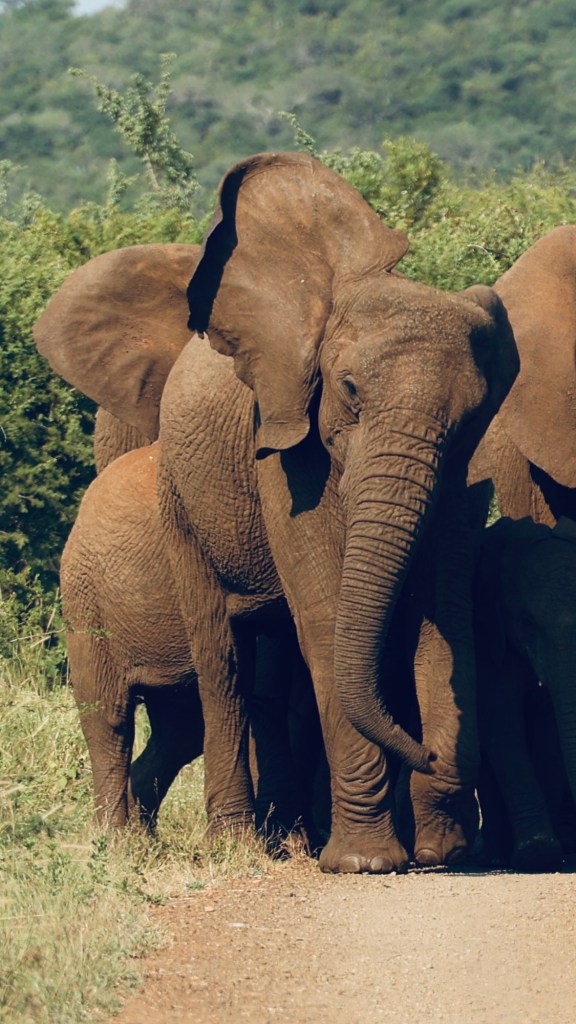
Technical data (First): Canon R6 with RF lens f4-6.3/24-240mm | ISO 200 | 1/750sec | f6.3 | ev+0 | 190mm | WB 6500K | AV Mode | Crop to 20% of original image

Technical data (Second): Canon R6 with RF lens f4-6.3/24-240mm | ISO 160 | 1/500sec | f6.3 | ev-0.50 | 190mm | WB 6500K | AV Mode | Crop to 10% of original image

#amazingwildlife #africansafari #safarigetaway #christiansperkaphotography #thandasafari #big5 #gamereserve #wildlifephotography #learnphotography
Binoculars!

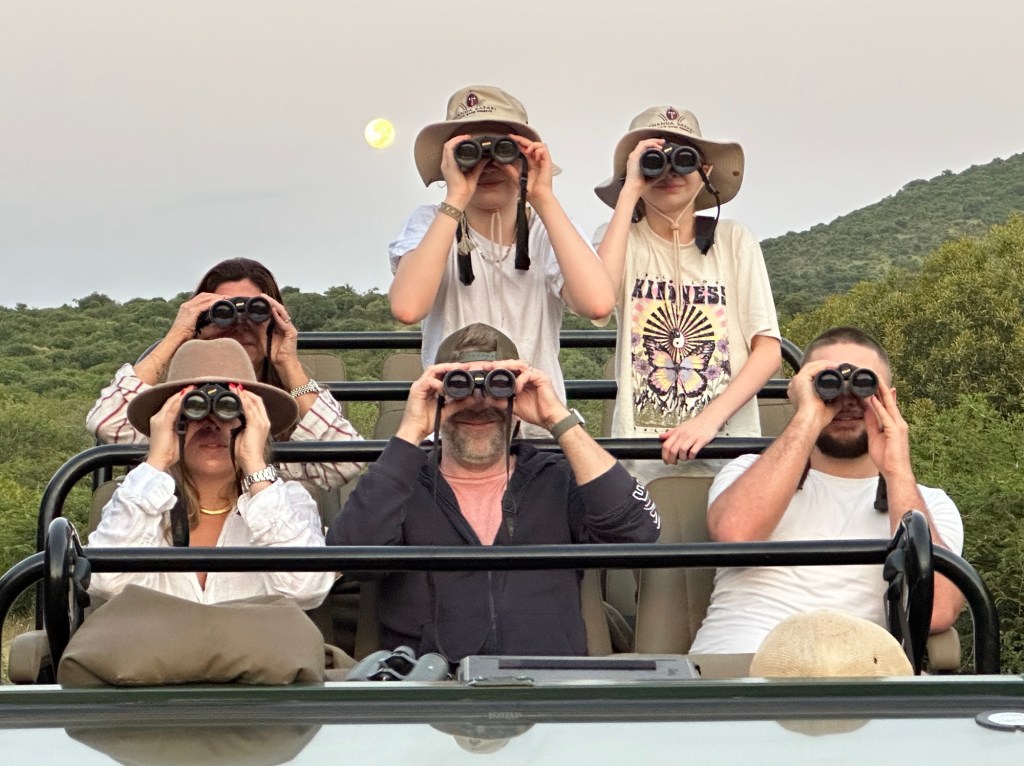
This slide show demonstrates why binoculars are so important on game drives. To enjoy the details shown of many of these subjects, one needs to ‘zoom in’.

In my opinion, binoculars are the most important item to take on safari. And it is key to set them up properly for each person (ocular adjustment).

I recommend not sharing binoculars, but getting a pair for each safari-goer. The reason for this is the same as the reason for not sharing prescription glasses between two people with different eyesight.

If you are interested, here are the instructions to set up your binoculars:

1. Close the right eye and adjust the focus on any object (remember this one) with the center-focus-adjustment-dial.

2. Now, do not touch the center-focus-adjustment-dial.

3. Close your left eye and adjust the focus on the ocular-adjustment-ring (usually located on the right ocular) to the same object as in step 1.

4. Open both eyes and only use the center-focus-adjustment-dial to focus on anything from now on. Both your eyes will show the image in perfect focus!

Ready for a ‘close-up’ safari?

PS: All pictures in this slide show were taken at Thanda Safari in the last seven days!

#amazingwildlife #africansafari #safarigetaway #christiansperkaphotography #thandasafari #big5 #gamereserve #wildlifephotography #learnphotography
High Speed!

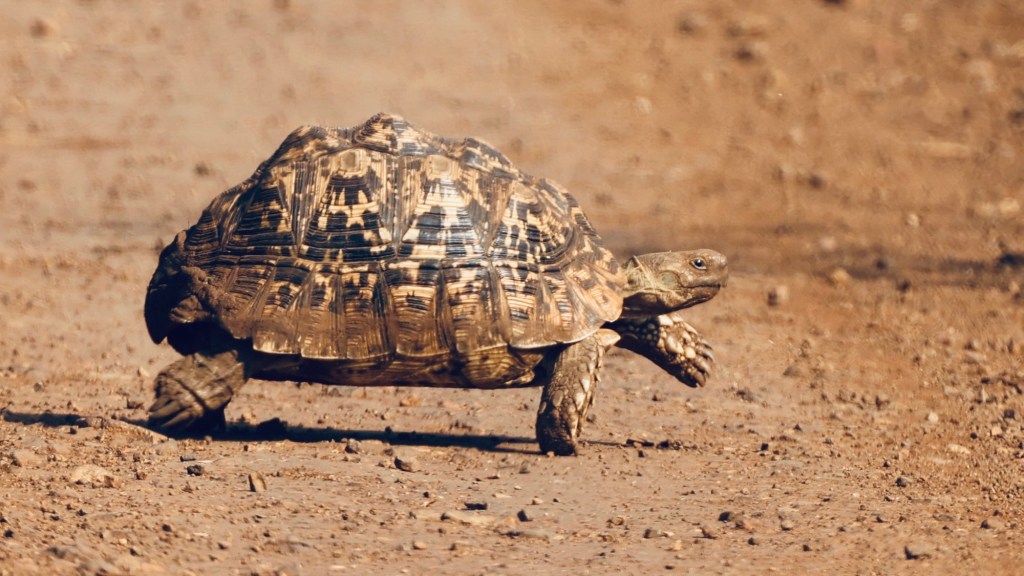
This Leopard Tortoise accelerated to a rather dramatic speed (for a tortoise) when we approached it with our vehicle on one of Thanda Safari’s main roads.

Instead of sitting down and withdrawing into its shell (the common response to approaching danger) this specimen decided to speed up to its maximum velocity.

It was an impressive site and an excellent trait to survive the modern world while crossing a road!

The average speed of a Leopard Tortoise is between 0.2 and 0.5 km/h (0.13 and 0.3 mph). Their maximum speed has been measured at a whopping 1km/h (0.62 mph).

Technical data: Canon R6 with RF lens f11/800mm | ISO 400 | 1/500sec | ev+0 | WB 6500K | AV Mode | Crop to 10% of original image

#amazingwildlife #africansafari #safarigetaway #christiansperkaphotography #thandasafari #big5 #gamereserve #wildlifephotography #learnphotography
The occasional reel!

When I moved from posting wildlife images to posting reels, many of my followers asked me to bring back my picture posts. And I did. I must confess, I really enjoy posting my images accompanied by facts about the ‘models’.

Now, I have also received a few requests to continue posting videos/reels.

So, let’s do both!

Occasionally, I will post short videos/reels when I come across interesting situations to capture.

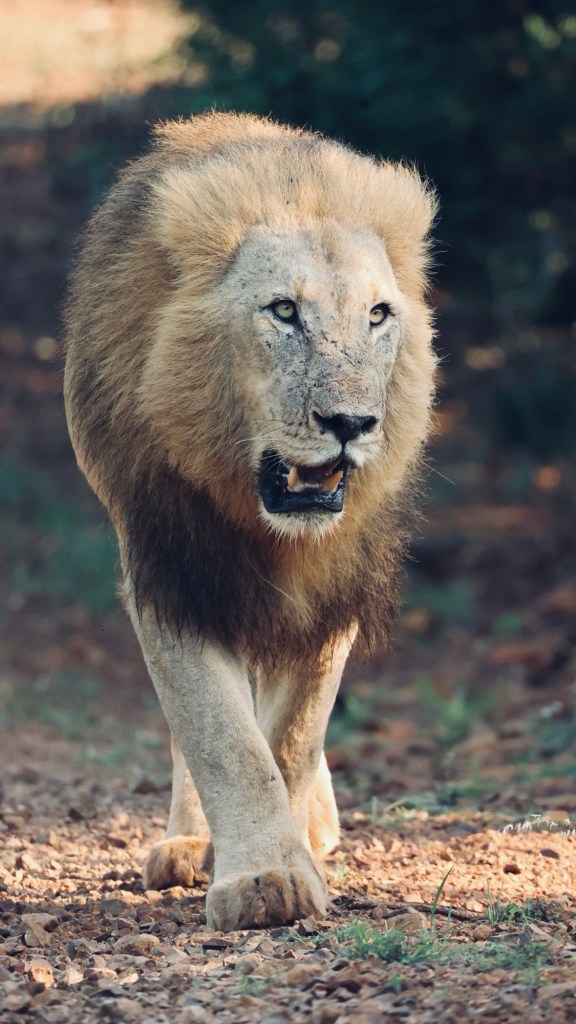
Let’s start today with this morning’s short clip of Thanda’s dominant male lion moving past my vehicle and admiring my camera hand! Switch on the sound!

Technical data video: Apple 14 Pro Max | Main Camera 24mm

Technical data picture: Canon R6 with RF lens f11/800mm | ISO 3200 | 1/500sec | ev+0 | WB 6500K | AV Mode | Crop to 45% of original image

#amazingwildlife #africansafari #safarigetaway #christiansperkaphotography #thandasafari #big5 #gamereserve #wildlifephotography #learnphotography
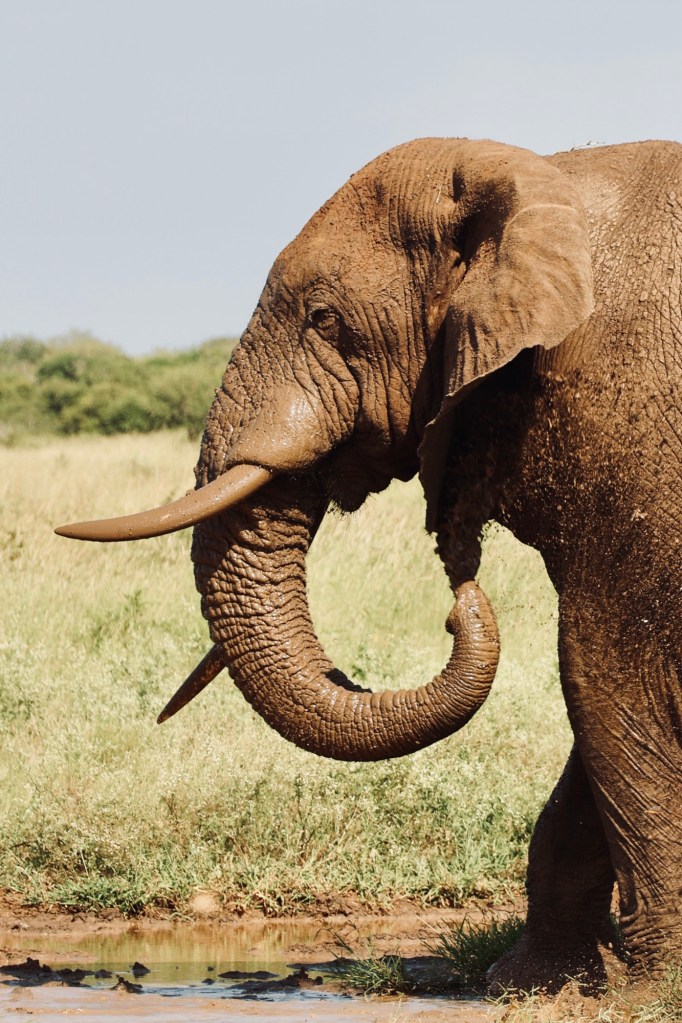
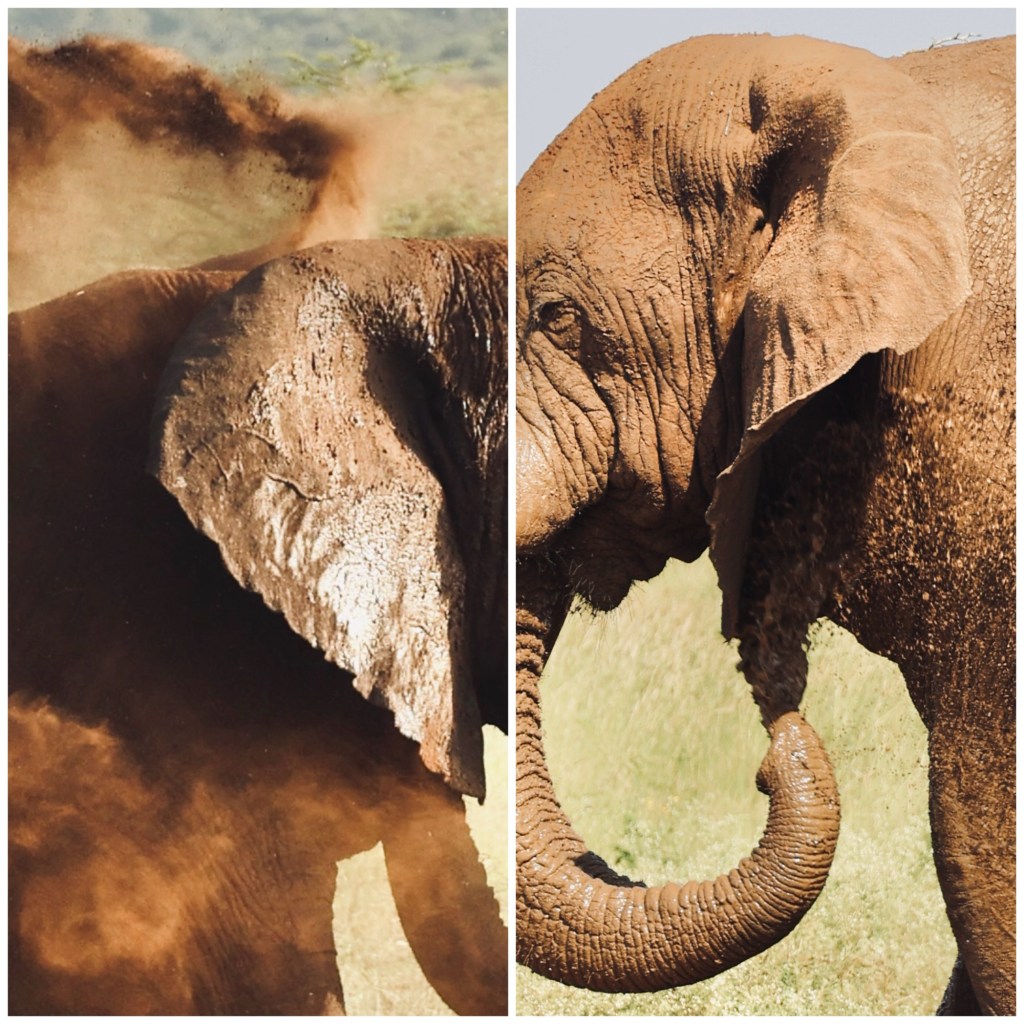
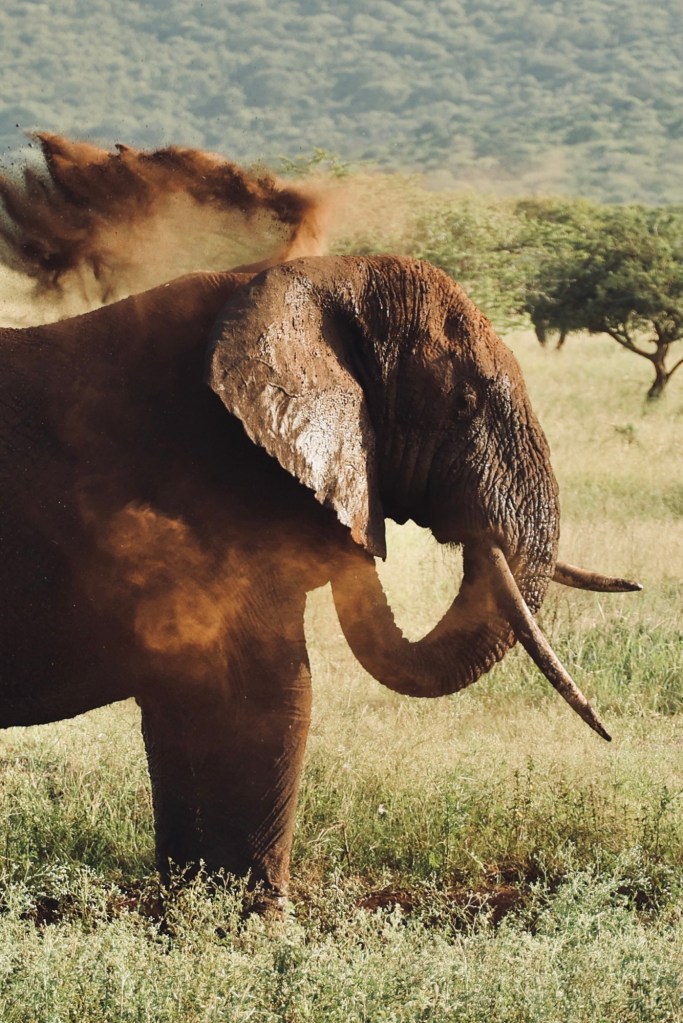
Mud and Sand!

As Elephants cannot sweat they had to come up with other methods to keep cool or cool down.

They pump a lot of blood through large veins in their flapping ears (which represent about 20% of their body surface), they throw wet mud on themselves using their trunks as large mud cannons, on very hot days they spend a lot of time submerged in water, and they try to stay in shady places.

The deep grooves on their skin help them to stay wet for a while after a bath. The evaporating water adds additional cooling.

And after a mud bath they love to add a layer of sand to protect their skin from the sun and parasites.

The bull in this picture had a bath, flapped his ears, mudded himself, and then applied a layer of sand to complete the perfect Elephant spa treatment. He even tried to spray some of the mud at our vehicle, but we stayed well out of his reach.

Technical data (right): Canon R6 with RF lens f4-6.3/24-240mm | ISO 160 | 1/500sec | f6.3 | ev+0 | 160 mm | WB 6500K | AV Mode

Technical data (left): Canon R6 with RF lens f4-6.3/24-240mm | ISO 320 | 1/500sec | f6.3 | ev+0 | 170mm | WB 6500K | AV Mode

#amazingwildlife #africansafari #safarigetaway #christiansperkaphotography #thandasafari #big5 #gamereserve #wildlifephotography #learnphotography
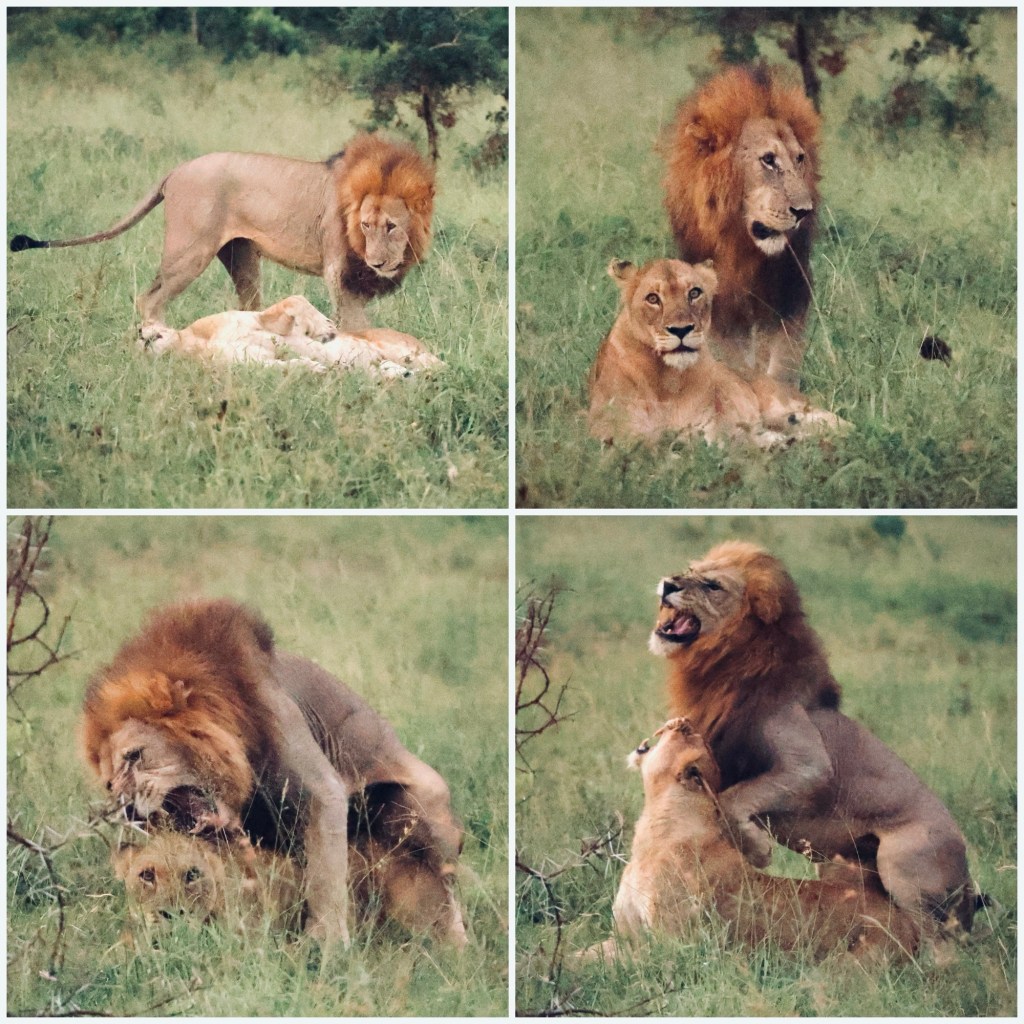
Exhausting!

Mating is a very exhausting business for Lions. Once a female in estrous has found a suitable male they will stay together and mate in intervals of 20 to 30 minutes over 3 to 5 days.

During that period they usually do not eat, and only drink if they get an easy opportunity.

The female sleeps in between the copulations, but the male gets much less rest. He is on constant watch to be ready once the Lioness wakes up for the next session.

After waking up she will usually start walking away from him for a short distance before condoning to his advances. The male will often rub along her side or bite her tail.

At the end of the mating period the intervals between mating will get longer and longer before they part company and go their separate ways. (Note: In my 11 years at Thanda I have observed that the male Lion only spends very limited time with his prides and therefore usually goes his own way after mating).

These pictures, taken in very low light after sunset, documenting such a session.

Technical data pictures: Canon R6 with RF lens f4-6.3/24-240mm | ISO 102400 | WB 6500K | 1/500sec | f 6.3 | Various focal length

#amazingwildlife #africansafari #safarigetaway #christiansperkaphotography #thandasafari #big5 #gamereserve #wildlifephotography #learnphotography
Relax and Learn

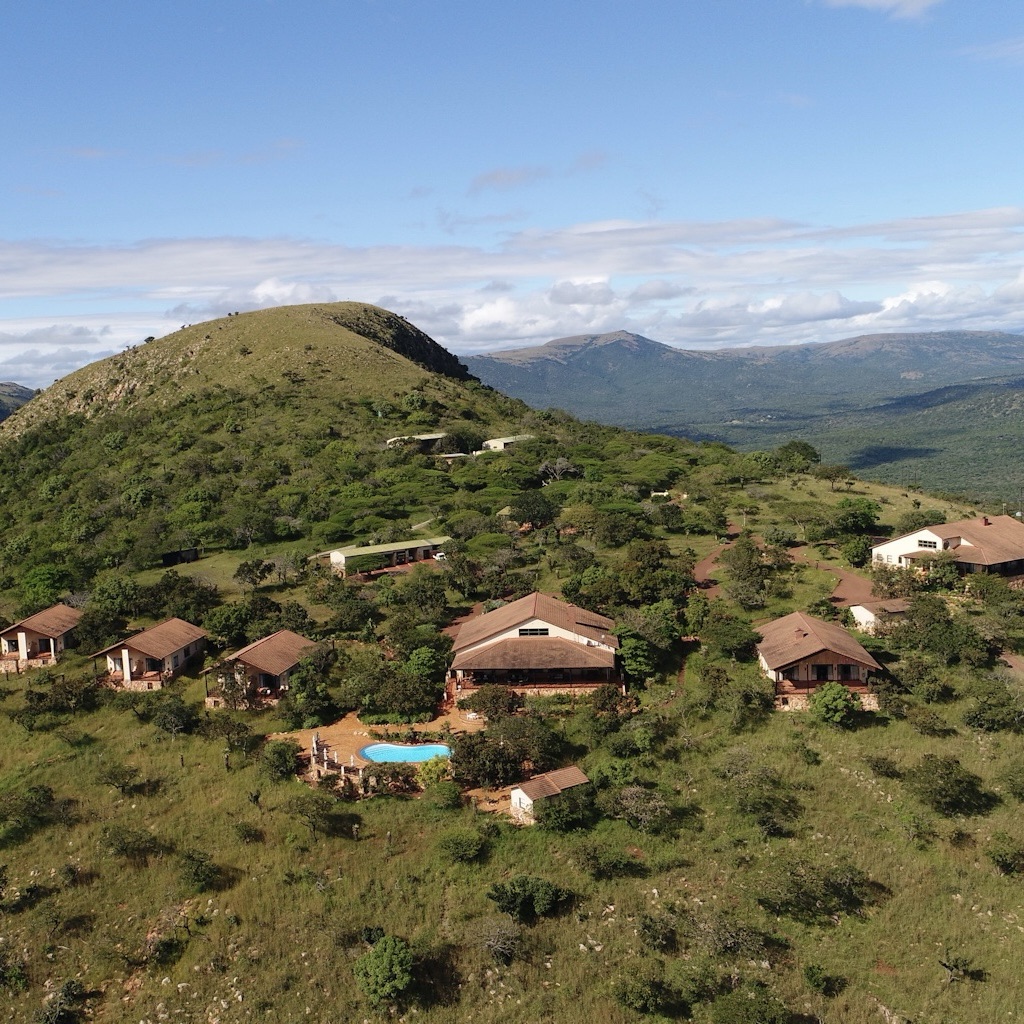
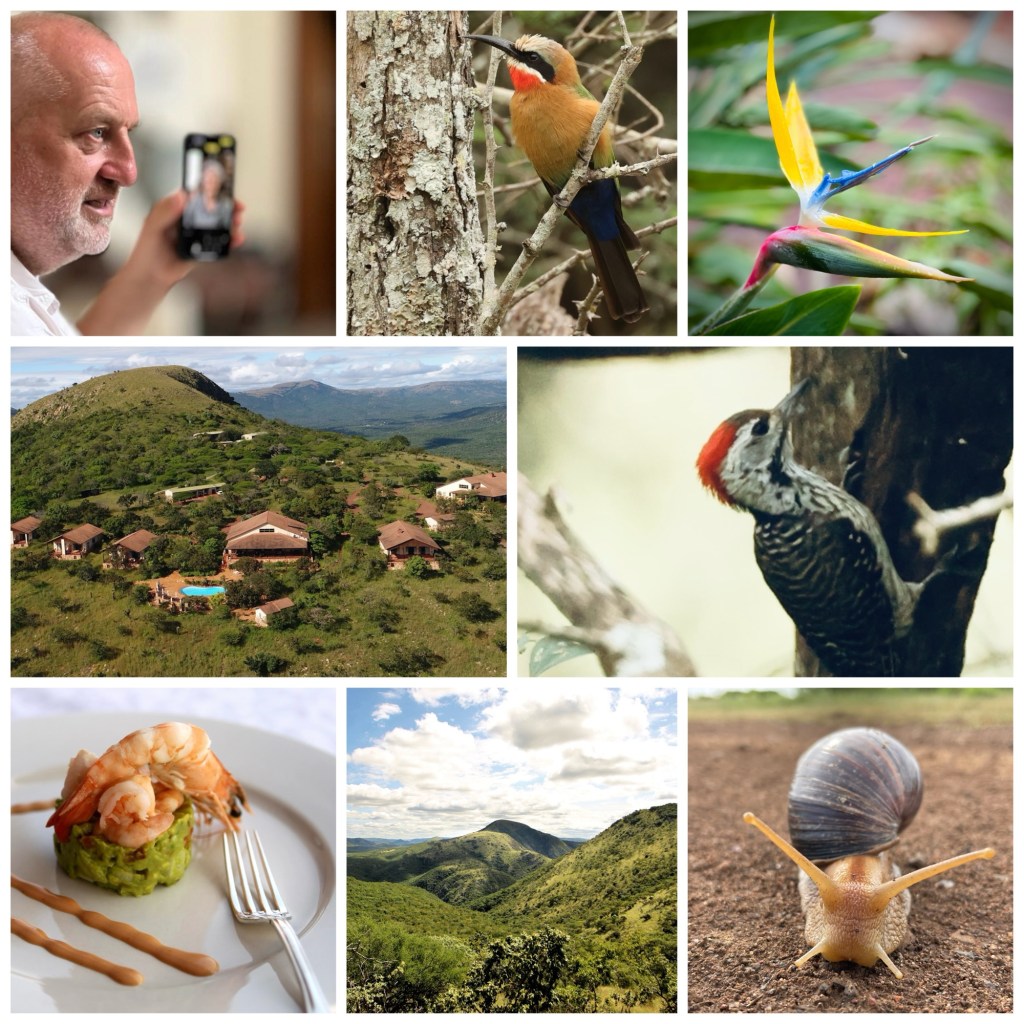
Besides the excellent birding at Pakamisa, all guests enjoyed the superb food and relaxing atmosphere this weekend.

My two smartphone photography and smartphone photo editing lessons were very popular and well received. I enjoyed sharing my knowledge on how to get the best out of phone cameras.

If you would like to participate in such a weekend and learn more about birds and your smartphone in one of the most stunning settings in Northern Zululand, then contact res@pakamisa.co.za. I am participating in another birding and photography weekend from 8 to 11 March 2024, and there are still a few places available.

Pakamisa Lodge
In the Rolling Hills of Zululand
Cardinal Woodpecker
White-fronted Bee-eater
Beautiful Flora
Smartphone photography
Superb Cuisine
Photo lessons with me 😊
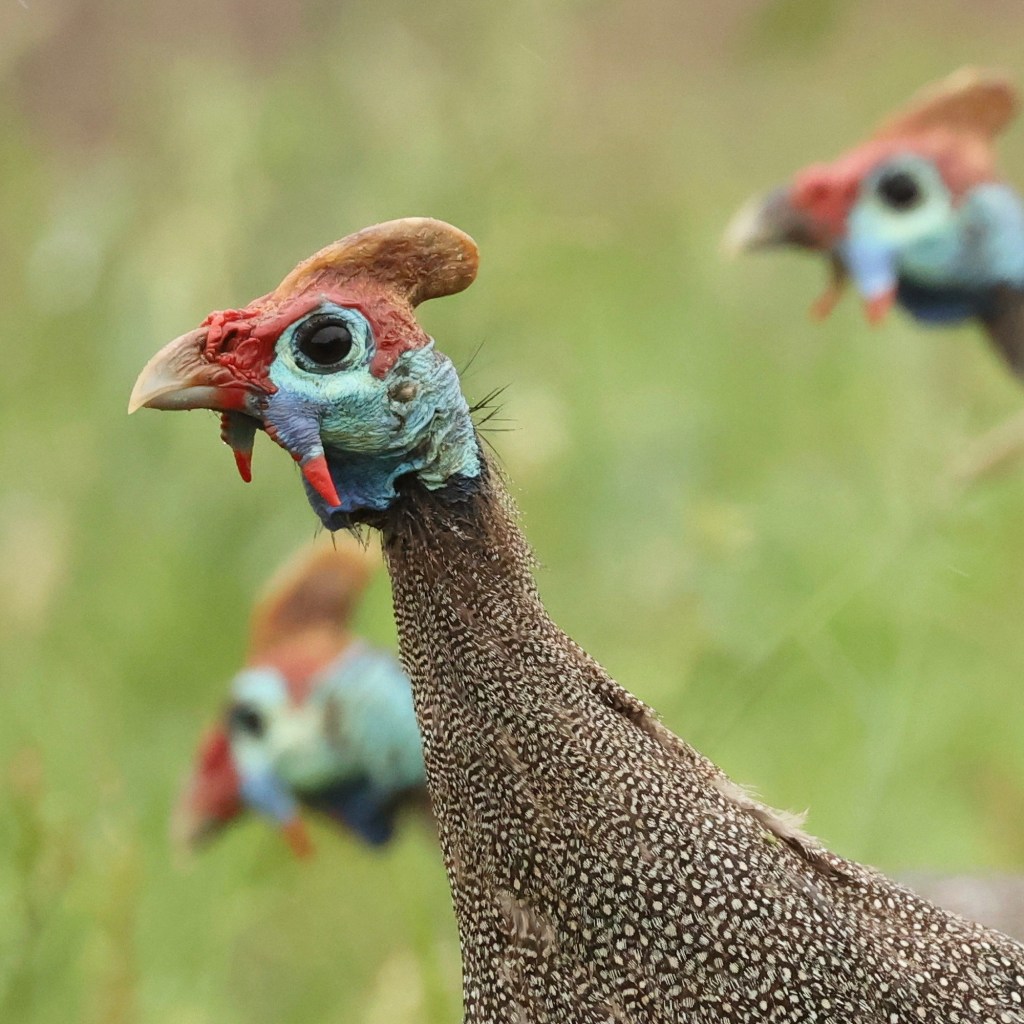
Helmeted Guineafowl
Brown-hooded Kingfisher

#amazingwildlife #africansafari #safarigetaway #christiansperkaphotography #pakamisagamereserve #gamereserve #wildlifephotography #learnphotography

#birdphotography

Slim and speedy!

Only one of the 40 wild cat species is optimized for speed: Cheetahs’ slim bodies make them excellent sprinters.

One fact about these specialized cats has always intrigued me.

Should a Cheetah injure its tail severely, then it would not be able to execute turns at high speed (using its large tail as a counter-balance-weight). As a result it would not be able to hunt successfully and most likely starve to death.

So the Cheetah’s tail is one of its most important assets to survive.

Technical data: Canon R6 with RF lens f11/800mm | ISO 12800 | 1/500sec | ev+0 | WB 6500K | AV Mode | Crop to 35% of original image

#amazingwildlife #africansafari #safarigetaway #christiansperkaphotography #thandasafari #big5 #gamereserve #wildlifephotography #learnphotography

Identifies as …

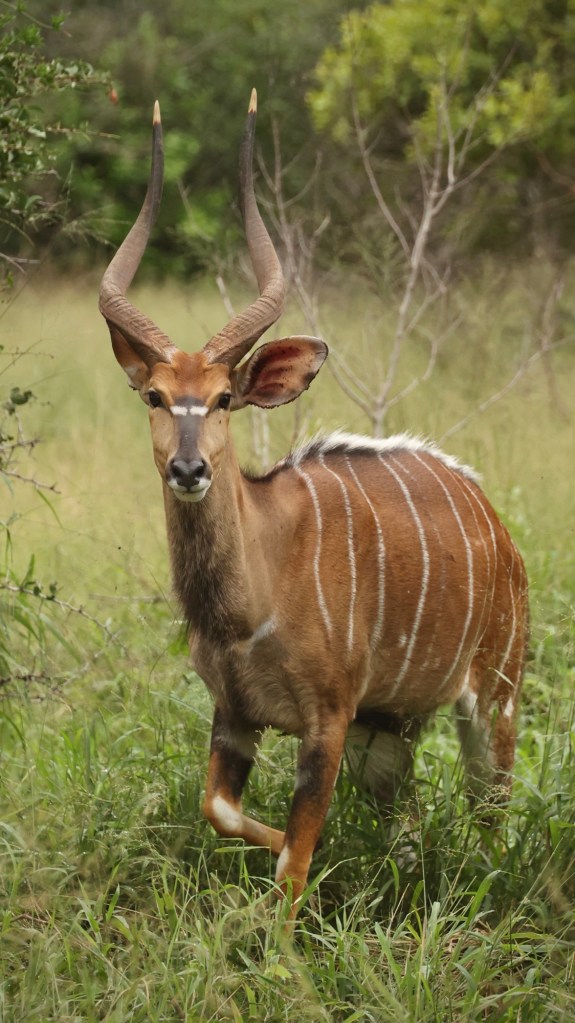
Nyalas are one of my favorite antelopes. As adults they show very significant sexual dimorphism (difference between males and females in a species), quite unusually so for large mammals.

Adult males have large spiraled horns, are dark grey with white stripes, and feature a crest of white hairs along their spine ridge.

Females are red/brown with white stripes, have no horns, and have no specially colored hair on their spines.

Yesterday afternoon I took this picture of a very unusually colored adult male. He had beautiful large horns and a white hairline on his spine, but he was red/brown like a female.

Male Nyala fawns start out in life in female coloration but morph grey as they grow up. This adult male had developed the regular features (horns, white hair line) except for the pelt color.

From his behavior towards other males he certainly identified himself as a male, regardless of his unusual

coloration!

Technical data: Canon R6 with RF lens f4-6.3/24-240mm | ISO 4000 | 1/500sec | f6.7 | ev+0 | 190mm | WB 6500K | AV Mode | Crop to 60% of original image

#amazingwildlife #africansafari #safarigetaway #christiansperkaphotography #thandasafari #big5 #gamereserve #wildlifephotography #learnphotography
Dust Bath!

Off the Giraffe and onto the Giraffe!

Just after the sun had set we encountered a group of Red-billed Oxpeckers which were all over this South African Giraffe, feeding on the many ticks in its skin.

The large mammal was ruminating (re-chewing food from a previous feeding session) and therefore standing very still in the road for a long time. Animals seldom move unless they have a reason to do so. And as the food to chew came straight from one of its own stomach chambers, there was no need to expend energie by moving around.

As we watched the small birds through our binoculars expertly picking up the parasites, they decided to take a dust bath right in the road.

As many other birds they keep their feathers pliable, weather-proof, and ready for flight with an oil secreted from a gland on their body. But this oil can build up, resulting in greasy and matted feathers. During a dust bath dirt particles bind to the excess oil.

After flapping around for a while the Oxpeckers fluffed out their feathers and shook off the excess dust before they returned to their long-necked host with freshly maintained feathers.

Technical data (top): Canon R6 with RF lens f4-6.3/24-240mm | ISO 5000 | 1/750sec | f6.7 | ev+1.5 | 150mm | WB 6500K | AV Mode | Crop to 60% of original image

Technical data (bottom): Canon R6 with RF lens f11/800mm | ISO 20000 | 1/500sec | ev+0 | WB 6500K | AV Mode | Crop to 5% of original image

#amazingwildlife #africansafari #safarigetaway #christiansperkaphotography #thandasafari #big5 #gamereserve #wildlifephotography #learnphotography