Grazers!

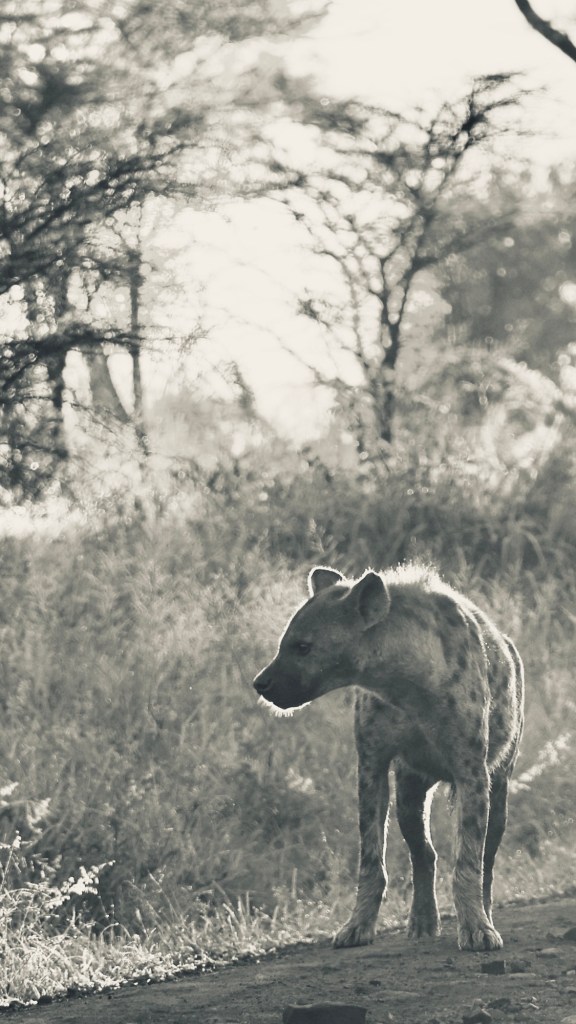
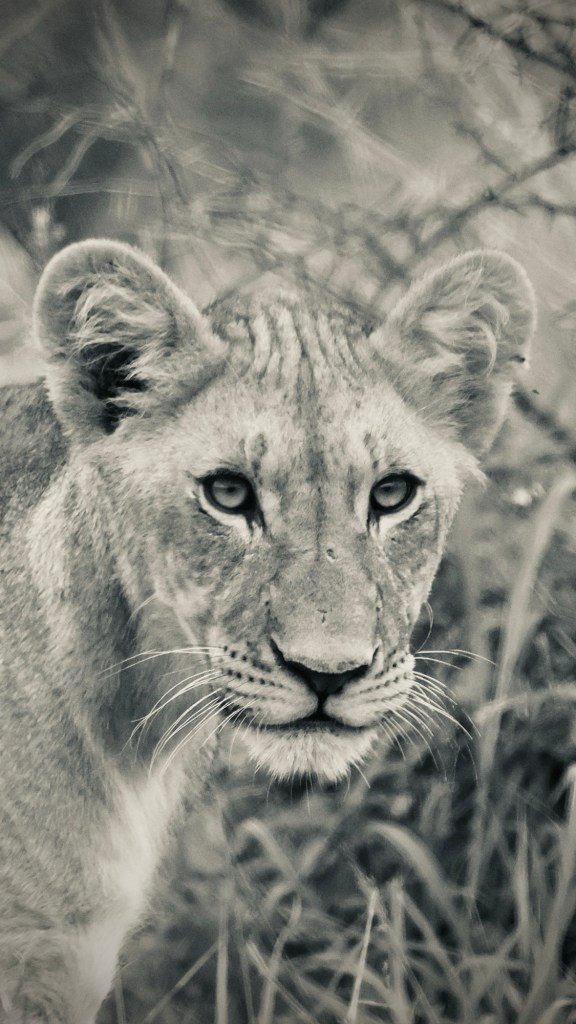
Zebras are predominantly feeding on grass, but occasionally browse on trees. Herbivores (animals, which only consume plants material) are either grazers (mostly eating grass), browsers (mostly eating tree material), and mixed feeders (eating both).

It is interesting to observe the order in which grazers feed in area. Cape Buffalo (considered bulk feeders) will move into an area with tall, fibrous grass. Once they have shortened it, Zebras will move in and cut the grass further. At the end Wildebeest will eat the very short left-overs (fresh shoots).

The Zebra in this image moved through a tree line, Knob-thorn feeding on the grass in between the trees.

Technical data: Canon R6 with EF lens f2.8/70-200mm | ISO 160 | 1/500sec | f2.8 | ev+0 | 200mm | WB 6500K | AV Mode | Crop to 40% of original image

#amazingwildlife #africansafari #safarigetaway #christiansperkaphotography #thandasafari #big5 #gamereserve #wildlifephotography #learnphotography
Babies everywhere!

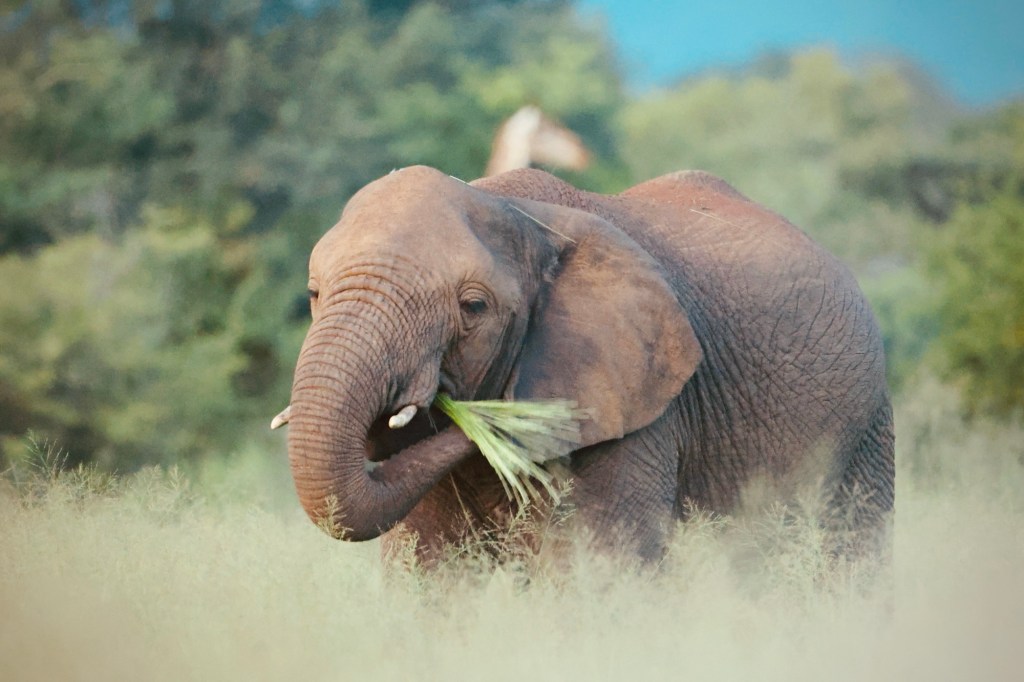
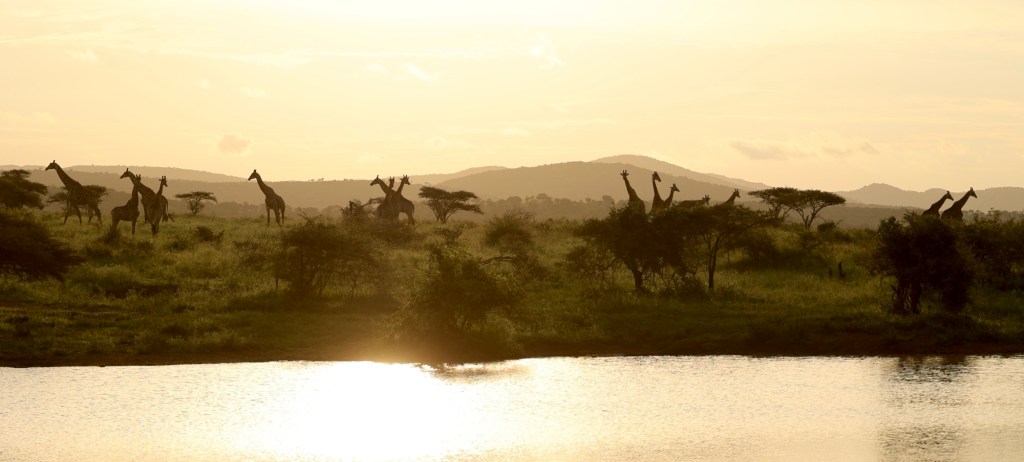
At this time of the year a lot of baby animals are being born. Some of the species have a ‘dropping season’ as they had a ‘breeding season’ months ago, others give birth at any time during the year.

The little Warthogs and the young Impalas are all appearing at this time. The Zebra-, Nyala-, and Giraffe-babies can appear at any time. And the little Wildebeest will be born soon. The small Warthogs and little Impala in these pictures are my first newborn sightings for this season.

Technical data (top left to bottom right):

Canon R6 / EF 4/500mm lens & EF 2.8/70-200mm lens

Nyala – 200mm / 1/750s / f2.8 / ISO200

Zebra – 500mm / 1/500s / f4 / ISO160

Warthog – 500mm / 1/500s / f4 / ISO100

Giraffe – 150mm / 1/500s / f2.8 / ISO1000

Impala – 200mm / 1/750s / f2.8 / ISO100

#amazingwildlife #africansafari #safarigetaway #christiansperkaphotography #thandasafari #big5 #gamereserve #wildlifephotography #learnphotography
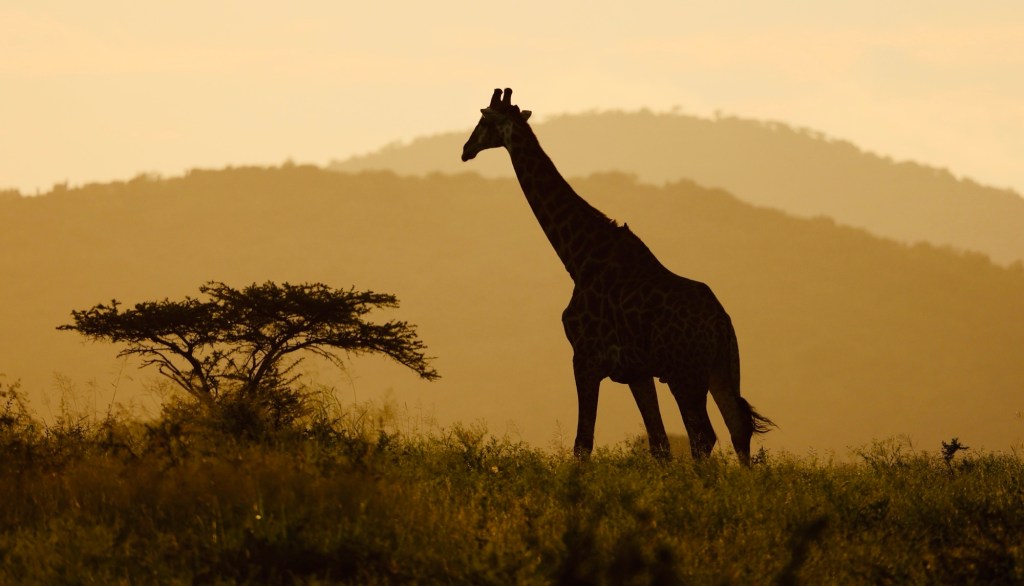
Lookout

Cheetahs like to sit up on termite hills or any raised point in a landscape to be able to scan for possible prey and – even more important – for possible threats. This Thanda Safari female was staying on a dam wall to have a good look around.

Cheetahs are the only cats built for speed and not for power. Which results in them being the fastest land mammal on earth. They can reach speeds up to 120km/hour (75 mph) for very short periods.

But unfortunately all other major predators will kill them if they get a chance (Lions, Hyenas, Wild Dogs, Leopards). So being alert and fast is essential for their survival. PS: The radio collars on our Cheetahs allows the Endangered Species Monitors to keep an eye on the Thanda Cheetah population.

Technical data: Canon R6 with RF lens f4-6.3/24-240mm | ISO 1600 | 1/500sec | f6.3 | ev+0 | 240mm | WB 6500K | AV Mode | Crop to 15% of original image

#amazingwildlife #africansafari #safarigetaway #christiansperkaphotography #thandasafari #big5 #gamereserve #wildlifephotography #learnphotography

Focus Shift!

In 2023 the focus of Rhino poachers in South Africa has shifted from Kruger National Park to KwaZulu Natal. To date over 60% of all illegally hunted Rhinos were killed in our province.

This year Thanda Safari has started a new project using AI technology to help protecting these incredible creatures. Solar-powered foot collars collect valuable information about the Rhinos movement/behavior and transmit the data via numerous communication masts to a central database. Sophisticated AI software uses the collected data to prepare valuable information for the Thanda Wildlife Management and Reserve Security Teams.

It is estimated that less than 28,000 Rhinos are still alive on Earth with just ~20,800 of these located in Africa (White Rhinos ~16,800, Black Rhinos ~4,000).

Feel free to contact me in case you have any questions and/or if you would like to help the Rhino-protection-efforts with a donation.

Technical data: Canon R6 with RF lens f4-6.3/24-240mm | ISO 640 | 1/500sec | f6.7 | ev+0 | 150mm | WB 6500K | AV Mode | Crop to 40% of original image

#amazingwildlife #africansafari #safarigetaway #christiansperkaphotography #thandasafari #big5 #gamereserve #wildlifephotography #learnphotography

Not fussy!

Lions are not very squeamish when it comes to their food. Even days old carcasses will not deter them from filling their stomachs. Their average meat intake per day is between 5kg (11lbs) and 7kg (15.5lbs). But as they usually only eat every few days, they will consume much more in one go. A large male can ingest over 40kg (88lbs) in one sitting.

Last Sunday this young male ‘took over’ a Cape Buffalo carcass which was attacked and killed by the pride at the edge of a waterhole and died in the water. It was rather comical to observe this huge cat avoiding the water as he was trying to get to the meat (like most cats, Lions do not like water very much).

At the end he and all the other members of his pride (nine Lions) had to step into the water to get to the meat inside the body of the Buffalo. His ‘island approach’ did not work!

Technical data: Canon R6 with RF lens f4-6.3/24-240mm | ISO 3200 | 1/500sec | f6.3 | ev+/-0 | 140mm | WB 6500K | AV Mode | Crop to 50% of original image

#amazingwildlife #africansafari #safarigetaway #christiansperkaphotography #thandasafari #big5 #gamereserve #wildlifephotography #learnphotography
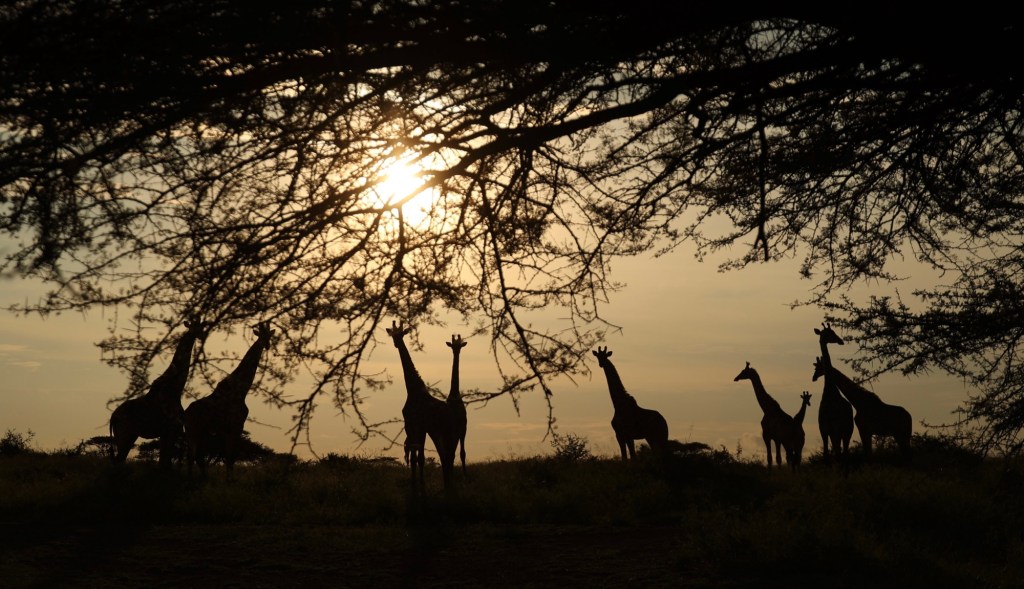
Ugly, but important!

Vultures are considered ugly creatures by many, but they are very important, cleaning up after the carnivores. Yesterday we had dozens of White-backed Vultures on Thanda Safari feasting on the remains of a Zebra carcass. Their excellent eye-sight and a very keen sense of smell helps them to detect dead animals from far away.

Vultures are one of the ‘Ugly Five’ beside Warthogs, Wildebeests, Hyenas, and Marabou Storks.

Technical data: Canon R6 with RF lens f4-6.3/24-240mm | ISO 6400 | 1/2000sec | f6.3 | ev+0 | 240mm | WB 6500K | AV Mode | Crop to 10% of original image

#amazingwildlife #africansafari #safarigetaway #christiansperkaphotography #thandasafari #big5 #gamereserve #wildlifephotography #learnphotography

Parade!

I love this picture, taken last Sunday. A herd of Elephants had just finished drinking at the small pond in front of the Thanda Safari Lodge when they paraded in single file up the hillside. It was a cloudy and rainy day, which gives this image a rather eerie quality.

Elephants drink a lot of water. A large bull can take in over 200 liters (50 gallons) in just five minutes. They use their trunk like a syringe to squirt water into their mouth. The trunk is an elongated nose and not a straw-like device. And as you know one cannot drink through ones nose!

Technical data: Canon R6 with RF lens f4-6.3/24-240mm | ISO 1600 | 1/125sec | f6.3 | ev+0 | 240mm | WB 6500K | AV Mode | Crop to 50% of original image

#amazingwildlife #africansafari #safarigetaway #christiansperkaphotography #thandasafari #big5 #gamereserve #wildlifephotography #learnphotography

Eye-level!

Taking pictures on eye-level is one of the most important components of many good (wildlife) photos. And even after over 20 years of taking Lion pictures, facing a large cat in that fashion is still very exciting.

Last night Thanda Safari’s dominant male appeared at the right place and at the right time for me to get this shot. He was patrolling his territory, stopping occasionally to roar and assert his position.

Technical data: Canon R6 with RF lens f4-6.3/24-240mm | ISO 1000 | 1/500sec | f6.3 | ev+0 | 240mm | WB 6500K | AV Mode | Crop to 25% of original image

#amazingwildlife #africansafari #safarigetaway #christiansperkaphotography #thandasafari #big5 #gamereserve #wildlifephotography #learnphotography

Musth…

… is a surge in testosterone (and therefore heightened sexual drive) in Elephant bulls which can cause rather unpredictable behavior. During this annual period the males continuously dribble urine to get rid of the extra testosterone and their glands behind the eyes are constantly secreting fluids.

It is a good idea to stay clear of animals in that state – especially middle-aged ones – as they can be quite aggressive. But old musth bulls like this ‘six ton plus’ creature have experienced musth so often in their life, that they usually stay quite calm. Elephant ladies like big and old guys and this bull is therefore not concerned about getting frustrated with the opposite sex.

He passed our vehicle without any fuss, following a breeding herd.

Technical data: Canon R6 with EF lens f2.8/70-200mm | ISO 160 | 1/1/500sec | f2.8 | ev+0 | 150mm | WB 6500K | AV Mode | Crop to 75% of original image

#amazingwildlife #africansafari #safarigetaway #christiansperkaphotography #thandasafari #big5 #gamereserve #wildlifephotography #learnphotography
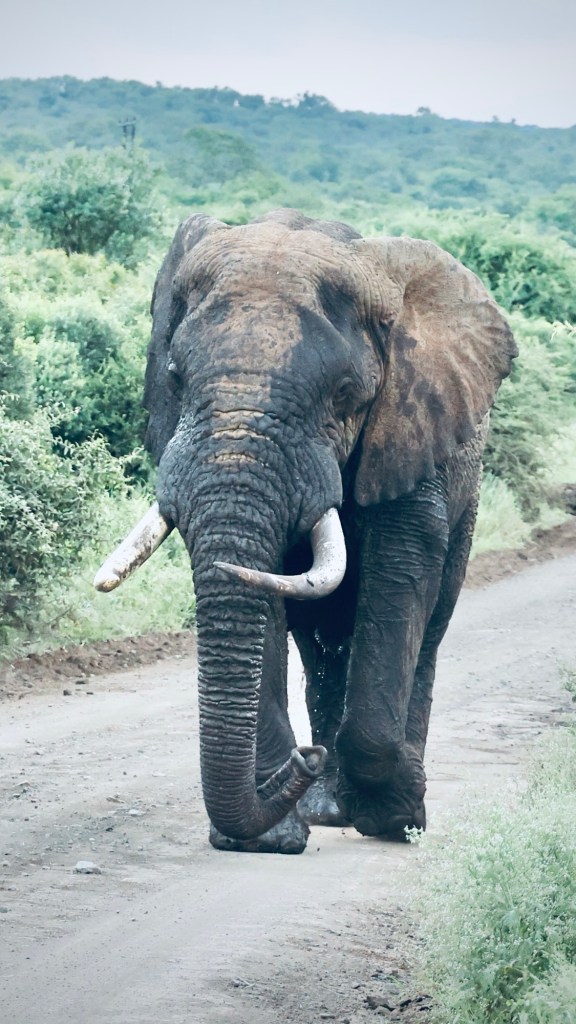
Native and Invasive!

The African Giant Land Snail (Lissachantina fulica) is native to East Africa, but is an invasive species in many parts of the world, where it has been introduced by humans either as a possible food source, for the pet trade, or just by accident. In these areas it is considered a pest of agriculture and households.

African Giant Land Snails often carry parasitic worms (Angiostrongylus cantinensis), which can cause a very serious form of meningitis.

They are hermaphrodites, which means they have both male and female reproductive organs. But they need a partner to reproduce by cross fertilisation.

Technical data: Apple iPhone 14 Pro Max | Ultra Wide Camera | 13mm | f2.2 | 24mm | 1/100s | ISO250

#amazingwildlife #africansafari #safarigetaway #christiansperkaphotography #thandasafari #big5 #gamereserve #wildlifephotography #learnphotography