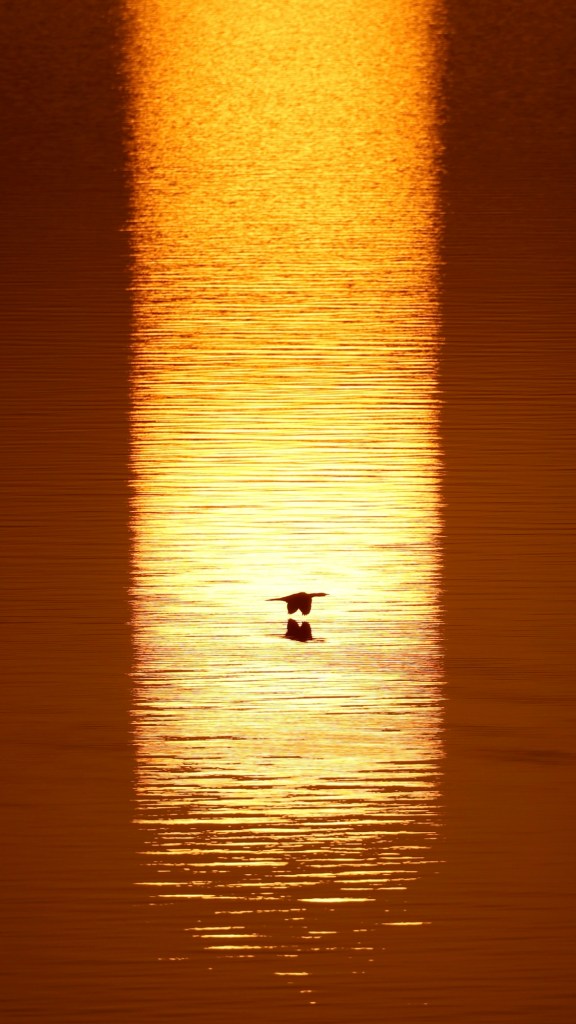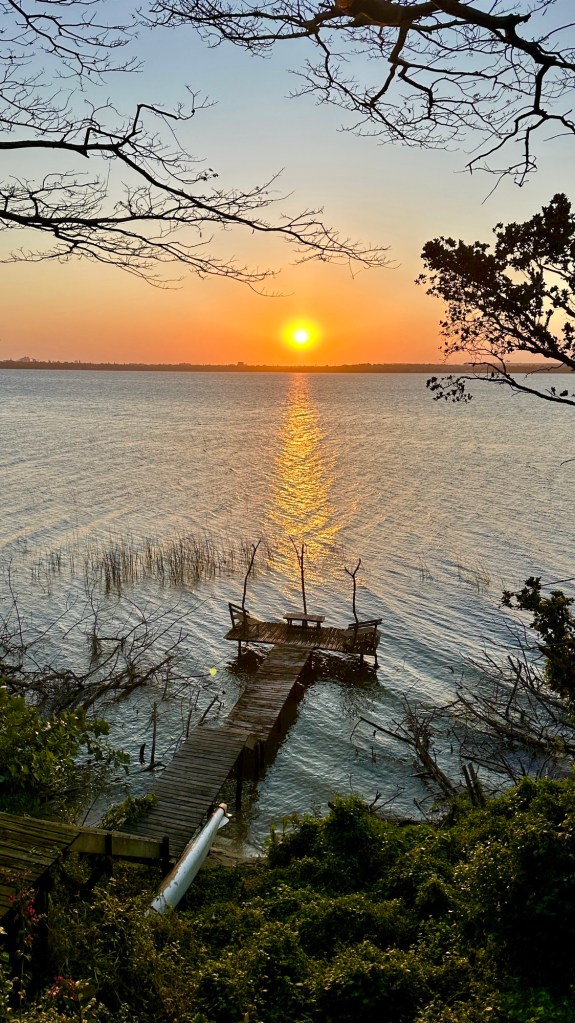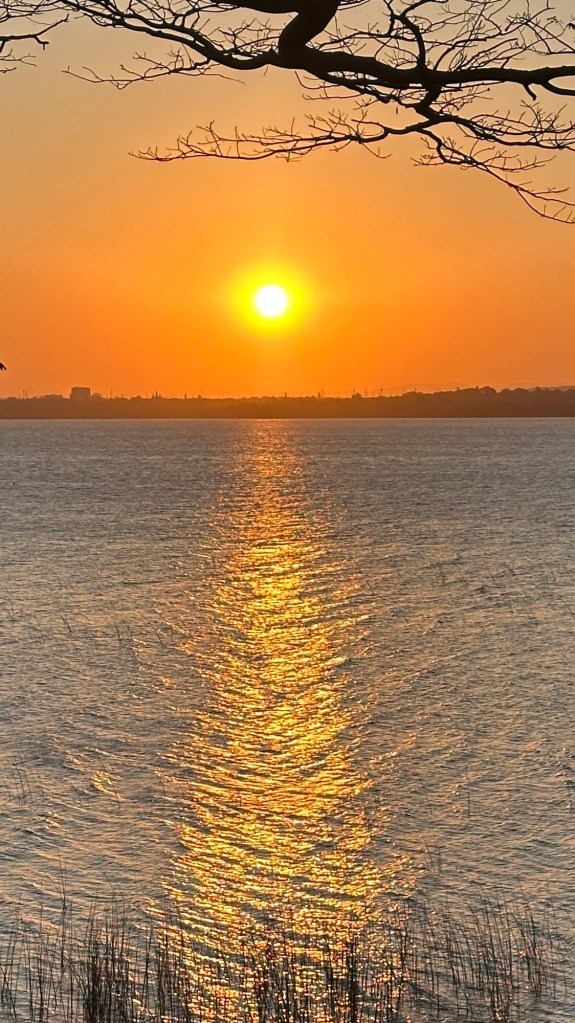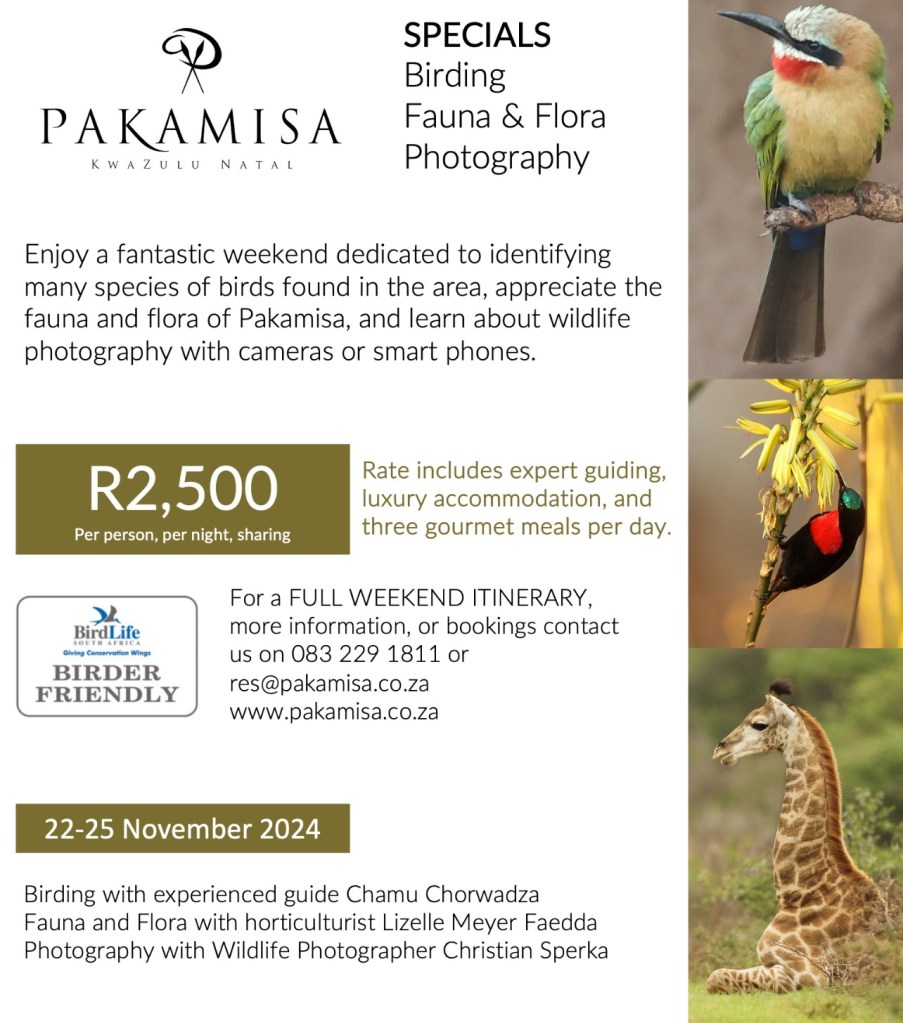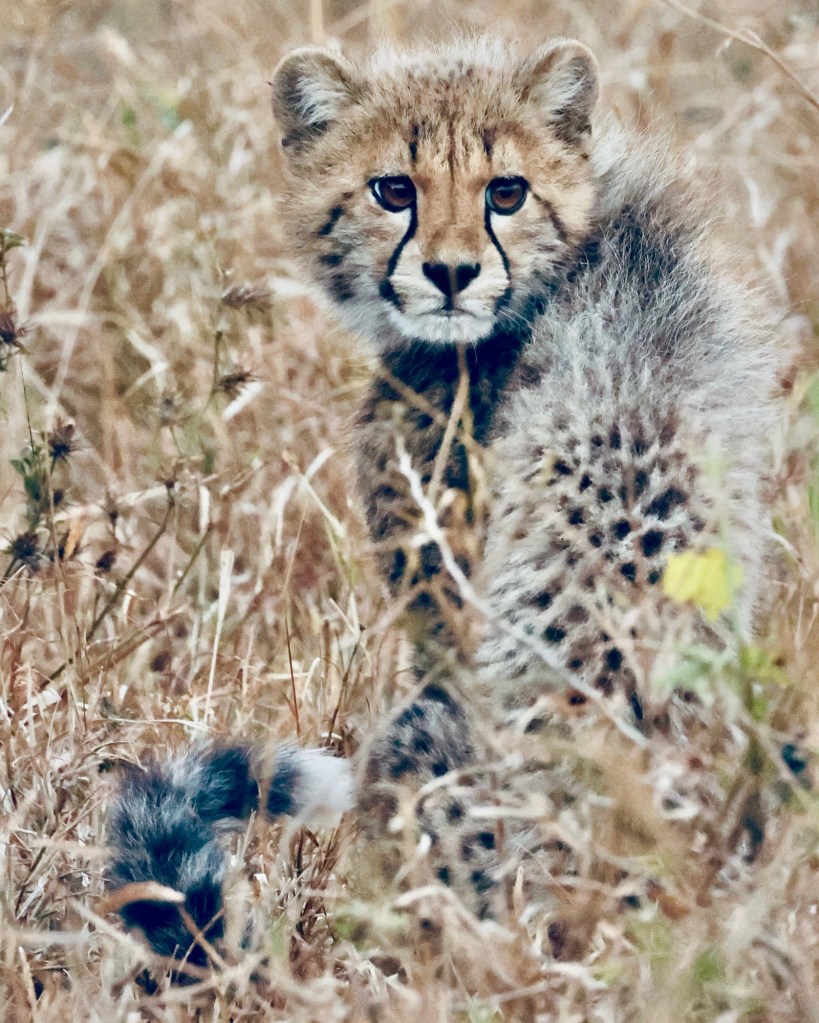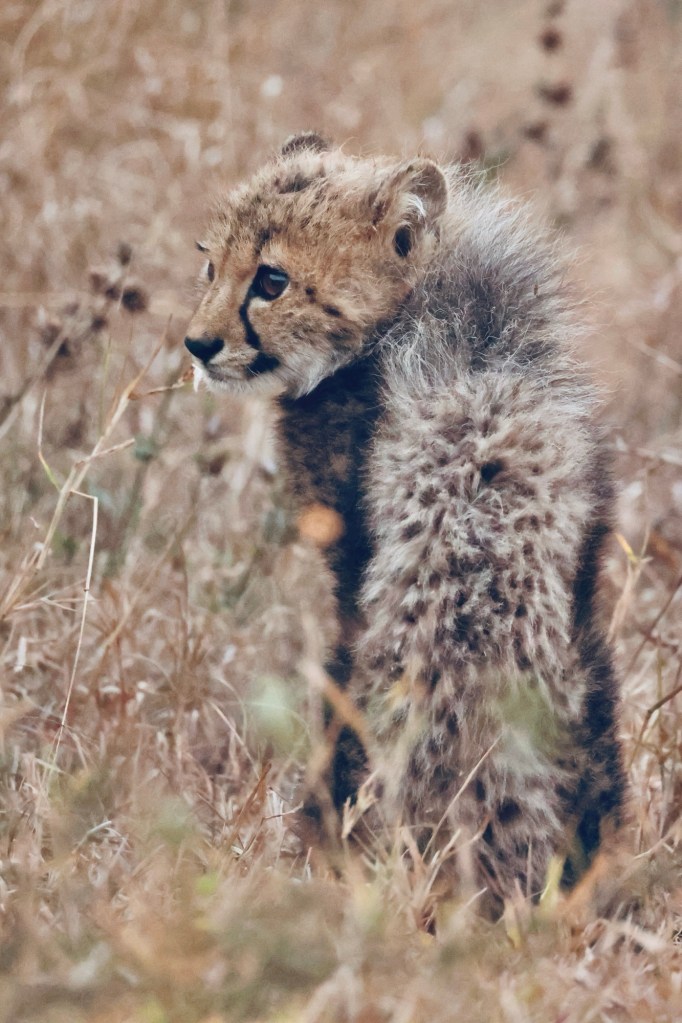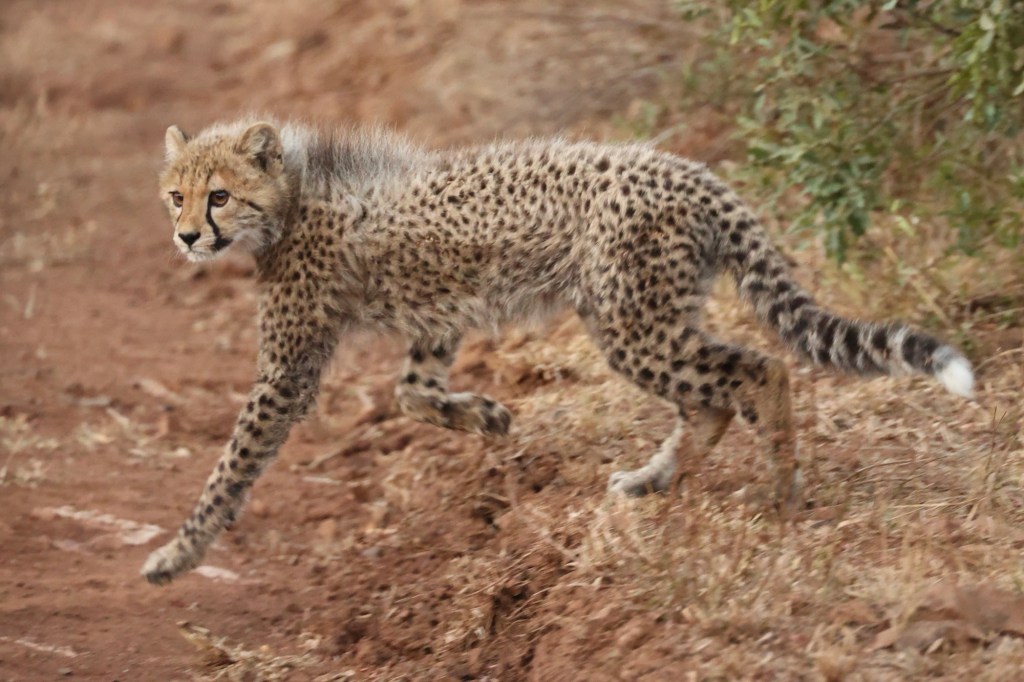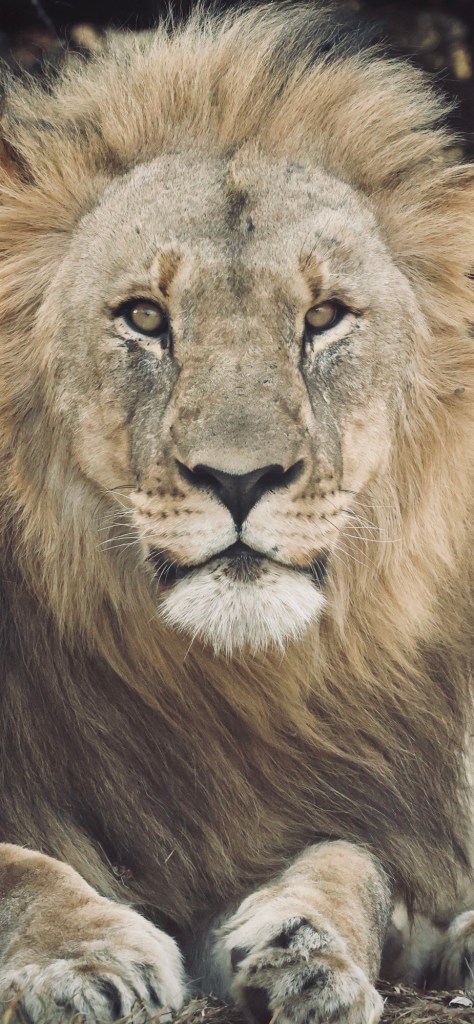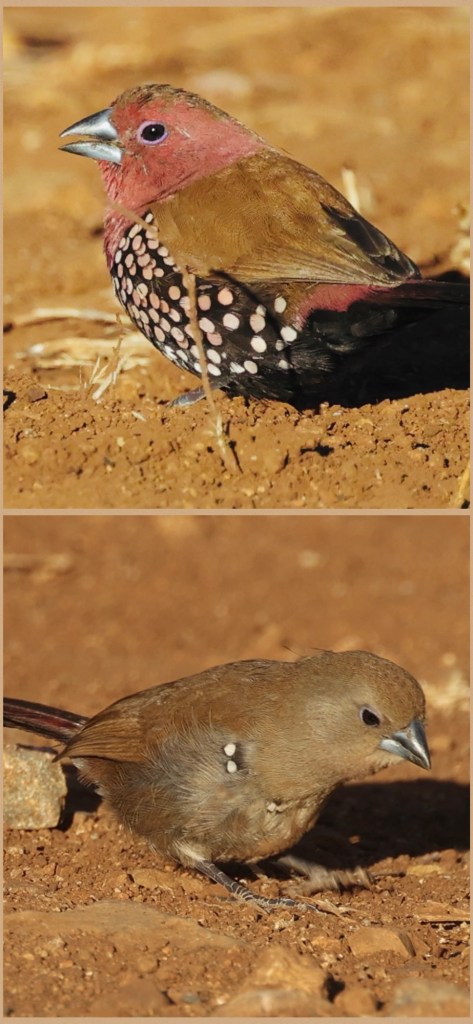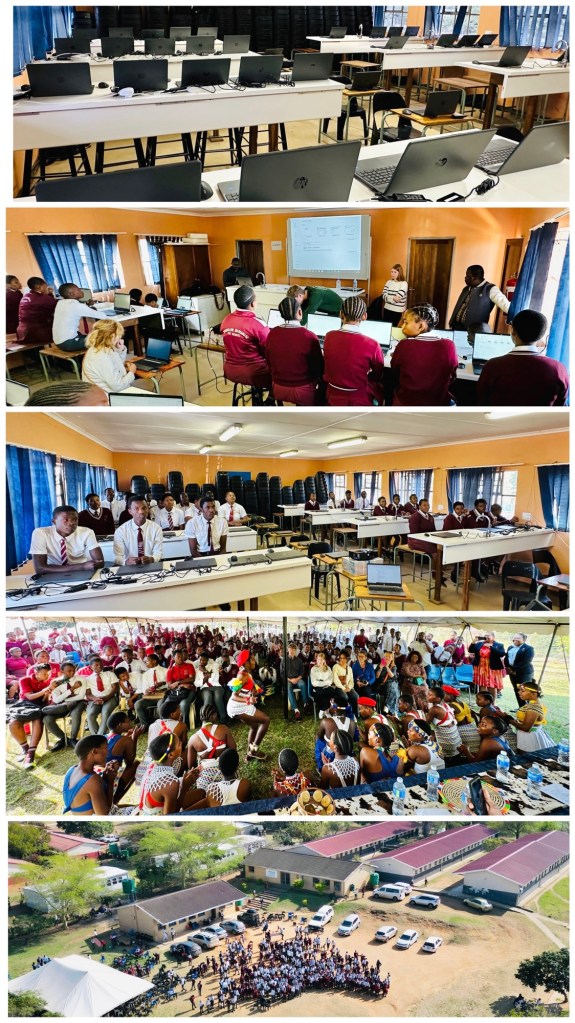
This is a slideshow with some of my favorite pictures taken last week (Saint Lucia, iSimangaliso Wetland Park, Pakamisa Private Game Reserve, and Thanda Safari).
There are far more ectotherms (cold-blooded animals) than endotherms (warm-blooded animals) on Earth.
With the exception of mammals and birds, most life forms rely on their surroundings and behavior to regulate their internal temperature, a process known as thermoregulation.
Fish, reptiles, and amphibians, with very few exceptions, are considered ectotherms. In this picture, you can see two of my favorite endotherms: a South African Giraffe and a Secretary Bird.
Have a great week!
Technical data: Canon R6 with RF lens f4-6.3/24-240mm | ISO 100 | 1/500 sec | f6.3 | EV +0 | 240mm | WB 6500K | AV Mode | Image cropped to 15% of the original size.
Technical data: Canon R6 with RF lens f11/800mm | ISO 2500 | 1/2000sec | ev+0 | WB 6500K | AV Mode | Crop to 25% of original image Technical data: Canon R6 with RF lens f4-6.3/24-240mm | ISO 125 | 1/500sec | f6.3 | ev-1 | 240mm | WB 6500K | AV Mode | Crop to 30% of original image
Yesterday morning, I got up early to watch the sun rise over the Indian Ocean. For the first hour, I was alone as far as I could see along the sandy shores of Saint Lucia’s Jabula Beach, except for some birds.
It was very enjoyable listening to the waves and watching the birds.
I am currently on one of my ‘Christian Sperka Photography Custom Luxury Tours’ with two guests from Germany. We started in Umhlanga, spent three nights in Saint Lucia, and are now enjoying four nights at Pakamisa Private Game Reserve. Next Monday, we will move on to Thanda Safari for another four nights. After a good-bye dinner at Bel Punto in Umdloti , they will depart for home. The two of them are having a great time, with a lot of activities and plenty time to relax.
(Top) Technical data: Canon R6 with RF lens f11/800mm | ISO 8000 | 1/500sec | ev+1 | WB 6500K | AV Mode | Crop to 30% of original image
(Left) Technical data: Canon R6 with RF lens f4-6.3/24-240mm | ISO 500 | 1/500sec | f6.3 | ev+0 | 150mm | WB AWB | AV Mode | Crop to 25% of original image
(Middle) Technical data: Canon R6 with RF lens f11/800mm | ISO 1600 | 1/500sec | ev+1 | WB AWB | AV Mode | Crop to 25% of original image
(Right) Technical data: Canon R6 with RF lens f4-6.3/24-240mm | ISO 100 | 1/1500sec | f5.6 | ev+0 | 240mm | WB 6500K | AV Mode | Crop to 70% of original image
This is a slideshow with some of my favorite pictures taken last week at Thanda Safari. My guests and I had many enjoyable game drives with plenty mammals, birds, reptiles, insects, incredible scenery, and beautiful night skies. Have a great week!
Cheetah are the fastest land mammals with up to 120km/h (75mph).
But they can only run fast for about 30sec. After that they have to rest for quite a while to recover. I have seen them sitting for minutes panting next to their kill before they regained the energy to eat.
The Pronghorn (an antelope like mammal from North America) is one of the fastest land mammal species with a top speed of 90km/h (55mph). But unlike Cheetah they can maintain a high speed of 30mph for over twenty miles. Their closest relatives are Giraffes and Okapi, not antelopes.
Technical data: Canon R6 with RF lens f4-6.3/24-240mm | ISO 640 | 1/500sec | f6.3 | ev+0 | 240mm | WB 6500K | AV Mode | Crop to 45% of original image
Today was a very exciting day at Thanda Safari. The Lion leadership changed with the arrival of two new dominant males from a game reserve in the Eastern Cape.
I photographed the arrival of these two beautiful and large cats, which replace Thanda’s current dominant Lion. He is moving to a new home in another Big Five Game Reserve in KwaZulu-Natal.
This change ensures that the Lion genes at Thanda remain strong.
The two four-year-old brothers will stay in a boma (enclosed area) for a while so they can get used to their new surroundings.
Left: Technical data: Canon R6 with RF lens f4-6.3/24-240mm | ISO 640 | 1/2000sec | f6.3 | ev-0.5 | 24mm | WB 6500K | AV Mode | Crop to 90% of original image
Right Top: Technical data: Canon R6 with RF lens f11/800mm | ISO 3200 | 1/750sec | ev+0 | WB 6500K | AV Mode | Crop to 10% of original image
Right Bottom: Technical data: Canon R6 with RF lens f11/800mm | ISO 2000 | 1/500sec | ev+0 | WB 6500K | AV Mode | Crop to 10% of original image
… are skin-covered bone structures on the heads of Giraffes and male Okapi. They are distinguished from the similar structures of horns and antlers by a permanent covering of skin and fur.
Similar to animals with horns or antlers, male giraffes use their ossicones as weapons during combat, using their heads as clubs.
In early development, they are not bony and are not fused to skull. Ossicones usually fuse to the skull at sexual maturity.
Females and young Giraffes (male and female) have hair on top of their ossicones while adult males are bald.
Technical Data: Canon R6 with RF lens f/11, 800mm | ISO 1600 | 1/500 sec | EV +/-0 | WB 6500K | AV Mode | Crop to 45% of original image
All the common ‘rule books’ for Lions talk about well-formed prides ruled by single males or coalitions of males.
Our Thanda Safari Lions have not read these books. The dominant male roams between multiple prides and often chooses to have quiet time by himself.
And our pride structures are quite loose, especially when various females have litters of cubs of different ages.
Females give birth secluded and then, on many occasions, choose not to join their original pride again but to raise the young ones by themselves.
So keeping track of all groups of Lions is not an easy task, but a very interesting one.
Technical data: Canon R6 with RF lens f4-6.3/24-240mm | ISO 25600 | 1/20sec | f6.3 | ev-3 | 240mm | WB 6500K-edited | AV Mode | Crop to 30% of original image | Note: This picture was taken last night using the light provided by a spotlight from another vehicle. Side-light works very well for night portraits | Limited image quality did to distance and low light
Normally, Cape buffalo are very calm creatures in their herd structure.
The males occasionally engage in fighting to establish their ranking order, and if any predators are in the vicinity, the herd groups together and chases them away.
However, if a female goes into estrous, all the dominant males (top-ranking) start chasing her around, and the fastest and strongest will mate with her.
On occasion, the males get it wrong and mount one of the younger bulls instead, obviously to no avail!
I took this picture of such an occasion on the Thanda savanna this afternoon.
Technical data: Canon R6 with RF lens f4-6.3/24-240mm | ISO 1000 | 1/2000sec | f6.3 | ev+0 | 240mm | WB 6500K | AV Mode | Crop to 5% of the original image | Please note: The picture quality is marginal due to cropping, but I thought the scene worth showing