
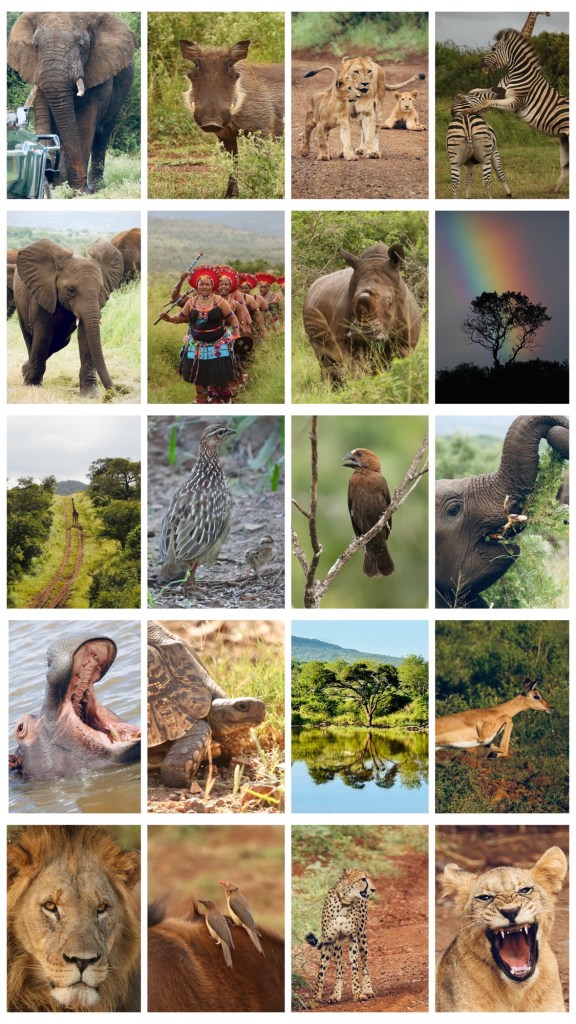
Pictures from the last few days’ game drives and excursions with my American guests!
#amazingwildlife #africansafari #safarigetaway #christiansperkaphotography #big5 #gamereserve #wildlifephotography #learnphotography
Pictures from the last few days’ game drives and excursions with my American guests!
#amazingwildlife #africansafari #safarigetaway #christiansperkaphotography #big5 #gamereserve #wildlifephotography #learnphotography
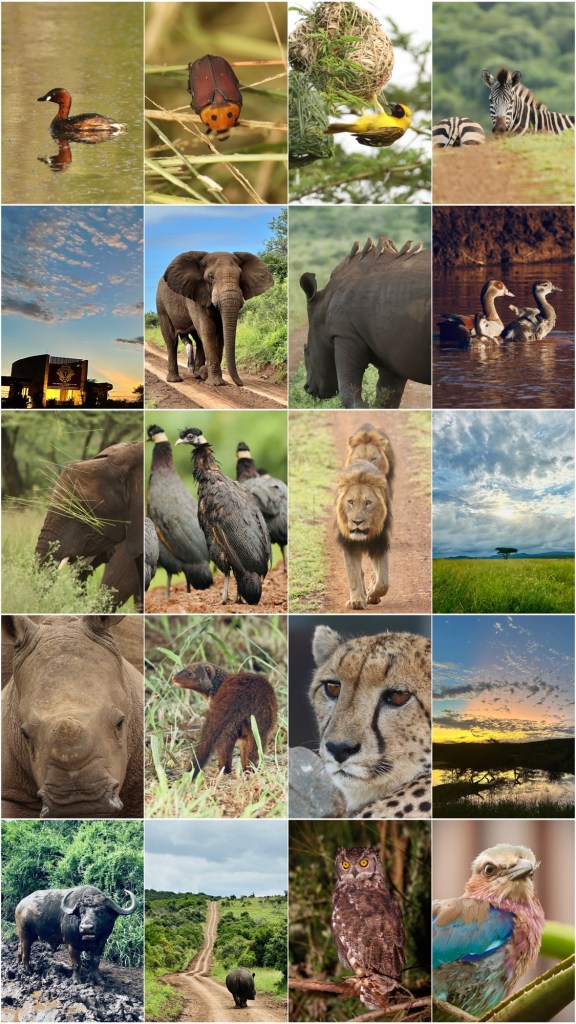
My last twenty days in pictures 😊
#amazingwildlife #africansafari #safarigetaway #christiansperkaphotography #big5 #gamereserve #wildlifephotography #learnphotography

We humans like to complain. When there is no rain, we complain about the lack of rain, and when there is a lot of rain, we complain that there is too much!
But I have learned in my (now almost 13) years in South Africa and through many drought periods never to complain about rain.
February is usually the rainiest month, and this February, with over 228mm of rain so far (and it’s still raining), is one of the wettest months I have recorded.
The roads are now so muddy that a “game drive” is currently more like a “game of slip-and-slide”.
And if the weather forecast is to be believed, the remainder of February promises even more rain (at least >80mm).
The animals, such as these White Rhinos, enjoy the availability of water for drinking, wallowing, and swimming. I took this picture with my smartphone driving on a main road during a rainy day!
Technical data: Apple 14 Pro Max | Main Camera 24mm | ISO 64 | 1/90sec | f1.8 | ev+0 | 48mm
#iphoneOnEyeLevel
#amazingwildlife #africansafari #safarigetaway #christiansperkaphotography #big5 #gamereserve #wildlifephotography #learnphotography
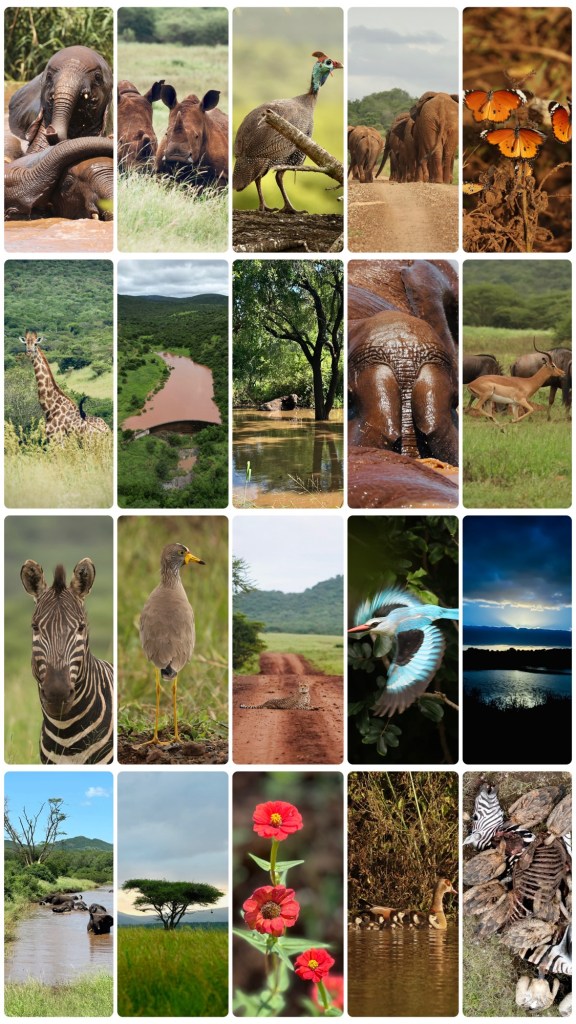
My first week back at Thanda in wildlife pictures. What a wonderful world!
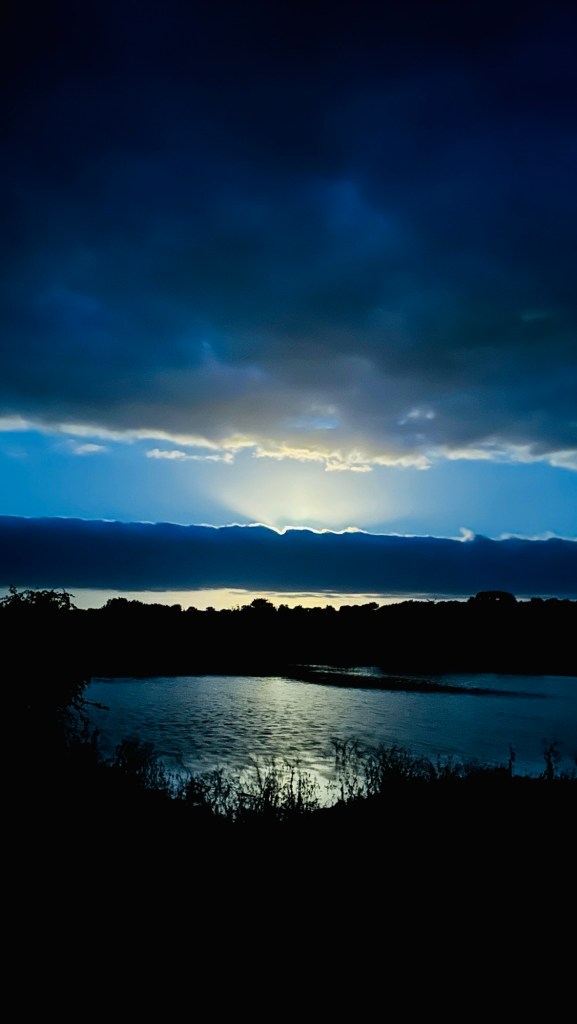
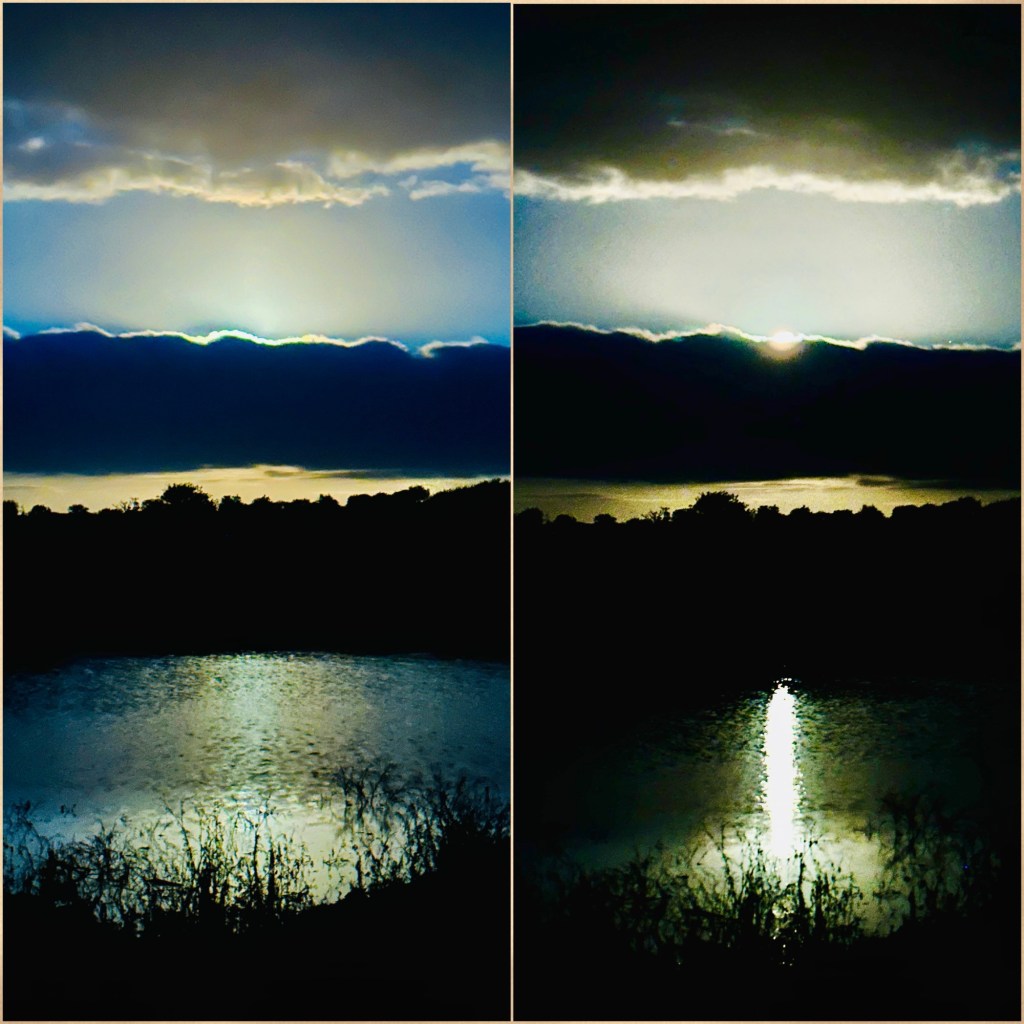
At the end of the game drive, I like to stop for a few moments just to listen to the sounds of the bush and to watch the moon rise.
Yesterday evening, a full moon rose over the horizon and then disappeared behind a band of clouds. It created this magnificent effect, which I was able to capture with my smartphone.
Whenever I watch one of these scenes, I fully understand the value of visiting (or living in) a beautiful place like Thanda Safari.
Technical data: Apple 14 Pro Max | Main Camera 24mm | ISO 2500 | 3.4sec night mode | f1.8 | ev-1.0 | 24mm
#amazingwildlife #africansafari #safarigetaway #christiansperkaphotography #big5 #gamereserve #wildlifephotography #learnphotography
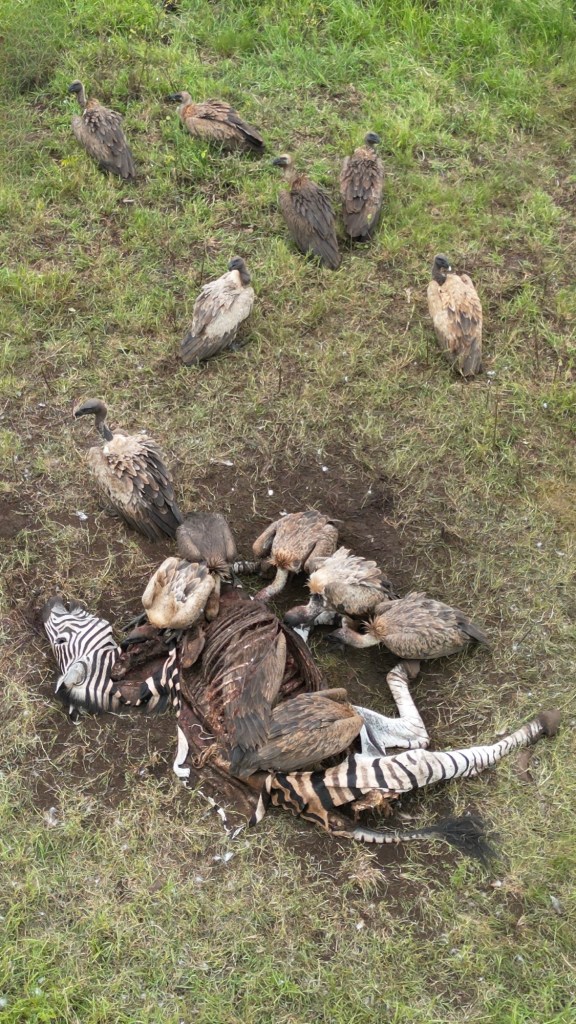
On my first full day back at Thanda I was able to capture this short video and some images of a large group of White-backed Vultures (estimated total 50) feeding of a Zebra carcass.
An amazing display of thesemost important members of the bush-clean-up-crew at work.
Unlike most mammals the vultures ignored the noisy drone very close to them.
Technical data: DJI Macic Mini 3 Pro
#amazingwildlife #africansafari #safarigetaway #christiansperkaphotography #big5 #gamereserve #wildlifephotography #learnphotography
I will be visiting my parents and family in Germany. During that time I will take a social media ‘timeout’.
My next wildlife post will be on 10 February, after my return to South Africa.
I am saying goodbye with a Cheetah portrait which I took this morning. I cropped it to be my iPhone wallpaper until I get back.
All the best to you all.
Talk to you in February!

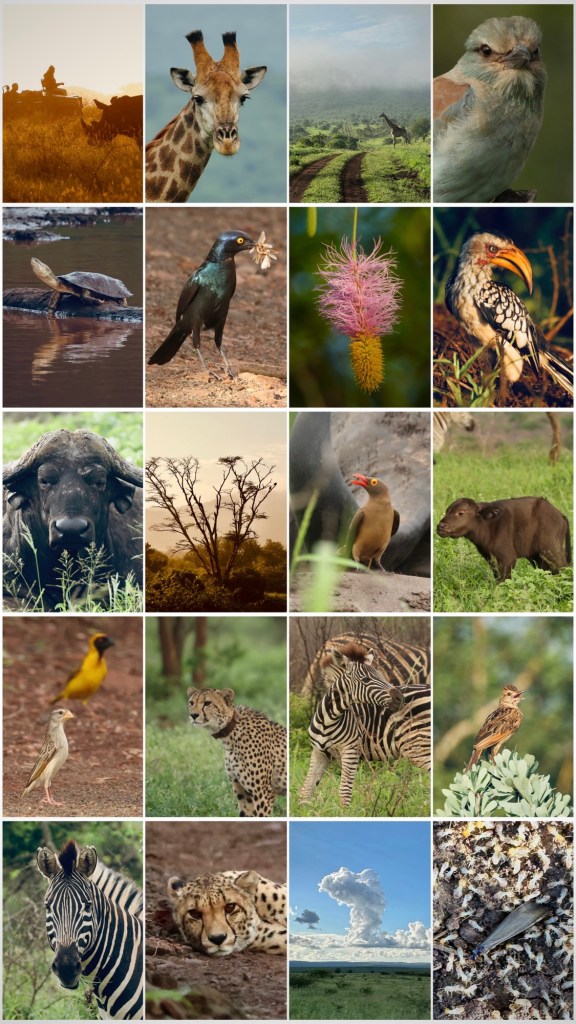
Six game drives in pictures. Our guests, Bheki, and I enjoyed all the sightings of the weekend very much!
#amazingwildlife #africansafari #safarigetaway #christiansperkaphotography #big5 #gamereserve #wildlifephotography #learnphotography
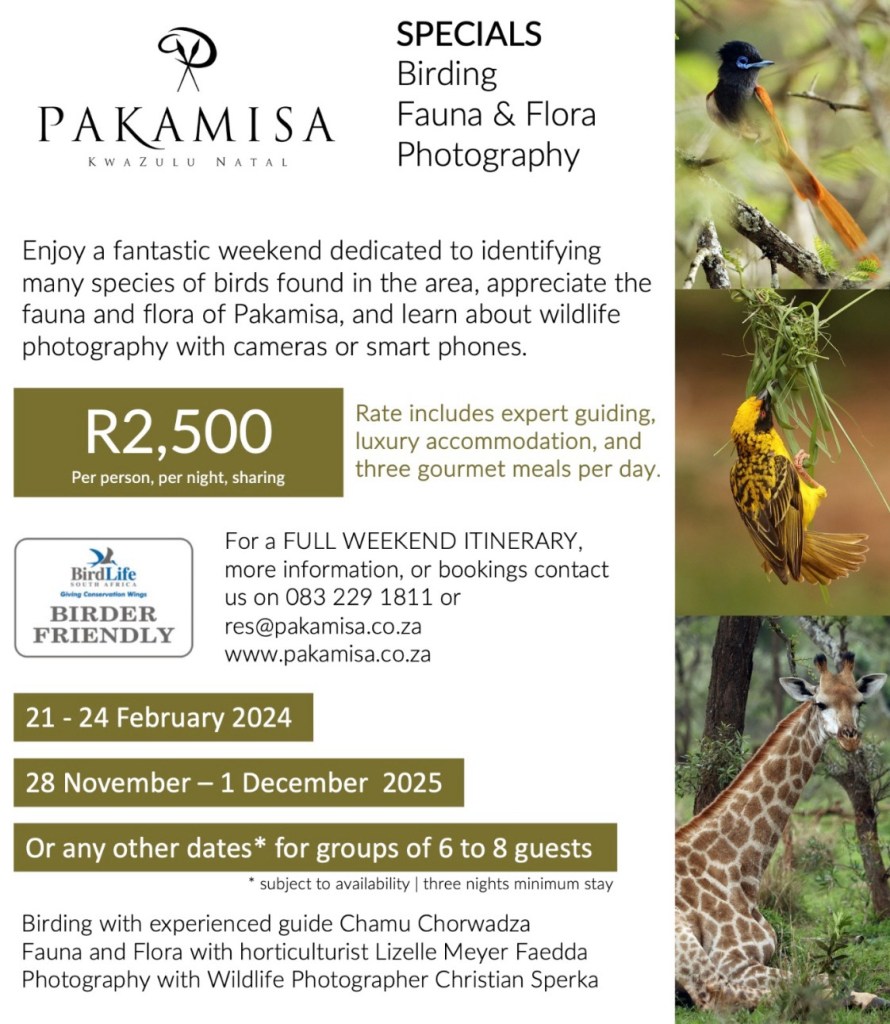
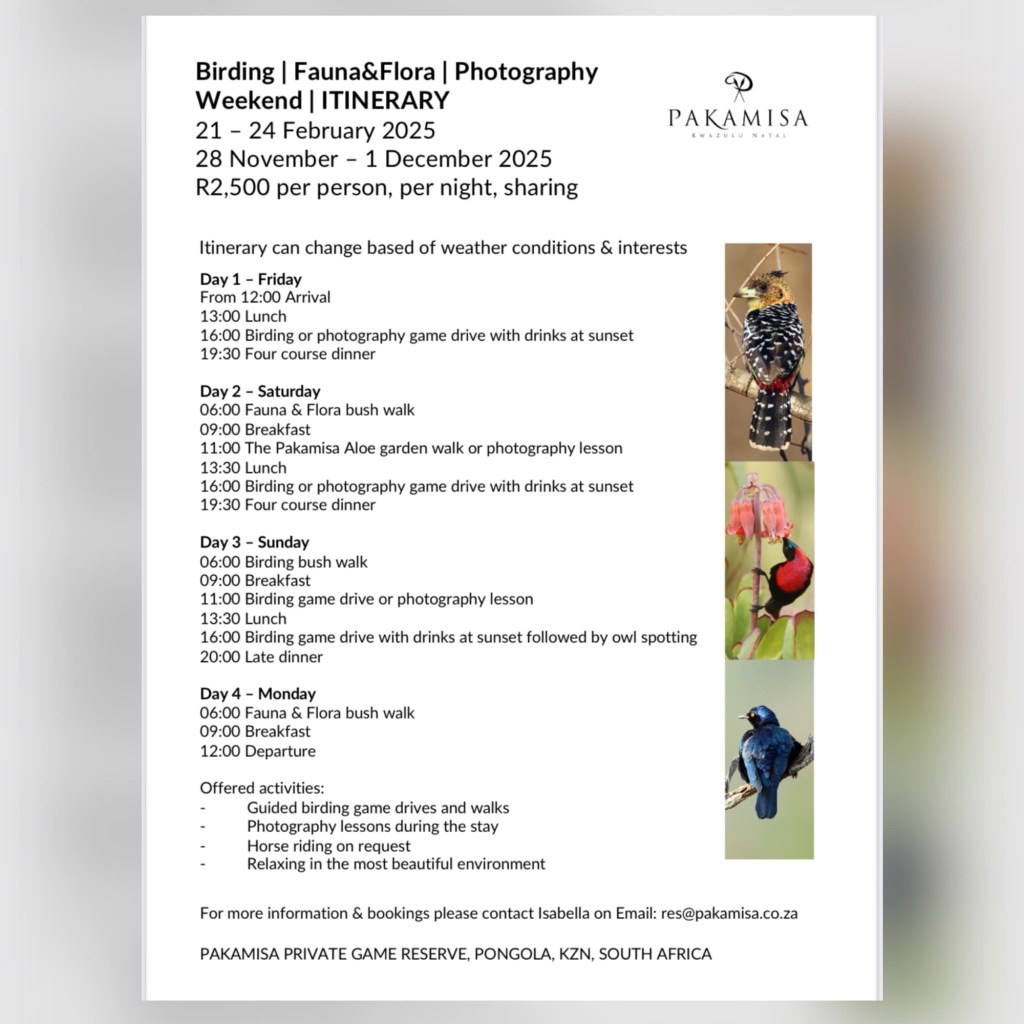
For the birders among you!
These are the dates for the two Pakamisa Birding Weekends in 2025. These weekends are great getaways for birders.
Feel free to contact me or Pakamisa reservations if you have any questions or if you would like to make a booking.
And in case you have a group of 6 to 8 birders we can arrange for a special weekend any time during the year (subject to availability and for a minimum stay of 3 nights).

As many of you know I am helping to support two crèches in the Thanda Neighborhood since 2018 (Inkanyiso Crèche & Masibambisane Crèche).
Please let me know if you would like make a donation to help these underprivileged kids in 2025. I will make sure that 100% of the money is used for them!
Feel free to contact me in case you would like more information or make a donation. WhatsApp at +27633294323.

