Thanda Safari recently purchased a Seestar S50, an intelligent astronomical telescope. I like working with it, as requires very little setup and lets me display/save the magnified stellar objects’ images on my iPad.
Besides looking at nebulas and other deep space objects it works very well for moon observation and sun observation (using a special filter).
This evening I took this moon picture from the Thanda House garden.
I also enjoy night sky photography. This – rather blue – milky way picture I took this morning at 5:30 before sunrise, during the nautical twilight, and just before the start of the ‘blue hour’. In this lucky shot I captured a shooting star.
Crisp winter nights are ideal for star gazing and photography. I am looking forward to some more night sessions in the upcoming winter months.
Technical data: Canon R6 with EF lens L 17-40mm | ISO 6400 | 8sec | f4 | ev+0 | 19mm | Manual focus | WB Auto | M Mode | Crop to 40% of original image
As some of you have reminded me that I never provided the answer to my Lion quiz from 9 April, I would like to apologize for the delay. https://sperka.info/2024/04/09/noses/
Zanele, the oldest Lioness at Thanda Safari at 15 years old, was located in the top-right corner of the picture.
This is the portrait I captured of her on that day.
Technical data: Canon R6 with RF lens f/11 800mm | ISO 3200 | 1/750sec | EV +0 | WB 6500K | AV Mode | Image cropped to 40% of the original size.
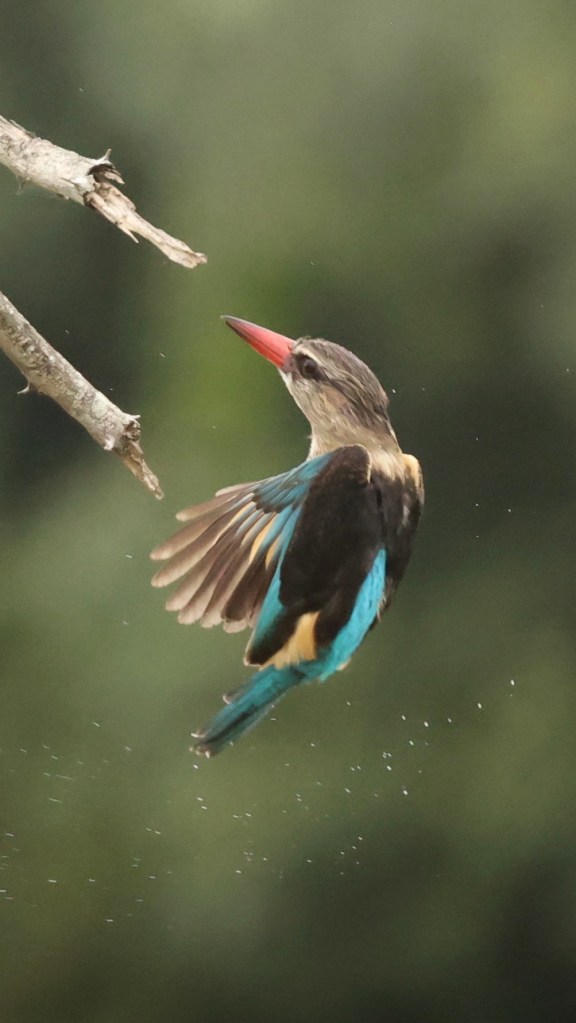
Photographing birds in flight is quite challenging, but Kingfishers and Bee-eaters make it somewhat easier due to their hunting and bathing behaviors.
Both Kingfishers (with 10 different species in Southern Africa) and Bee-eaters (also with 10 different species) enjoy perching on trees to hunt or bathe. Additionally, they frequently return to the same branch after flying off to catch an insect or dip into the water.
Here is a brief guide on capturing in-flight birds before landing:
1. Place the camera on a beanbag or a tripod.
2. Set your shutter speed to 1/2000 second or faster.
3. Switch the camera to manual focus and ensure you do not touch the focus ring.
4. Set the camera to ‘continuous shooting mode’ with the highest frame rate available.
5. Frame and focus on the perched bird, leaving enough room for aerial landing images.
6. Wait for the bird to depart for its hunt or bath without looking through the viewfinder but watch the bird instead.
7. Begin shooting as the bird returns towards the perch, continuing until it is stationary again. Be sure to press the shutter button gently to avoid moving the camera from its target area.
8. Review your images (I typically shooting 20-40 frames for one landing) and select the best ones.
This process requires patience. For the Brown-hooded Kingfisher landing in the picture, I captured seven approaches with a total of 197 images taken, resulting in a satisfying outcome (and as you can see from the droplets in the air he returned from a bath).
Technical data: Canon R6 with RF lens f11/800mm | ISO 10000 | 1/3000sec | ev+0 | WB 6500K | AV Mode | Cropped to 10% of the original image.
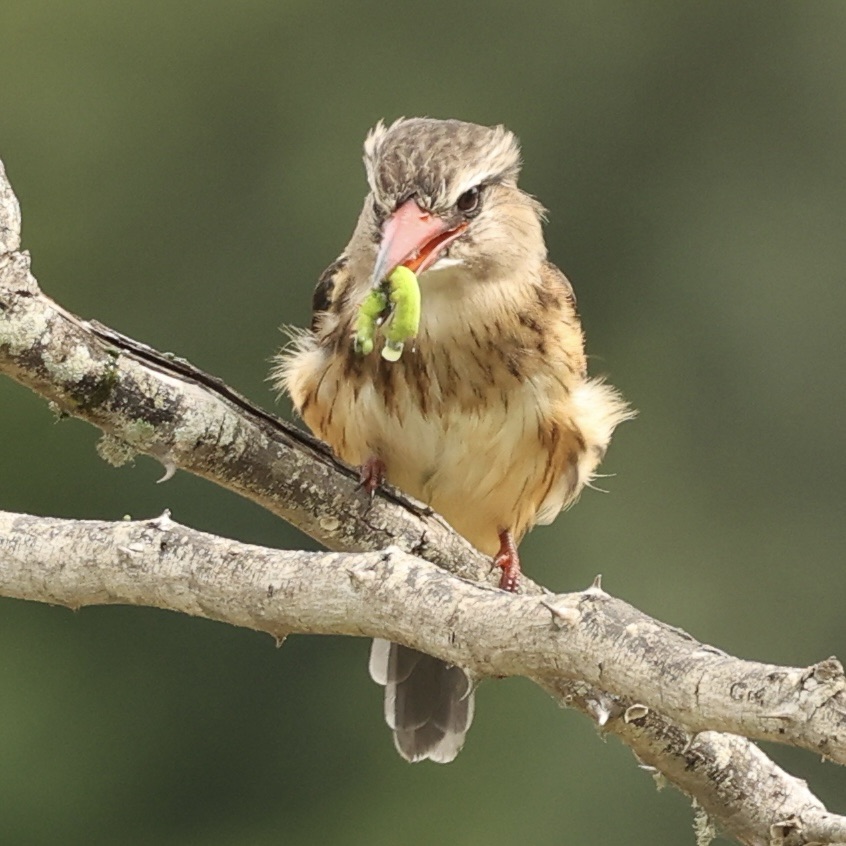
Technical data: Canon R6 with RF lens f11/800mm | ISO 1600 | 1/500sec | ev+0 | WB 6500K | AV Mode | Crop to 10% of original image Technical data: Canon R6 with RF lens f11/800mm | ISO 1000 | 1/500sec | ev-0.5 | WB 6500K | AV Mode | Crop to 10% of original image
I primarily use my longest lenses (500mm and 800mm) for bird photography. When mounted on my full-frame sensor cameras, these lenses provide the equivalent magnification of 10x and 16x binoculars.
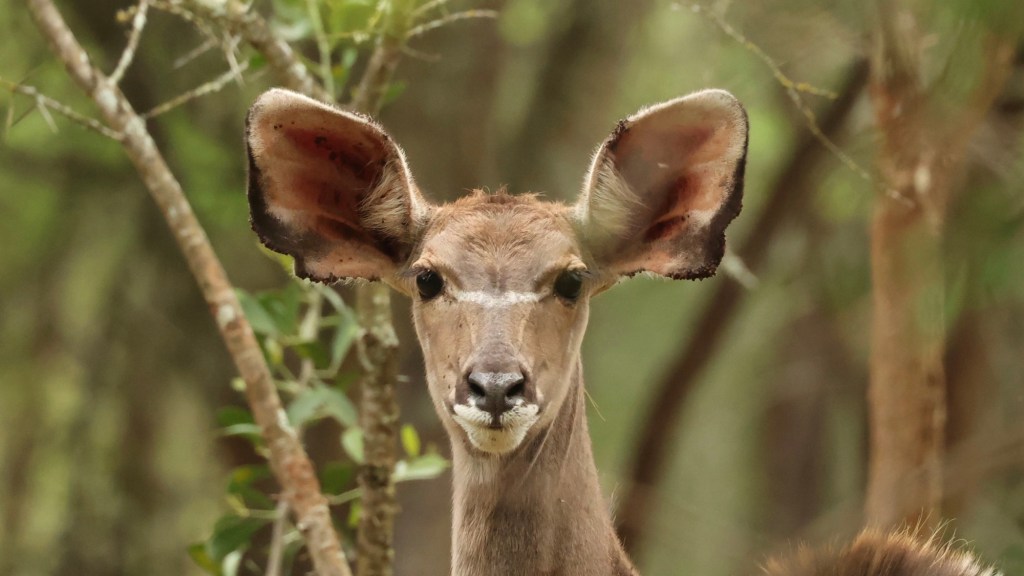
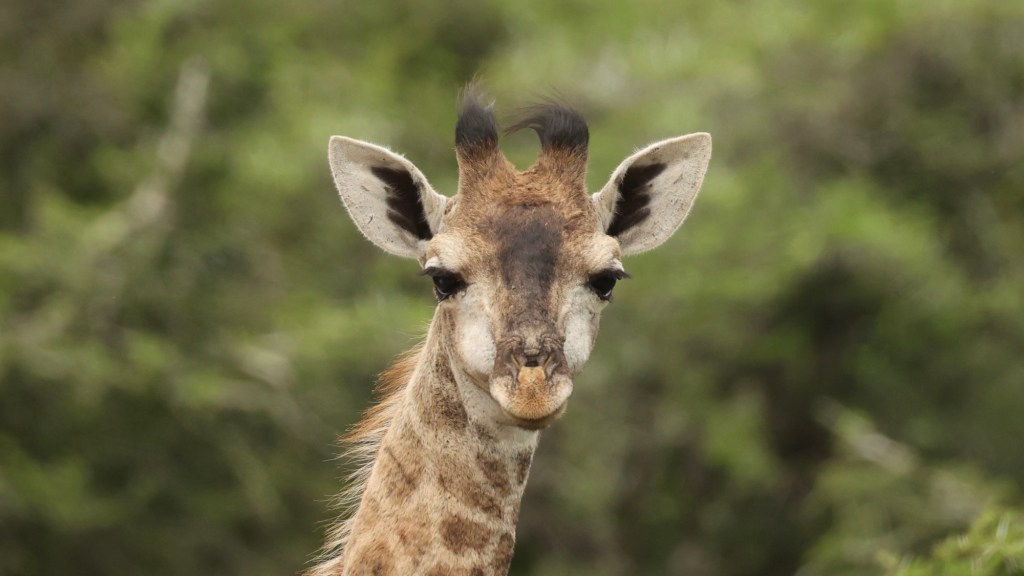
However, these lenses are also invaluable for capturing ‘long-distance portraits’ of mammals. Today’s picture collage showcases a few examples taken this past weekend at Pakamisa Private Game Reserve. The combination of a shallow depth of field and direct eye contact with the camera lens results in highly appealing portraits.
I also employ these long lenses when I wish to observe and photograph animals from their ‘comfort zone’. This approach ensures that my presence does not influence their behavior.
Consequently, a large number of my wildlife images are captured using these very long lenses.
If you want to read more of my stories and see more of my pictures, you should visit my blog at https://sperka.info/blog/
Two weeks ago, I wrote about our largest pride of Lions (called Zanele’s Pride). I described the energy with which the seven youngsters of the group trained for their adult life hunting skills.
When I met the group again a few days ago, they lounged comfortably at Thanda House dam near my home.
As I approached the waterhole, all nine Lions raised their heads, and I was able to get a frontal portrait shot of each of them.
It is astonishing that all of the young ones now look very much like adult Lions. Here is a bit of a quiz question:
Can you identify Zanele (15 years old) in this collage?
I give you a little hint: Look at the noses!
[The answer will be in my next post.]
If you would like to like to read more of my stories and see more of my pictures, you should visit my blog at https://sperka.info/blog/
Lions on the dam near Thanda HouseThanda House Dam
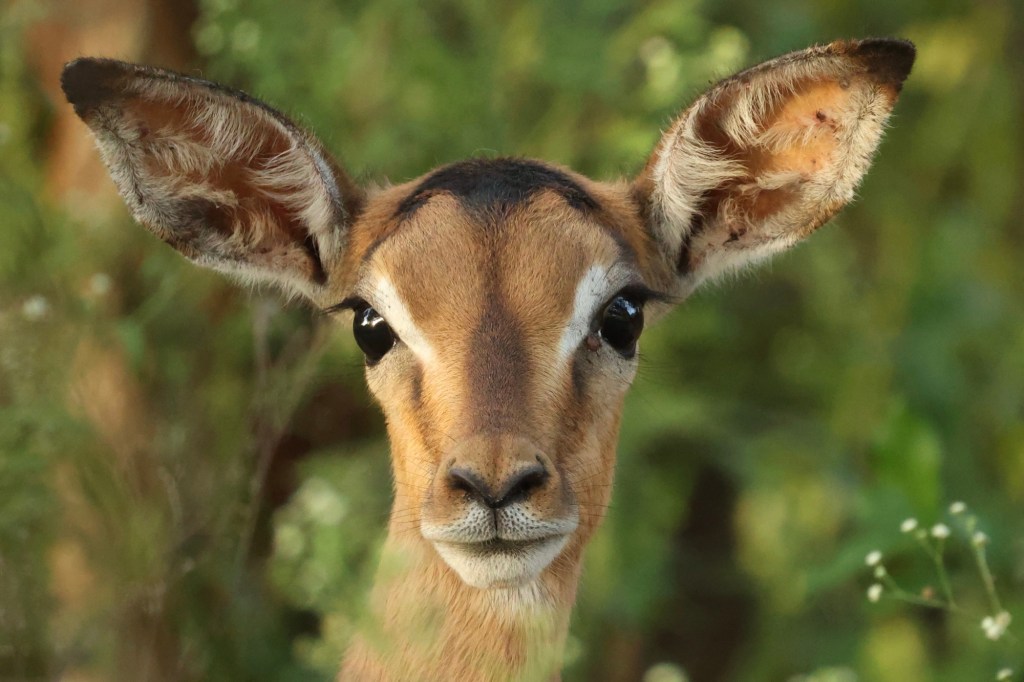
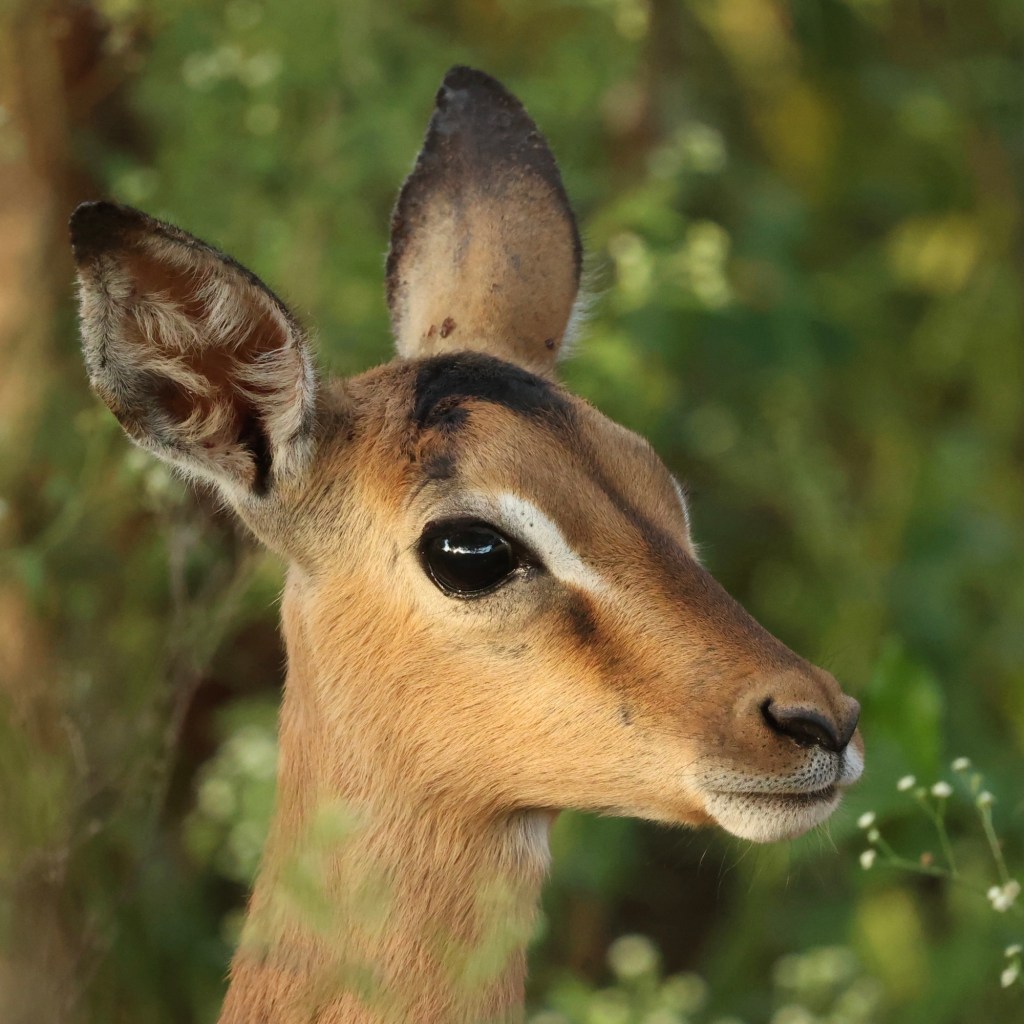
Impalas are the most prevalent type of antelope found in sub-Saharan Africa (and on Thanda Safari). They have remained pretty much the same for over five million years, a real success in terms of evolution.
The tiny Suni antelope is the closest relative to Impala. Black-faced Impalas in Namibia and Angola are seen as a distinct subspecies.
Their ability to adapt their eating habits is a key factor in their evolutionary success. They feed on grasses during the rainy season and switch to eating tree-material as the dry season progresses, ensuring a steady food supply that allows female impalas to give birth to a new lamb each year.
Impalas are a vital food source for large predators – including some Eagles – and have high mortality rates, particularly during the birthing season. Their sharp eyesight and alert behavior help them detect predators like Leopards and Cheetahs, prompting the herd to make warning sounds.
The best time to see the very cute Impala fawns is in December and January, when all the females give birth almost at the same time.
Technical data: Canon R6 with RF lens f11/800mm | ISO 12800 | 1/500sec | ev+0 | WB 6500K | AV Mode | Crop to 40% of original image
If you might want to like to read more of my stories and see more of my pictures, you should visit my blog at https://sperka.info/blog/
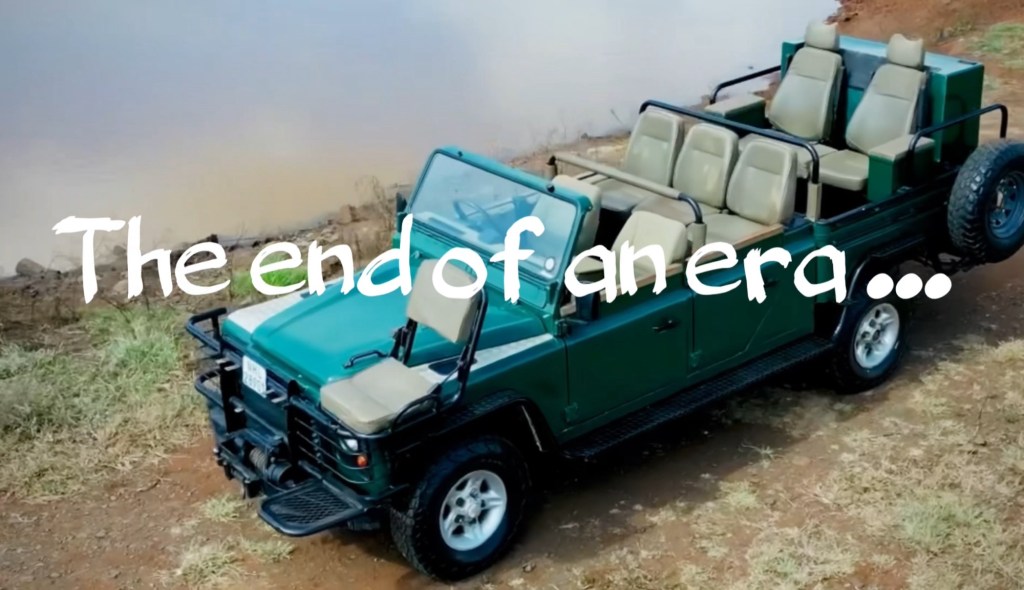
After many years of using my Land Rover Defender, affectionately named The Green Mamba One, I have made the decision to sell this classic safari vehicle.
Throughout the years, some of you have accompanied me on game drives, experiencing the luxury features of this very special mode of transport. And many of you have enjoyed the countless wildlife photographs I captured from its vantage point, shared on social media.
I am hoping to find a passionate Land Rover Defender enthusiast who will appreciate and acquire her in her excellent condition. At just 22 years old, she is not considered old for a Defender.
If any of you are interested, feel free to contact me at +27633294323 (WhatsApp) or at info@sperka.com.
While bidding farewell is bittersweet, I am looking forward to her successor. My new photographic safari vehicle will be named THE GREEN MAMBA TWO, a brand-new Toyota Land Cruiser LC79 4.2 D S/C currently undergoing customization to my specifications.
Thanda Management and I are looking forward to deploying her for service at Thanda Safari by mid-2024 and I will provide updates on her readiness.
Similar to The Green Mamba One, my new safari vehicle will include numerous photography and luxury features:
THE GREEN MAMBA TWO
– Specially designed five-seat, two-row passenger area with increased legroom for optimal eye-level photography and videography
– Ample additional storage space for photographic gear
– USB ports for charging equipment in each seating row
– GSM cell phone booster and WiFi router enabling live social media updates from the reserve
– Built-in digital two-way radio for secure communication during game drives
– Nespresso coffee machine for a special bush barista bar experience (supported by a second battery and a 2500W 230V inverter)
– Complete Martini bar setup
– All-red-light configuration for night safaris
– JBL audio system (for birding support and occasional bush parties)
– 13″ Apple iPad setup with essential nature apps (Roberts Birds, Stuart Mammals, …) and live GPS location map of Thanda Safari
– High-quality binoculars available for all guests onboard.
With Thanda Safari having transitioned to an All-Land-Cruiser fleet, this change was necessary to maintain the reliable service expected at a five-star operation.
I eagerly anticipate hosting many of you as guests on THE GREEN MAMBA TWO.
The short video shows The Green Mamba One as she looks now, ready for a new owner.
This brief slide show contains some of my favorite pictures captured around sunrise and sunset at Thanda Safari. The unique light present in the mornings and evenings is what photographers seek.
Specific terms describe the optimal lighting conditions of the day:
The golden hour encompasses the time just before and after sunrise or sunset. The closer one is to the equator, the shorter this ‘hour’ becomes. Currently, the golden hour at Thanda Safari lasts about 45 minutes in both the morning and evening.
The blue hour is a brief period before the morning golden hour and after the evening golden hour, characterized by a cooler, blue-toned light produced when the sun is positioned just below the horizon.
For those interested in today’s specifics:
Morning blue hour: 5:36am to 5:45am
Morning golden hour: 5:45am to 6:40am (with sunrise at 5:59am)
Evening golden hour: 5:22pm to 6:07pm (with sunset at 5:53pm)
Evening blue hour: 6:07pm to 6:16pm
I use a very good iPhone app called “Sun Seeker” to provide me with this valuable information.
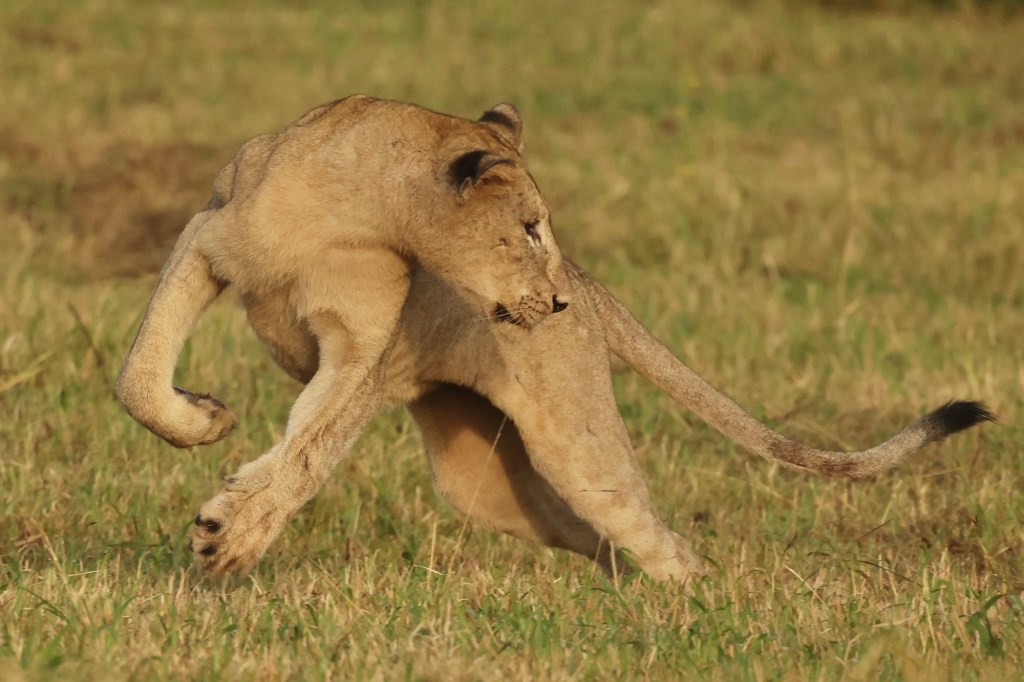
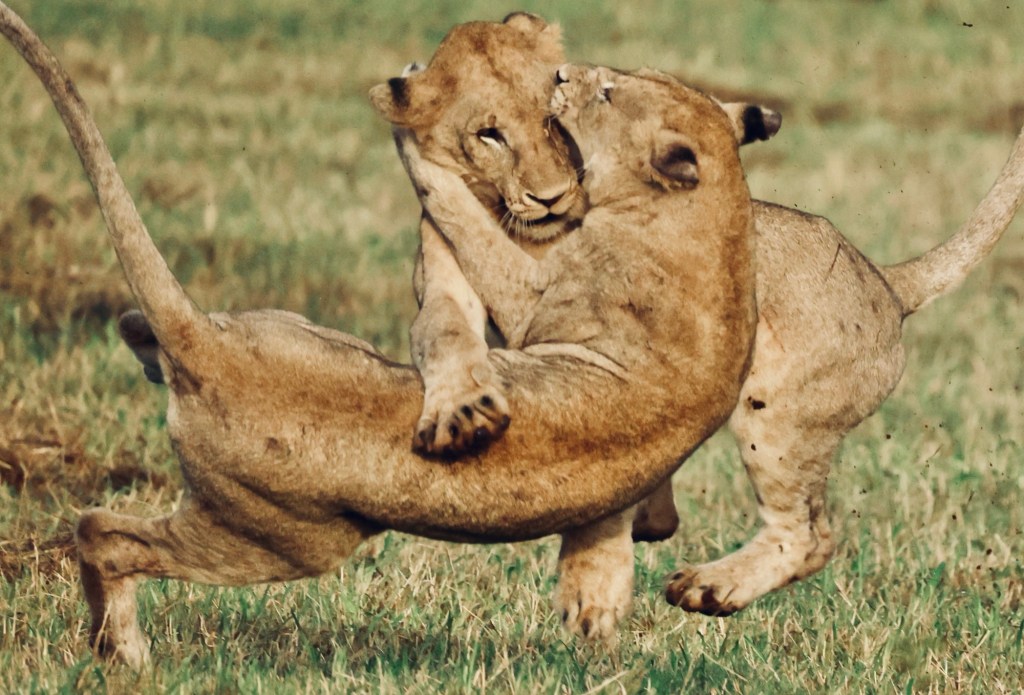
Young Lions have a large amount of energy. They play hard and then crash hard.
Their sparring is good training for stalking and attacking behavior for hunting in their adult life. It also readies them or future serious fights with other adult Lions.
Male lions are sexually mature at about 2 years of age and are fully grown at 4. Competition for the ‘Dominant-Male-Job’ is very harsh, and only one out of ten young males ever accomplishes this ultimate goal before being killed. The life expectancy of a male who makes it to full adulthood is ~12 years.
Females usually have their first litter between 2 and 4 years and live up to ~16 years.
Last Friday, the two young females in these pictures enjoyed a sunny day after a lot of rain, playing very hard on the savanna. They and their five siblings were constantly stalking each other and fending off various attacks. It was very exciting to watch, and we stayed for a long time.
The pride we observed is led by a 15-year-old lioness. We refer to her family as “Zanele’s pride”. She has four youngsters who are 24 months old.
The other adult female of the pride – Zanele’s adult daughter – is three and a quarter years old, and her three cubs are now 17 months.
Technical data for all three images: Canon R6 with RF lens f11/800mm | ISO 2500 | 1/2000sec | ev-0.5 | WB 6500K | AV Mode | Drive mode: Continuous fast
If you would like to read more of my stories and see more of my pictures, you might want to visit my blog at https://sperka.info/blog/









 Christian Sperka Photography | Custom Luxury Tours