Unique

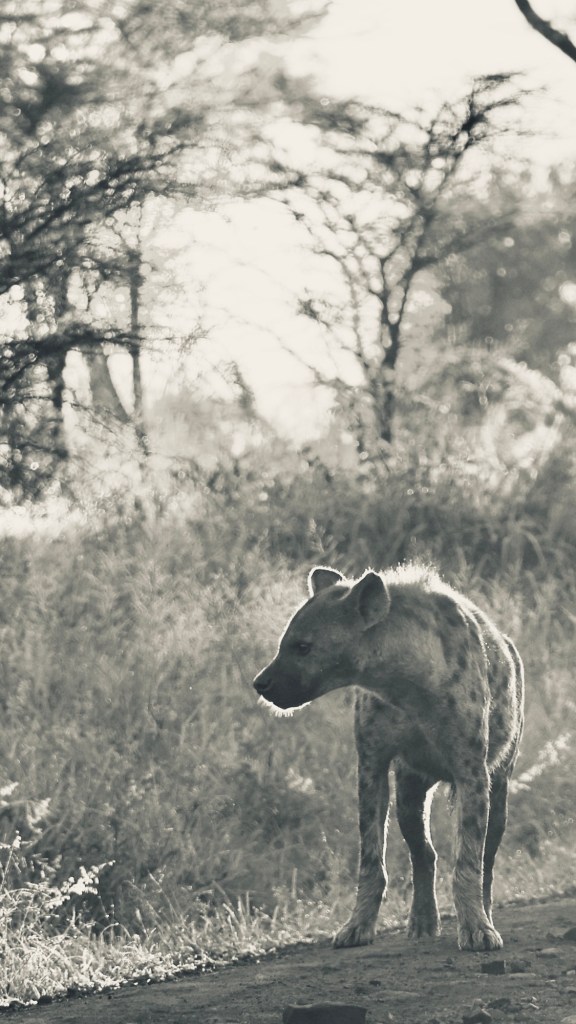
The sound of a Lion roaring is quite unique. I took this picture and recorded this short video clip last night around sunset within an hour to document this incredible experience.

But the recording cannot convey the feeling as one’s whole body reacts, being only a few meter away from the source of this impressive roar.

The sound can be heard from over 8 kilometers (5 miles) away and can reach over 110dB (in one meter/yard distance).

Technical data picture: Canon R6 with RF lens f11/800mm | ISO 1600 | 1/180sec | ev+0 | WB 6500K | AV Mode | Crop to 90% of original image

Technical data: Apple iPhone 14 Pro Max – Main camera 24mm | f1.78 | 30 FPS | Red filtered spotlight | ev-1

#amazingwildlife #africansafari #safarigetaway #christiansperkaphotography #thandasafari #big5 #gamereserve #wildlifephotography #learnphotography
Nose Dive

This little Elephant took a nose dive, or better trunk dive, in front of its mum. The small creature was sparring with another calf when it suddenly decided to catch up with mum, in the hurry stumbling over its own feet. The large female gently used her trunk to get her offspring back up.

Elephant calfs are very playful and often overestimate their capabilities, getting themselves into trouble. Elephant adults are some of the best parents on earth and are usually able to help their youngsters.

Technical data: Canon R6 with RF lens f4-6.3/24-240mm | ISO 320 | 1/500sec | f5.6 | ev+0 | 120mm | WB 6500K | AV Mode | Crop to 10% of original image

#amazingwildlife #africansafari #safarigetaway #christiansperkaphotography #thandasafari #big5 #gamereserve #wildlifephotography #learnphotography
Boisterous

A young Lion portrait is the first wildlife picture I took in 2024.

Four of the boisterous youngsters where with their mum near a waterhole as she was scanning the area for some dinner.

The look on the face of this small male is already the look of a serious cat. Cubs of those age (about 8 months) are still very playful, but with their sharp claws and teeth they can already create serious damage.

Technical data: Canon R6 with RF lens f11/800mm | ISO 4000 | 1/500sec | ev+0 | WB 6500K | AV Mode | Crop to 25% of original image

Not only Bees!

One of my favorite genus of birds is the Bee-eaters (_Merops_). These fast flyers are mainly hunting insect.

As a photographic subject they are especially interesting because many of them have the habit of hunting repeatedly from the same location (eg tree branch) and are returning to the exact same position after their hunt, again and again.

That allows photographers to use manual focus on the departure/arrival location and then shoot fast bursts to get images during take-off and landing. But make sure your shutter speed is 1/2000sec+ as they are very fast. This is how I got the shot of this Blue-cheeked Bee-eater (_Merops persicus_) recently at the iSimangsliso Wetland Park.

10 species of Bee-Earers can be found in Southern Africa (Little, European, White-fronted, Blue-cheeked, Böhm‘s, Northern Carmine, Olive, Southern Carmine, Swallow-tailed, White-throated). The first four have been sighted on Thanda.

_Technical data: Canon R6 with EF lens f4.0/500mm | ISO 200 | 1/3000sec | f4 | ev0| 500mm | WB 6500K | AV Mode | Crop to 30% of original image | hand-held_

#amazingwildlife #africansafari #safarigetaway #christiansperkaphotography #thandasafari #big5 #gamereserve #wildlifephotography #learnphotography
Playing hard!

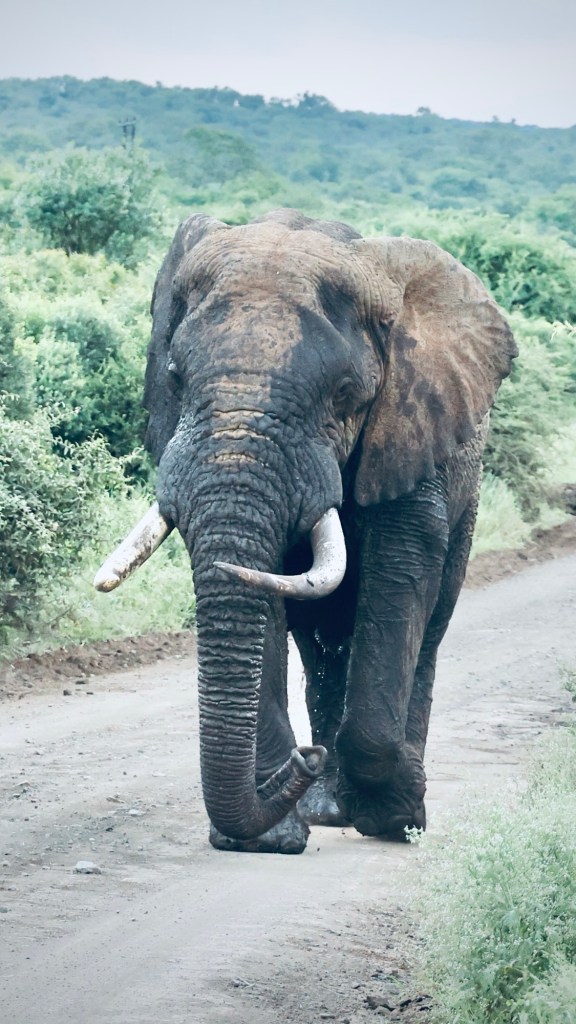
Baby Elephants are very cute to watch. Even when they are still quite small they like to play hard, especially if they encounter a muddy patch. These two youngster had a great time while their tolerant elders watched over them.

Baby Elephants weight between 90 and 120kg (200-260lbs) at birth. Most of all births happen at night, after a 22 months gestation period.

Technical data: Canon R6 with RF lens f11/800mm | ISO 4000 | 1/500sec | ev+0 | WB 6500K | AV Mode | Crop to 35% of original image | hand-held | Image taken at 12:30 midday

#amazingwildlife #africansafari #safarigetaway #christiansperkaphotography #thandasafari #big5 #gamereserve #wildlifephotography #learnphotography
Emotions!

Human tears are often associated with emotions. These can be tears of joy or sorrow.

African Elephants have temporal glands between their eyes and their ears (males and females). When they secret a dark, oily, musky liquid it is usually a sign for them being in a special emotional state. This can be sexual (especially with Elephant bulls in musth), but it can have many other reasons, like being a sign of distress when running into Lions, or being a sign of excitement when meeting up with another Elephant group.

Half an hour ago I took this picture of a young bull who started secreting from the gland after a sparring session with another bull. But his dry back legs would indicated that he is not in musth. Musth bulls have to get rid of their excess testosterone by constantly dribbling urine and have therefore wet legs.

Technical data: Canon R6 with RF lens f11/800mm | ISO 64000 | 1/500sec | f11 | ev+0 | 800mm | WB 6500K | AV Mode | Crop to 90% of original image

#amazingwildlife #africansafari #safarigetaway #christiansperkaphotography #thandasafari #big5 #gamereserve #wildlifephotography #learnphotography

Close up and personal!

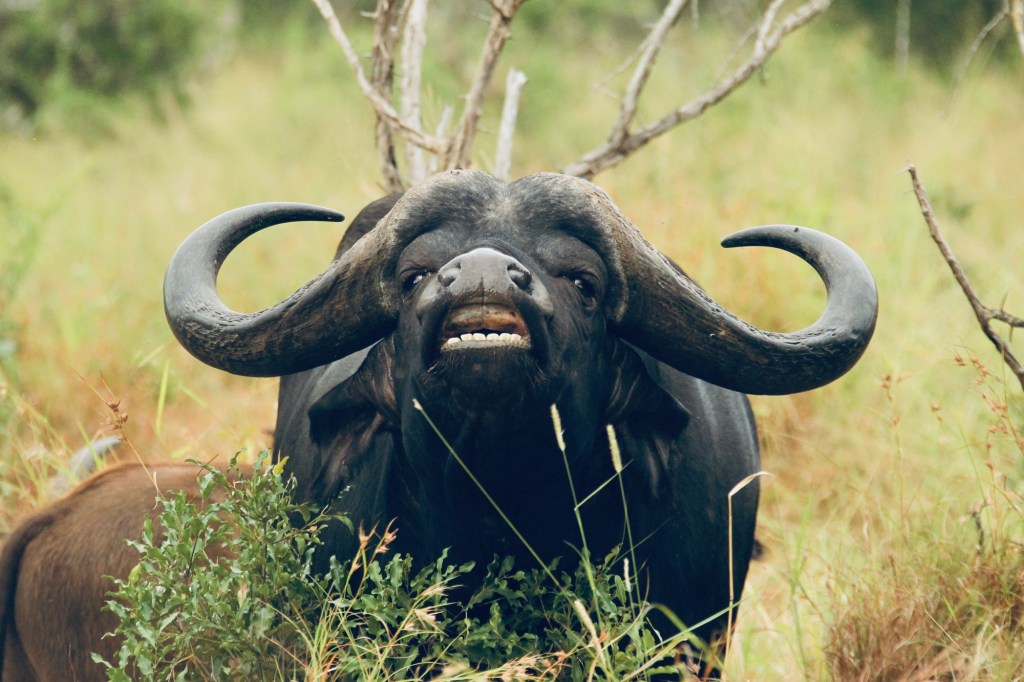
I often get asked why African Lion, Leopard, African Elephant, Black Rhino, and Cape Buffalo are called the ‘Big Five’. It is not a modern marketing term as many suspect, it is an old hunting term. These five mammals are the most dangerous to hunt on foot. Whereas most animals will run away when confronted by Humans, the Big Five will often rather attack, especially if a hunter injures them, but does not manage to kill them.

The two most dangerous of these five to encounter are Black Rhinos and Cape Buffalo bulls (either solitary or in small groups, called Dugga Boys). When confronted by Humans they will often attack without any warning. Most other mammals (including Lions and Elephants) will either run away or try to warn their opponent to back off before a possible attack.

This is a Dugga Boys picture of two taken from my Suzuki Jimny. On Thanda Safari our Buffalo are quite used to vehicles, which allowed me to lower my window and get this close-up portrait. I could feel the breath of first bull on my hand while holding the phone.

Note: I recommend not to get that close to Cape Buffalo if you do not know the temperament of the individuals you’re looking at (for example when driving yourself in a National Park). As with Black Rhinos (see yesterday’s post) a close encounter could lead to a lot of work for your panel beater!

Technical data: Apple iPhone 14 Pro Max | Main Camera | 24mm / f1.78 | ISO80 | cropped to 80 of the original image | Shot taken at 7:00am

#amazingwildlife #africansafari #safarigetaway #christiansperkaphotography #thandasafari #big5 #gamereserve #wildlifephotography #learnphotography

Twisted

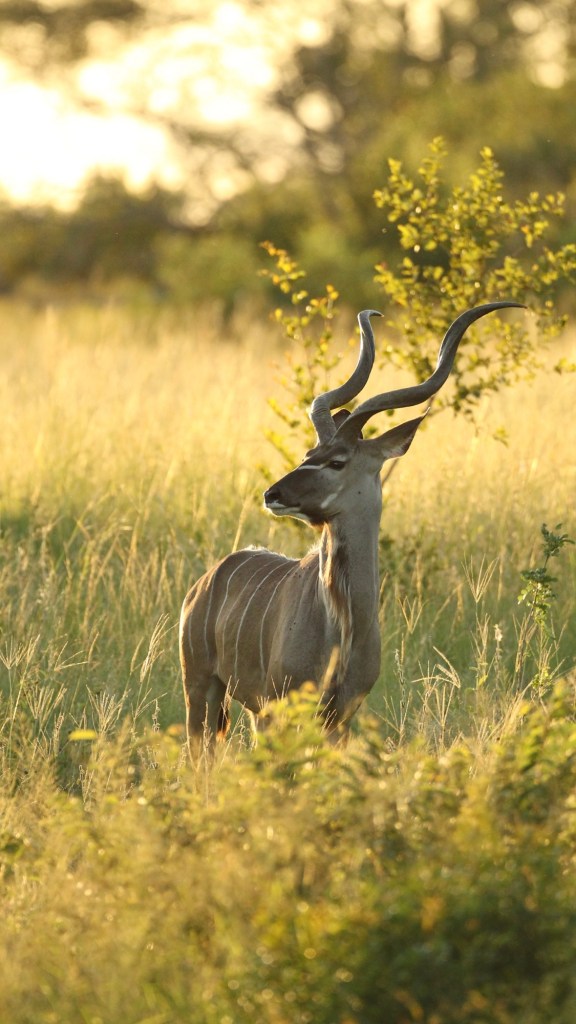
Greater Kudu males are most impressive creatures. The horns of a mature bull – if straightened – reach an average length of 1.2m (47″) and have two and a half twists. On occasion they may have three full twists with a length of up to 1.8m (71″). Horns only start growing at the age of 6-12 month. One twist is reached at about two years and the full two and a half twists at approximately six years.

A bull can reach up to 340kg (54stones) and over 1.5m (59″) in shoulder height. They are my favorite antelope living at Thanda Safari and Pakamisa Private Game Reserve.

Technical data: Canon R6 with EF lens f4.0/500mm | ISO 320 | 1/500sec | f4 | ev+/-0 | 500mm | WB 6500K | AV Mode | Crop to 25% of original image | hand-held

#amazingwildlife #africansafari #safarigetaway #christiansperkaphotography #thandasafari #big5 #gamereserve #wildlifephotography #learnphotography #thandasafari @thandasafari #pakamisagamereserve @pakamisagamereserve
Light and sharp!

It has been quite a while since I last purchased a new camera lens. But after a friend of mine lent me his Canon RF f11/800mm to try, I was so impressed that I bought one for myself. It is very light (1250g/44oz) and the stabilizer works extremely well. With its length of 800mm (16x magnification) it is ideal for bird photography.

In this collage are three of my first pictures taken with the new lens: A Village Weaver, a Helmeted Guineafowl, and a Wattled Lapwing. Excellent results for a lens that costs less than R20,000 (€/$1,000). The only limitation is that with f/11 it is not well suited for low light photography.

Technical data: Canon R6 with Canon RF lens f11/800mm | WB 6500K | AV Mode | Left 1/2000sec ISO3200 | Middle 1/500sec ISO1250 ev-1 | Right 1/500sec ISO200 ev-1 | all hand-held.

#amazingwildlife #africansafari #safarigetaway #christiansperkaphotography #thandasafari #big5 #gamereserve #wildlifephotography #learnphotography

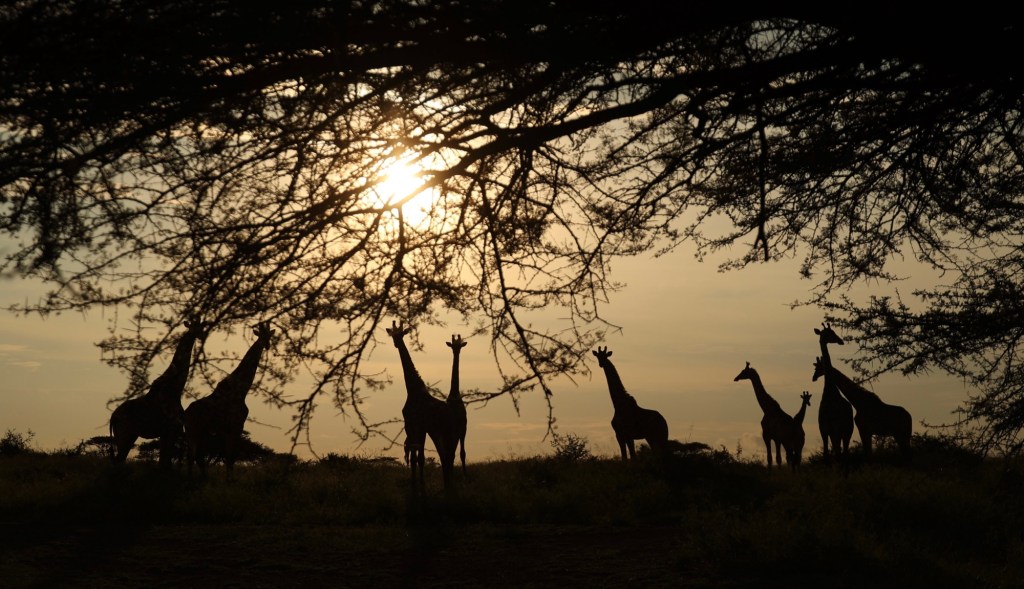
Another picture shot with the new lens 😊