Musth…

… is a surge in testosterone (and therefore heightened sexual drive) in Elephant bulls which can cause rather unpredictable behavior. During this annual period the males continuously dribble urine to get rid of the extra testosterone and their glands behind the eyes are constantly secreting fluids.

It is a good idea to stay clear of animals in that state – especially middle-aged ones – as they can be quite aggressive. But old musth bulls like this ‘six ton plus’ creature have experienced musth so often in their life, that they usually stay quite calm. Elephant ladies like big and old guys and this bull is therefore not concerned about getting frustrated with the opposite sex.

He passed our vehicle without any fuss, following a breeding herd.

Technical data: Canon R6 with EF lens f2.8/70-200mm | ISO 160 | 1/1/500sec | f2.8 | ev+0 | 150mm | WB 6500K | AV Mode | Crop to 75% of original image

#amazingwildlife #africansafari #safarigetaway #christiansperkaphotography #thandasafari #big5 #gamereserve #wildlifephotography #learnphotography
Native and Invasive!

The African Giant Land Snail (Lissachantina fulica) is native to East Africa, but is an invasive species in many parts of the world, where it has been introduced by humans either as a possible food source, for the pet trade, or just by accident. In these areas it is considered a pest of agriculture and households.

African Giant Land Snails often carry parasitic worms (Angiostrongylus cantinensis), which can cause a very serious form of meningitis.

They are hermaphrodites, which means they have both male and female reproductive organs. But they need a partner to reproduce by cross fertilisation.

Technical data: Apple iPhone 14 Pro Max | Ultra Wide Camera | 13mm | f2.2 | 24mm | 1/100s | ISO250

#amazingwildlife #africansafari #safarigetaway #christiansperkaphotography #thandasafari #big5 #gamereserve #wildlifephotography #learnphotography

A Leopard…

… Tortoise is no stand-in for its Big Five name giver. Whereas Leopards (the cats) are rather shy and elusive, Leopard Tortoises can be seen quite regularly on Thanda Safari. With leopard-like markings on their shell they are amazing creatures to observe.

Leopard Tortoises are part of the Small Five together with Ant Lions (a tiny predatory insect), Elephant Shrews (a small mouse-like mammal), Rhino Beetles (rather large beetles), and Buffalo Weavers (a gregarious weaver bird).

Technical data: Canon R6 with EF lens f4.0/500mm | ISO 1600 | 1/3000sec | f4 | ev+/-0 | 500mm | WB 6500K | AV Mode | Crop to 20% of original image

#amazingwildlife #africansafari #safarigetaway #christiansperkaphotography #thandasafari #big5 #gamereserve #wildlifephotography #learnphotography

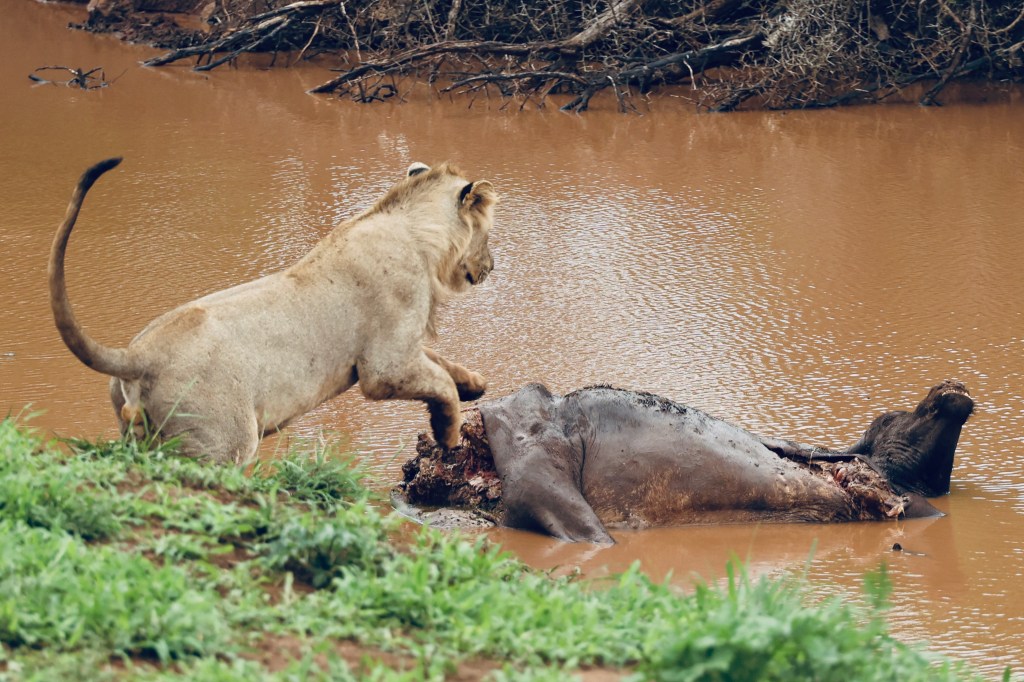
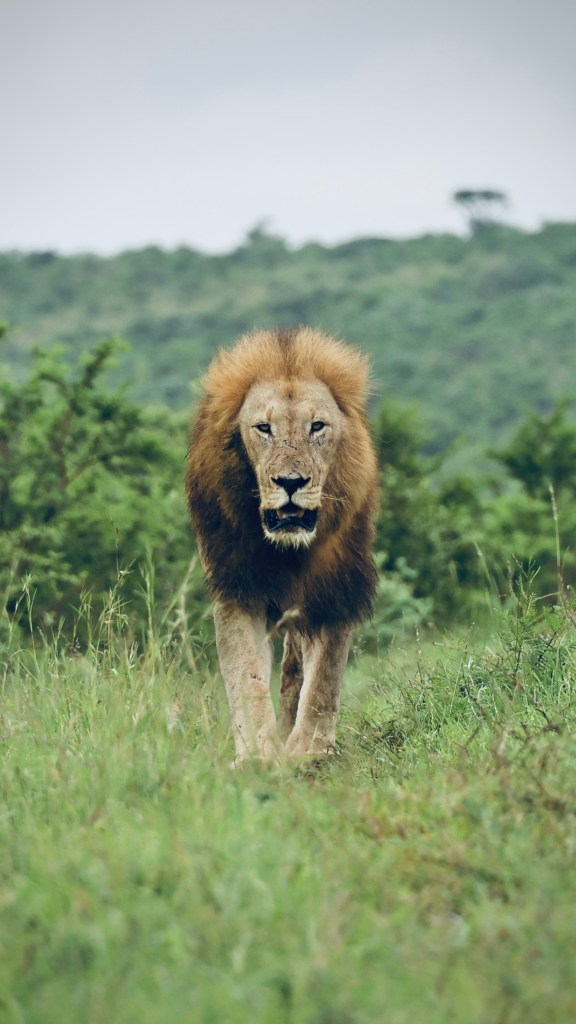
A hard life!

Male Lions are often described as lazy pashas living in cozy comfort, while their females do all the hunting work. That is very far from the truth.

For the first two to three years of his live a young male is looked after very well by his pride. But once he hits puberty and is ready to mate his dad does no longer like him and will kill him unless the youngster runs away. He now has to try to survive by himself.

Only one out of ten male Lion ever makes it to full adulthood. That one survivor will be a strong animal and ultimately kill an older dominant male and take over his territory and his prides. From that moment to the end of his life he will fight other males who want to displace him, until one of them succeeds. A very hard life!

This picture shows a young male at the edge of puberty.

Technical data: Canon R6 with EF lens f2.8/70-200mm | ISO 1600 | 1/350sec | f2.8 | ev+0 | 200mm | WB 6500K | AV Mode | Crop to 25% of original image

#amazingwildlife #africansafari #safarigetaway #christiansperkaphotography #thandasafari #big5 #gamereserve #wildlifephotography #learnphotography
Not only fish!

There are ten species of Kingfishers to be found in Southern Africa. Five of them are aquatic species and therefore hunting mostly fish. The other five are forest species catching predominantly insects and small vertebrates.

This is one of my favorite pictures of a Brown-hooded Kingfisher, the most common forest species on Thanda Safari (the other four are Striped-, Woodland-, Pygmy-, and Grey-hooded). The five aquatic species are Malachite-, Mangrove-, Half-collared-, Giant-, and Pied-).

Technical data: Canon R6 with EF lens f4.0/500mm | ISO 100 | 1/750sec | f4 | ev+/-0 | 500mm | WB 6500K | AV Mode | Crop to 30% of original image

#amazingwildlife #africansafari #safarigetaway #christiansperkaphotography #thandasafari #big5 #gamereserve #wildlifephotography #learnphotography
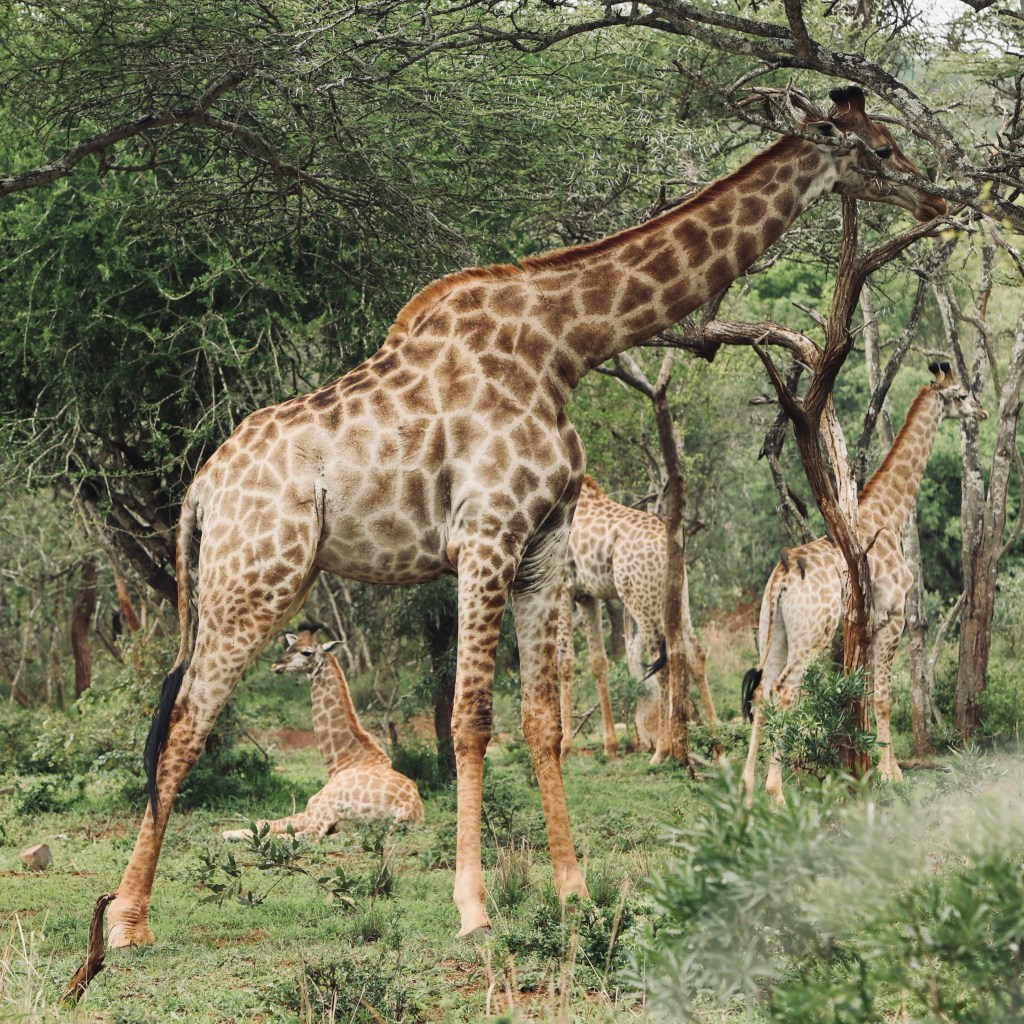
280/180!

The blood pressure of a Giraffe is over double that of the ‘human standard’ (120/80). The tallest land mammal on earth requires the highest mammal blood pressure on earth to sustain its brain, far up above the ground.

And when adult Giraffe want to rest, they usually sit down and keep their head up in the air, not to risk high pressure damage to their brain.

Whenever they have to lower their head they do it only for short periods of time for the same reason.

Technical data: Canon R6 with EF lens f4.0/500mm | ISO 100 | 1/750sec | f4 | ev+1.5 | 500mm | WB 6500K | AV Mode | Crop to 25% of original image

#amazingwildlife #africansafari #safarigetaway #christiansperkaphotography #thandasafari #big5 #gamereserve #wildlifephotography #learnphotography

Thick skin

An Elephant’s skin can be up to 3.8cm (1.5”) in certain places. The folds and wrinkles may contain far more water than flat skin. That helps them to stay cool. The have no sweat glands, so they often cover their skin with wet mud which also helps them cooling down in hot weather.

Their skin is very sensitive and they are one of only a few mammals who will not tolerated Oxpeckers (birds, which mainly hunt for ticks) sitting on them. But especially behind their ears the skin is very thin with many veins getting a lot of blood close to the surface. Flapping their ears back and forth helps them cooling down their blood.

Technical data: Canon R6 with EF lens f2.8/300mm | ISO 10000 | 1/750sec | f4 | ev+0 | 300mm | WB 6500K | AV Mode | Crop to 90% of original image

#amazingwildlife #africansafari #safarigetaway #christiansperkaphotography #thandasafari #big5 #gamereserve #wildlifephotography #learnphotography
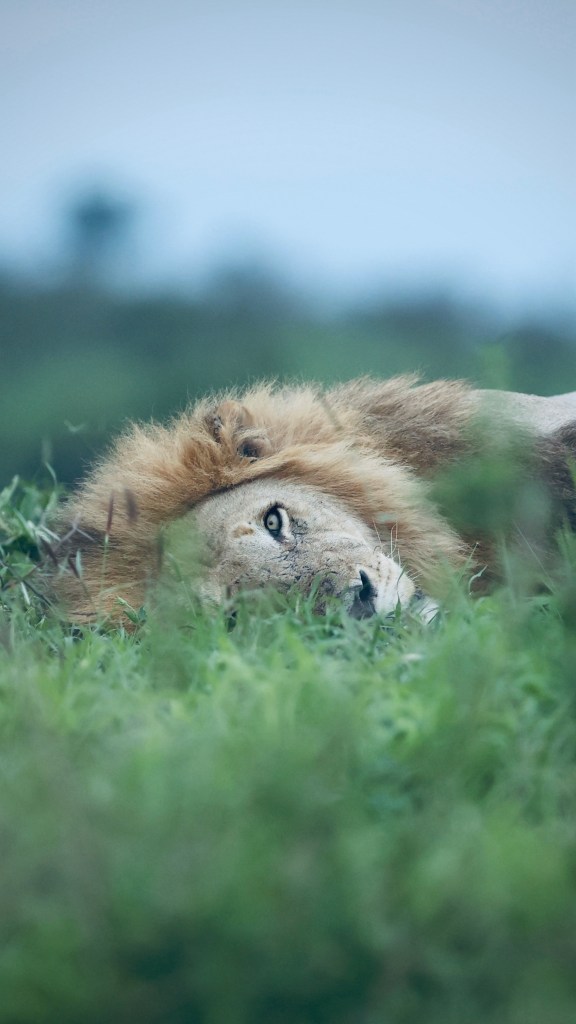
Ready for a lazy weekend?

Lions, as most large carnivores, spend most of their time resting. They can afford to do this as they are consuming ‘high-energy food’ (meat eaten very quickly after a kill). In contrast all the large herbivores (eg Elephants, Rhinos, Buffalos, Giraffes) must spend most of their time ingesting their ‘low-energy food’ (plant material like grasses and trees).

So Lions may sleep up to 20 hours per day whereas Elephants will sleep as little as 2 hours in the same time frame. Have a good -lazy- weekend!

Technical data: Canon R6 with EF lens f2.8/300mm | ISO 2500 | 1/500sec | f2.8 | ev+0 | 300mm | WB 6500K | AV Mode | Crop to 40% of original image

#amazingwildlife #africansafari #safarigetaway #christiansperkaphotography #thandasafari #big5 #gamereserve #wildlifephotography #learnphotography
Stripes!

Three different species of Zebra exist today. The Plains Zebra (Equus quagga) is the most common one and occurs all over sub-Saharan Africa (with six recognized subspecies).

The two other species are the Mountain Zebra (Equus zebra) only found in Southern Africa (mainly in Namibia and the Western parts of South Africa), and Grevy’s Zebra (Equus grevyi) only occurring in East Africa. The latter two species are threatened by extinction.

This picture is of a Burchell’s Zebra (Zebra quagga burchelli or Damaraland Zebra or Zululand Zebra), a Southern subspecies of the Plains Zebra, which can be found on Thanda Safari. In difference to all other Zebras they have a few grey shadow stripes between their white and black stripes.

Technical data: Canon R6 with EF lens f2.8/70-200mm | ISO 100 | 1/2000sec | f2.8 | ev+0 | 140mm | WB 6500K | AV Mode | Crop to 80% of original image

#amazingwildlife #africansafari #safarigetaway #christiansperkaphotography #thandasafari #big5 #gamereserve #wildlifephotography #learnphotography

Smart!

Crows and Ravens are some of the smartest creatures on earth. This is a Pied Crow (Corvus albus) which is quite common on Thanda.

They are an important member of the ‘bush cleanup crew’ (like Hyenas, Vultures, Jackals, Storks, Eagles, Maggots, and many more) scavenging on dead carcasses. But they also prey on eggs from other birds. I caught this specimen looking for ground-nesting Lapwings’ eggs.

Technical data: Canon R6 with EF lens f4.0/500mm | ISO 400 | 1/500sec | f4 | ev0 | 500mm | WB 6500K | AV Mode | Crop to 25% of original image

#amazingwildlife #africansafari #safarigetaway #christiansperkaphotography #thandasafari #big5 #gamereserve #wildlifephotography #learnphotography