Bird of the Day – Secretary Bird

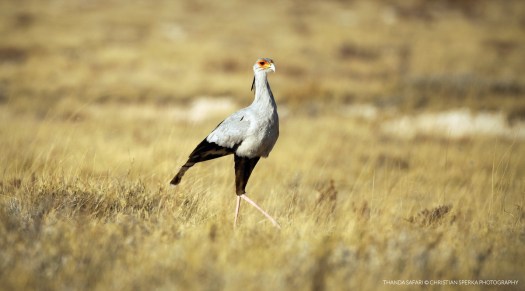
One of my favorite birds of prey: The Secretary Bird. This picture was taken at Etosha National Park in Namibia.

To view more of my Secretary Bird images go to http://www.sperka.biz/sgb6
20110721 - CS1_6000 - E - 14

The Secretary Bird (Sagittarius serpentarius) is a very large bird of prey. Endemic to Africa, it is usually found in the open grasslands and savannah of the sub-Saharan region.

Unlike most birds of prey, the Secretary Bird is largely terrestrial, hunting its prey on foot. Adults hunt in pairs and sometimes as loose familial flocks, stalking through the habitat with long strides. Prey may consist of insects, small mammals, lizards, snakes, young birds, bird eggs, and sometimes also dead animals. The importance of snakes in the diet may have been exaggerated in the past, although they can be locally important and venomous species such as adders and cobras are regularly among the types of snake preyed upon.

It appears on the coats of arms of Sudan and South Africa.

Coat_of_Arms_of_South_Africa  coatofarms_sudan

Little one …

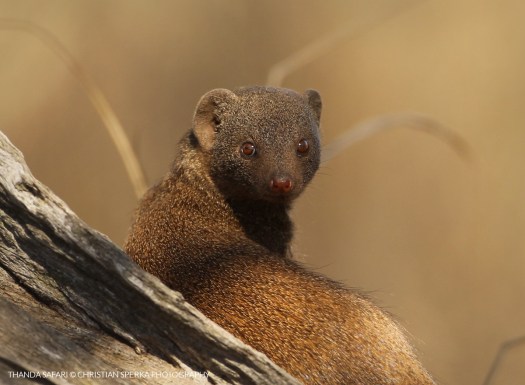
One of the little mammals – a Dwarf Mongoose! I took this picture in 2011 at Kruger National Park.

To view more of my Dwarf Mongoose images go to http://www.sperka.biz/sg11

20110630 - CS2_6420 - E - 05

The Dwarf Mongoose (Helogale parvula) is a small African carnivore belonging to the mongoose family (Herpestidae). It has a large pointed head, small ears, a long tail, short limbs, and long claws. It is much smaller than most other Mongoose species (18 to 28 cm, 210 to 350 grams) and it is Africa’s smallest carnivore. The soft fur is very variable in color, ranging from yellowish red to very dark brown.


Bird of the Day – Wahlberg’s Eagle

As I am working on the re-organization of my image library I thought to start a series of blogs, which many of you might enjoy. I will present a ‘Bird of the Day’ as often as possible – might not be every day, but we will see how it goes 🙂


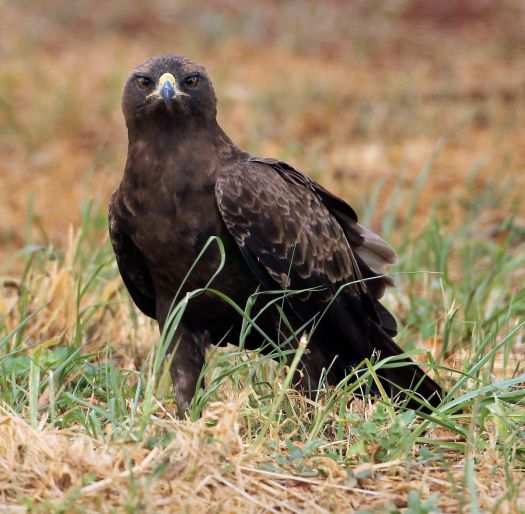
This very dark specimen and its mate have a nest near Thanda house. I took this shot trough my office window as the bird sat only a short distance away in the newly cut grass.

To view more of my Wahlberg’s Eagle images go to http://www.sperka.biz/sgb2

Wahlberg’s Eagles (Hieraaetus wahlbergi – named after the Swedish naturalist Johan August Wahlberg) are medium-sized raptors. They are about 53–61 cm (21–24″) in length with a wingspan of 130–146 cm (51–58″) and occur in many color variants from pale and light brown to almost black. They are bird of woodland, often found near water. Wahlberg’s Eagles hunt reptiles, small mammals, and birds.

20160124 - CS1_8523 - E - 00

Two for one!

A first for me …

thandablog's avatar

It does not happen often that one sees two of the Big Five in close proximity and one sighting. The Thanda Safari guests enjoyed this very special encounter of a Black Rhino Bull in the between a herd of Elephants!

20160123 - CS2_4741 - T

Picture by Christian Sperka – Resident Wildlife Photographer – Thanda Safari

Never miss a message from Thanda! Sign up to the Thanda Blog and receive an email with every new post – http://thandablog.com/follow-the-blog/ and/or sign up to our Newsletter – http://www.thanda.com/contact/newsletter-sign-up.htm

Thanda Safari is a member of The Leading Hotels of the World

View original post

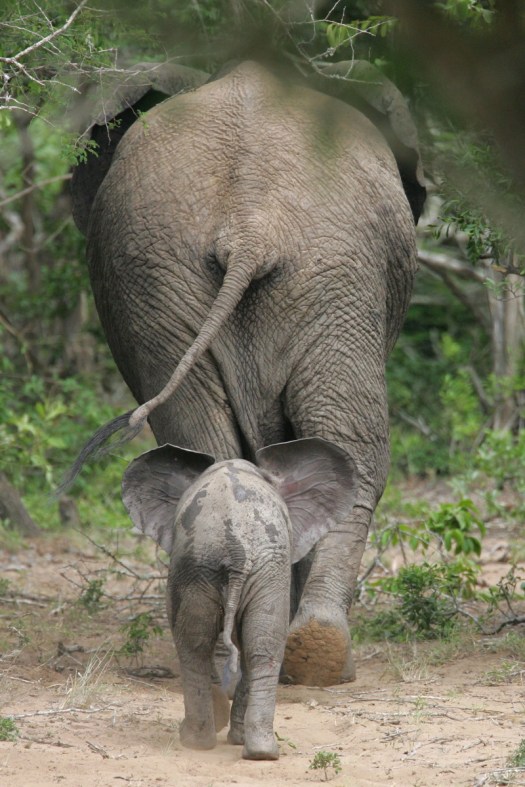
For the Elephant lovers among you!

I have just uploaded 159 African Elephant images taken between 2002 and 2016. Have a look at www.sperka.biz/sg10

This is another new species gallery available online at http://www.sperka.biz/sg

20060102 - CS0_3628 - E - 01


Please contact me at info@sperka.com in case you are interested in publishing any of these images or if you would like to license any image for printing (for personal or commercial use).

Skill and Luck

I love my job!

thandablog's avatar

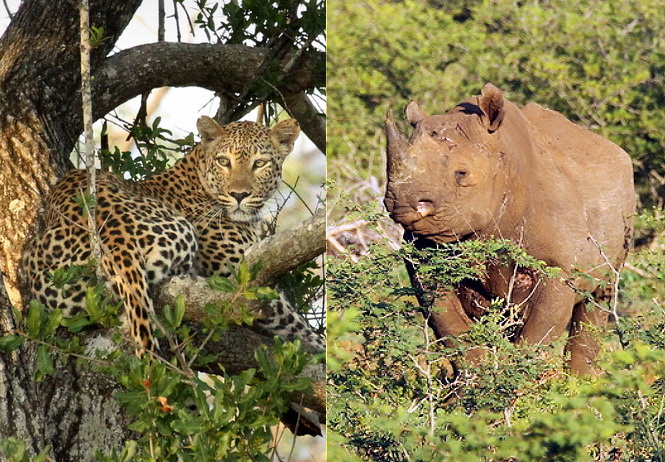
Skill and Luck – Both are very important when one goes on a Safari. Spotting a Leopard in a tree is a skill, the Leopard being there at the right time is pure luck. Tracking down a Black Rhino is a skill, for the Black Rhino to stick around long enough to be able to take some good pictures is very lucky, indeed.

Thanda Safari guests on last night’s and this morning’s game drives experienced the skill and the luck!

20160210 - CS3_6967 - T

20160211 - CS3_7047 - T

Pictures by Christian Sperka – Resident Wildlife Photographer – Thanda Safari

Never miss a message from Thanda! Sign up to the Thanda Blog and receive an email with every new post – http://thandablog.com/follow-the-blog/ and/or sign up to our Newsletter – http://www.thanda.com/contact/newsletter-sign-up.htm

Thanda Safari is a member of The Leading Hotels of the World

View original post

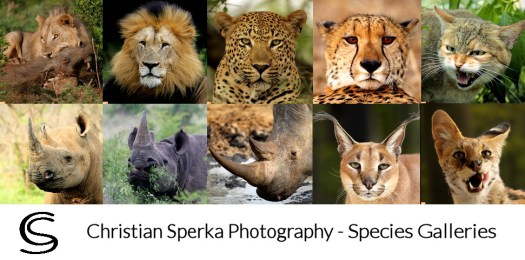
The Species Galleries (1)

Species Galleries_1

My image library contain thousands of wildlife images, which I took since I started wildlife photography in 2002. Keeping these images organized and available for people to look at is not an easy task.

End of last year I started a project to categorize all these images in ‘species galleries‘ and also put them online. I am currently working on African Mammals, followed by Birds, Snakes, other Reptiles Insects and Plants. After Africa I am planning to work on images from species of other continents.

Have a look at the first ten of these galleries at www.sperka.biz/sg (African Lion, Leopard, Cheetah, African Wild Cat, Black Rhinoceros, White Rhinoceros, African Elephant, Caracal and Serval).

Please contact me at info@sperka.com in case you are interested in publishing any of these images or if you would like to license any image for printing (for personal or commercial use).

I will let you know once I upload new galleries. Stay tuned!

No CLICKS please!

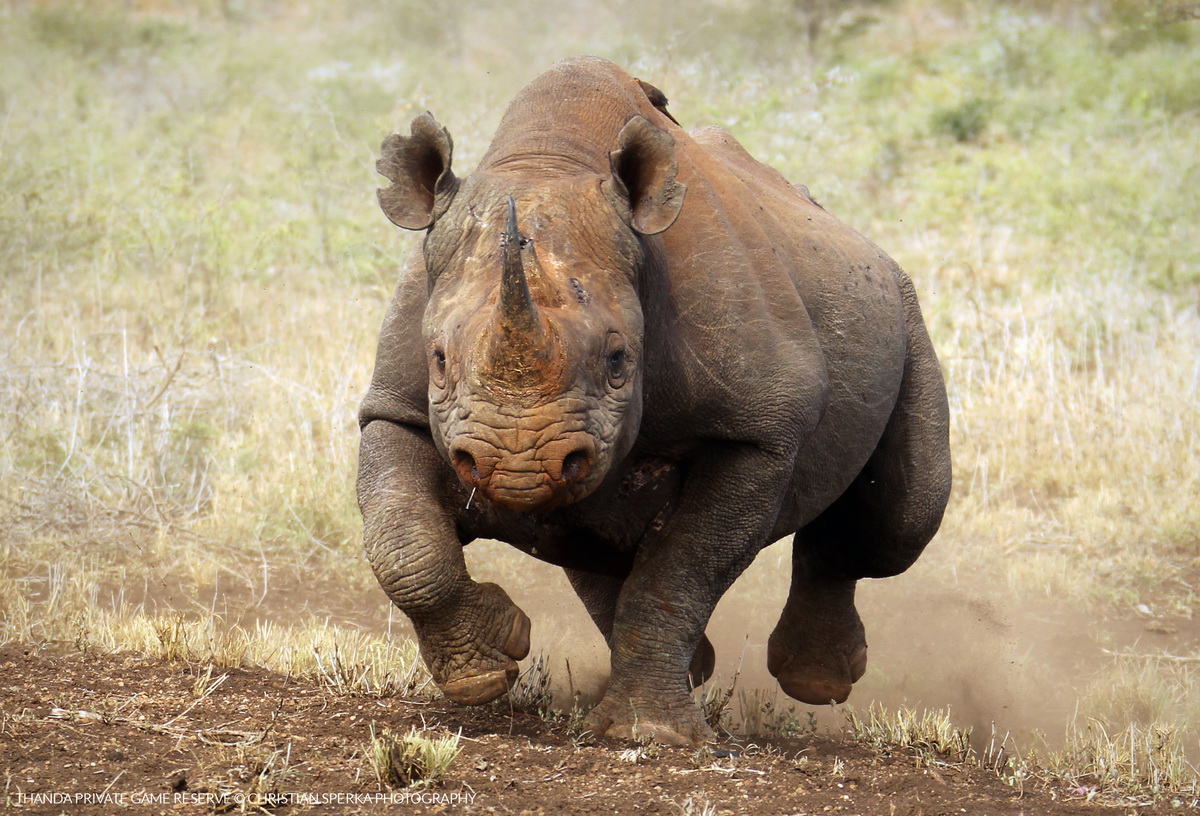
Being in my own car (a Toyota Fortuner) at the time made for an incredible eye level sighting. It takes a bit of experience and cool nerves to keep shooting when he accelerates 🙂

thandablog's avatar

This Black Rhino bull was striding across the savanna directly towards our vehicle. As he closed to about 30 meters (~75′) he got quite annoyed at the camera clicks and mock-charged the vehicle before he disappeared into the bush. This series of images show the power behind this incredible creature.

View original post

Prepare to fly!

When the weather conditions are just right, Flying Alates take off for their flight to find a mate. Thousands of termites – warriors and workers – are helping to get their reproductive brothers and sisters one the way to form new colonies. The  alates fly out of the termite hill in hundreds and thousands and many of them fall victim to predators. Manly birds, but also other insect enjoy these ‘flying days’.

Have a look at these three images documenting this story.


Workers and Warriors assist the much larger Alates on their departure
Workers and Warriors assist the much larger Alates at their departure


Swarming out - with the Thanda Safari Lodge in the background
Swarming out – with the Thanda Safari Lodge in the background


A predatory insect having a great day

Panthera’s Photo of the Month

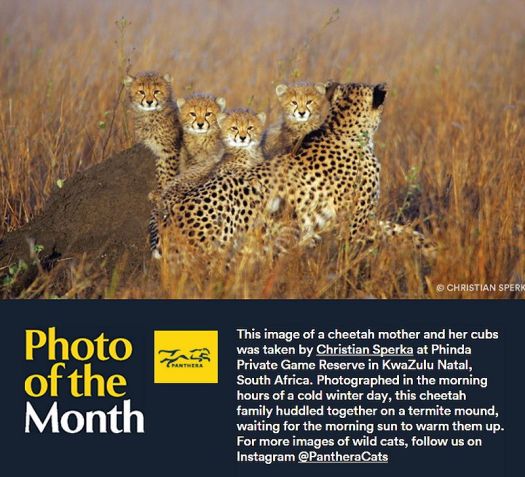
Panthera is the only organization in the world devoted exclusively to the conservation of the world’s 38 wild cat species and their ecosystems. I work as one of their partner photographers since many years. This month they have selected one of my favorite Cheetah images as their photo of the month. Have a look at this month’s Panthera Newsletter.

Panthera