On the weekend we found this very young Cape Buffalo calf and its mum. The little one stayed very close to its mother, who still showed all the signs of a recent birth.
It is very important for the calf to get licked and nuzzled by mum and lick and nuzzle mum. It creates a bond that is important for them to identify one another within a herd.
We observed them for a while and I was fascinated by the big eyes in the small head 🙂
Technical data: Canon R6 with RF lens f4-6.3/24-240mm | ISO 2000 | 1/500sec | f6.3 | ev+0 | 150mm | WB 6500K | AV Mode
Have a good week 🙂
PS: I will be on a trip to Europe from end of this week until mid of June. My wildlife blogs/posts will resume on 17 June.
This morning, Thanda Safari published the official release for THE ROYAL THANDA CLUB.
I am proud to have contributed many pictures to the project and I am looking forward to providing my photographic services to the future guests of The Royal Thanda Club.
Please take a look at the fact sheet and brochure (links below) for these incredible new villas with their stunning views of the Rolling Hills of Zululand!
Quite a few people asked me about the large stuffed Leopards which I have imported from China as deterrents against Monkeys.
It is amazing that these large toy cats (90cm and 133cm in length) scare Monkeys.
Placed as the centre piece on or just somewhere in a tree near a buffet table they keep the Monkey thief’s away from breakfasts, lunches, and dinners. I even used one for a picnic at Sodwana bay (famously invaded by monkeys) and not one of the small primates came anywhere near the food.
Feel free to contact me if you would like to purchase one of these large ‘toys’. I have still a few left and I will import more if the demand continues!
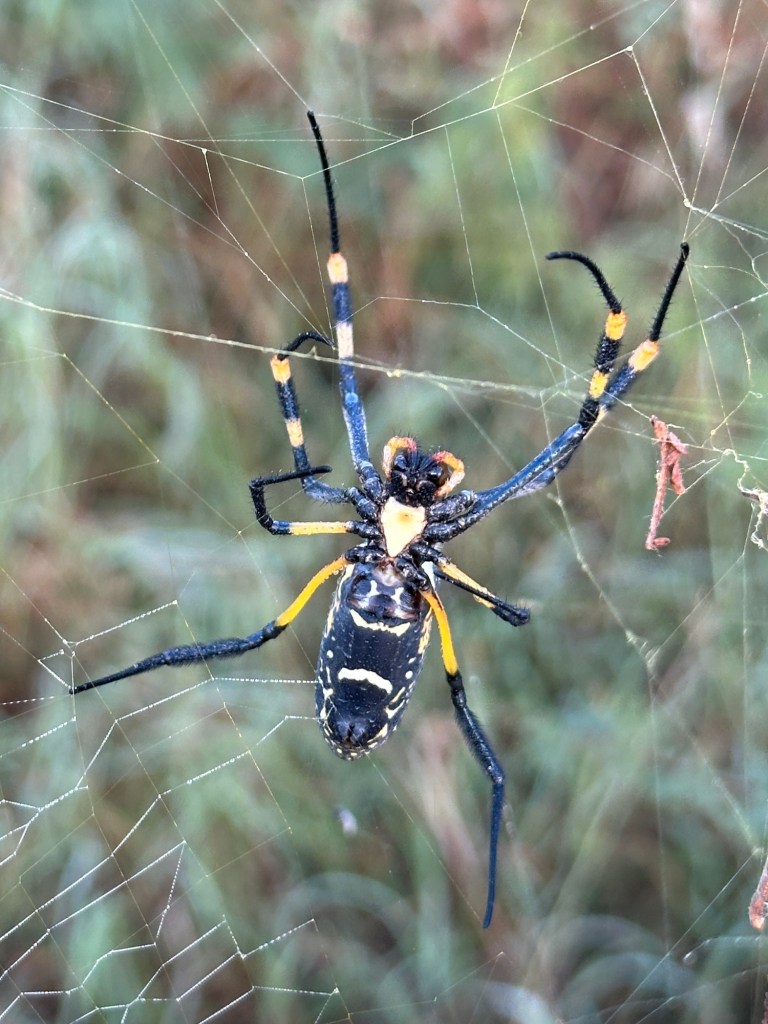
… are noted for the impressive webs they weave. There are quite a few different species in the genus _Trichonephila_. The females can reach sizes of over 5cm (2″). The males are usually 2/3 smaller.
This picture shows what one can close-up work one can do with a good smart phone.
Technical data: Apple 14 Pro Max | Main Camera 48mm | ISO 80 | 1/85sec | f1.8 | ev+0 | 240mm
When a pride of lions has many juvenile members, the experienced Lionesses often leave them for a while to attempt hunting on their own.
Especially young male Lions regularly “mess up” a hunt by being too obvious and/or too clumsy.
In this picture, a Lioness returned to the pride from such an unsuccessful outing, and all the youngsters ran enthusiastically to greet her.
A moment after this image was taken, they complained (moaned) to mum about being hungry.
And a few minutes after that, a dazzle of Zebras walked by, and the whole pride (8 lions) tried to catch one of them, again with no success.
As it got very warm at the time, they all decided to settle down in the shade of a tree and try their luck again in the evening.
A great experience for the guests on my vehicle!
Technical data: Canon R6 with RF lens f4-6.3/24-240mm | ISO 1250 | 1/3000 sec | f6.3 | EV +0 | 150mm | WB 6500K | AV Mode | Cropped to 25% of the original image
If you would like to read more of my stories and see more of my pictures, you should visit my blog at https://www.sperka.com
Looking at a Zebra … Technical data: Canon R6 with RF lens f4-6.3/24-240mm | ISO 320 | 1/2000sec | f6.3 | ev+0 | 190mm | WB 6500K | AV Mode | Crop to 50% of original image
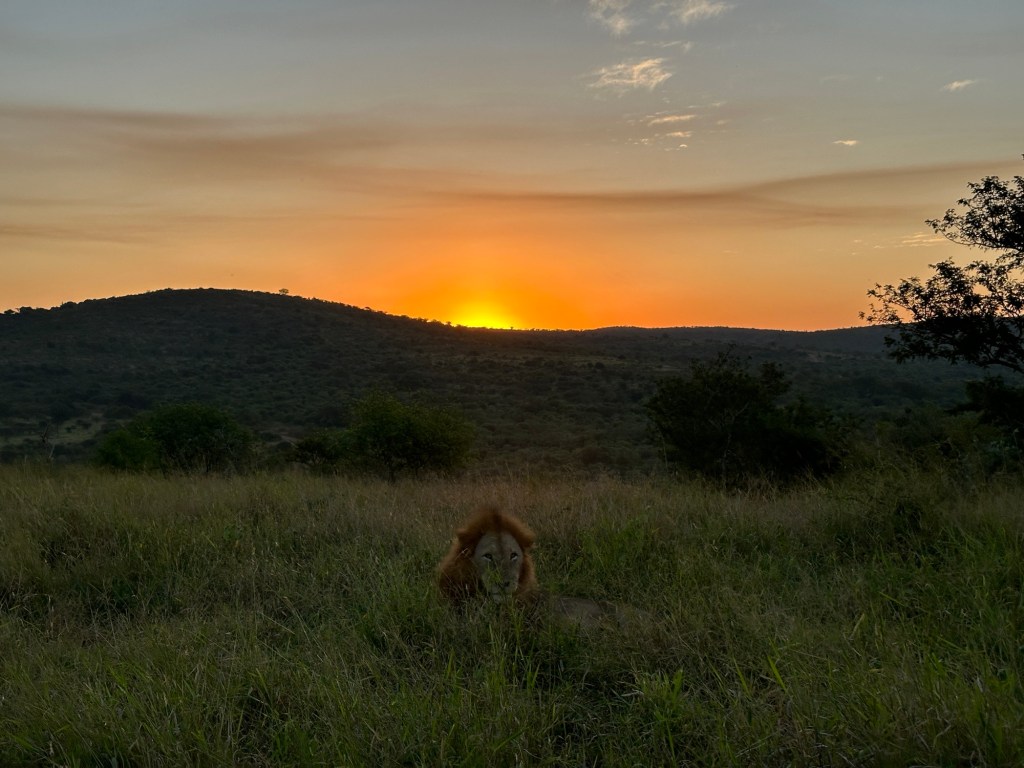
When I sent this picture (which I took this evening on my way home) to a friend, he responded with ‘this is Photoshop, isn’t it’.
Well, the answer is that it is not! Our dominant male lion raised his head from sleeping just as the sun had set. I was in the right place at the right time!
This picture was taken with my iPhone 14 Pro Max and was edited with the standard iPhone tools.
Here are the steps taken:
1 – The picture was first cropped to 9:16 (portrait).
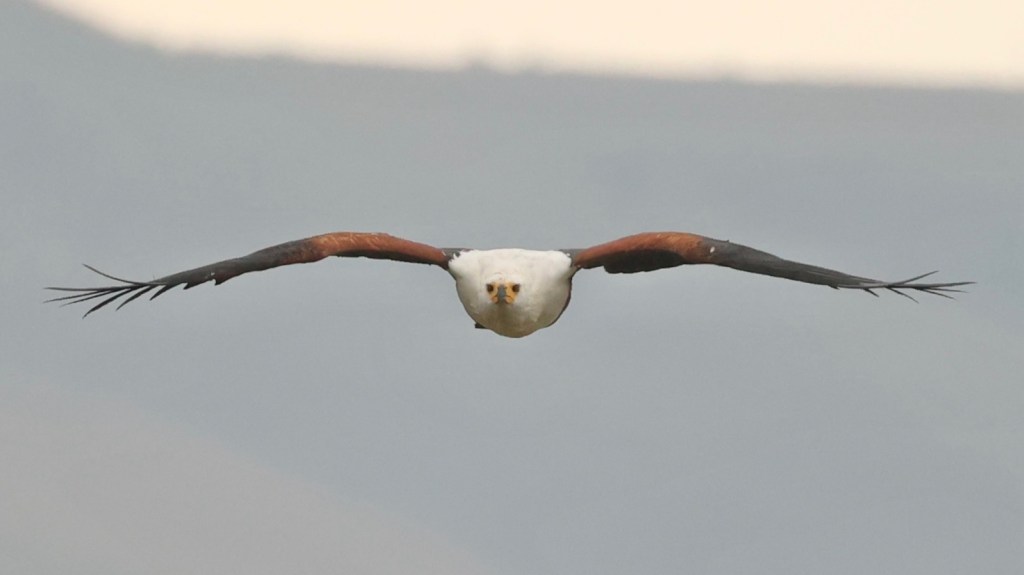
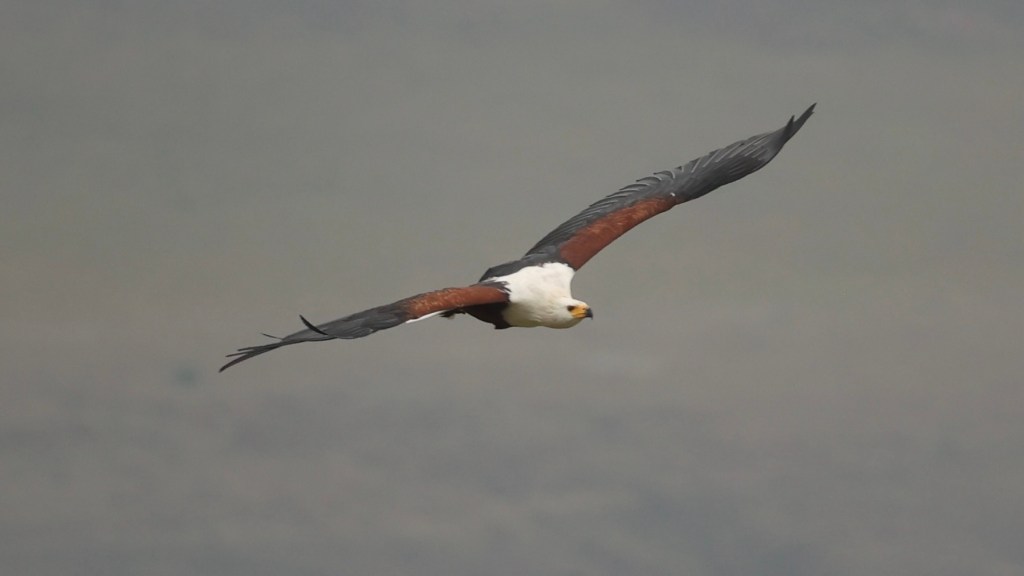
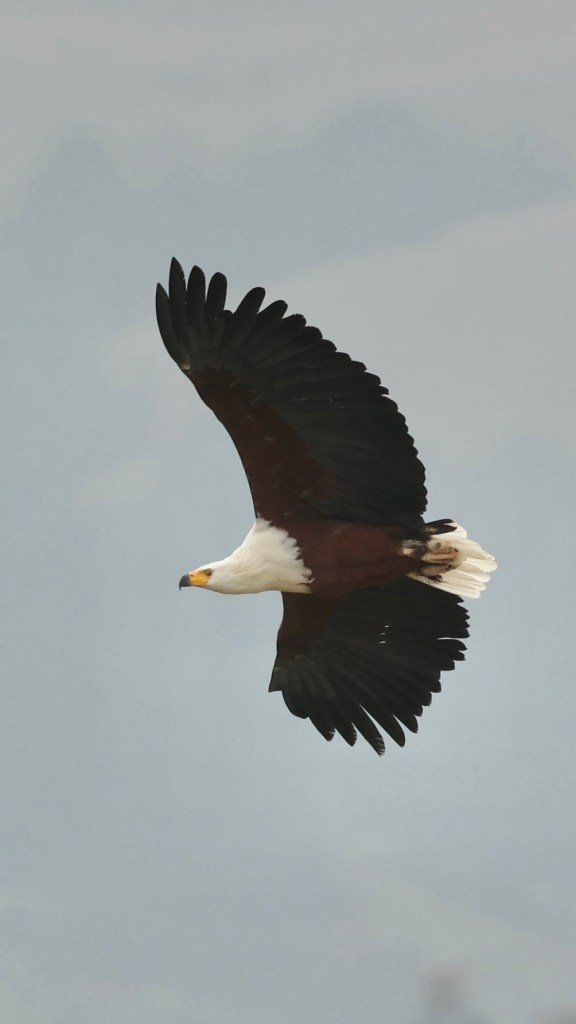
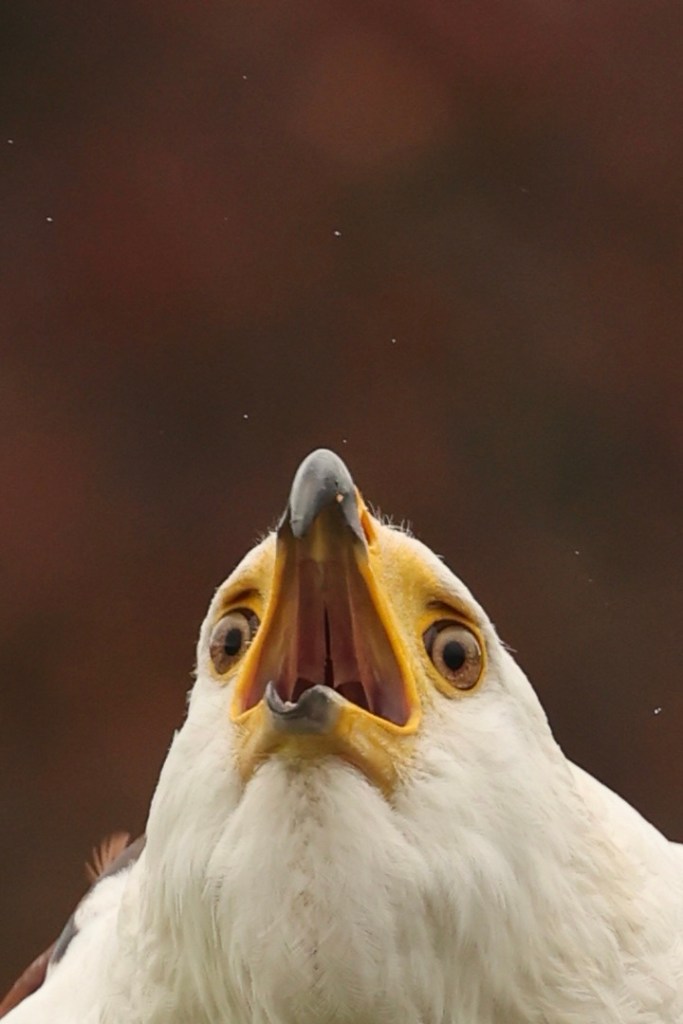
One of the most iconic birds representing Africa is the African Fish Eagle. This large and beautiful bird of prey has a very distinctive call to communicate with other members of its species.
They resemble the American Bald Eagle as they are part of the same bird family (Accipitridae).
The African Fish Eagle is typically larger in size compared to the Bald Eagle. The African Fish Eagle has a wingspan of up to 8 feet (2.4 meters) and a body length of around 3 feet (0.9 meters). In comparison, the Bald Eagle has a wingspan of around 6.5 to 7.5 feet (2 to 2.3 meters) and a body length of about 2.5 to 3 feet (0.76 to 0.91 meters).
I took this picture of an African Fish Eagle landing on a tree stump at the Falcon Ridge Bird of Prey Centre in the Drakensberg. A place well worth visiting!
Technical data: Canon R6 with RF lens f4-6.3/24-240mm | ISO 800 | 1/2000sec | f4.5 | ev+2 | 62mm | WB 6500K | AV Mode | Crop to 60% of original image
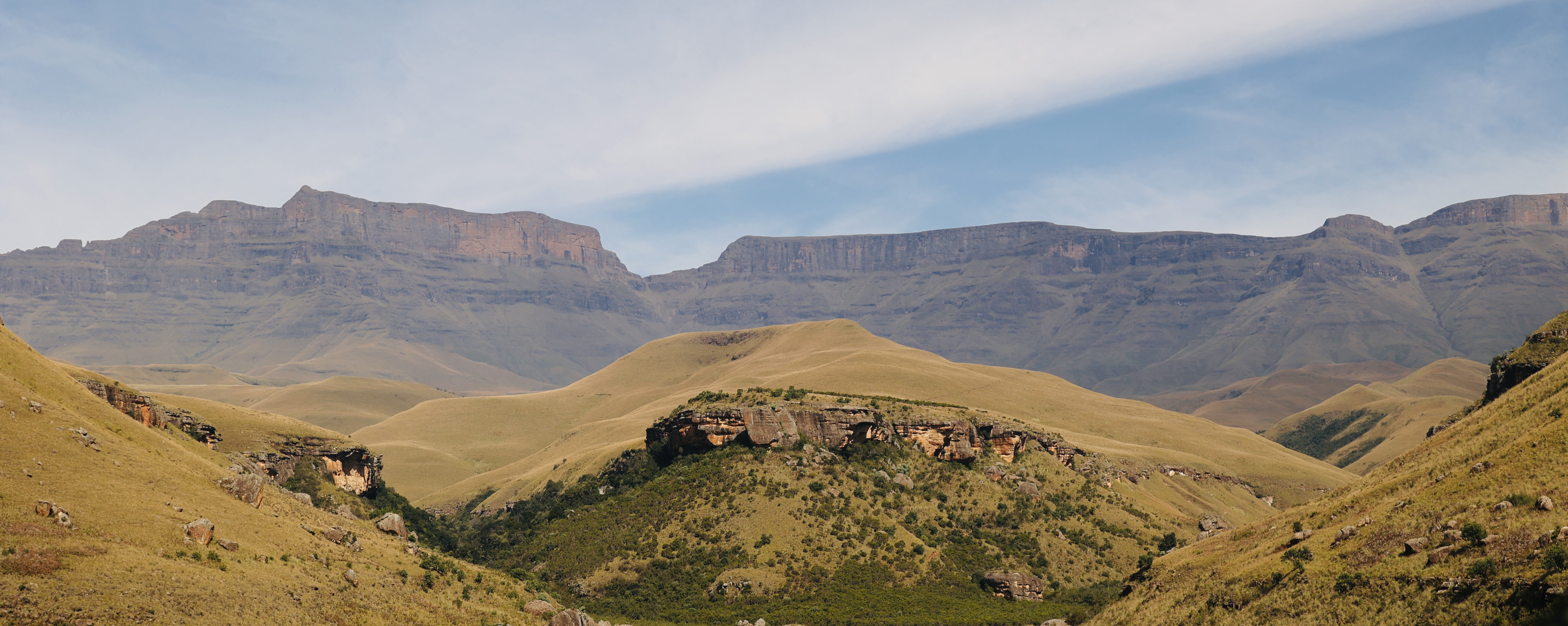
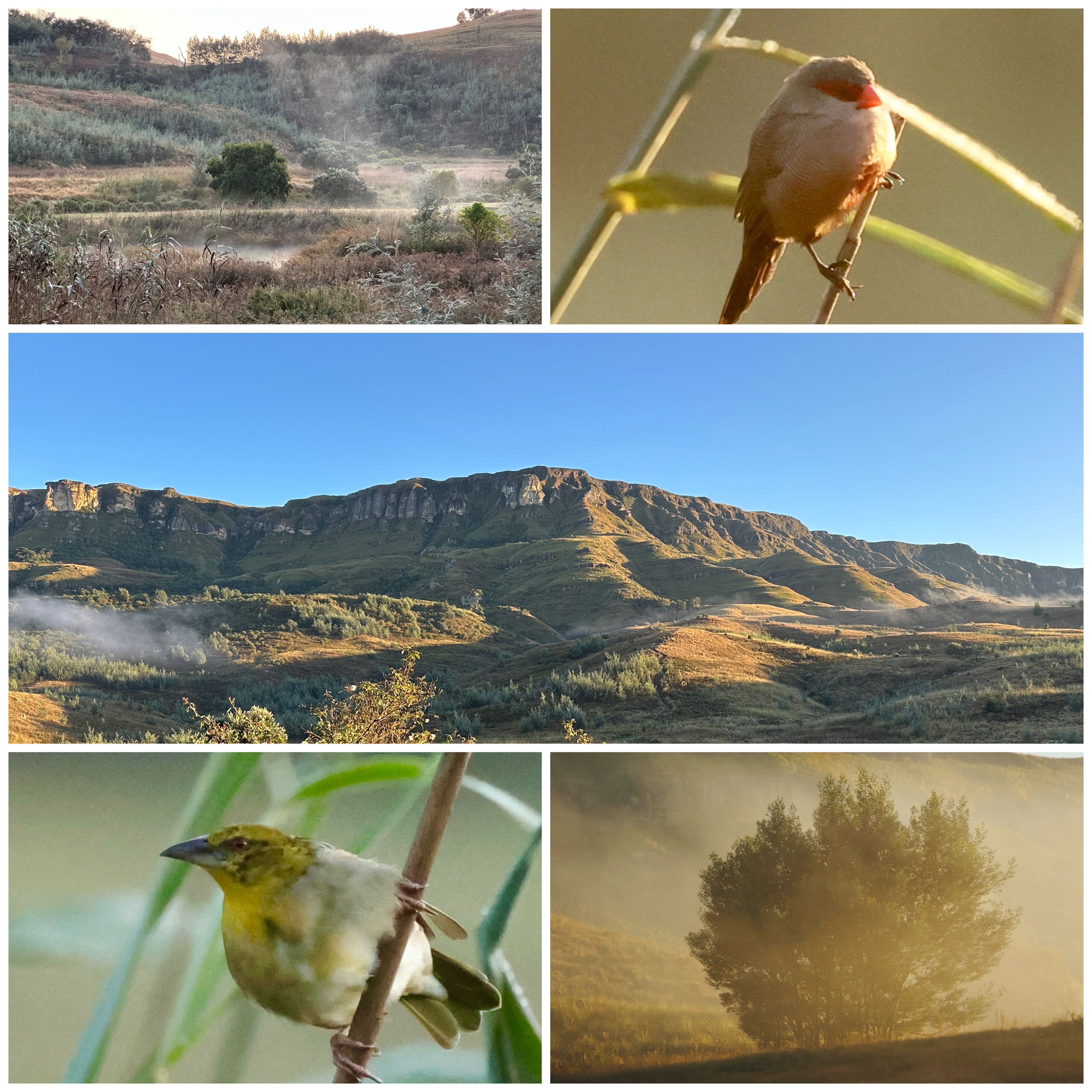
The uKhahlamba Drakensberg (a World Heritage Site) is a magnificent range of mountains, the majority of which lie in KwaZulu Natal and stretch well over 200 kilometres, forming a natural border between Lesotho and KwaZulu Natal. Last week, I spent five days in the area.
Below is a picture report for all the places I visited during this ‘fact-finding mission.’ I never travel anywhere with guests where I have not visited myself beforehand. On the way to ‘The Berg,’ I drove through the Midlands and looked at a few places there as well.
List of places/activities visited:
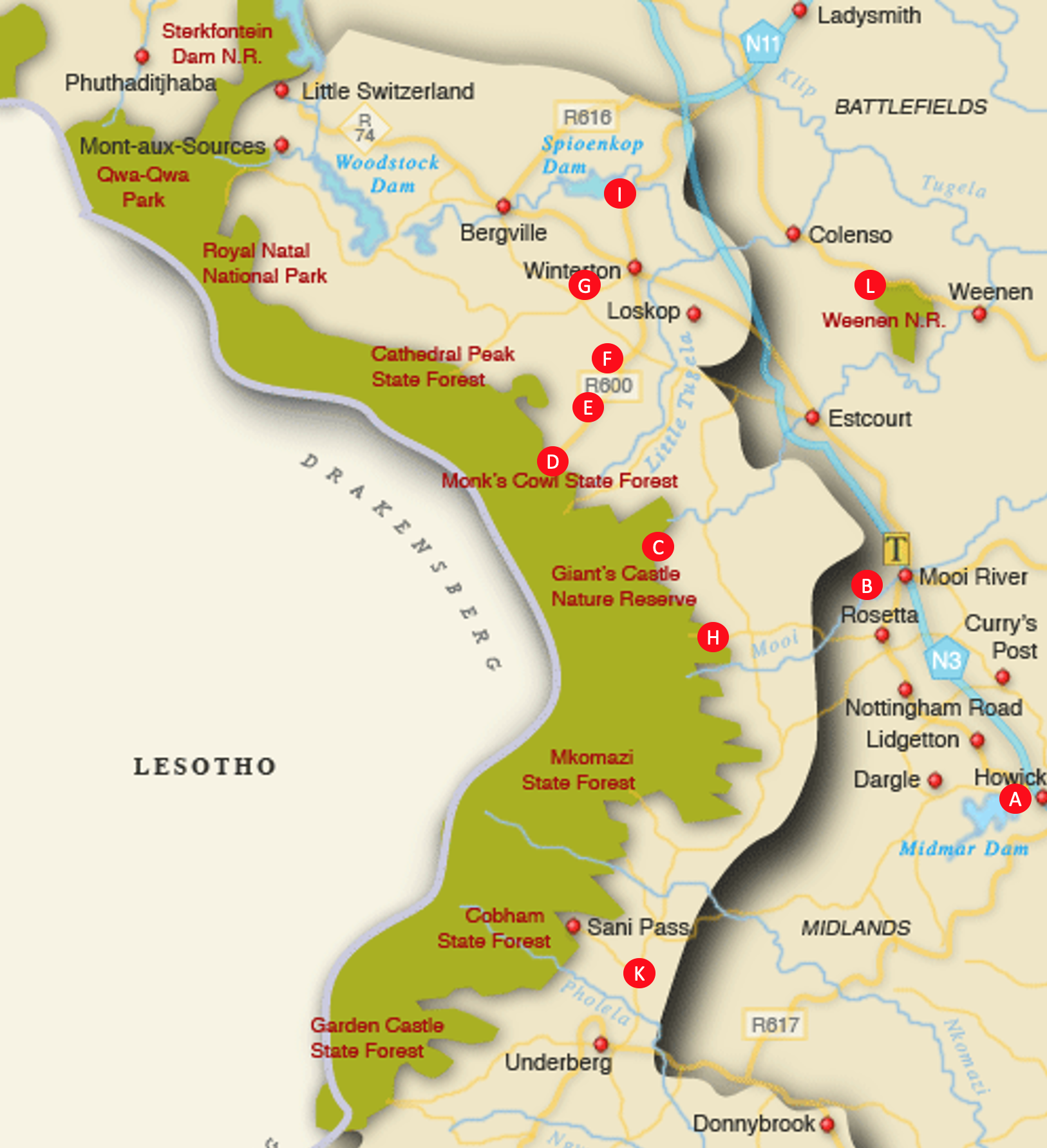
– The Howick Falls (Waterfall and Museum) [A]
– Nelson Mandela Capture Site (Monument and Museum) [A]
– The Platform (Art Gallery) [A]
– The Piggly Wiggly (Food and Shopping Village) [A]
– Hartford House (Hotel, Restaurant, and Stud Farm) [B]
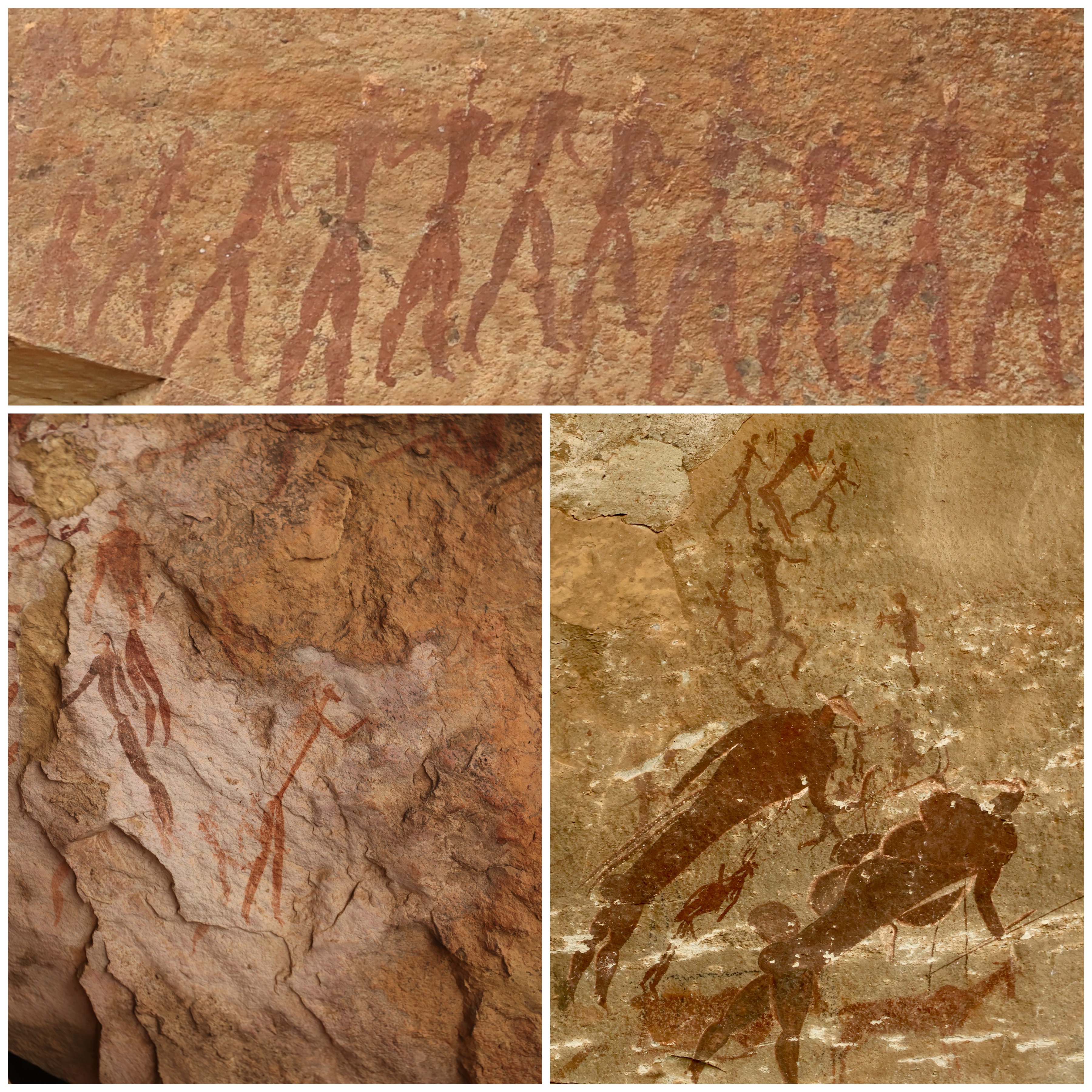
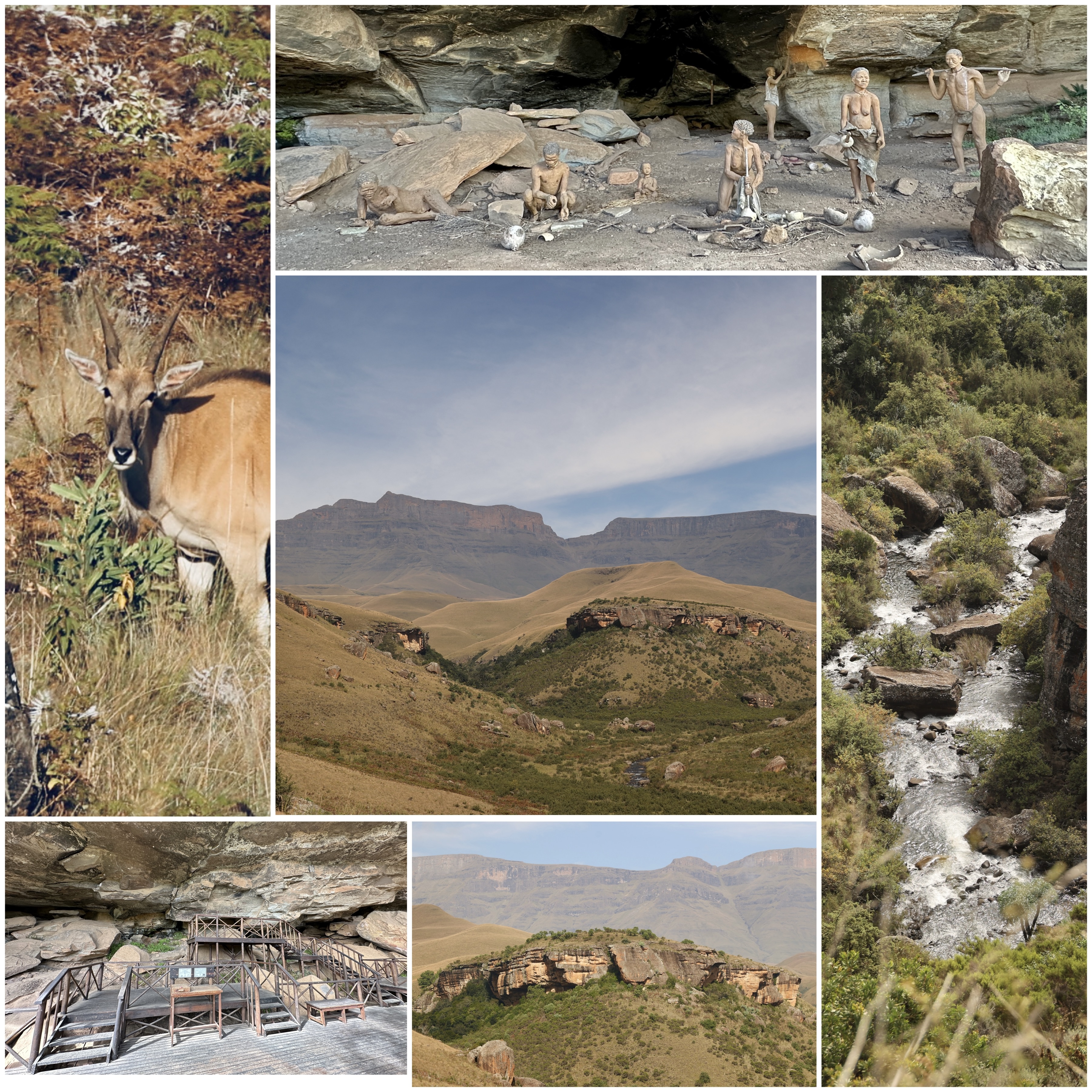
– Giants Castle Reserve and Bushman Rock Art [C]
– Champagne Castle (Hotel and Restaurant) [D]
– Monks Cowl Nature Reserve [D]
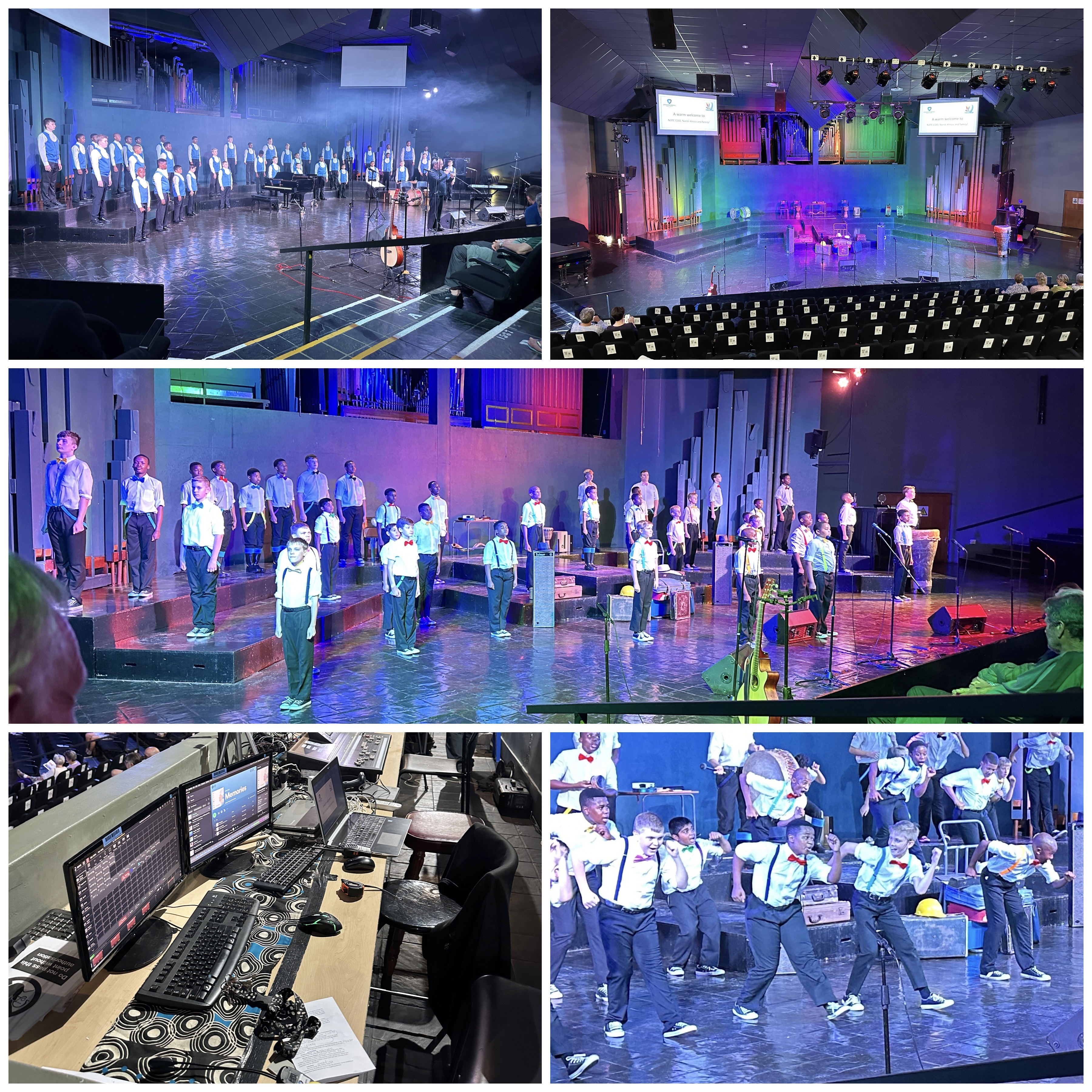
– Drakensberg Boys Choir School (Concert) [D]
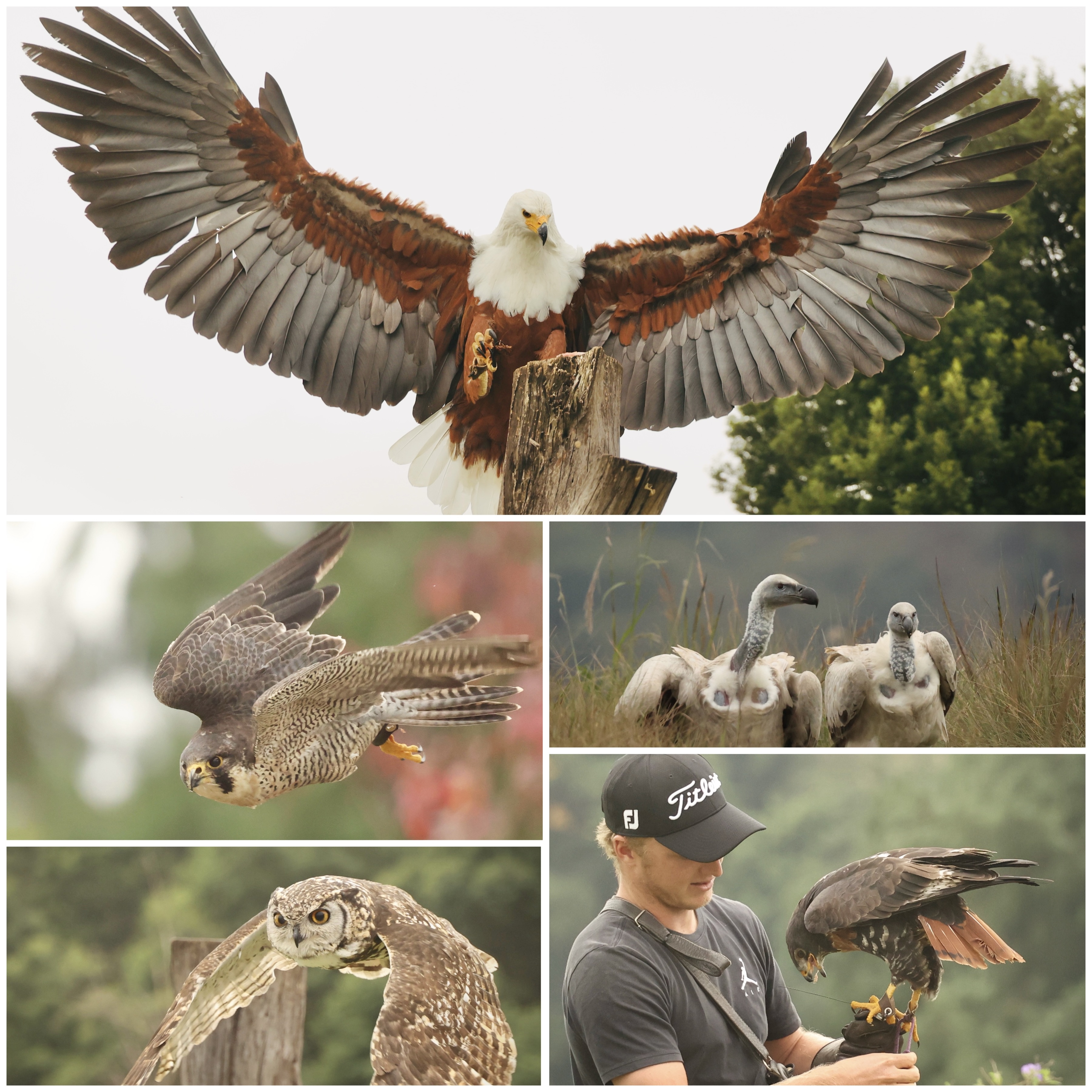
– Falcon Ridge (Bird of Prey Centre) [D]
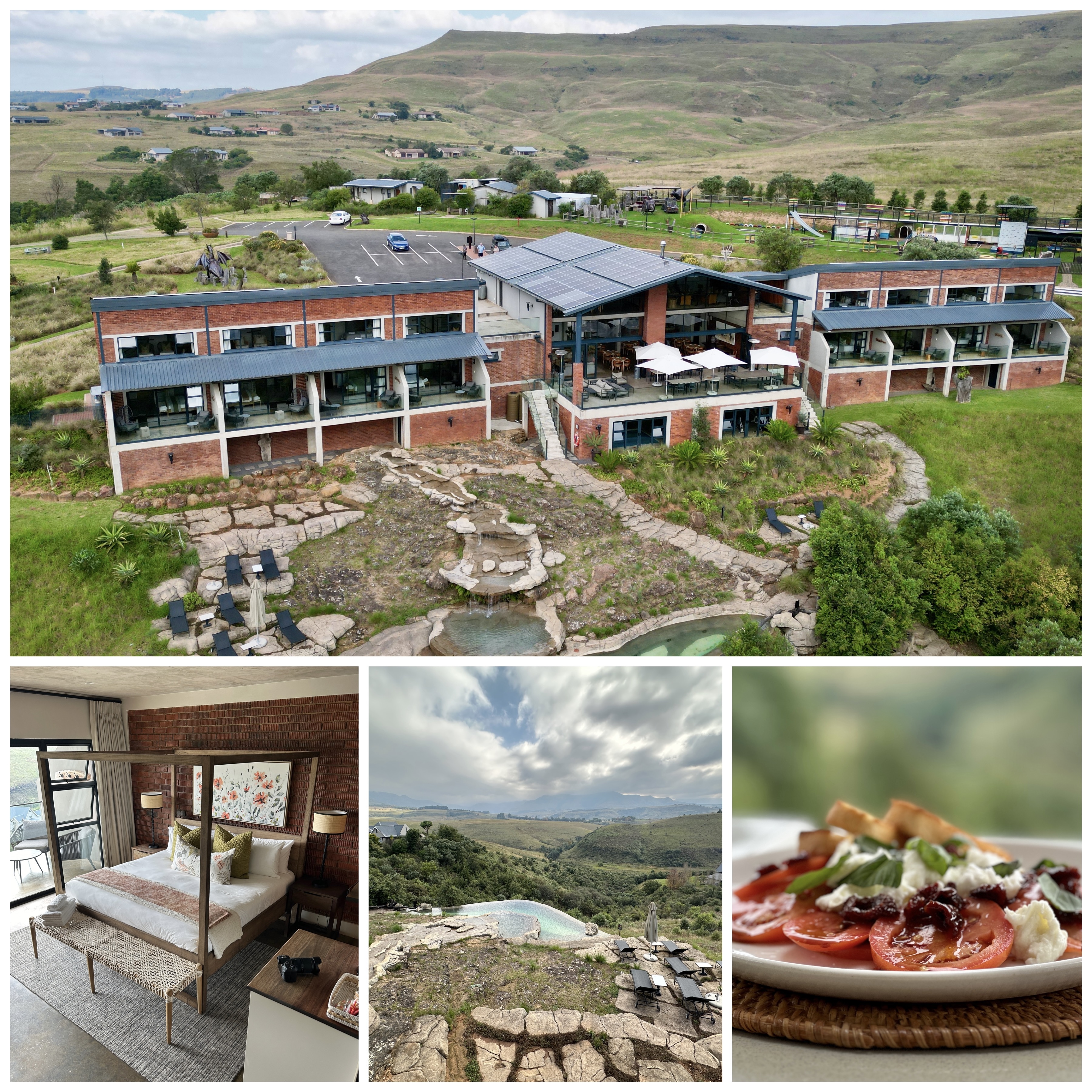
– Dragonview Lodge (Boutique Hotel and Restaurant) [E]
– Valley Bakery (Deli Bakery and Restaurant) [F]
– Spionkop Nature Reserve [G]
– Cleopatra Mountain Farmhouse (Hotel and Restaurant) [H]
– Highmoor Nature Reserve [H]
Planned activities missed this time:
– Drakensberg Ballooning (no availability during my time in The Berg) [I]
– Drakensberg Helicopter Tour (cancelled due to bad weather conditions) [D]
– The Sani Pass (This time I had no time for this excursion, but I will do this with guests in September) [K]
– Weenen Game Reserve (cancelled due to bad weather conditions) [L]
– I am planning another trip to The Berg later this year, and I hope I will be able to do the ballooning and the helicopter tour at that time.
[X] = Location (approximate area) on the map below
Special thanks to all my South African friends who gave me tips on where to go. Quite a few of the places and activities will be added to my ‘Custom Luxury Tour’ suggestions (www.sperka.info) for future trips with my guests. I have included web links (where available) for more information.
Feel free to contact me if you have any questions about these places not answered in the report below.
So here we go…
Howick Falls
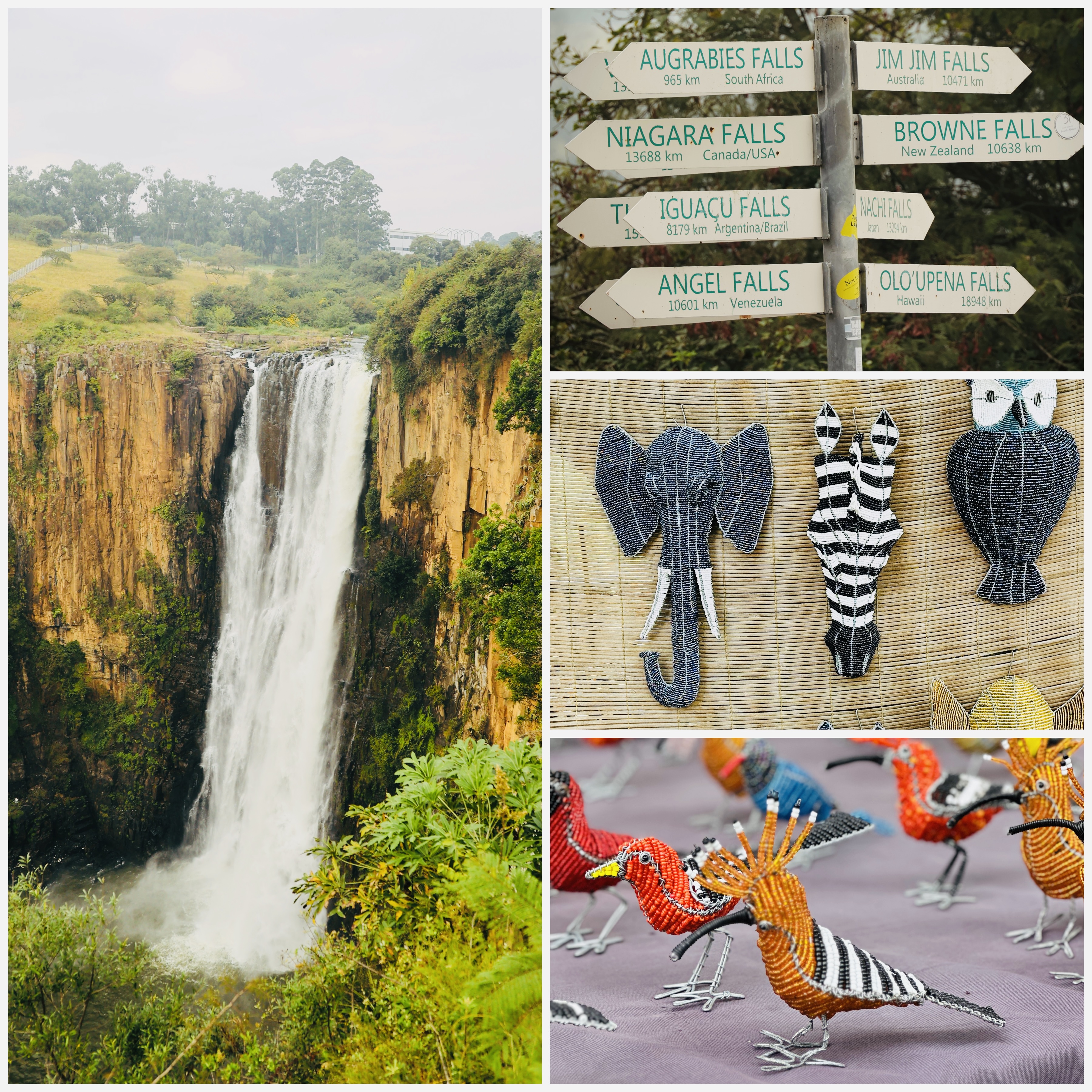
This waterfall (in Howick, just off the R103) is one of the highest in South Africa and quite impressive to observe. It is worth a short visit on the way into The Berg. There was a lot of very good ‘wire/beads art’ on sale from local vendors at the falls. There is a small museum with some good explanations of the colonial history of the area.
Nelson Mandela Capture Site
In my opinion, this is a must, especially if one has not visited the Apartheid Museum in Johannesburg. Besides the incredible monument dedicated to Nelson Mandela, the first democratically elected South African President, it features a most interesting museum opened in 2020, giving insight into the long way from the apartheid state to the modern democratic republic and Nelson Mandela’s role in the process. It is located just off the R103.
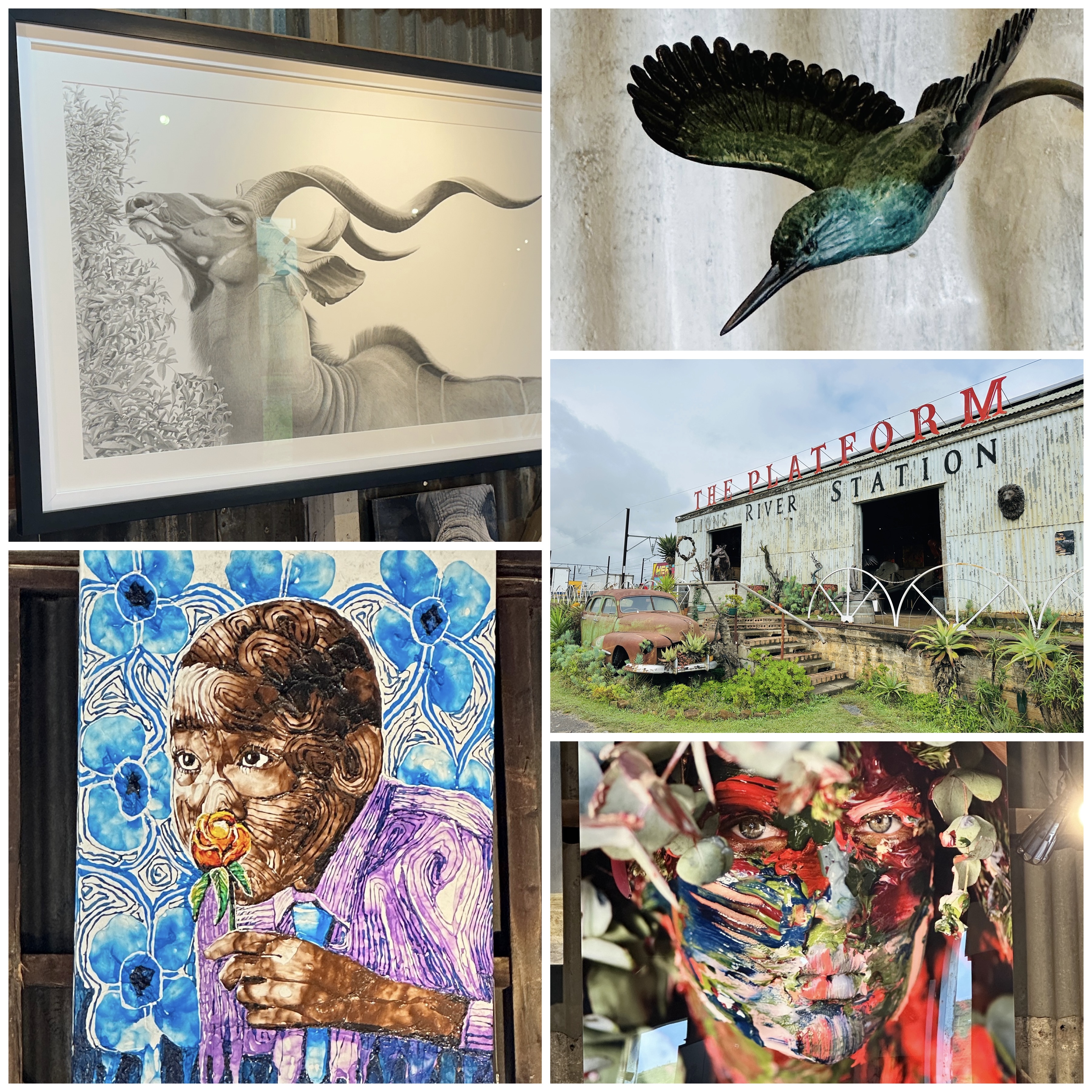
Also on the R103 on the route to the Piggly Wiggly, I stopped at a very interesting contemporary art gallery called The Platform. A good stop if you like art. And there is live music in the coffee shop on Sundays!
The Piggly Wiggly is a small and very quaint ‘food and shopping’ village on the R103. A very good place to stop for breakfast or lunch and to do a bit of souvenir shopping for real good quality stuff. The small antique bookstore is a treasure trove for those who like old books!
Hartford House is an excellent boutique luxury hotel with a superb restaurant. The general manager of Hartford House gave me a very interesting tour of the stud farm, which is one of the activities for their guests. I looked at all the accommodation options and had a very good lunch and a fantastic dinner. Hartford House will definitely be added to my portfolio to suggest to future guests.
Only a 45-minute hike from the Giants Castle Resort Reception (it took me about 65 minutes, but I am a very slow walker and I stopped many times for photography), I visited two caves with stone-age rock paintings. The local guide on-site showed me around and explained the site. Well worth a visit.
This hotel has the most stunning views of the Monks Cowl Nature Reserve mountains. I stayed here for two nights. It is worth a visit for the views, but the rooms are a bit ‘tired,’ and the restaurant buffet food is below the standard one would expect for the rates one pays. It confirmed again my dislike for soggy buffet-style food. The best rooms to book are the two mountain view suites (they are in quite good shape). The deluxe mountain view rooms are also OK. I would not book the mountain-facing rooms with only partial views of the scenery.
I attended two ‘Music in the Mountains Festival’ concerts of the world-famous Drakensberg Boys Choir, which I enjoyed very much. From ‘Zadok the Priest’ to ‘Shosholoza,’ they performed a variety of songs from classical music to traditional African pieces. Two nights to remember. They do a concert every Wednesday during the school term. This year they are also going on tour to England (20 to 30 September), perform from 30 May to 2 June in Gauteng ‘Music in the City,’ and celebrate ‘Christmas in the Berg’ from 6 to 8 December. If I get a chance, I will be back soon!
This was not my first visit to Falcon Ridge, and it will not be my last either. I love the show with the rescue birds and its great photo opportunities. A definite addition to my ‘must-see in the Drakensberg list.’
I stopped by this small boutique lodge with its bistro-style restaurant. I had an excellent meal and did a site inspection of the eight-room lodge. I definitely found my place to stay for the future in this area of the Berg. For me and my guests, such small lodge operations are much better suited than the large hotels like Champagne Castle and Champagne Sports Resort, which I have also visited for a short inspection. Dragonview Lodge is the perfect place to stay when one is going to a Drakensberg Boys Choir concert.
As the breakfast at Champagne Castle Hotel was very disappointing, I chose to drive to the Valley Bakery for breakfast. This quite famous bakery with its small deli restaurant is worth a stop for breakfast or lunch.
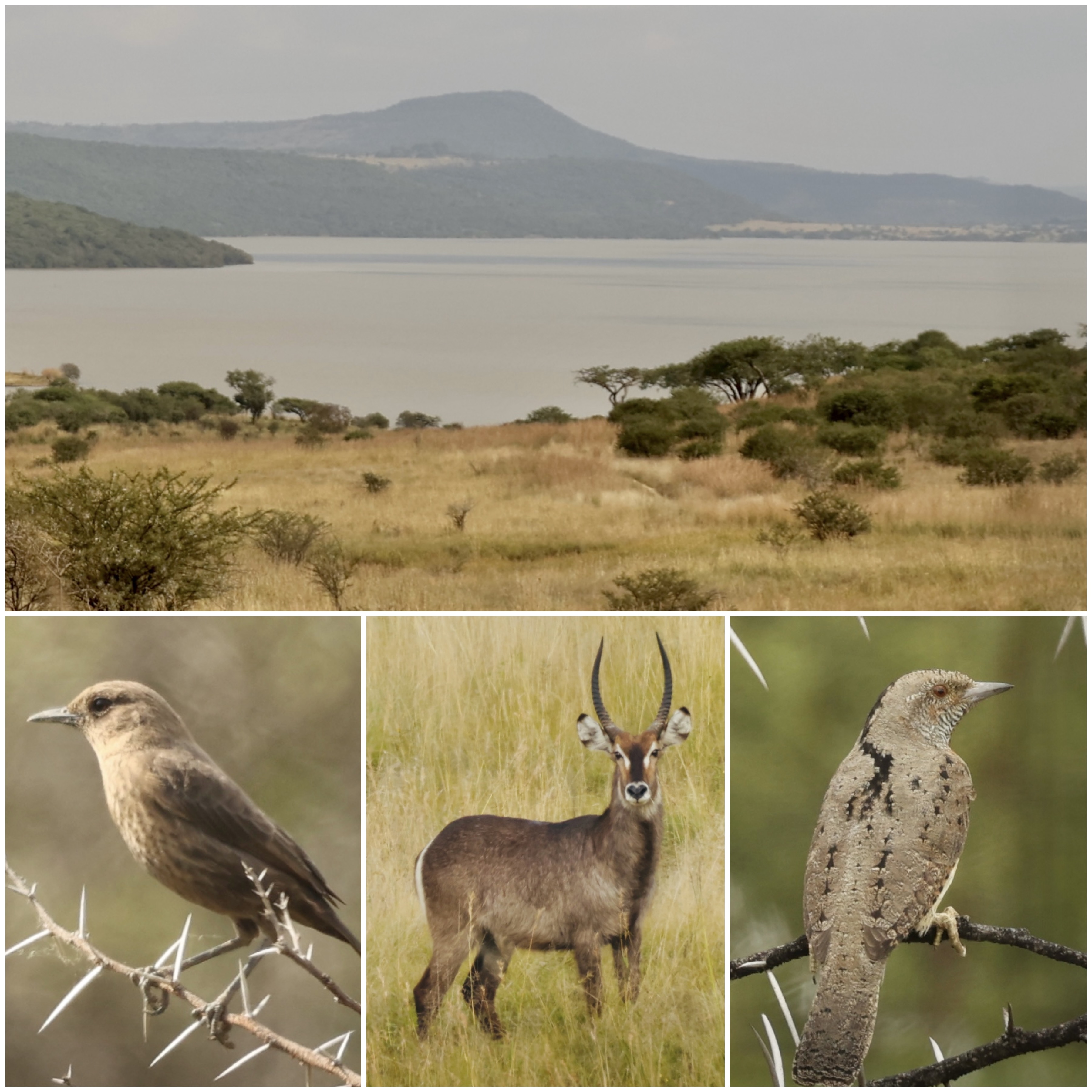
This small nature reserve’s facilities are unfortunately very neglected. I took a short drive during the reserve and had a few very good bird sightings (two life listers!). But there was almost no game. This is not a place to visit with guests.
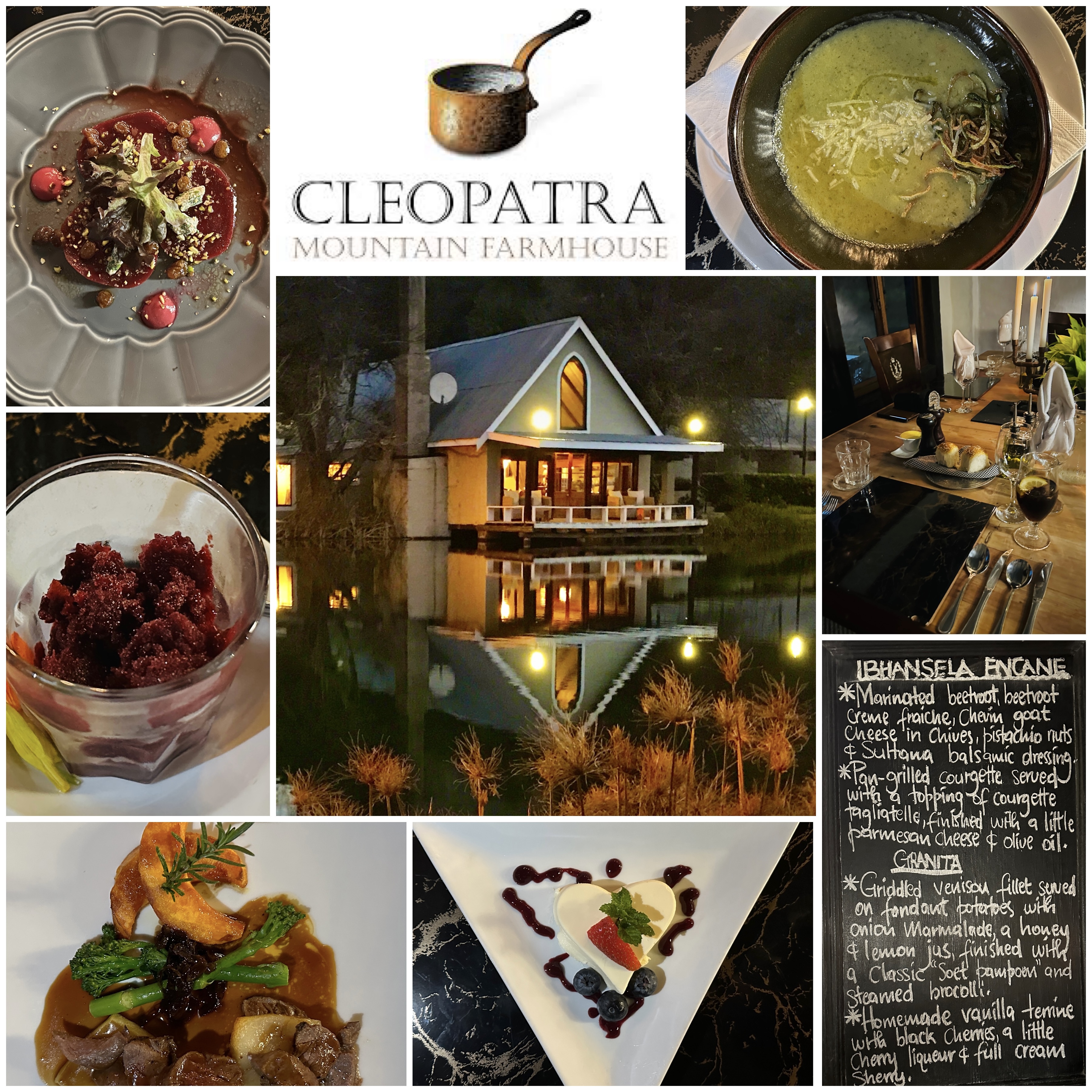
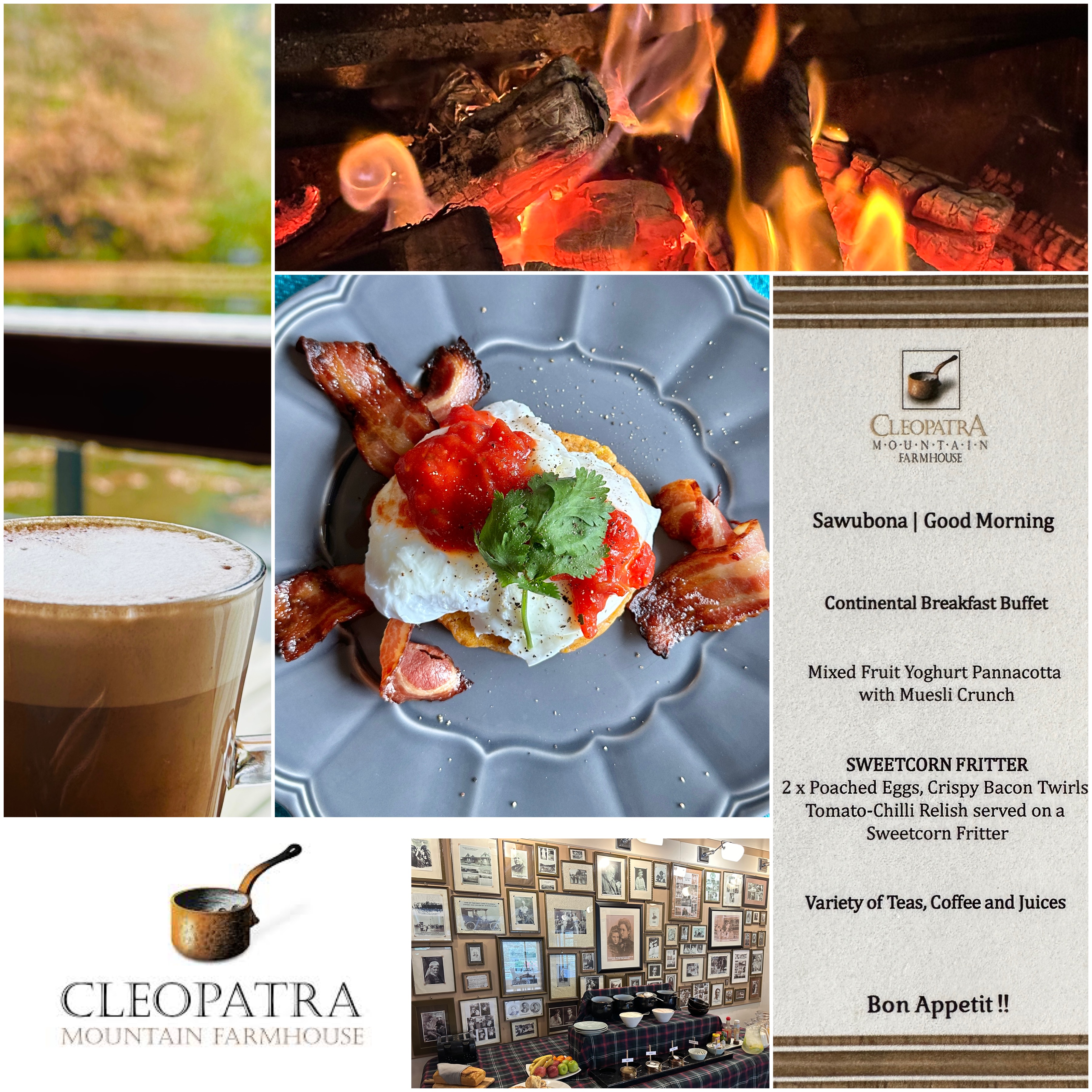
Cleopatra Mountain Farmhouse
My last stop was my favourite place in the Drakensberg. There is no question for me that Cleopatra Mountain Farmhouse, with its English country house charm, with its stunning views into the Highmoor Reserve, and its superb cuisine, is the perfect place in the mountains. After all the great places I visited during this trip, it felt like coming home. Together with Thanda Safari and Pakamisa Private Game Reserve, it represents the trio of my favourite places in KwaZulu Natal!












 Christian Sperka Photography | Custom Luxury Tours