A Fast and Nervous Eater

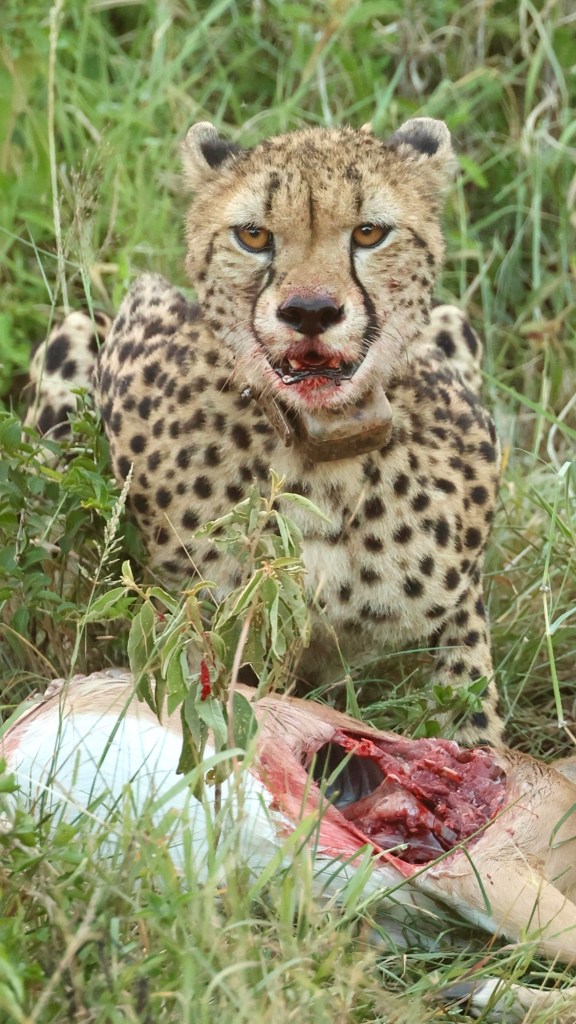
Cheetahs often loose their kill to one of the larger predators (Lion, Hyena, Leopard, …) before they are able to start eating.

After making a kill Cheetahs usually have to recover for a while – heavily panting – before they can start eating. If another predator has heard the sounds made during the hunt they will often come running and deprive a Cheetah of its well earned meal.

So unlike Lions who completely concentrate on eating, Cheetahs will sit up very frequently to look around for approaching danger. They usually start eating very fast from the back side of their prey where they can get a lot of meat in a very short time before a potential arrival of any meat-thieves.

This is a picture I took last night of a young Cheetah female on an Nyala kill eating fast and scanning the area between large gulbs of meats.

Technical data: Canon R6 with RF lens f4-6.3/24-240mm | ISO 5000 | 1/500sec | f6.7 | ev+0 | 150mm | WB 6500K | AV Mode | Crop to 20% of original image

#amazingwildlife #africansafari #safarigetaway #christiansperkaphotography #thandasafari #big5 #gamereserve #wildlifephotography #learnphotography

Technical data: Canon R6 with RF lens f4-6.3/24-240mm | ISO 5000 | 1/500sec | f6.7 | ev+0 | 140mm | WB 6500K | AV Mode | Crop to 50% of original image
Technical data: Canon R6 with RF lens f11/800mm | ISO 16000 | 1/500sec | ev+0 | WB 6500K | AV Mode | Crop to 80% of original image
Technical data: Canon R6 with RF lens f4-6.3/24-240mm | ISO 200 | 1/750sec | f6.7 | ev+0 | 160mm | WB 6500K | AV Mode | Crop to 5% of original image

Dance!

Most antelope males compete for dominance by fighting with their horns or chasing one another around. The winner ends with the mating rights for the contested female(s).

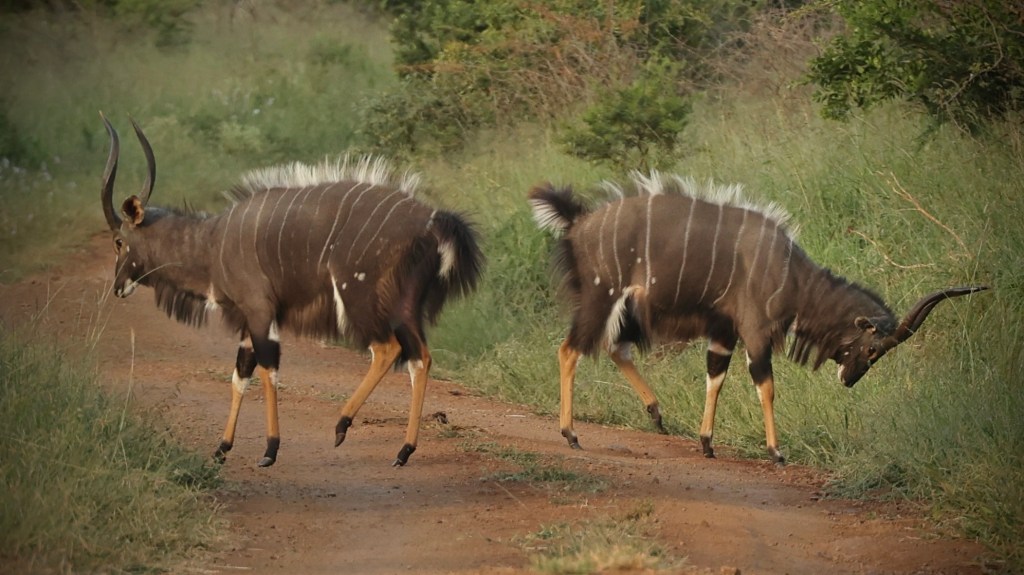
Nyalas have a far less violent method to solve such disputes. While younger bulls are seen regularly fighting with their horn in the common way, older specimen often show a very unusual behaviour.

They circle each other, facing the ground, fluffing up both tails and dorsal manes (white hairs on their back), and arching their heads forward. In this posture they very slowly ‘dance’ around one another.

Whichever one gives up first and walks away seems to be the looser. But I have seen both of them mating with different females soon after the ‘dance’.

I call them the ‘flower power antelope’ being very peaceful and rather free-spirited when it comes to mating 🙂

I took this pictures of two males ‘dancing’ yesterday afternoon.

Technical data: Canon R6 with RF lens f4-6.3/24-240mm | ISO 800 | 1/500sec | f6.7 | ev+0 | 200mm | WB 6500K | AV Mode | Crop to 10% of original image

#amazingwildlife #africansafari #safarigetaway #christiansperkaphotography #thandasafari #big5 #gamereserve #wildlifephotography #learnphotography

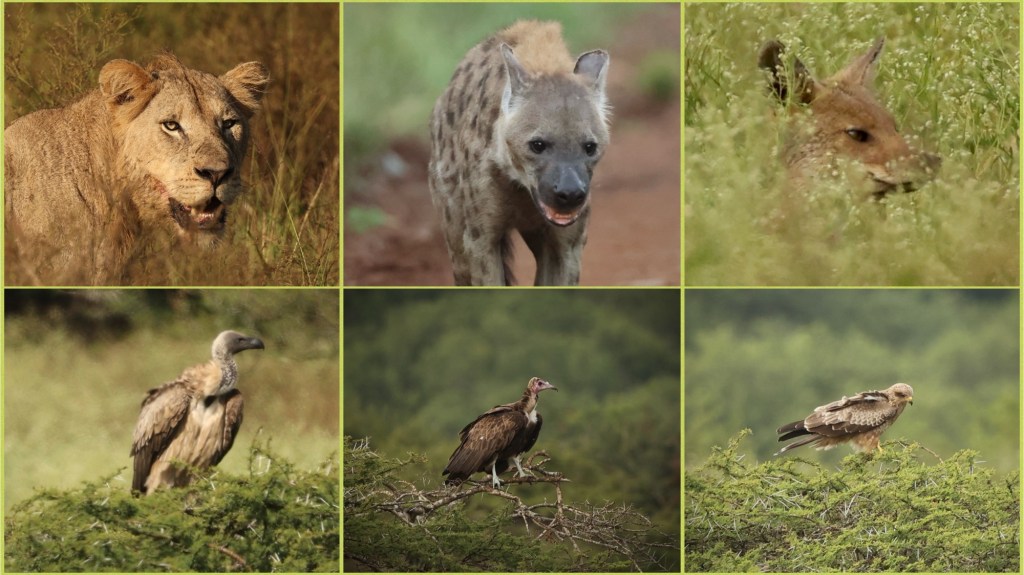
Feeding Order!

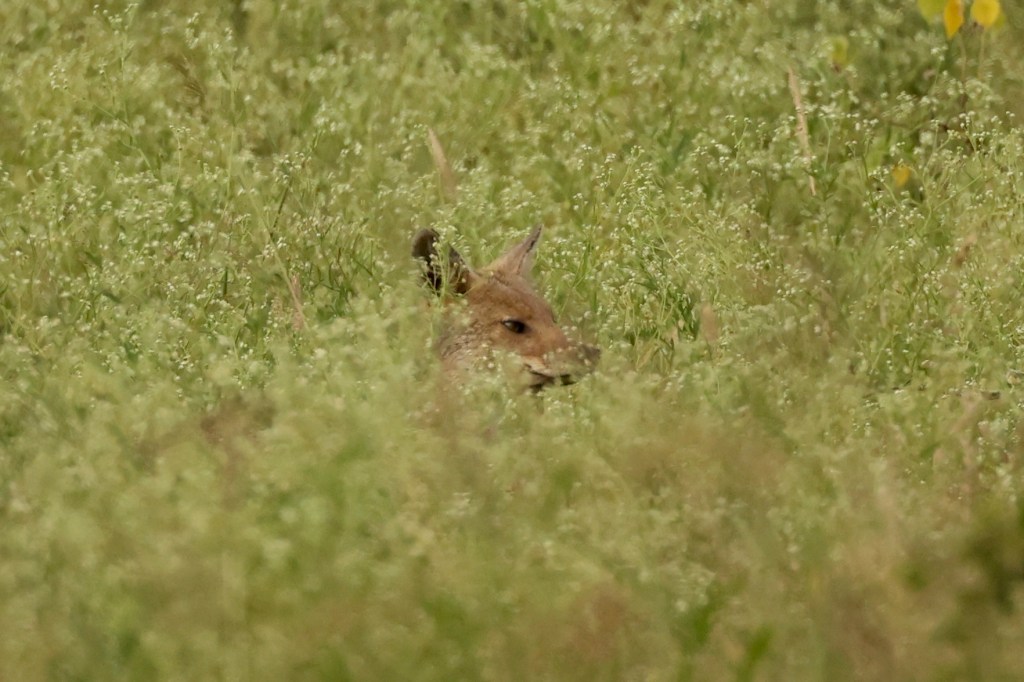
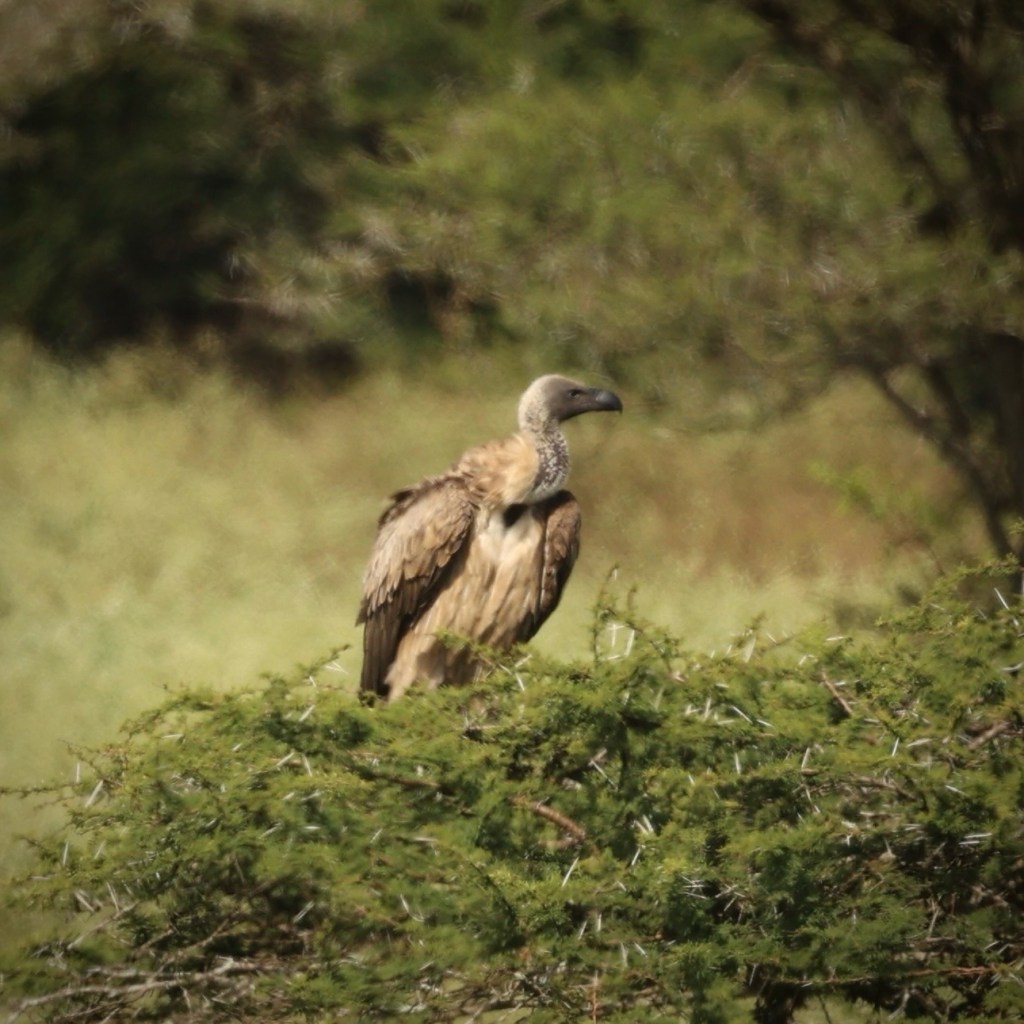
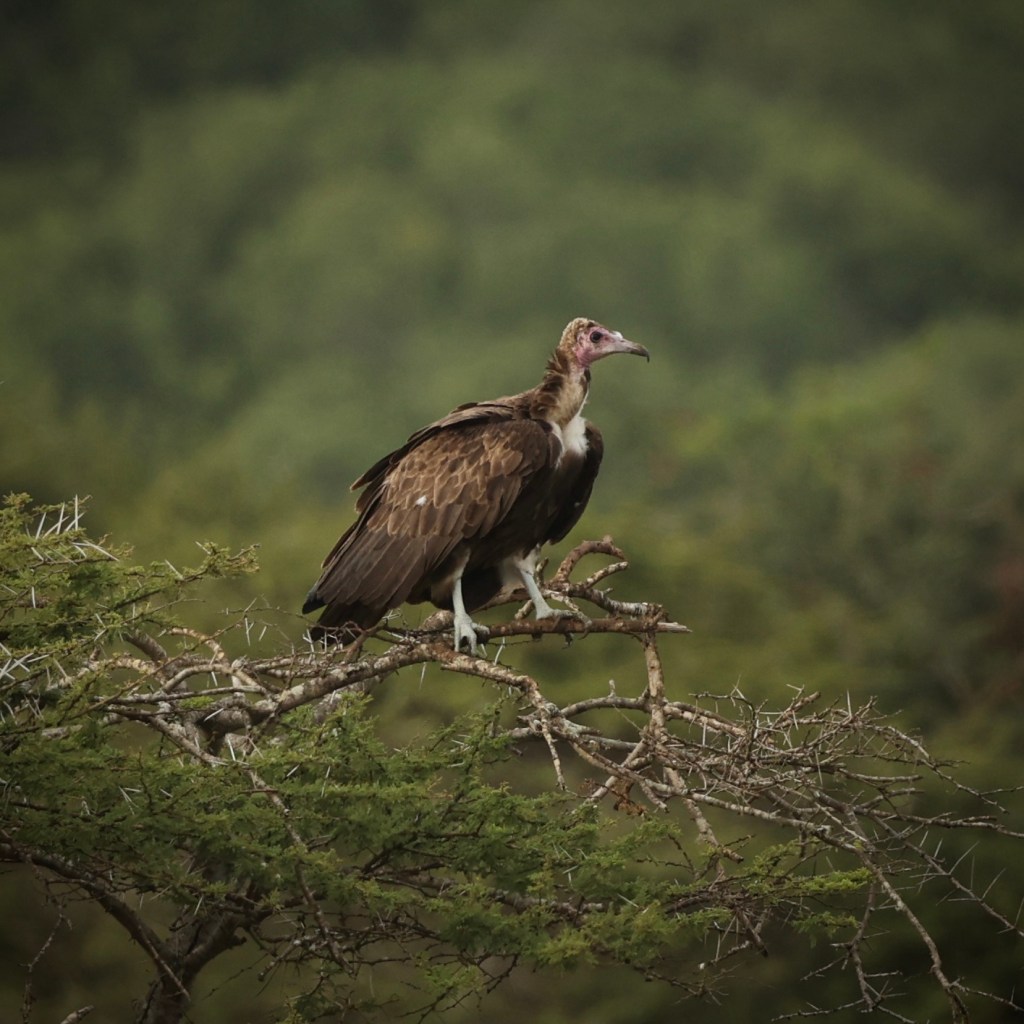
A few days ago I took these pictures of a few species which feed on a kill in a clearly defined order:

Lions are the actual killers and feed until they are completely full.

Hyenas are the first in the the cleanup crew lineup to work on the carcass.

Jackals are next for the leftovers (and sometimes sneak in for a bite when the Lions and Hyenas are inattentive).

White-backed Vultures and Hooded Vultures fly in once all the four-legged creatures have left. They are often accompanied by large Lappet-faced Vultures (no pictures). Each vulture species‘ beak is designed to support them in their size-dependent role.

And many other birds, like Yellow-billed Kites, Tawny Eagles, Bateleurs, Wolly-necked Storks, and Pied Crows will follow after the vultures.

Technical data: Canon R6 with RF lens f11/800mm | ISO various | 1/500sec | ev+0 | WB 6500K | AV

#amazingwildlife #africansafari #safarigetaway #christiansperkaphotography #thandasafari #big5 #gamereserve #wildlifephotography #learnphotography
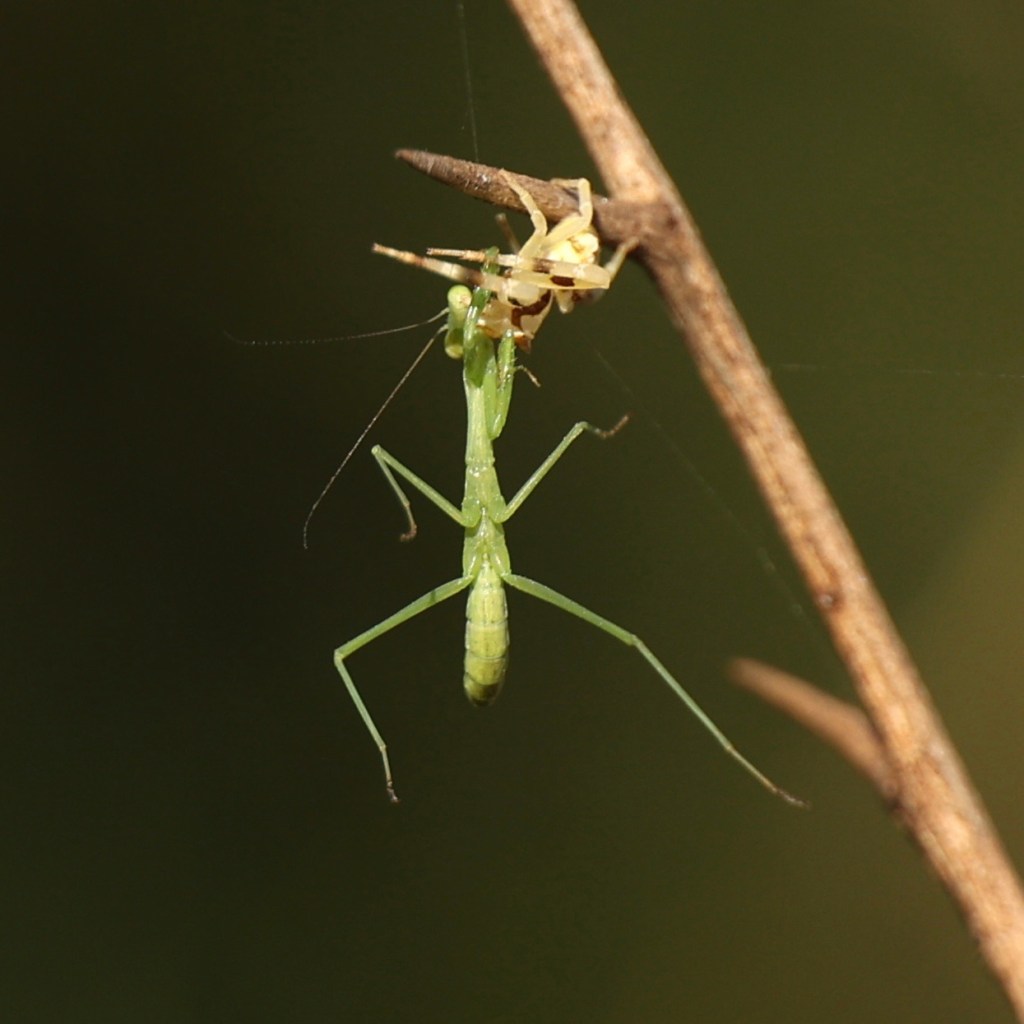
Small Kill!

As we drove through some high grass during yesterday evening’s game drive my tracker Bheki collected this fighting pair from our vehicle’s front fender. The small spider and the small Praying Mantis were in a fight for their lives.

When we encountered the two contestants the spider was missing two front legs but he had one of the Praying Mantis’ legs firmly locked in his pincers. We were not sure if the spider lost his legs in this fight or if he entered the contest thus handicapped.

After a few minutes struggle the spider had won and the Praying Mantis had died. It was astonishing how quickly the strong green color faded from the dead creature.

We carefully transferred the winner with his price into a nearby acacia and continued on our drive.

Technical data: Canon R6 with RF lens f4-6.3/24-240mm | ISO 320 | 1/500sec | f6.7 | ev+0.5 | 240mm | WB 6500K | AV Mode | Crop to 5% of original image

#amazingwildlife #africansafari #safarigetaway #christiansperkaphotography #thandasafari #big5 #gamereserve #wildlifephotography #learnphotography
Agile!

I had no idea how agile a 700kg (1500lbs) Cape Buffalo bull can be. These two beautiful specimens were sparring for a considerable time next to a small Thanda Safari waterhole. After a vigorous display of their agility they settled down to grazing harmoniously.

These two were obviously not with a herd. As they do not appear to be old guys, I assume they were on temporary leave. Once their time-away is over they are likely to rejoin their herd and once again fight with the other bulls for a place in the herd hierarchy.

Technical data: Canon R6 with RF lens f4-6.3/24-240mm | ISO 4000 | 1/2000sec | f5.6 | ev+0 | 90mm | WB 6500K | AV Mode | Crop to 60% of original image

#amazingwildlife #africansafari #safarigetaway #christiansperkaphotography #thandasafari #big5 #gamereserve #wildlifephotography #learnphotography

Zebroids!

Did you know that Zebras can crossbreed with other equine species? When Zebras hybridize, the resulting offspring are called Zebroids. The most common hybrid is the Zorse, a cross between a Zebra and a Horse.

Zebroids often exhibit a combination of traits, such as striped legs and a Horse-like body shape. However, Zebra crossbreeds rarely occur in the wild.

Like mules and hinnies they are generally unable to breed, due to an odd number of chromosomes disrupting meiosis (cell division of germ cells).

Looking at ‘googled’ pictures of Zebroids I am reminded of an extinct relative of modern Zebras, called a Quagga (which still lends its name to the scientific term for today’s Plains Zebra = Equus.quagga).

I took this morning light portrait of this Burchell’s Zebra (Equus quagga burchellii – Southern subspecies of the Plains Zebra) last week on Thanda.

Technical data: Canon R6 with RF lens f4-6.3/24-240m | ISO 2000 | 1/750sec | f6.7 | ev+1 | 160mm | WB 6500K | AV Mode | Crop to 25% of original image

#amazingwildlife #africansafari #safarigetaway #christiansperkaphotography #thandasafari #big5 #gamereserve #wildlifephotography #learnphotography

Topsy-Turvy!

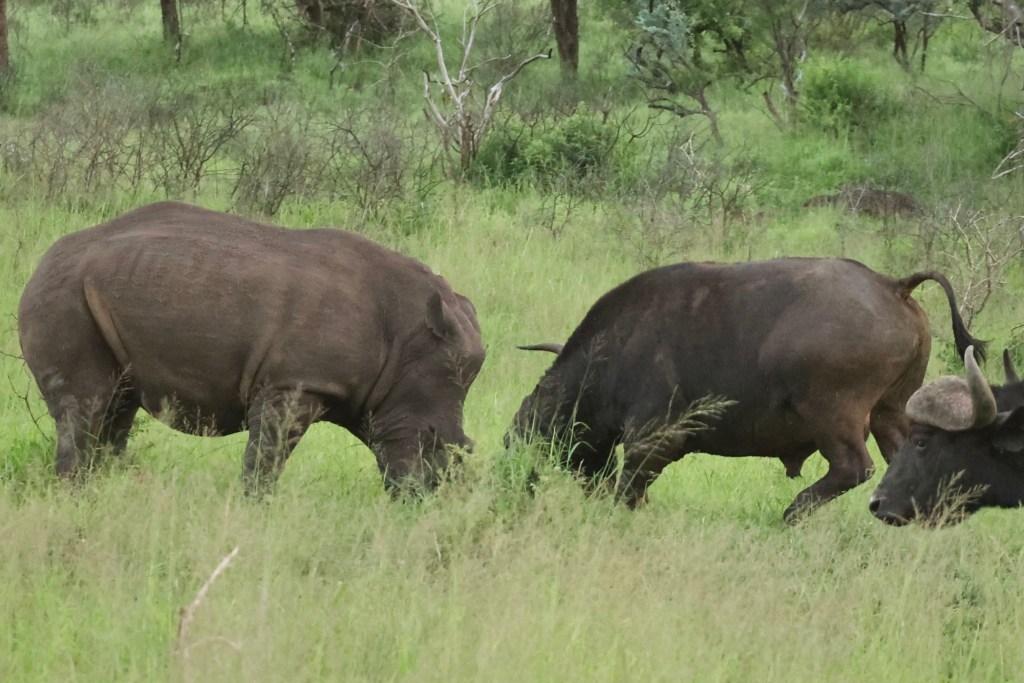
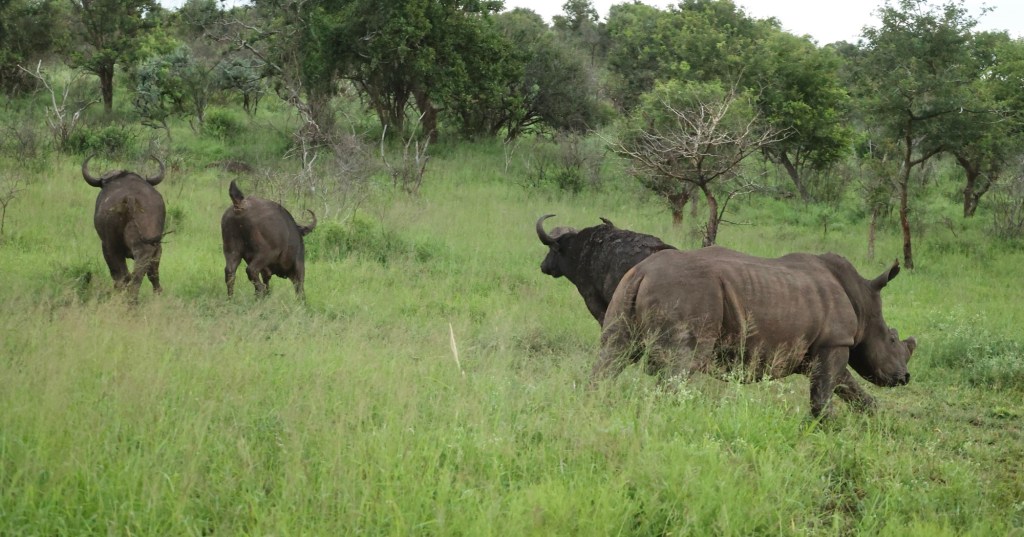
My knowledge about the relationship between White Rhino and Cape Buffalo was severely challenged last night.

Usually when the two species meet the Buffalos will respectfully give space to the much larger and heavier Rhinos.

But at an encounter yesterday evening a Buffalo bull attacked a young Rhino bull, hit him twice with this boss and then chased him away.

What a show!

Technical data: Canon R6 with RF lens f4-6.3/24-240mm | ISO 20000 | 1/500sec | f5.6 | ev+0 | 90mm | WB 6500K | AV Mode | Crop to 10% of original image

#amazingwildlife #africansafari #safarigetaway #christiansperkaphotography #thandasafari #big5 #gamereserve #wildlifephotography #learnphotography
Tear Lines and Wide-Angle-View

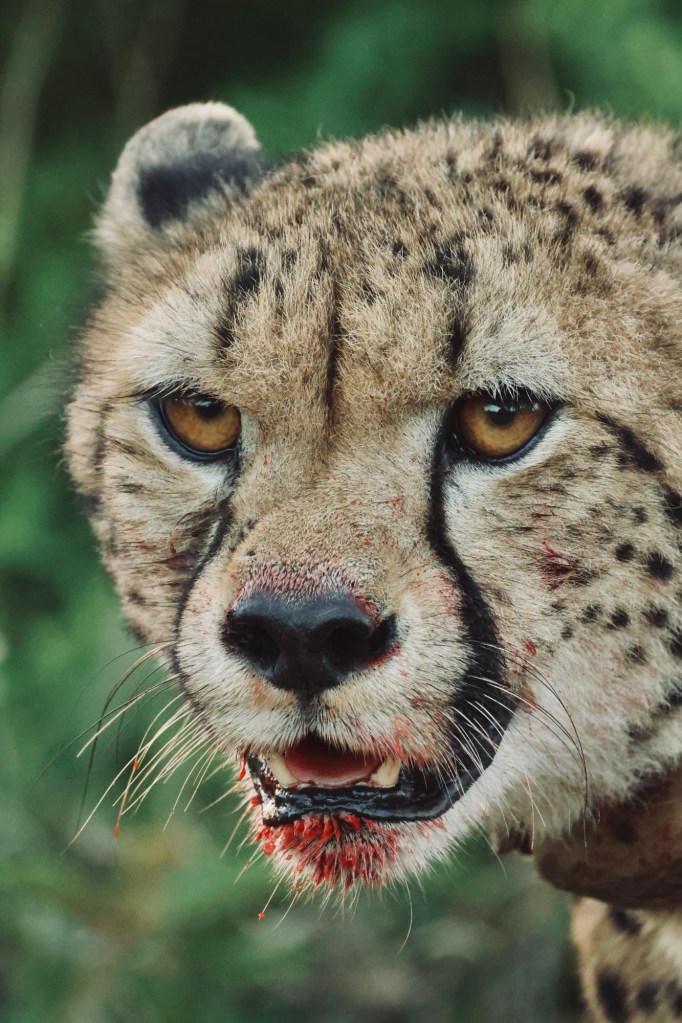
Cheetahs’ eyes are designed to give them a wide-angle view of their surroundings. And their small, flat-faced heads allow their eyes to be positioned for maximum binocular vision.

These beautiful cats also have evolved to reduce the glare from the sun in their view. Black tear lines (or malar stripes) run from their eyes down the sides of their nose to the mouth, attracting the sun away from the eyes.

Yesterday I took this picture in shallow, soft evening light. Both the Cheetah’s eyes and the tear lines are beautifully displayed.

PS: All adult Cheetahs at Thanda Safari have radio collars, which allow our Wildlife team to monitor this endangered species on the reserve.

Technical data: Canon R6 with RF lens f11/800mm | ISO 400 | 1/500sec | ev+0 | WB 6500K | AV Mode | Crop to 25% of original image

#amazingwildlife #africansafari #safarigetaway #christiansperkaphotography #thandasafari #big5 #gamereserve #wildlifephotography #learnphotography
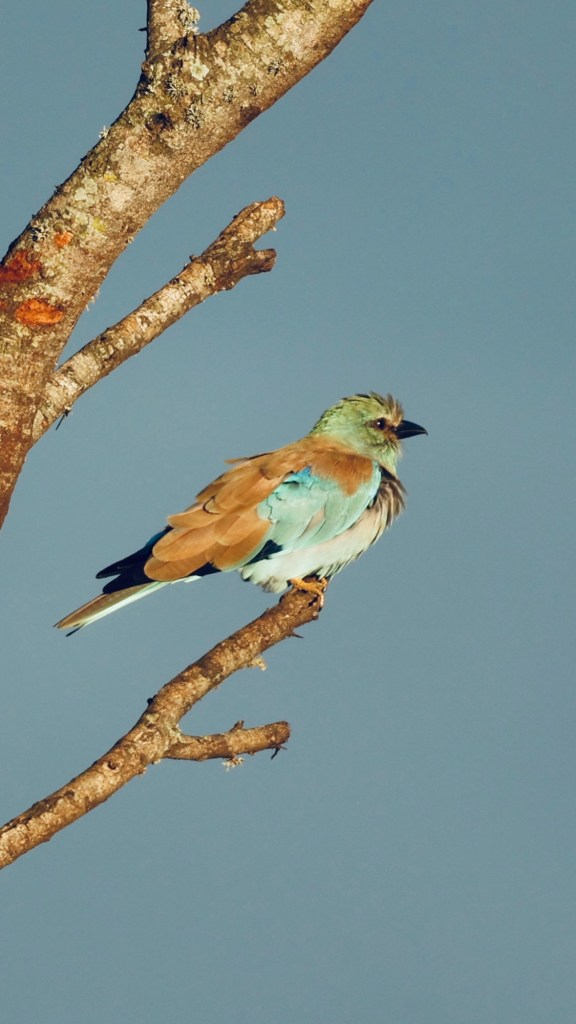
Two Europeans!

Yesterday evening I took these images of two of my favorit Europeans.

The first one is a European Bee-eater and the second one is a European Roller.

They are seasonal migrants which spend March to September in the Northern Hemisphere and for the rest of the year they return to the South to enjoy our summer.

About 12% of all bird species on Thanda Safari‘s bird list are summer migrants.

Both birds are great photographic targets as they often perch in the sun. They also often return repeatedly to the same branch after catching insects on a short flight. If one times it carefully, one can catch them with open wings during landing.

Technical data (Bee-eater): Canon R6 with RF lens f11/800mm | ISO 320 | 1/500sec | ev+0.5 | WB 6500K | AV Mode | Crop to 25% of original image

Technical data (Roller): Canon R6 with RF lens f11/800mm | ISO 320 | 1/500sec | ev-0.5 | WB 6500K | AV Mode | Crop to 10% of original image

#amazingwildlife #africansafari #safarigetaway #christiansperkaphotography #thandasafari #big5 #gamereserve #wildlifephotography #learnphotography
Flying Dung!

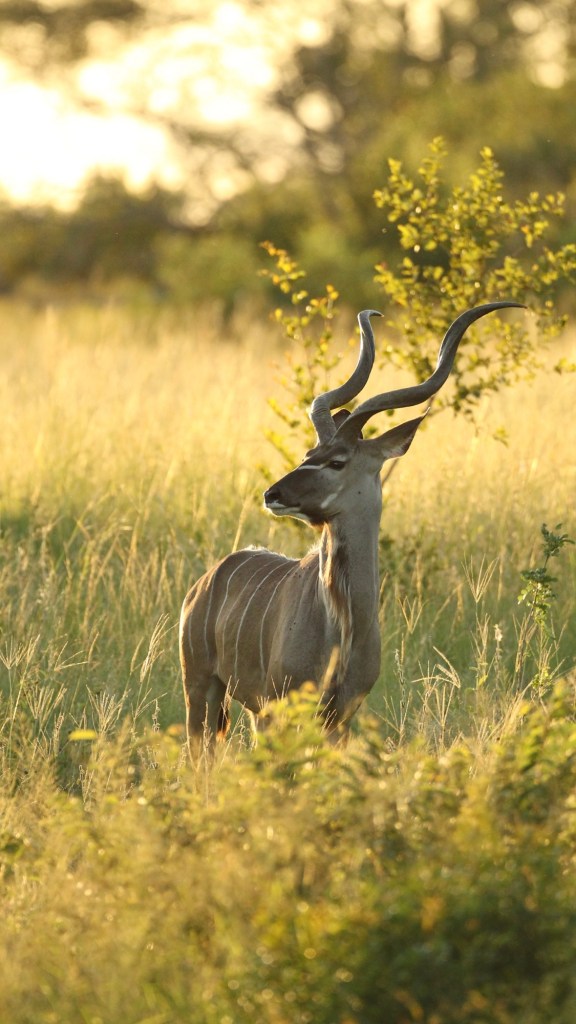
There is a curious traditional sport in South Africa. It is called Kudu dung-spitting (Bokdrol Spoeg in the Afrikaans language).

The winner is the contestant who is able to spit one of the small, hard Kudu dung pellets the furthest.

Unlike many similar sports, the distance is measured from the marker to the place the dung pellet comes to rest, rather than where it initially hit the ground.

The world record stands at 15.56m (51″), set in 2006 by Shaun van Rensburg from Addo.

I know this sounds like a joke fit for first of April. But it is quite true. I have tried it myself, but I got nowhere near the work record.

When you visit South Africa you may try it yourself. Good luck!

Technical data: Canon 1D Mark IV with EF lens f4/500mm | ISO 2000 | 1/2000sec | f4 | ev-1 | WB 6500K | AV Mode | Crop to 75% of original image

#amazingwildlife #africansafari #safarigetaway #christiansperkaphotography #thandasafari #big5 #gamereserve #wildlifephotography #learnphotography