
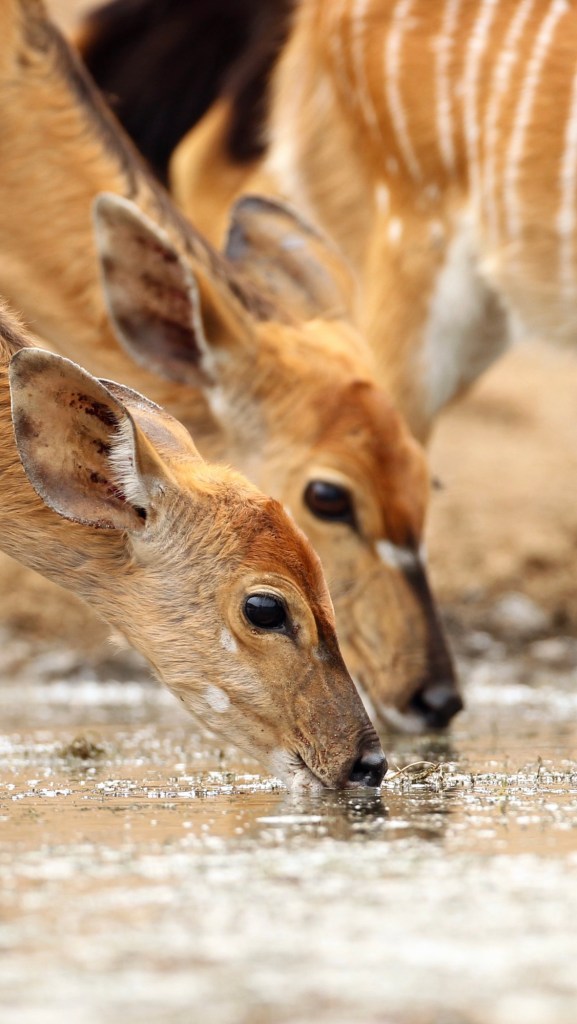
Topic: Nyala ewes drinking
Technical data: Canon 1D Mark IV with EF lens f/2.8 L 300mm
#amazingwildlife #africansafari #safarigetaway #christiansperkaphotography #big5 #gamereserve #wildlifephotography #learnphotography
Topic: Nyala ewes drinking
Technical data: Canon 1D Mark IV with EF lens f/2.8 L 300mm
#amazingwildlife #africansafari #safarigetaway #christiansperkaphotography #big5 #gamereserve #wildlifephotography #learnphotography

Many antelope species in various sizes can be found at my two favorite places in KwaZulu Natal, Thanda and Pakamisa. From the small and very cute Sunis (35cm – 15” shoulder height) to the large and impressive Kudus (155cm – 61” shoulder height).
For all the small antelopes, the males are called bucks and the females are called ewes, and for the large ones, they are called bulls and cows.
Today’s picture shows an Nyala male in high grass (_image taken yesterday at Pakamisa_). It is interesting to note that this is the only antelope species where the males are called bulls and the females are called ewes. This may be because sexual dimorphism (difference between male and female) is more distinct in Nyalas than in any other antelope species.
Here is the list of antelope species found on Thanda Safari and Pakamisa Private Game Reserve in order of their size:
THE SMALL ONES
*Bucks/Ewes*
⁃ Suni (35cm ~ 14”)
⁃ Natal Red Duicker (48cm ~ 19”)
⁃ Steenbok (50cm ~ 20”)
⁃ Klipspringer (60cm ~ 24”)
⁃ Grey Duicker (68cm ~ 27”)
THE LARGE ONES
*Bucks/Ewes*
⁃ Mountain Reedbuck (84cm ~ 33”)
⁃ Common Reedbuck (90cm ~ 35”)
⁃ Impala (90cm ~ 35”)
*Bull/Ewe*
⁃ Nyala (120cm ~ 47”)
*Bull/Cow*
⁃ Waterbuck (130cm ~ 51”)
⁃ Blue Wildebeest (150cm ~ 59”)
⁃ Kudu (155cm – 61”)
()= max shoulder heights (ref. Stuarts’ Field Guide to Southern Africa)
Technical data: Canon R6 with RF lens f11/800mm | ISO 25600 | 1/500sec | ev+0 | WB 6500K | AV Mode | Crop to 35% of original image
#amazingwildlife #africansafari #safarigetaway #christiansperkaphotography #thandasafari #big5 #gamereserve #wildlifephotography #learnphotography #pakamisagamereserve
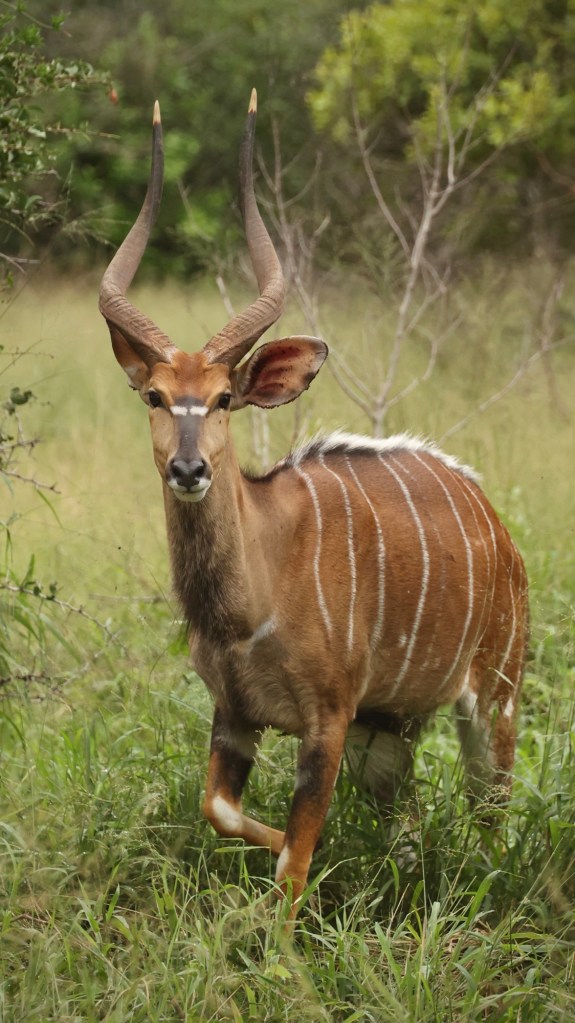
Nyalas are one of my favorite antelopes. As adults they show very significant sexual dimorphism (difference between males and females in a species), quite unusually so for large mammals.
Adult males have large spiraled horns, are dark grey with white stripes, and feature a crest of white hairs along their spine ridge.
Females are red/brown with white stripes, have no horns, and have no specially colored hair on their spines.
Yesterday afternoon I took this picture of a very unusually colored adult male. He had beautiful large horns and a white hairline on his spine, but he was red/brown like a female.
Male Nyala fawns start out in life in female coloration but morph grey as they grow up. This adult male had developed the regular features (horns, white hair line) except for the pelt color.
From his behavior towards other males he certainly identified himself as a male, regardless of his unusual
coloration!
Technical data: Canon R6 with RF lens f4-6.3/24-240mm | ISO 4000 | 1/500sec | f6.7 | ev+0 | 190mm | WB 6500K | AV Mode | Crop to 60% of original image
#amazingwildlife #africansafari #safarigetaway #christiansperkaphotography #thandasafari #big5 #gamereserve #wildlifephotography #learnphotography
Most antelope males compete for dominance by fighting with their horns or chasing one another around. The winner ends with the mating rights for the contested female(s).
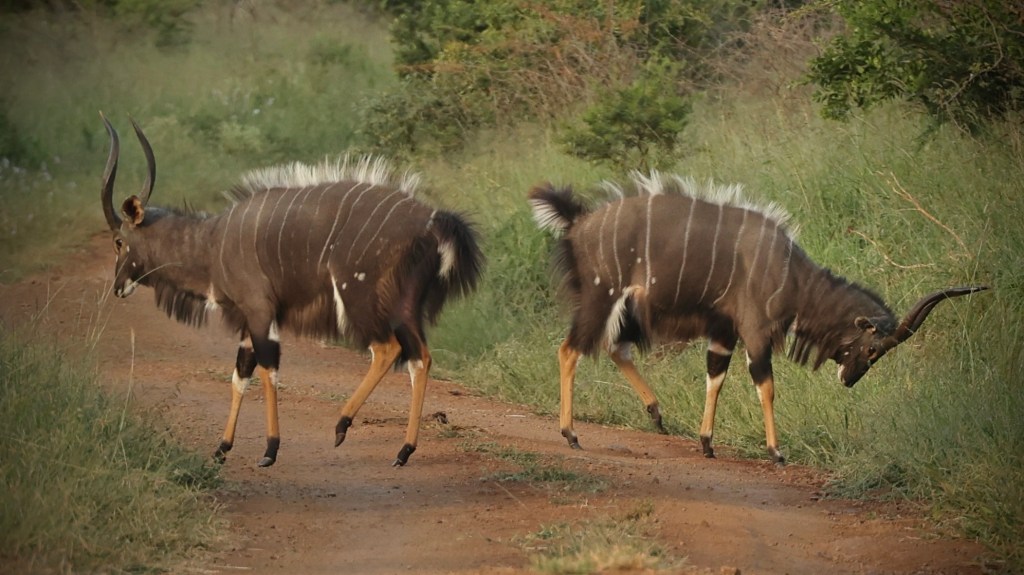
Nyalas have a far less violent method to solve such disputes. While younger bulls are seen regularly fighting with their horn in the common way, older specimen often show a very unusual behaviour.
They circle each other, facing the ground, fluffing up both tails and dorsal manes (white hairs on their back), and arching their heads forward. In this posture they very slowly ‘dance’ around one another.
Whichever one gives up first and walks away seems to be the looser. But I have seen both of them mating with different females soon after the ‘dance’.
I call them the ‘flower power antelope’ being very peaceful and rather free-spirited when it comes to mating 🙂
I took this pictures of two males ‘dancing’ yesterday afternoon.
Technical data: Canon R6 with RF lens f4-6.3/24-240mm | ISO 800 | 1/500sec | f6.7 | ev+0 | 200mm | WB 6500K | AV Mode | Crop to 10% of original image
#amazingwildlife #africansafari #safarigetaway #christiansperkaphotography #thandasafari #big5 #gamereserve #wildlifephotography #learnphotography
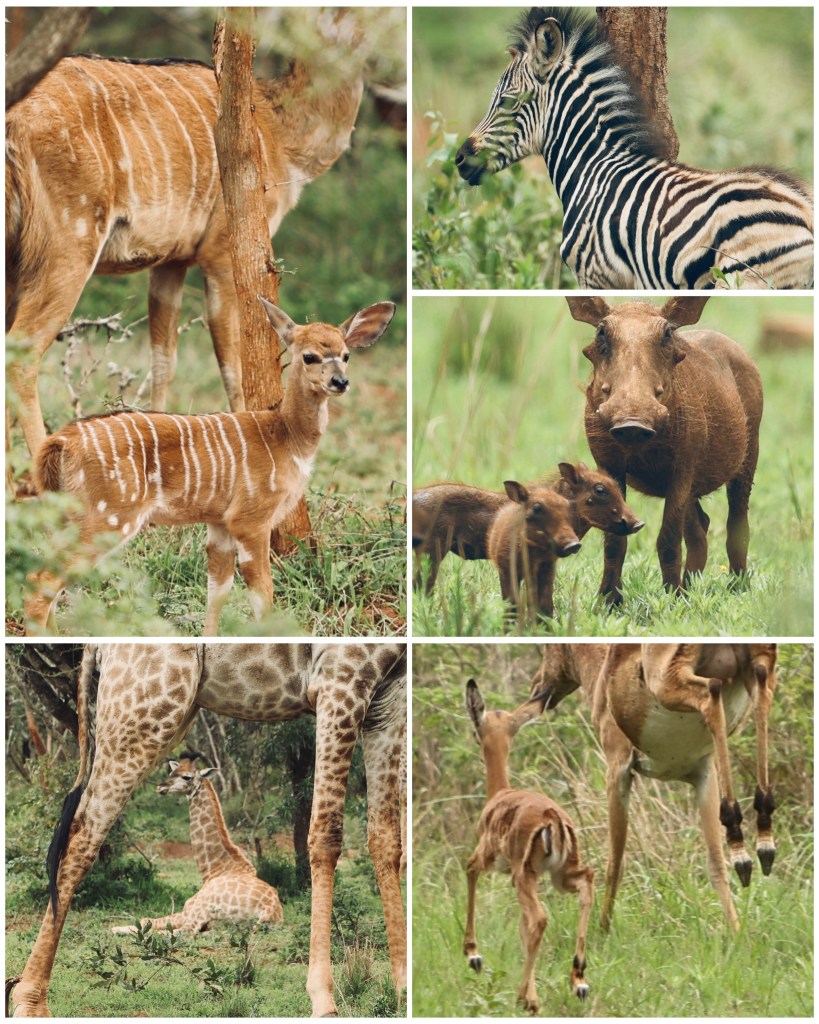
At this time of the year a lot of baby animals are being born. Some of the species have a ‘dropping season’ as they had a ‘breeding season’ months ago, others give birth at any time during the year.
The little Warthogs and the young Impalas are all appearing at this time. The Zebra-, Nyala-, and Giraffe-babies can appear at any time. And the little Wildebeest will be born soon. The small Warthogs and little Impala in these pictures are my first newborn sightings for this season.
Technical data (top left to bottom right):
Canon R6 / EF 4/500mm lens & EF 2.8/70-200mm lens
Nyala – 200mm / 1/750s / f2.8 / ISO200
Zebra – 500mm / 1/500s / f4 / ISO160
Warthog – 500mm / 1/500s / f4 / ISO100
Giraffe – 150mm / 1/500s / f2.8 / ISO1000
Impala – 200mm / 1/750s / f2.8 / ISO100
#amazingwildlife #africansafari #safarigetaway #christiansperkaphotography #thandasafari #big5 #gamereserve #wildlifephotography #learnphotography


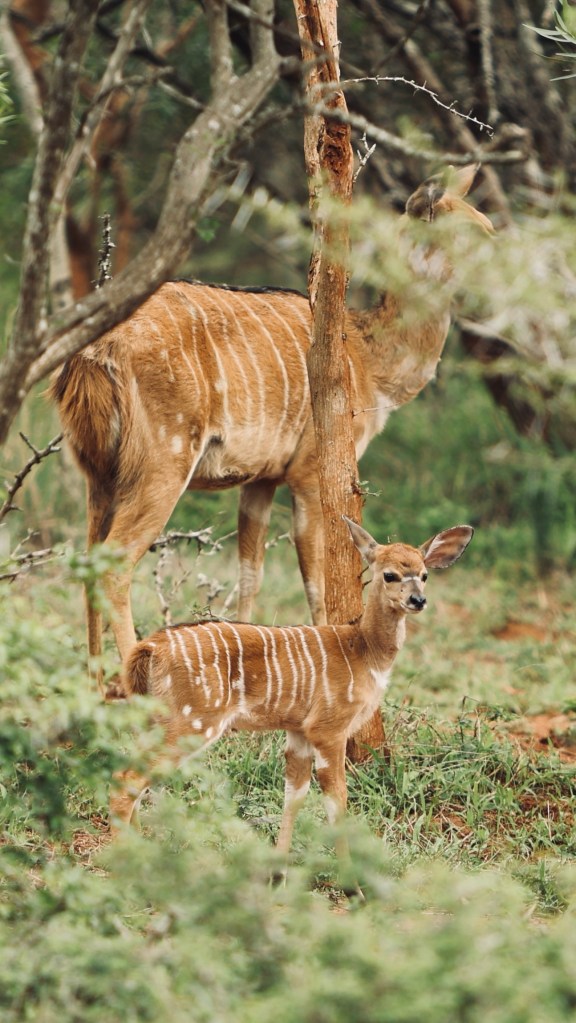
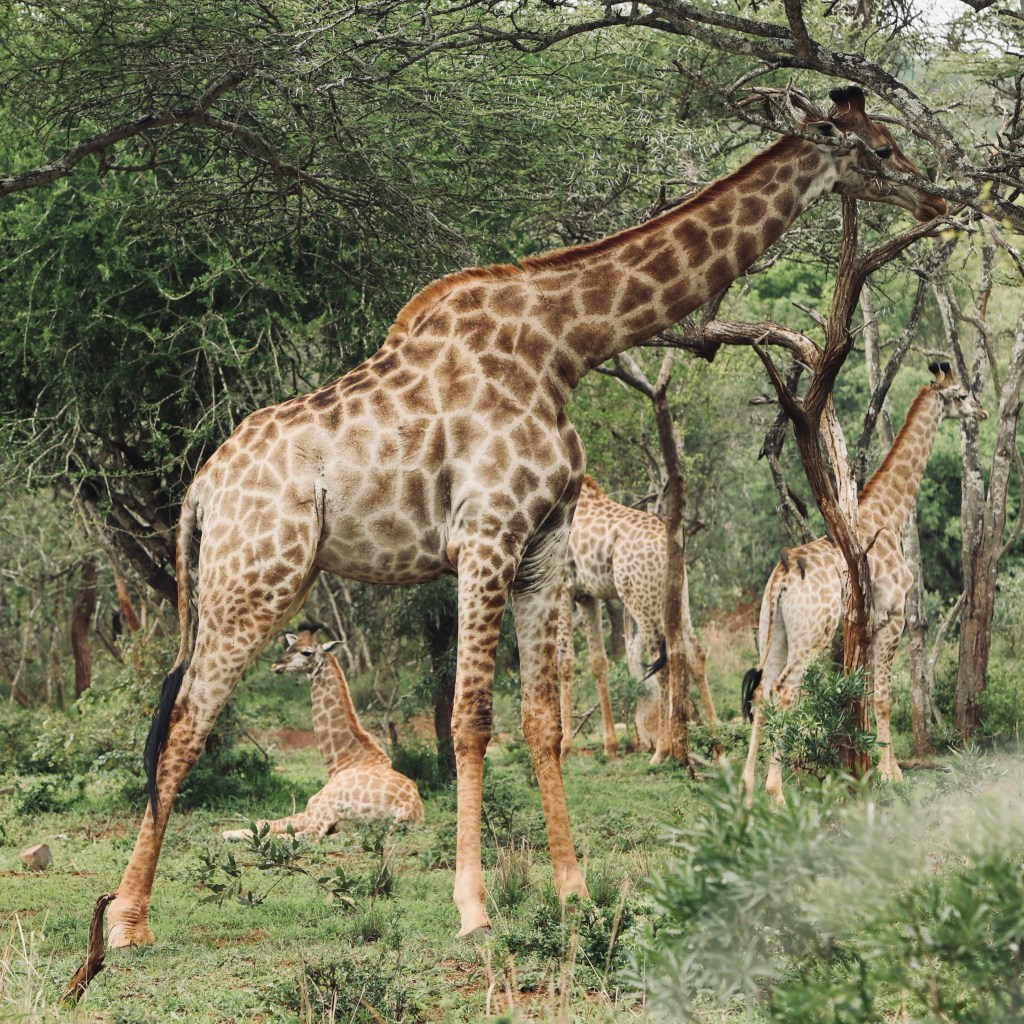

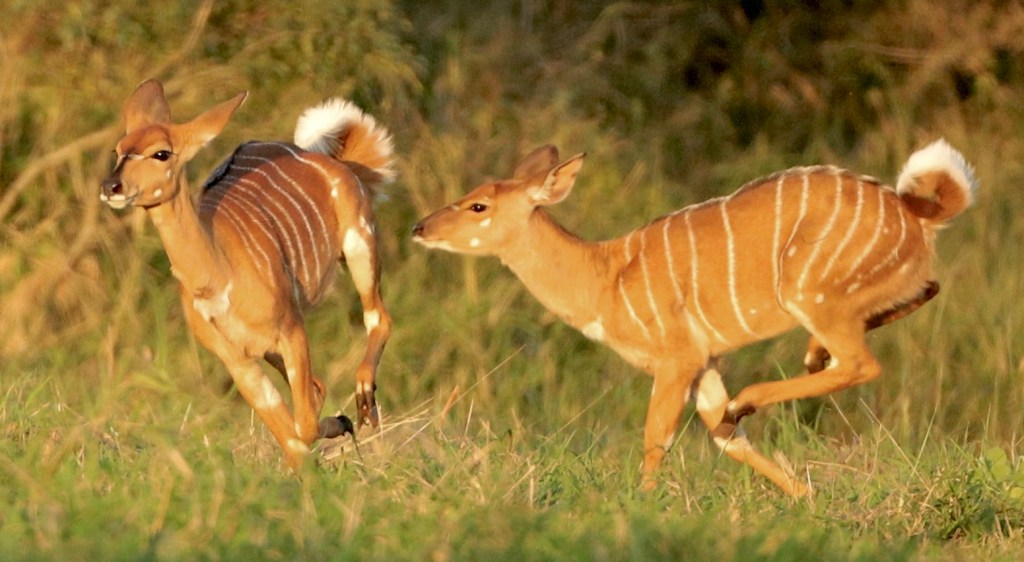
… by some Nyalas at Thanda Safari
#Amazingwildlife #africansafari #safarigetaway #christiansperkaphotography #thandasafari #big5 #gamereserve #wildlifephotography #learnphotography
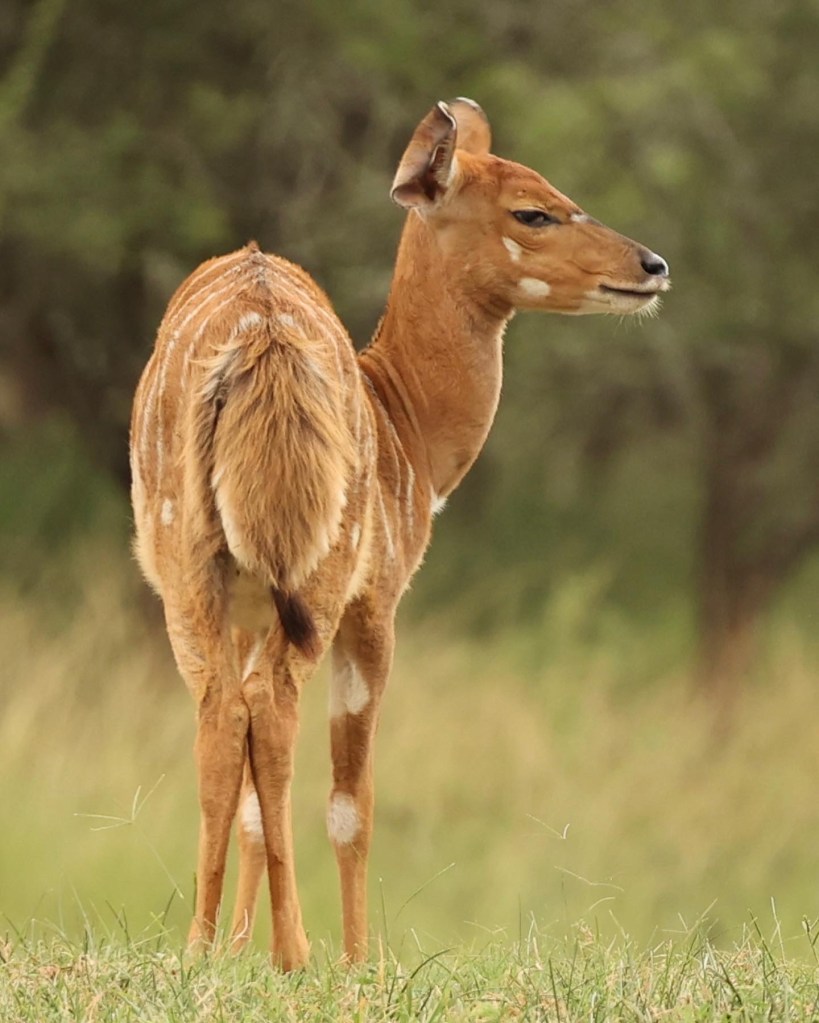
Herbivore week image 5 😊
#Christiansperkaphotography @christiansperkaphotography

Nyalas are some of my favorite antelopes. I took this picture of a young male on Thanda Safari in the most beautiful evening light.
#Christiansperkaphotography @christiansperkaphotography #thandasafari @thandasafari
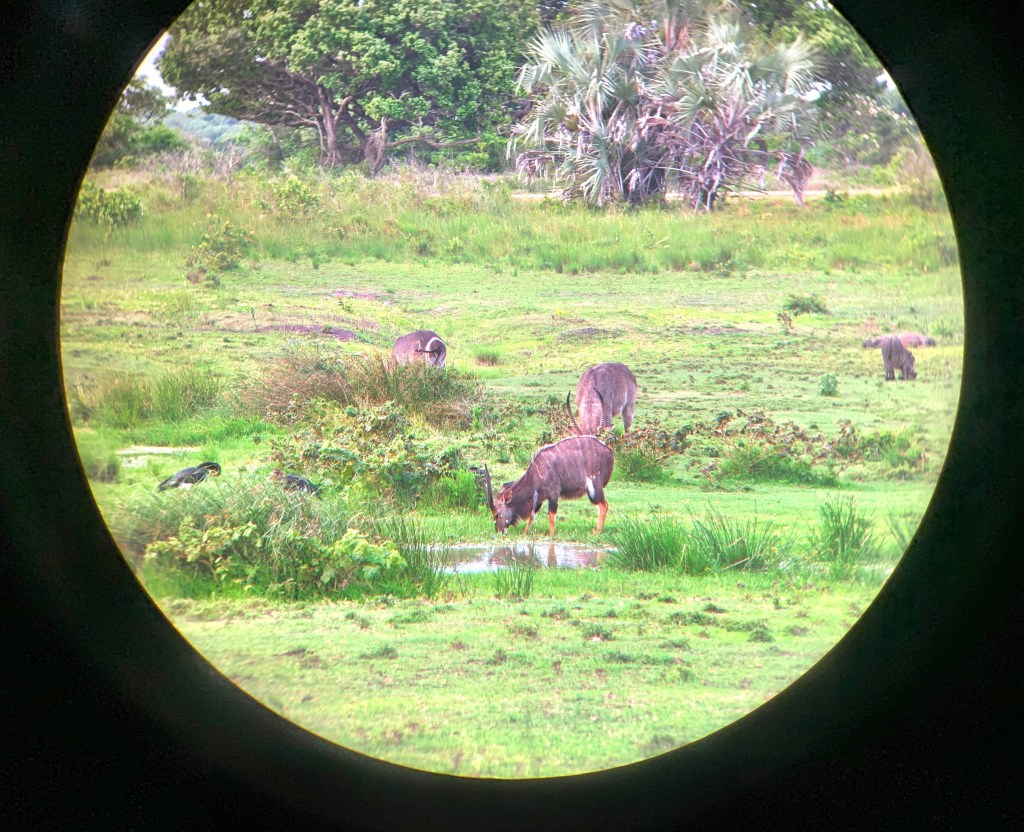
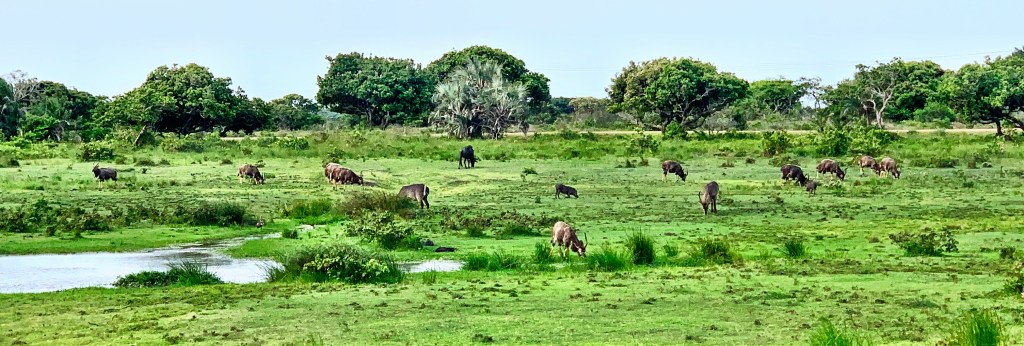
As I returned from a town trip I decided to drive back home through iSimangaliso Wetland Park (Eastern Shores) and stop at a small waterhole. I only had my mobile phone with me so I took a few pictures through my binoculars.
In total I counted 15 different species, which came for a drink during the 20 minutes I stopped at the water.
Species list: Spur-winged Goose, Egyptian Goose, Yellow-billed Kite, Hadada Ibis, Blue Wildebeest, Waterbuck, Nyala, Warthog, Pied Kingfisher, Barn Swallows, Red-breasted Swallow, Black-bellied Bustard, South African Giraffe, Burchell’s Zebra, and Common Buzzard.
#Christiansperkaphotography @christiansperkaphotography

A bit of mud on the horns makes one look so much more impressive 😊
#Christiansperkaphotography @christiansperkaphotography #thandasafari @thandasafari
 Christian Sperka Photography | Custom Luxury Tours