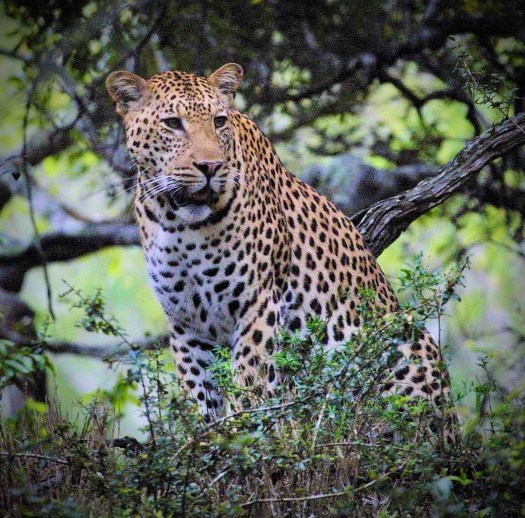
PICTURE OF THE WEEK – LEOPARD

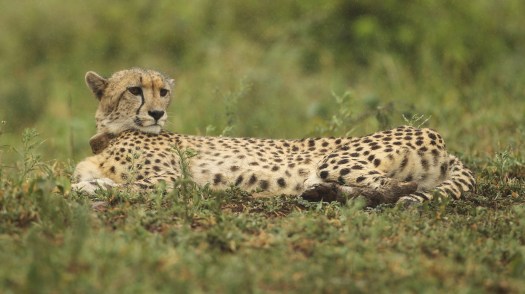
This is my first Leopard picture, which I shot in December 2002. Ned (the name given to this magnificent male) was part of the Munyawana Leopard Project. Wild animals are usually not given any names on game reserves, except if they are part of a research project.

Enjoy your weekend!

#Christiansperkaphotography @christiansperkaphotography
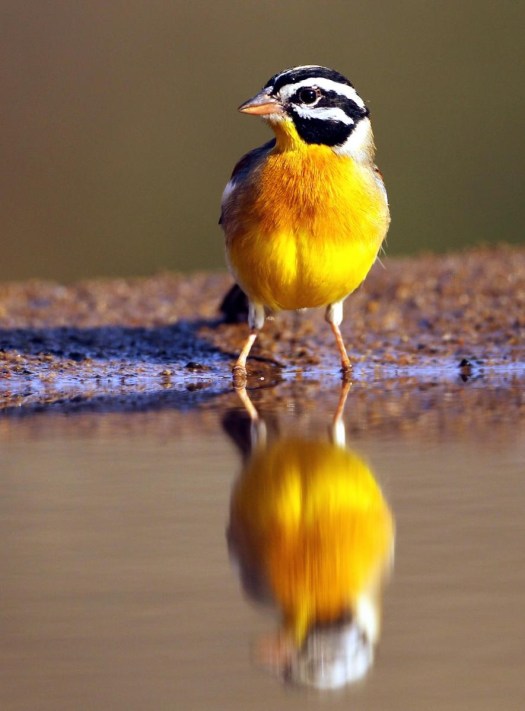
BIRD WEDNESDAY – GOLDEN-BREASTED BUNTING

With its striking yellow (golden) breast this is one of my favorite small birds.

Golden-breasted Buntings are regularly seen at the waterhole near my home on Thanda.

#Christiansperkaphotography @christiansperkaphotography
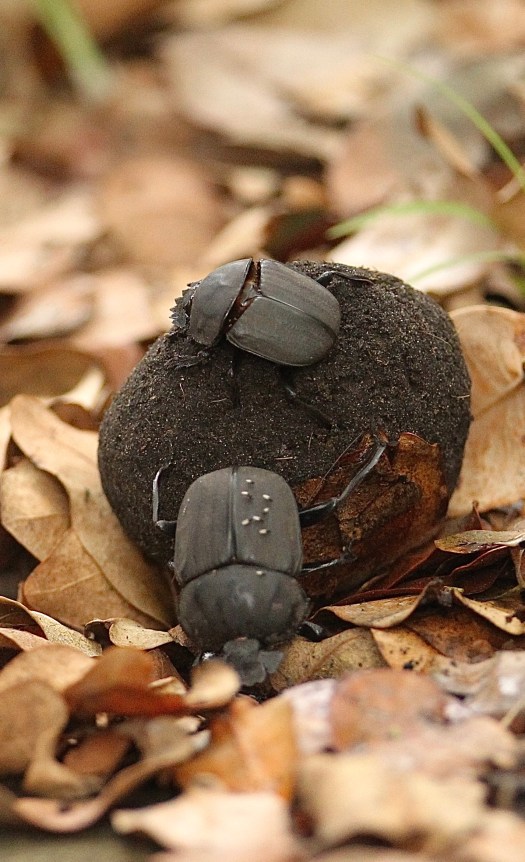
ECTOTHERM MONDAY – DUNG BEETLES

Ants are commonly observed lifting heavy objects, but they are not the strongest members of the insect world.

Dung Beetles are known to lift weights up to over 1,000 times their own body weight—a load equivalent to a human lifting over 80,000 kg (~180,000 pounds).

#Christiansperkaphotography @christiansperkaphotography
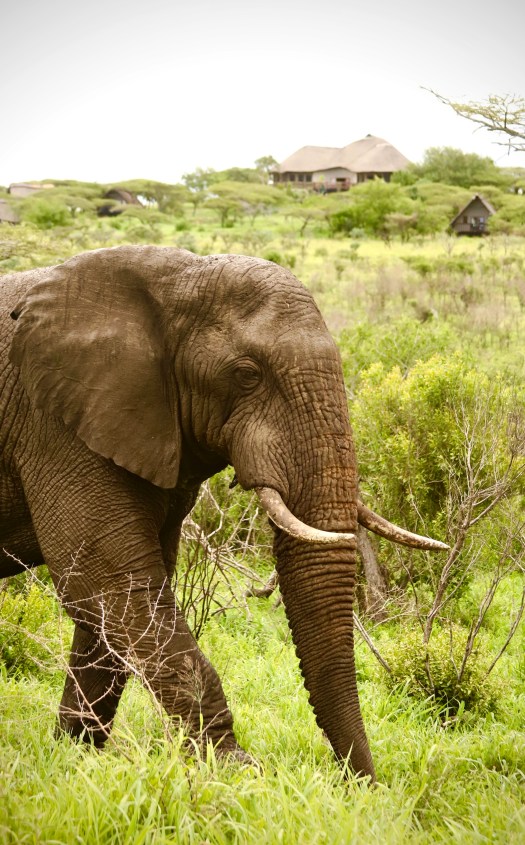
PICTURE OF THE WEEK – ELEPHANT BULL

This impressive African Elephant bull followed a breeding herd away from a local waterhole.

In the background is the Intibane Lodge, the home of Ulwazi Research, which is Thanda Safari’s Volunteer Program.

In case you are interested in volunteering: https://www.ulwaziresearch.com

Enjoy your week!

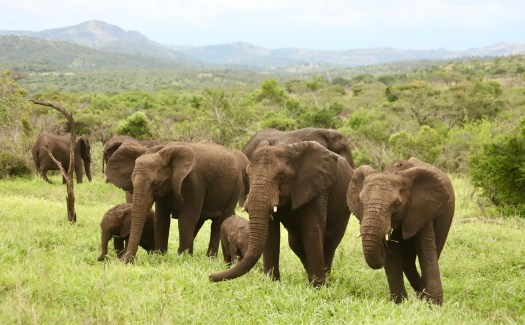
… and as a bonus picture the family group he followed …

#Christiansperkaphotography @christiansperkaphotography #thandasafari @thandasafari
MAMMAL FRIDAY – SLEEPING LION

Last night I was at the right place at the right time!

I was able to take this ‘fairy tail’ picture of one of our male Lions at one of Thanda Safari’s waterholes.

An hour later the skies opened and we got 50mm of much needed rain.

When I got home I very much resembled a drowned, but happy, rat.

Enjoy your weekend

#Christiansperkaphotography @christiansperkaphotography #thandasafari @thandasafari
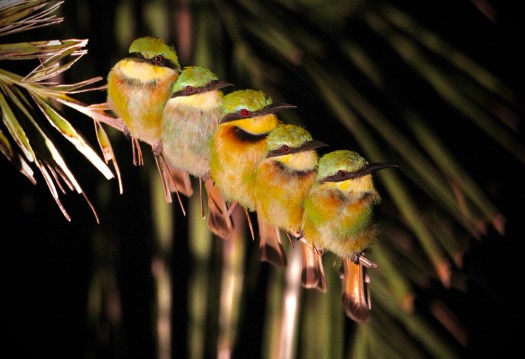
BIRD WEDNESDAY – LITTLE BEE-EATER

Five Little Bee-eaters were snuggling up for a good night’s sleep as I took this picture during a night safari at iSimangaliso Wetland Park.

With an average length of 15–17 cm, this species is the smallest African Bee-eater.

#Christiansperkaphotography @christiansperkaphotography

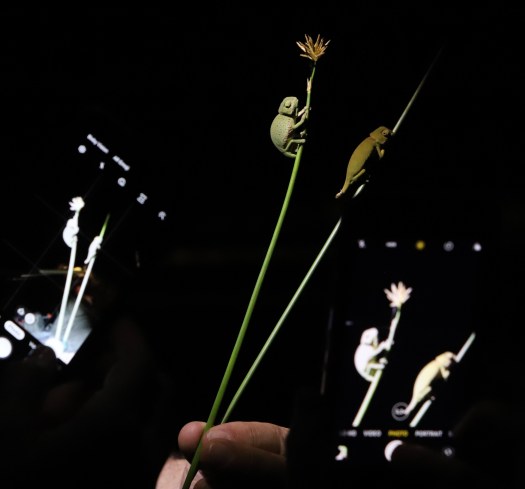
ECTOTHERM MONDAY – CHAMELEONS

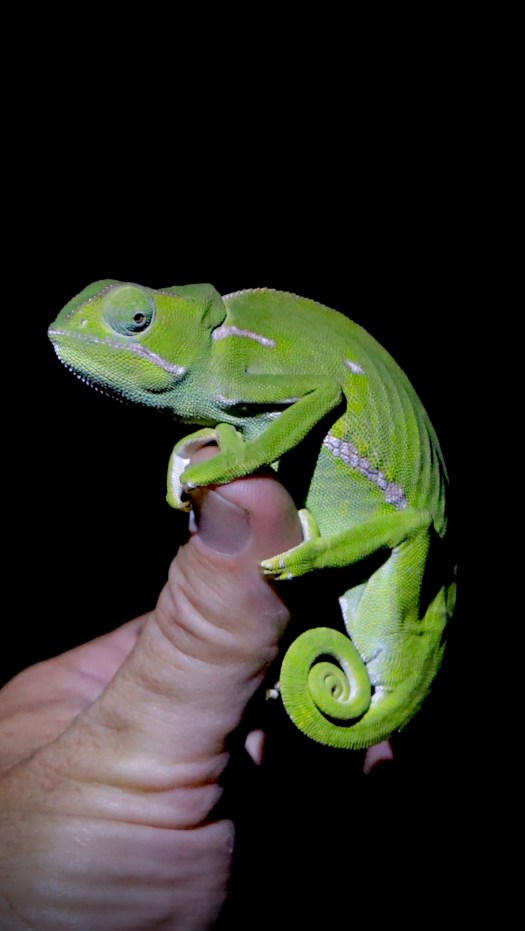
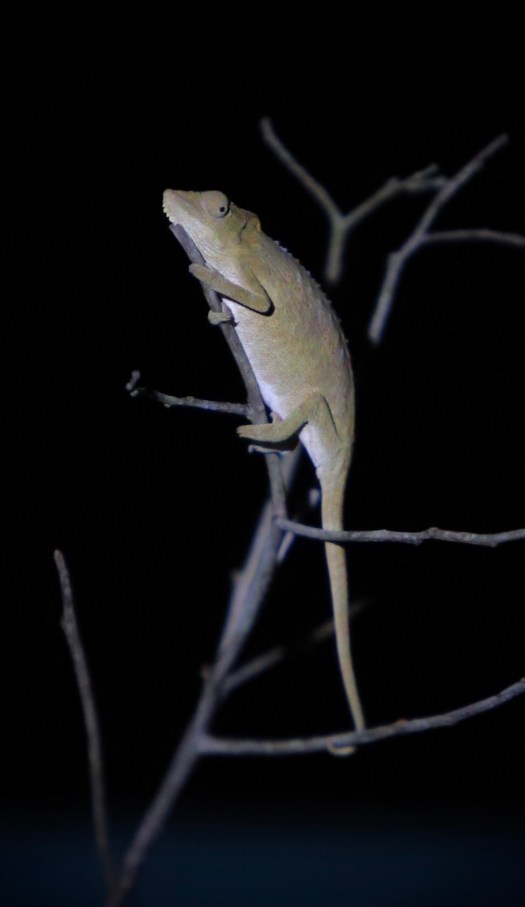
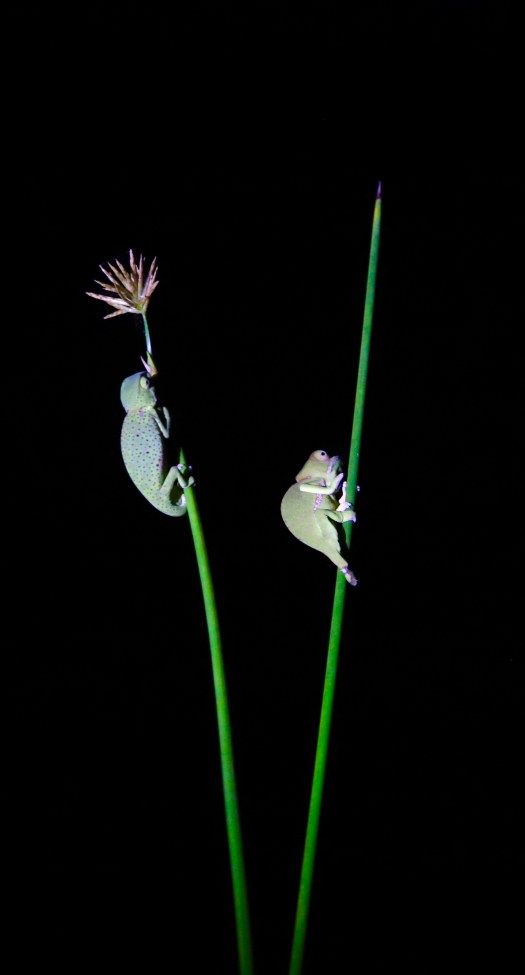
There are 19 species of formally described Chameleons within South Africa, 17 species of Dwarf Chameleons and 2 Typical (Large) Chameleons.

The specimen in this picture is a Flap Necked Chameleon, a large chameleon, reaching 35 cm (14 in) with colors ranging through various shades of green, yellow, and brown.

Paparazzi …
Ready for your close-up …
The dull side …
Dwarf Chameleons …

#Christiansperkaphotography @christiansperkaphotography
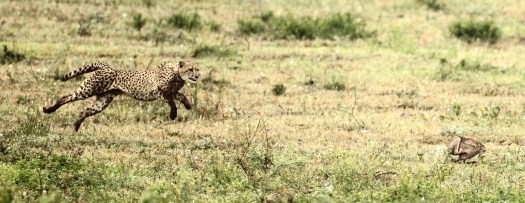
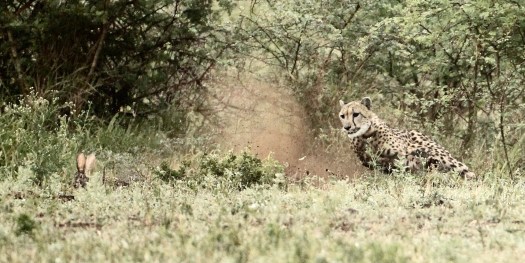
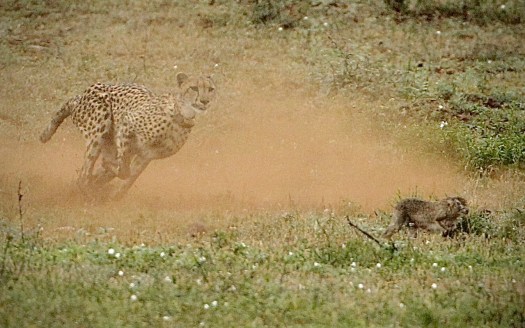
Bad news for the bunnies! Great news for Thanda Safari!

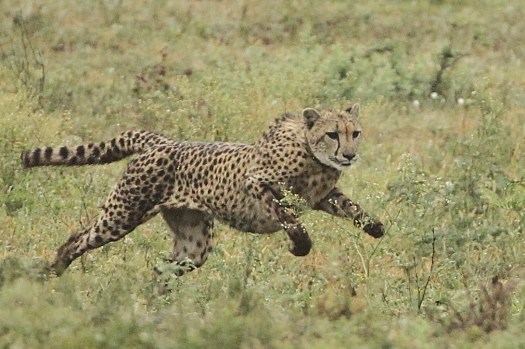
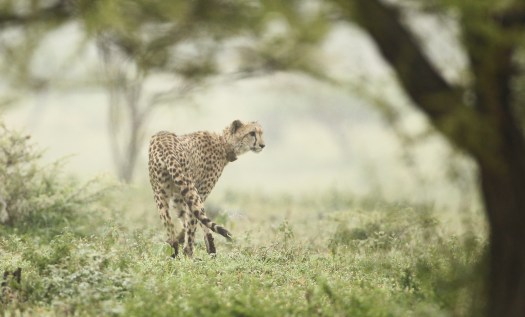
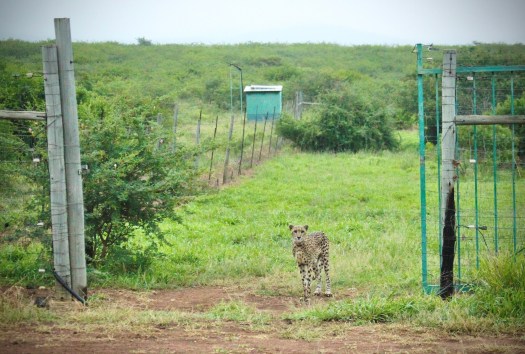
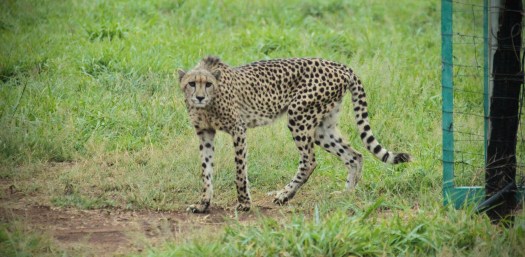
This week an additional female Cheetah was released onto the reserve. The young cat, which came to Thanda with a serious leg injury in October, spent four months in a boma (=fenced-in area) to recover.

But she obviously lost none of her skills. Less than an hour after her release she gave a Scrub Hare a run for its money. She almost caught the nimble creature. And on the day after her release she made her first kill and even climbed a tree to mark the occasion of her recovery.

We wish her all the best in her new home and hope she will meet our Cheetah gentlemen, soon.

Catch the Scrub Hare …
Miss the Scrub Hare …
Speed …
Rain on the Savanna …
A short rest …
Careful steps …
That’s it …

#Christiansperkaphotography @christiansperkaphotography #thandasafari @thandasafari

MAMMAL FRIDAY – SOUTH AFRICAN GIRAFFE

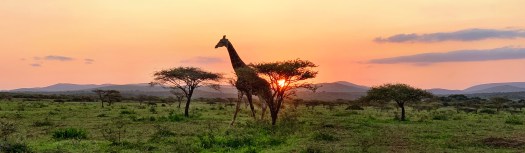
Giraffe male on the way to a waterhole at sunset.

Giraffes are multiple record holders. They are the tallest living terrestrial animals and the largest ruminants. They feature the longest tails and the largest eyeballs compared to all other land mammal.

Enjoy your weekend!

#Christiansperkaphotography @christiansperkaphotography #thandasafari @thandasafari
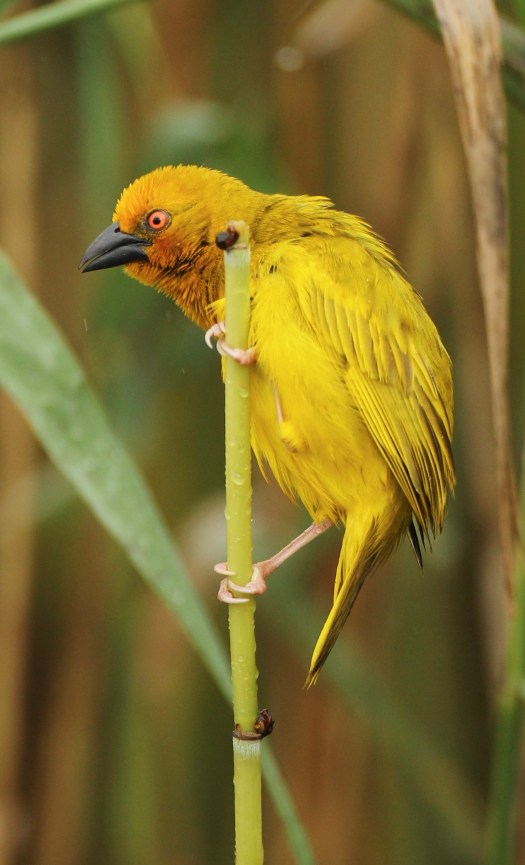
BIRD WEDNESDAY – EASTERN GOLDEN WEAVERS

… are found in eastern and south-eastern Africa.

Alternative names used are Yellow Weaver, Olive-headed Golden Weaver, and African Golden Weaver.

Males use their beaks to weave nests and the females choose their mates based on the males’ weaving skills.

#Christiansperkaphotography @christiansperkaphotography