


The traditional pose …

… and another one …
Today a little detour was required on my way home from the Thanda Safari Lodge. The two Cheetah brothers were resting in the shade under a tree in the middle of the road, so I had to get a bit of the street as they would not move for my car 🙂
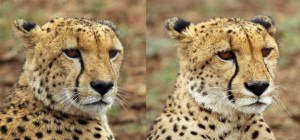
The Two Boys!
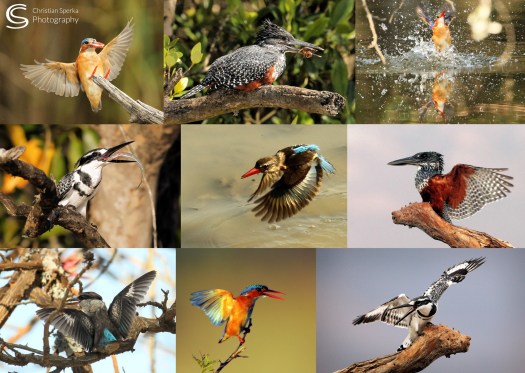
After yesterday’s post about a Malachite Kingfisher on Thanda a few people have asked me about the various South African Kingfishers. So, here is a short post about them:
There are ten Kingfisher species in South Africa. Five are aquatic species and five are considered woodland Kingfishers. Up til now I took pictures of eight of these ten species. I am still missing the Half-collared Kingfisher and the Grey-headed Kingfisher.
Four of them (Woodland Kingfisher, Striped Kingfisher, Brown-hooded Kingfisher and African Pygmy Kingfisher) are regularly seen on Thanda Safari Private Game Reserve and I had one – rare – sighting of a Malachite Kingfisher. Giant Kingfishers, Mangrove Kingfishers and Pied Kingfishers are aquatic species and are therefore not resident on Thanda.
Enjoy the pictures!


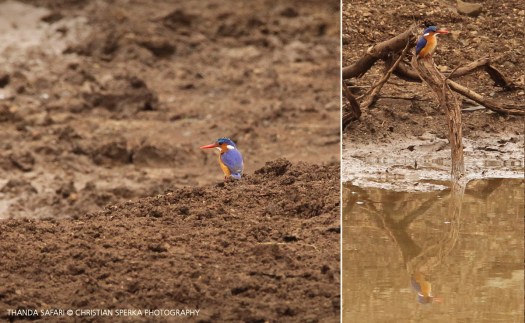
It is always very exciting to see a bird in an area where it usually does not occur. Malachite Kingfishers are one of the aquatic Kingfisher species. They live on Rivers or other large bodies of water. Finding one on Thanda Safari – Private Game Reserve was a very special treat for our bird-loving guests. Bheki (my Zulu tracker) spotted it at the waterhole near my home.
These are not my best Malachite Kingfisher images, but they are very special to me!
To view more of my Malachite Kingfisher images go to http://www.sperka.biz/sgb10
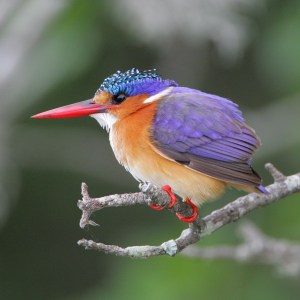
The Malachite Kingfisher (Corythornis cristatus) is an aquatic, small Kingfisher which is widely distributed in Africa south of the Sahara. It is only 13 cm (5.1 in) in length. This species is common to reeds and aquatic vegetation near slow-moving water or ponds. The flight of the Malachite Kingfisher is rapid, with the short, rounded wings whirring until they appear a mere blur. It usually flies low over water. The call of this kingfisher is then a short shrill seek. The breeding song is a chuckling li-cha-cha-chui-chui.
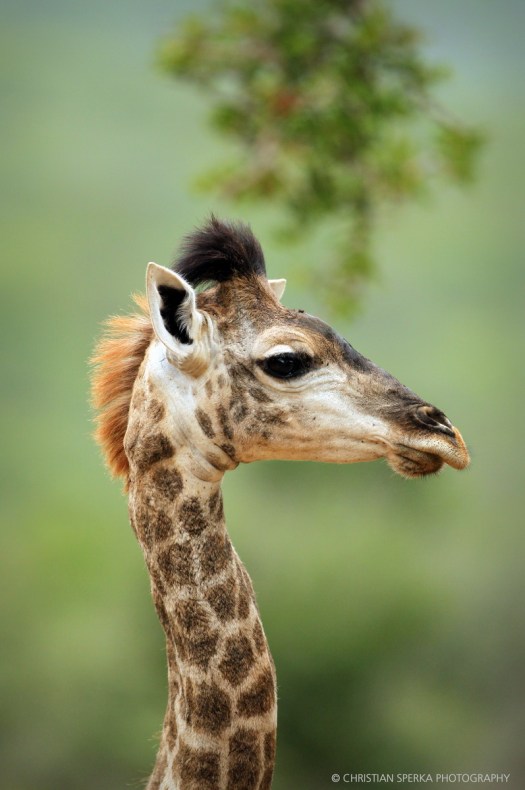
An African Bush Portrait – Baby Giraffe
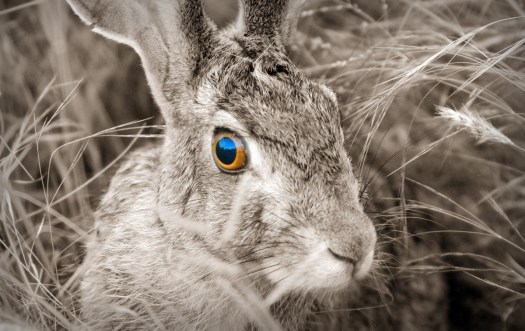
What is the little creature on my tracker Bheki’s hand. Not the fly, the other one?
What does it eat and how does it hunt?
Let’s see who gets it right!


Nine of my Lion images got published in the recent issue of Africa Geographic Magazine. The pictures accompany an article by ecologist and science journalist Cheryl Lyn Dybas titled the LONG LIVE THE KING – LAST ROAR OF AFRICA’S LIONS.
As a partner photographer for Panthera, the only organization in the world devoted exclusively to the conservation of the world’s 38 wild cat species, I had been asked to contribute to this story about the plight of Lions in West and Central Africa. And I was very happy to do so!
An interesting and important – but very sobering – article!
http://magazine.africageographic.com/weekly/issue-88/long-live-the-king/
#africageo #pantheracats #panthera #christiansperka
The sound of Africa: African Fish Eagle – This picture was taken at iSimangaliso Wetland Park, KwaZulu Natal (St.Lucia Estuary).
To view more of my African Fish Eagle images go to http://www.sperka.biz/sgb9
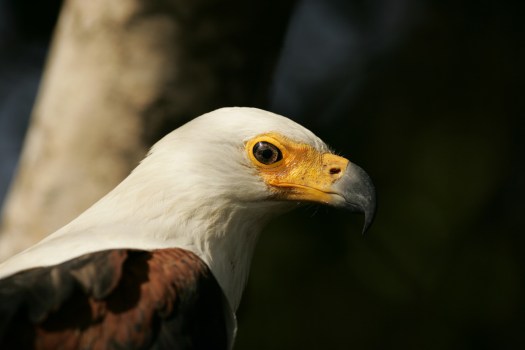
The African Fish Eagle (Haliaeetus vocifer) is found throughout sub-Saharan Africa wherever large bodies of open water occur that have an abundant food supply. It is the national bird of Zimbabwe, Zambia and South Sudan.
This species resembles the North American Bald Eagle in appearance.
The African Fish Eagle is a large bird, and the female, at 3.2-3.6 kg (7-8 lbs) is larger than the male, at 2-2.5 kg (4.4-5.5 lbs). The adult is very distinctive in appearance with a mostly brown body with a white head like the Bald Eagle and large, powerful, black wings. The plumage of the juvenile is brown in colour, and the eyes are paler compared to the adult. The feet have rough soles and are equipped with powerful talons in order to enable the eagle to grasp slippery aquatic prey.


“Earth provides enough to satisfy every man’s needs, but not every man’s greed.” Mahatma Gandhi

 Christian Sperka Photography | Custom Luxury Tours