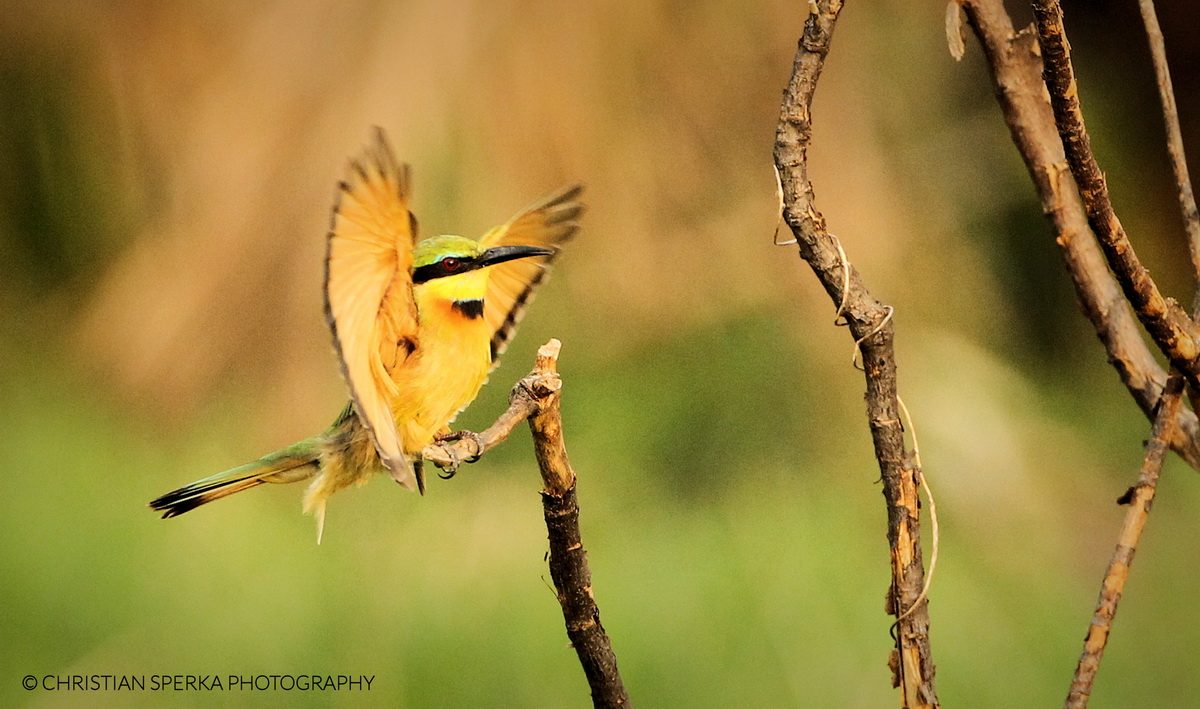
Two Europeans!

Yesterday evening I took these images of two of my favorit Europeans.

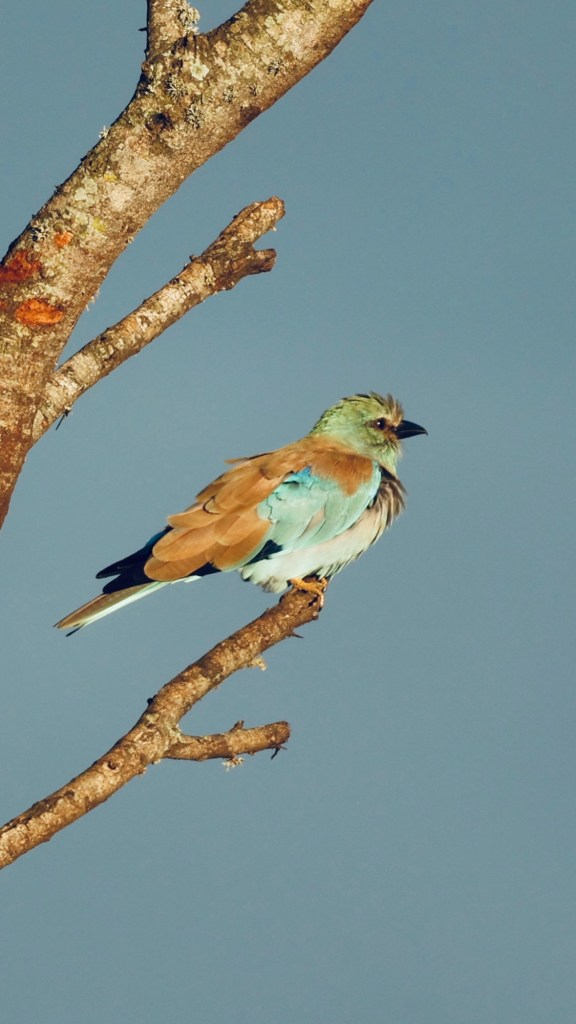
The first one is a European Bee-eater and the second one is a European Roller.

They are seasonal migrants which spend March to September in the Northern Hemisphere and for the rest of the year they return to the South to enjoy our summer.

About 12% of all bird species on Thanda Safari‘s bird list are summer migrants.

Both birds are great photographic targets as they often perch in the sun. They also often return repeatedly to the same branch after catching insects on a short flight. If one times it carefully, one can catch them with open wings during landing.

Technical data (Bee-eater): Canon R6 with RF lens f11/800mm | ISO 320 | 1/500sec | ev+0.5 | WB 6500K | AV Mode | Crop to 25% of original image

Technical data (Roller): Canon R6 with RF lens f11/800mm | ISO 320 | 1/500sec | ev-0.5 | WB 6500K | AV Mode | Crop to 10% of original image

#amazingwildlife #africansafari #safarigetaway #christiansperkaphotography #thandasafari #big5 #gamereserve #wildlifephotography #learnphotography
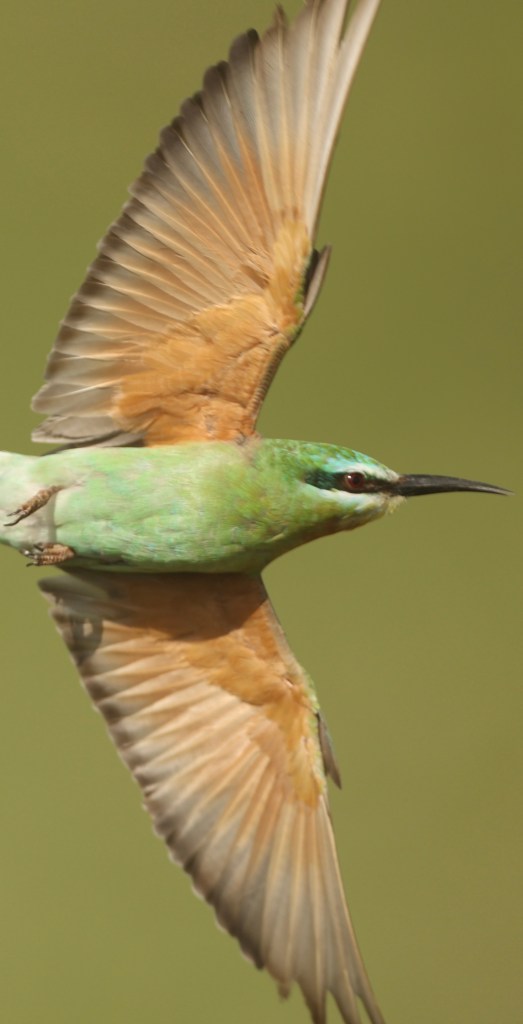
Not only Bees!

One of my favorite genus of birds is the Bee-eaters (_Merops_). These fast flyers are mainly hunting insect.

As a photographic subject they are especially interesting because many of them have the habit of hunting repeatedly from the same location (eg tree branch) and are returning to the exact same position after their hunt, again and again.

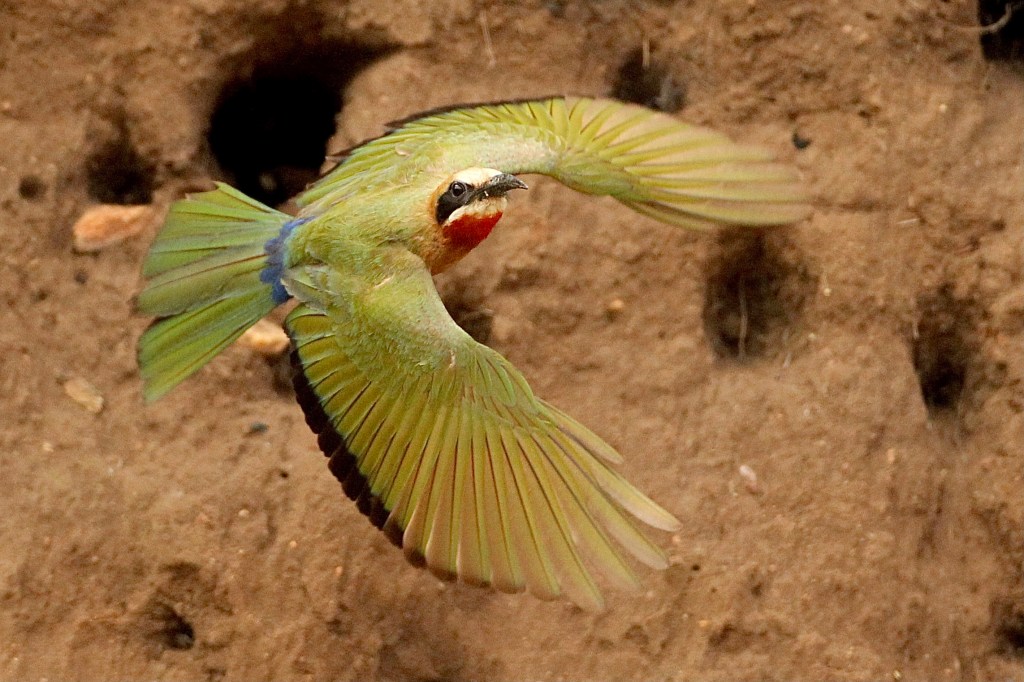
That allows photographers to use manual focus on the departure/arrival location and then shoot fast bursts to get images during take-off and landing. But make sure your shutter speed is 1/2000sec+ as they are very fast. This is how I got the shot of this Blue-cheeked Bee-eater (_Merops persicus_) recently at the iSimangsliso Wetland Park.

10 species of Bee-Earers can be found in Southern Africa (Little, European, White-fronted, Blue-cheeked, Böhm‘s, Northern Carmine, Olive, Southern Carmine, Swallow-tailed, White-throated). The first four have been sighted on Thanda.

_Technical data: Canon R6 with EF lens f4.0/500mm | ISO 200 | 1/3000sec | f4 | ev0| 500mm | WB 6500K | AV Mode | Crop to 30% of original image | hand-held_

#amazingwildlife #africansafari #safarigetaway #christiansperkaphotography #thandasafari #big5 #gamereserve #wildlifephotography #learnphotography

FLYING HUNT

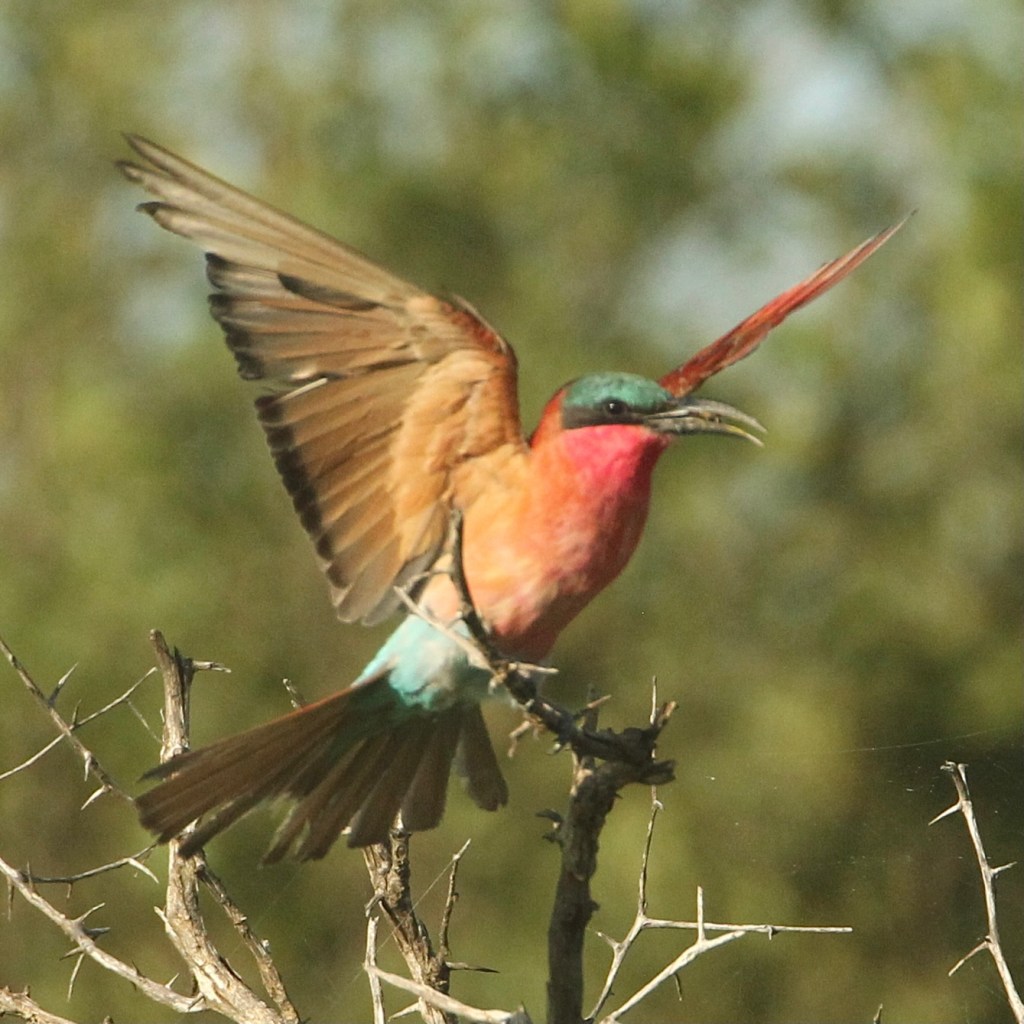
This Southern Carmine Bee-eater was hunting when I took this picture.

A lot of patience to capture this fast flying bird on camera. S-100 road near Satara Rest Camp, Kruger National Park.

#ChristianSperkaPhotography #ChristianSperka #Kruger #KrugerNationalPark #KrugerSouthToNorth #KrugerNorth #KrugerSouthAfrica #ExploreKruger

THE DAILY POST – I AM BACK 😊 – WHITE-FRONTED BEE-EATER COLONY

After a week at Pakamisa the Green Mamba and I are back on Thanda.

Today’s picture/video post is of a White-fronted Bee-eater colony on Pakamisa.

Enjoy the video and have great week!

#Christiansperkaphotography @christiansperkaphotography #pakamisagamereserve @pakamisagamereserve #thandasafari @thandasafari

THE EVENING POST – BEE HUNTER

This is a Little Bee-eater in flight. It is the world’s smallest Bee-eater species.

Enjoy your evening.

#Thandasafari @thandasafari

#Christiansperkaphotography @christiansperkaphotography

THE MORNING POST – HUDDLE TOGETHER

These Little Bee-Eaters stayed close and warm during a chilly night. It is interesting to see the various stages from juvenile to a fully developed adult (the one in the middle). Juveniles lack the black gorget.

This is one of my favorite bird pictures, ever.

#Christiansperkaphotography @christiansperkaphotography #lockdownsafari

BIRD WEDNESDAY – BEE-EATERS

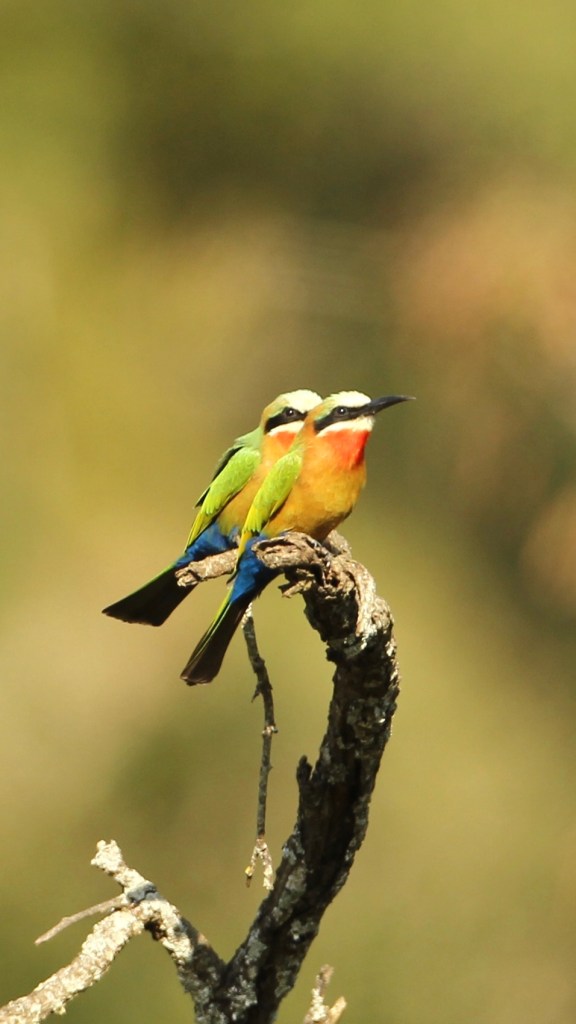
There are 27 species of bee-eaters worldwide (in Europe, Africa, Asia and Australia). They have one of the most complex social structures of birds.

Most species are monogamous and many live in large colonies in family groups with up to four generations. They appear to recognize family members and nesting neighbors from voice recognition.

The birds in this picture are White-fronted Bee-eaters.

#Christiansperkaphotography @christiansperkaphotography #pakamisagamereserve @pakamisagamereserve

Chewing bones, parking backwards, fishing large and catching big!

A strange title for a blog?

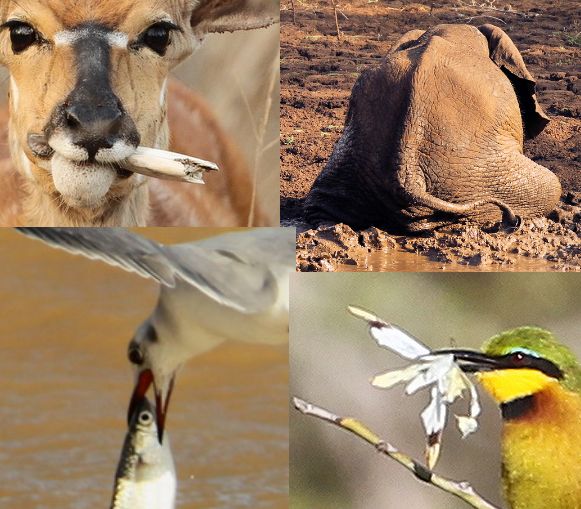
Yes, but these images explain it all …

… a female Nyala chewing on a bone to get some extra calcium during the dry season.20140921 - CS2_0599 - E

… two Elephants wetting their bums by backing into a waterhole.20150515 - CS3_6934 - E

… a Seagull catching a very large fish!20150727 - CS3_8298 - E

… and a little Bee-Eater catching a ‘big’ Butterfly.20150422 - CS3_5848 - E

I really enjoy these unusual sightings – remarkably uncommon 🙂

Fourteen for the Villa! (4)

I have selected fourteen images to be hung in two of the suites at Thanda’s Villa iZulu. These are some of my favorite images and I have prepared them in sepia to match the existing old-fashioned frames. Over the next few days I would like to share these images with you.

Here is number four: A little Bee-eater!

20141119 - CS3_2952 - S 2

PS: If you stay at Thanda’s Villa iZulu in the suites number 2 or 3 you can view them in the original print.