
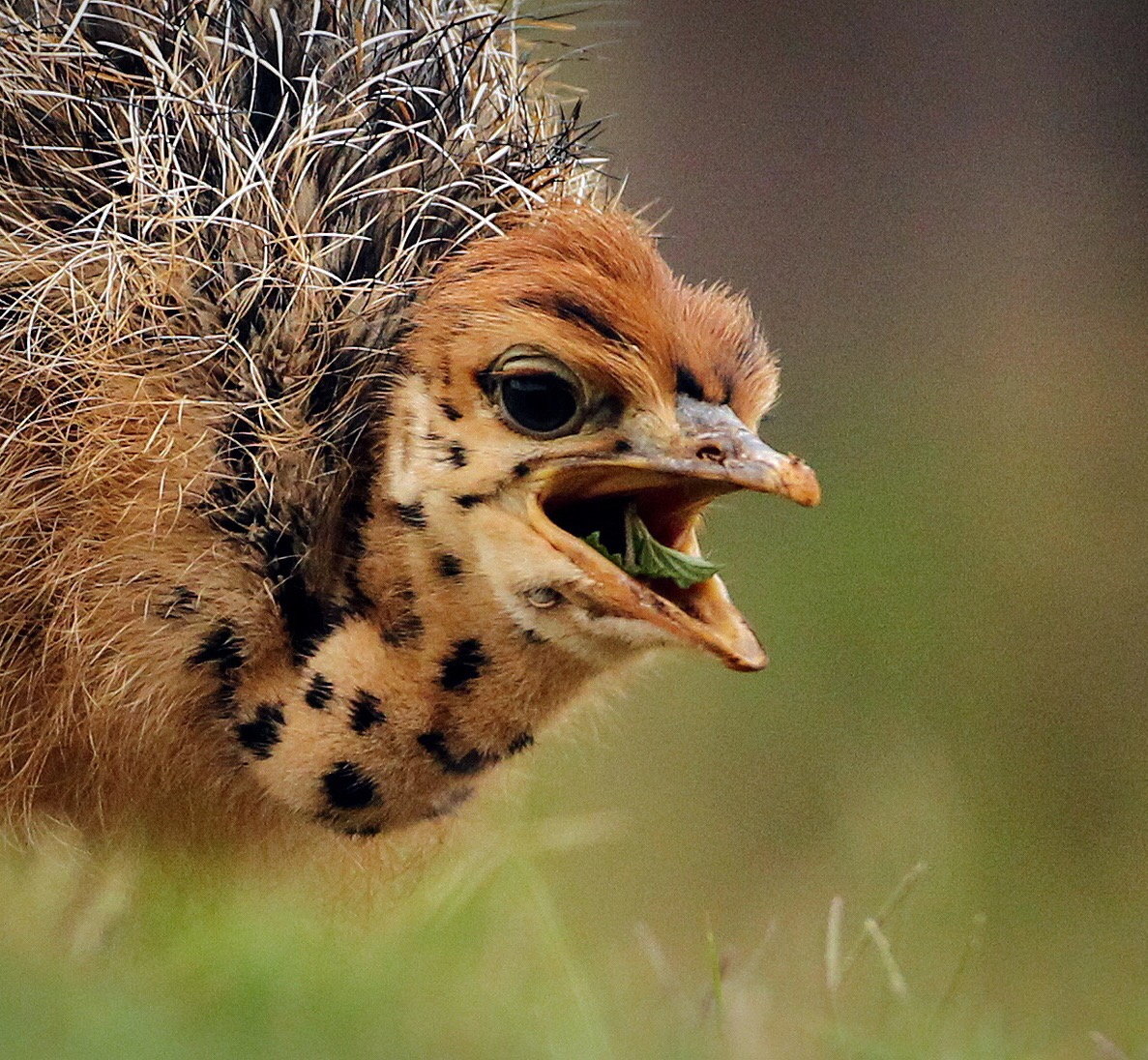
My favorite picture today – a tiny Ostrich!
Tiny

My favorite picture today – a tiny Ostrich!
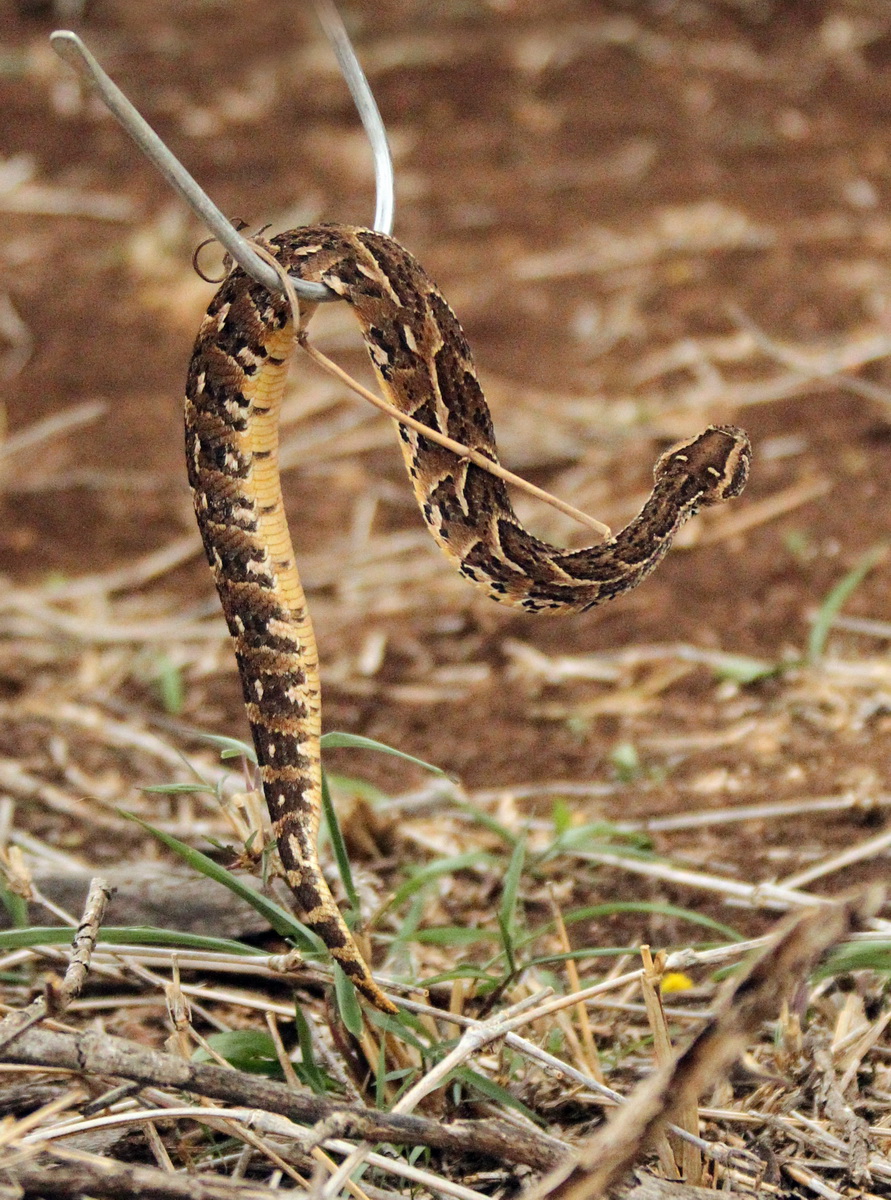
Sal (on Facebook) was the first to get the correct answer. We found this Puff Adder at Thanda House under a stack of fire wood. Due to the cold temperature it was very slow and did not react at all when Letishia took a piece of wood from the pile and discovered the snake.
I captured it and relocated it this morning away from Thanda House. After the release it took a few minutes before this incredibly camouflaged sake moved into the undergrowth.
Puff Adders are one of the most dangerous snakes in Africa. They have a very potent cytotoxic venom and are one of the fastest-striking snakes on earth. Due to the relatively low temperatures at this time of the year this specimen showed no aggression and could be handled quite easily.
This series of pictures were taken by Warren Beets (Thanda Reserve Manager) and myself during the release operation. Thanks Warren!
Well hidden! 
This picture shows me transferring the Puff Adder from the transport barrel to nice spot on the ground (near some undergrowth). 
Placing it on the ground 
Just in front of my GoPro camera 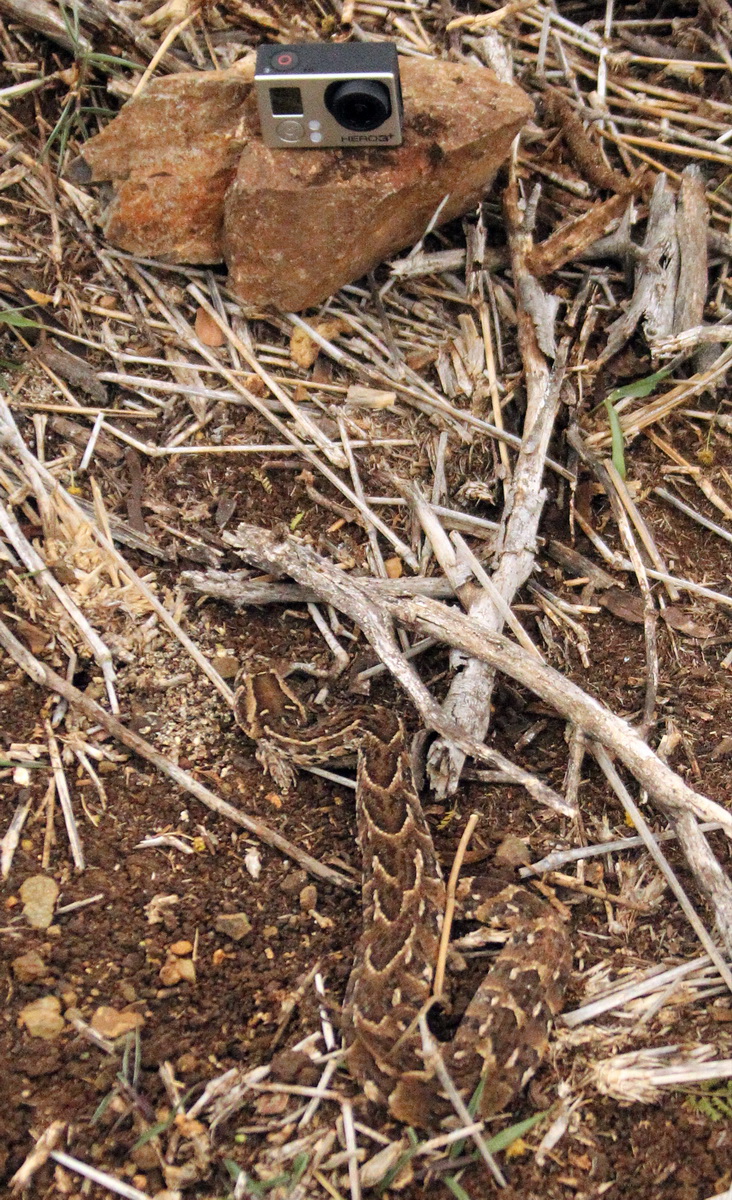
This is the release from the GoPro angle 
And then the snake disappeared into the bush 

When Lions mate they are actually busy for multiple days with a copulation every twenty to thirty minutes. In the breaks the male and the female keep eyes each other.
I love these two images which I took during such an intermission. An alert gentlemen and a lady giving him a stern look!
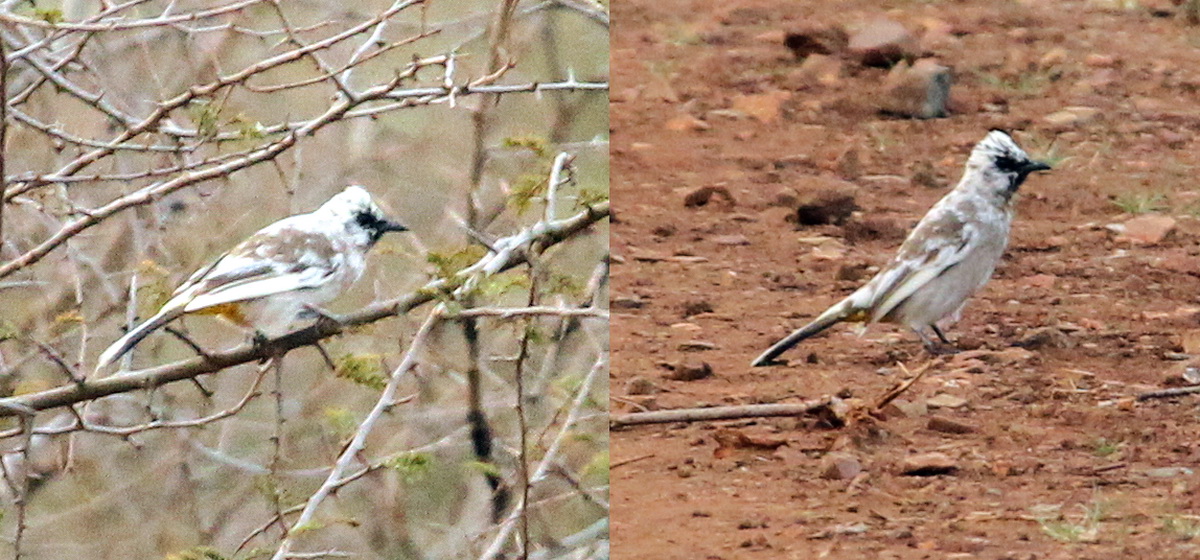
Yesterday evening I took these pictures of a strange-looking bird. I am not certain, but I think it is a amelanistic form of a Dark-capped Bulbul. Any other thoughts? Thanks in advance for the input.

The Big Five are by far the most photographed and talked about of all African animals. But it is really the Lions, Leopards, Elephants and Rhinos which get the major share of the fame. Well, this blog shows ten images to portray the fifth Big Five, the most magnificent (and dangerous) bovine in its natural environment, the Cape Buffalo. Enjoy these Thanda Buffalo pictures!


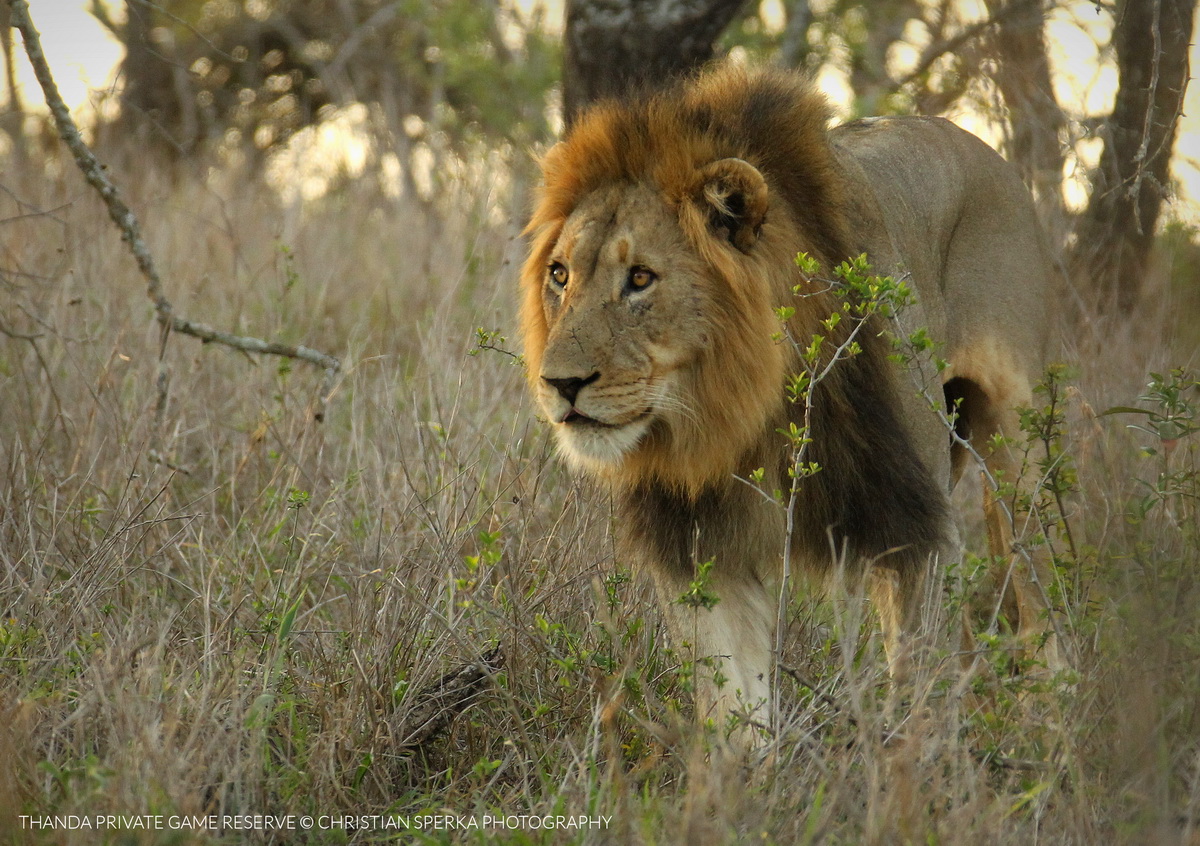
Have a guess what Thanda’s dominant male is looking at in this picture!
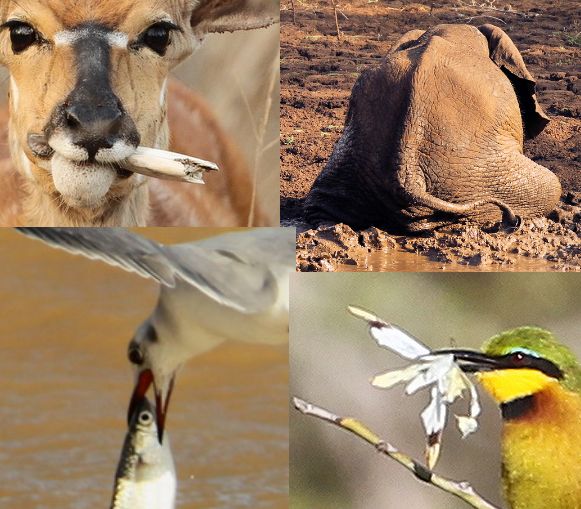
A strange title for a blog?
Yes, but these images explain it all …
… a female Nyala chewing on a bone to get some extra calcium during the dry season.
… two Elephants wetting their bums by backing into a waterhole.
… a Seagull catching a very large fish!
… and a little Bee-Eater catching a ‘big’ Butterfly.
I really enjoy these unusual sightings – remarkably uncommon 🙂

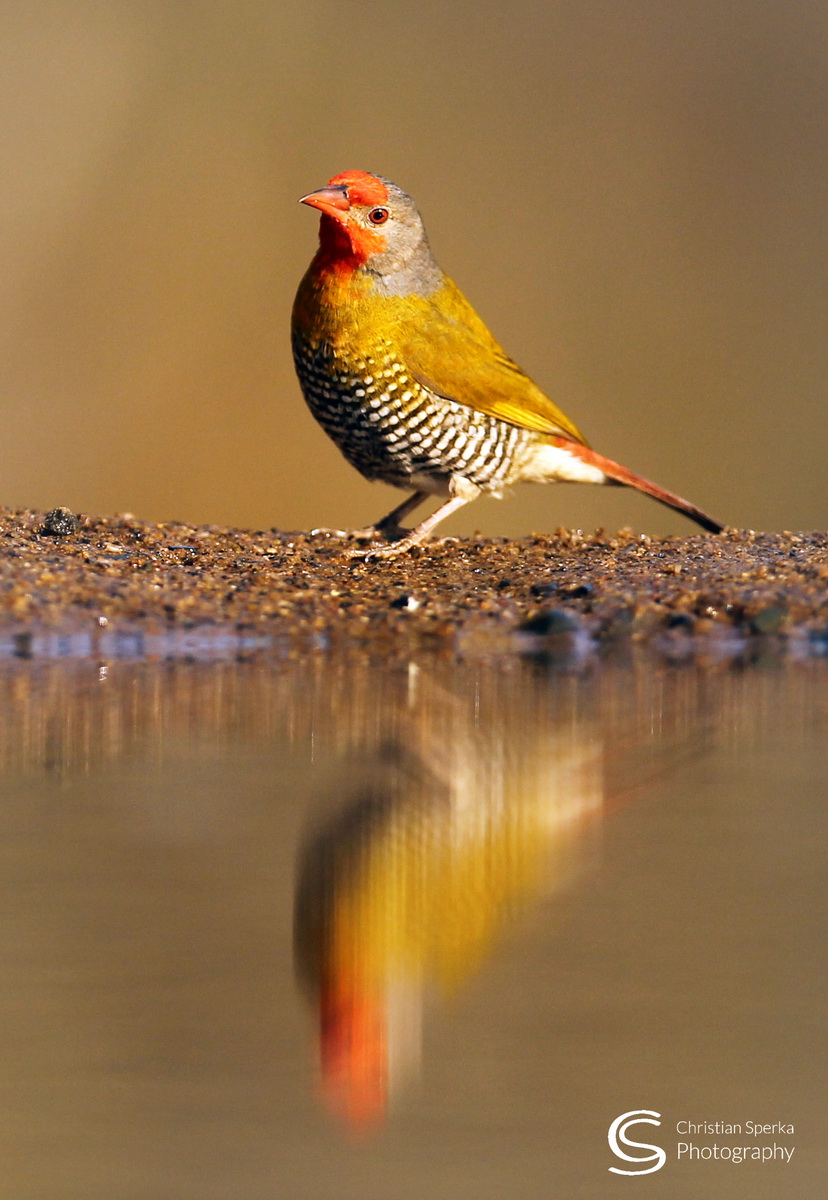
This is the last of the ten promised Zimanga photography blogs.
The image was taken at Bhejane Hide, Zimanga Private Game Reserve’s evening-light-reflection-pool-hide. More Zimanga images at https://sperka.info/2015/07/22/reflection-plus-zimanga/
I hope you have enjoyed these ten blogs with images taken at these very special photography hides.
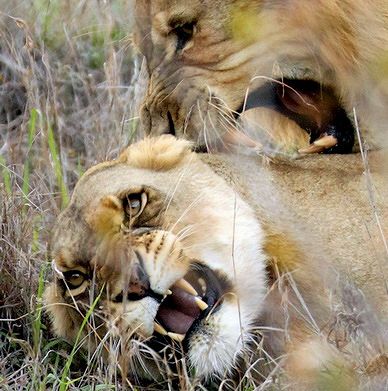

Watching Africa’s iconic large cats – Lion, Leopard and Cheetah – is always a special treat on any safari. But these three sighting were even more exciting than usual. First we saw Thanda’s dominant male Lion mating with the oldest female of the Mduna pride. Then we observed a young Cheetah female doing what Cheetahs ‘never do’, climbing up a tree trunk. And last but not least we sat with a relaxed and very beautiful male Leopard for quite a while, in broad day light!
A pleasure for the Thanda guests and great picture opportunities for all Wildlife photographers among them!
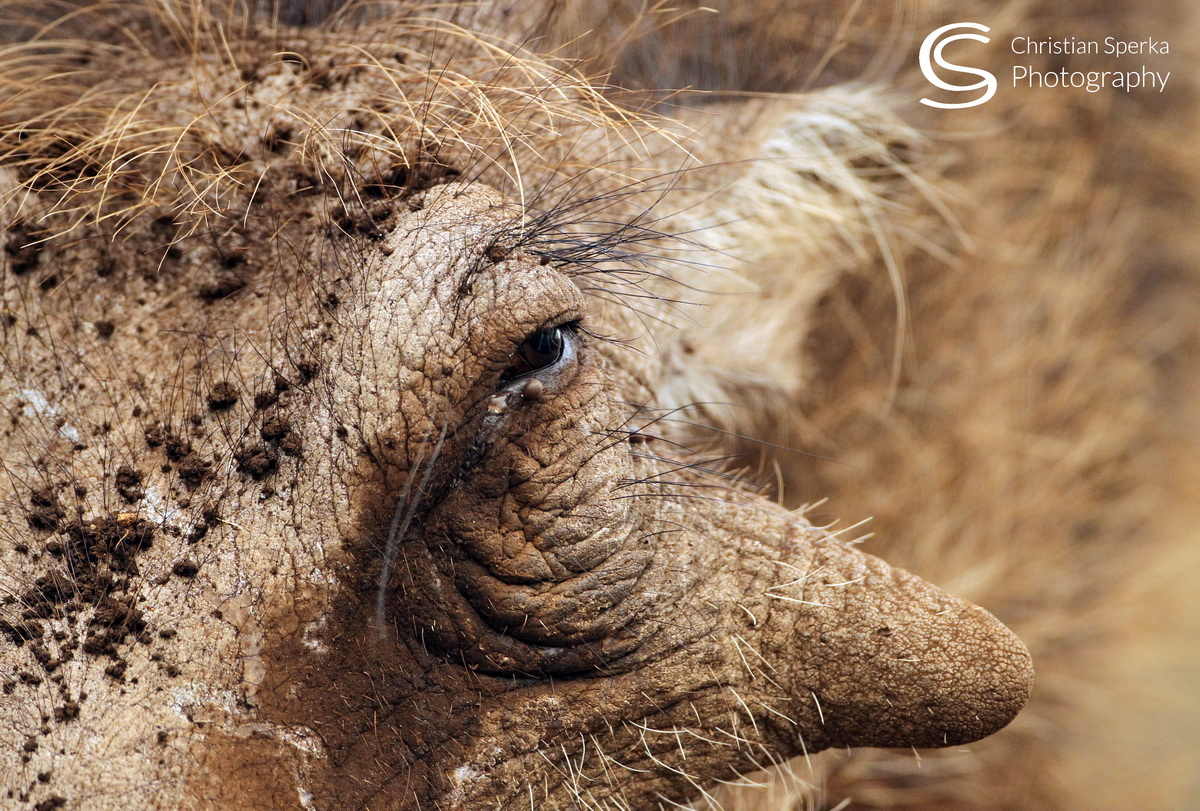
This is the ninth of the ten promised Zimanga photography blogs.
A male Warthog at Mkhombe, Zimanga Private Game Reserve’s morning-light-reflection-pool-hide.
More Zimanga images at https://sperka.info/2015/07/22/reflection-plus-zimanga/

