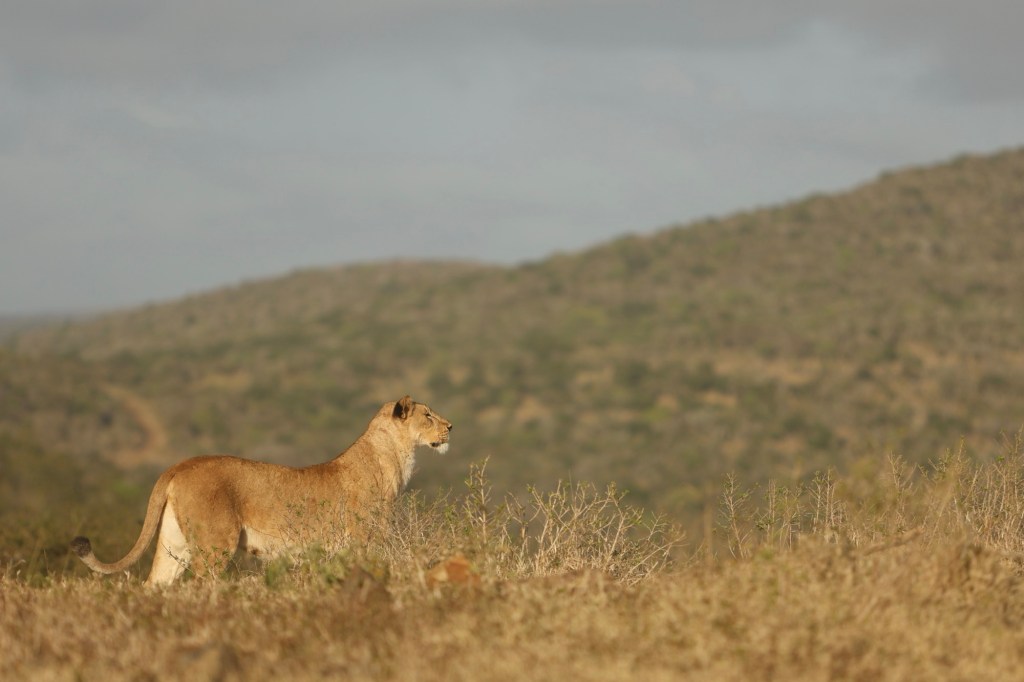
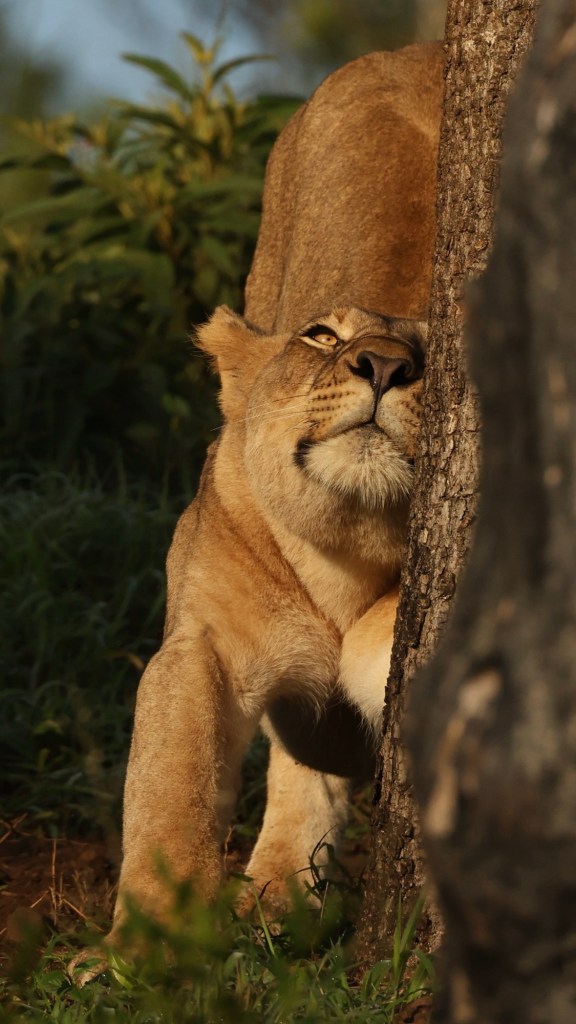
This lioness was in the right place at the time for her portrait shoot this morning. She is part of the Intibane pride. Together with her three sisters, she was keen to hunt, as their bellies were empty. But it got quite hot already and the four of them withdrew in the cooling shade of thicker bush a few minutes after this picture was taken.
The soft early morning light and a position slightly below the large cat made this picture possible.
Technical data: Canon R6 Mark II with RF lens f11/800mm | ISO 1600 | 1/500sec | ev+0 | WB 6500K | AV Mode
They start in life by being looked after very well by their mothers and other female family members until they reach two to three years of age.
Once their father has driven them away (to avoid adult male competition), they now have to fend for themselves. They have to hunt for themselves and avoid encounters with any dominant or territorial males.
Only one out of ten ever gets to take over a territory (and its prides) once they are grown adults. All others perish in the process.
Sometimes brothers from the same litter stay together through this process and form what is called a ‘male coalition’.
Or they meet one or more unrelated young males during their growing-up period and form such a coalition.
They will then move around together, hunt together, and protect one another from dangers. They will also fight other males on the way to the top together.
If they are strong enough and lucky enough, they will replace another male (or another coalition) as dominant males in a territory.
And this is when the trouble starts…
Once they encounter a female in estrus, they will usually fight one another for the right to mate (to propagate their own genes).
If one of them is significantly stronger than the other(s), then the fight is over quickly, and the submissive male(s) back off to let the dominant coalition partner mate with the female.
Once the mating period is over (usually after a few days), the males team up again as if nothing had happened.
But if two of the males are matched in strength and determination, then the situation can get quite serious, and the fights for the ladies can result in serious injuries and even death of one of the contestants.
This picture shows a male just after he had an argument with his brother over a female.
The next day, the lioness was gone, and they were once again together, even licking one another’s wounds.
Technical data: Canon R6 with RF lens f4-6.3/24-240mm | ISO 160 | 1/500 sec | f6.3 | EV +0 | 240mm | WB 6500K | AV Mode
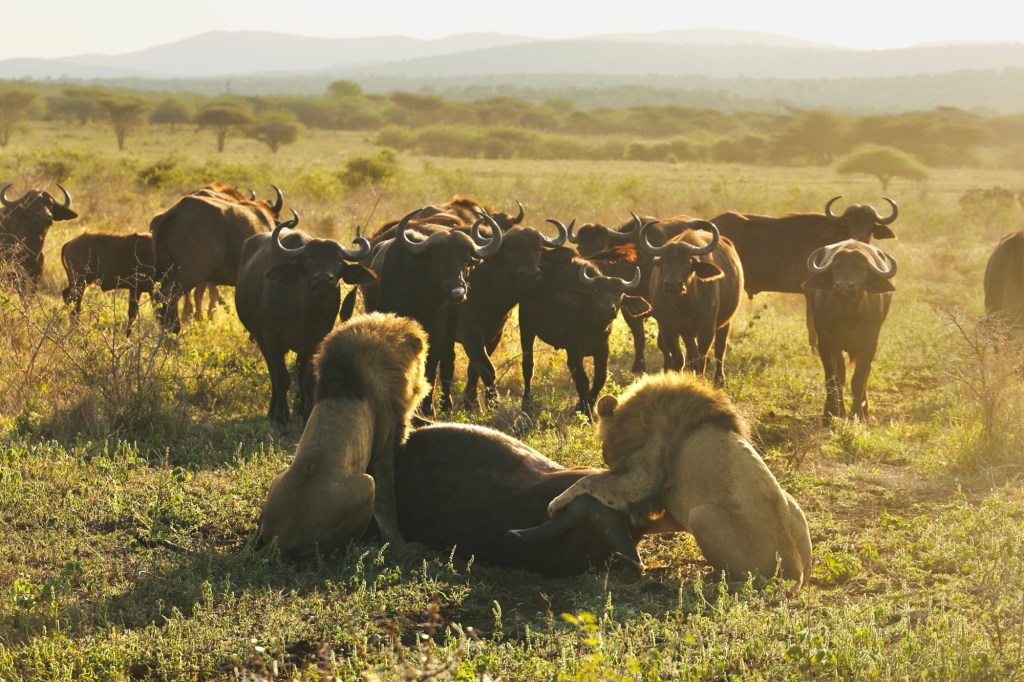
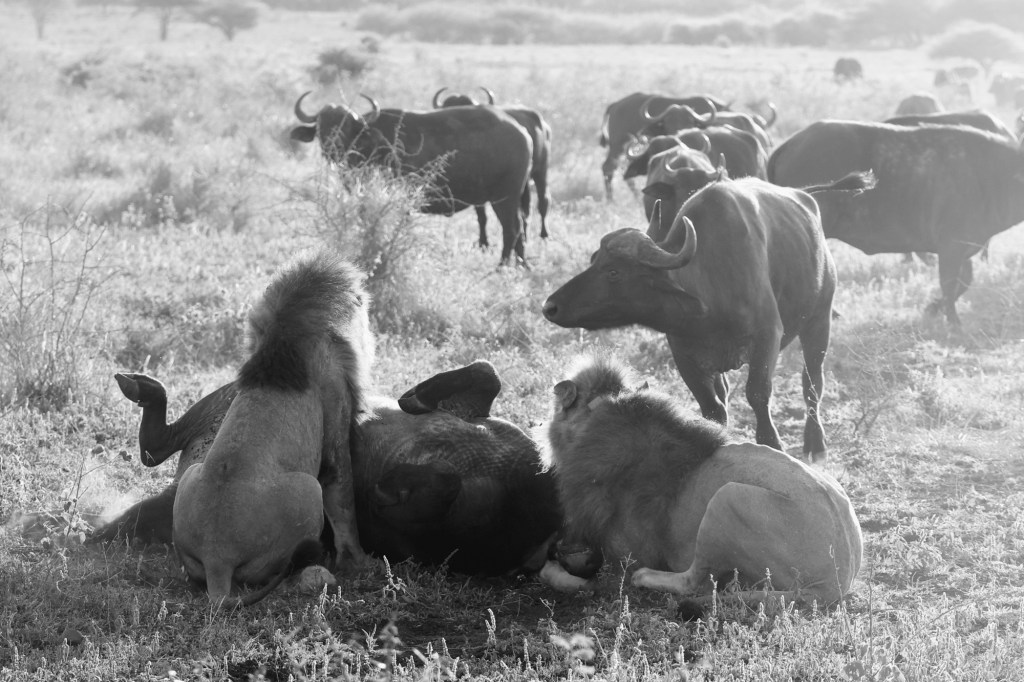
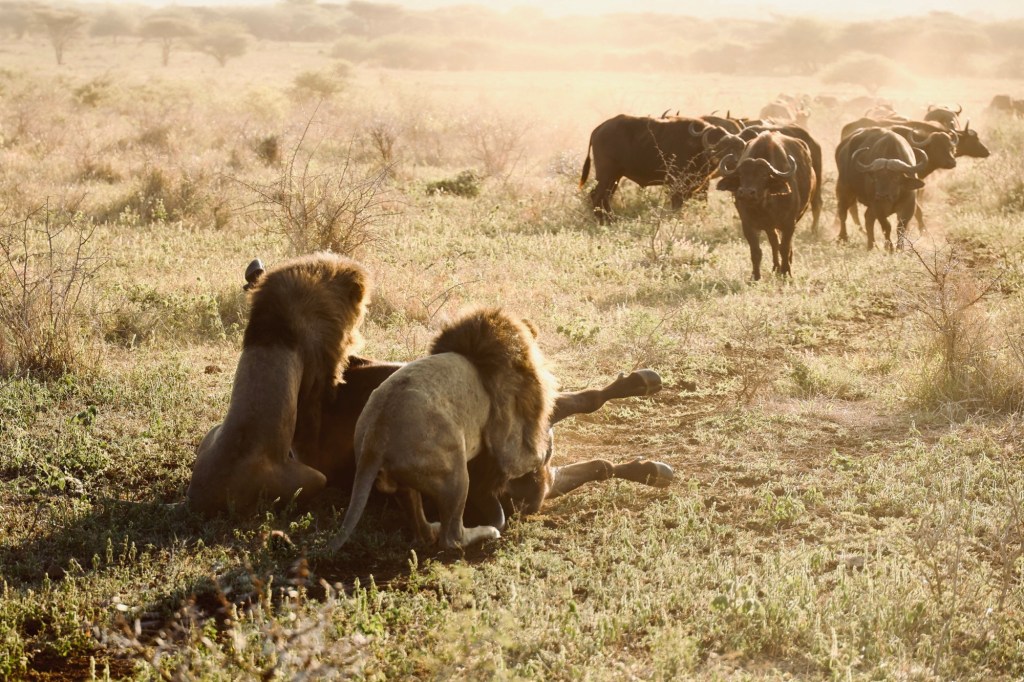
We had set up a special drink stop for a shoot in the middle of the savanna when a herd of Cape Buffalo was stampeding across the open area a few hundred meters away.
They were chased by two male lions who took down a buffalo cow.
We quickly got everyone in vehicles and drove to the kill location. As we arrived, the buffalo herd was still very close to the large cats with their kill.
After a few growls, the herd moved off, and the lions dug into their large meal.
We watched them for a while before returning to the drink stop setup and continuing our photo shoot in the beautiful evening light.
This morning I captured a short video clip of one of Thanda Safari’s male Lions roaring. One of the most impressive sounds to be heard on the African savanna!
Technical data Video: Canon R6 with RF lens f11/800mm | 4K video recording | Cropped/sized to HD
Technical data Picture: Canon R6 with RF lens f11/800mm | ISO 400 | 1/60sec | ev+0 | WB 6500K | AV Mode
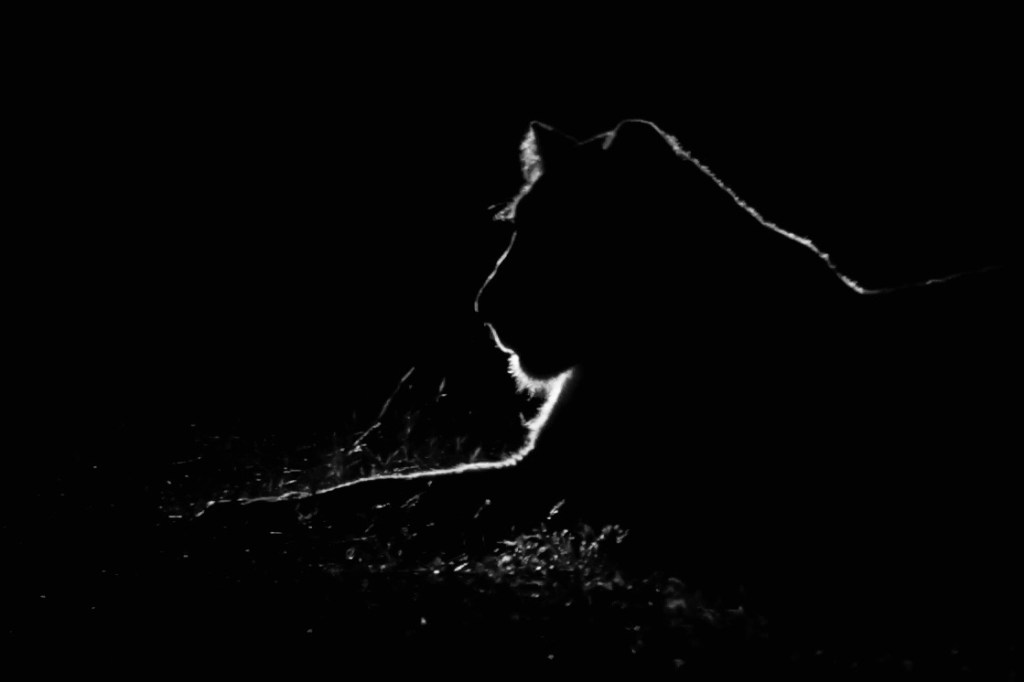
This young Thanda Safari Lioness was following her mother across a recently burned area. I took this picture last night just as the sun had set. I love the stark contrast between the cat and the background.
Technical data: Canon R6 with EF lens f2.8/70-200mm | ISO 16000 | 1/500sec | f2.8 | ev+0 | 200mm | WB 6500K | AV Mode









 Christian Sperka Photography | Custom Luxury Tours