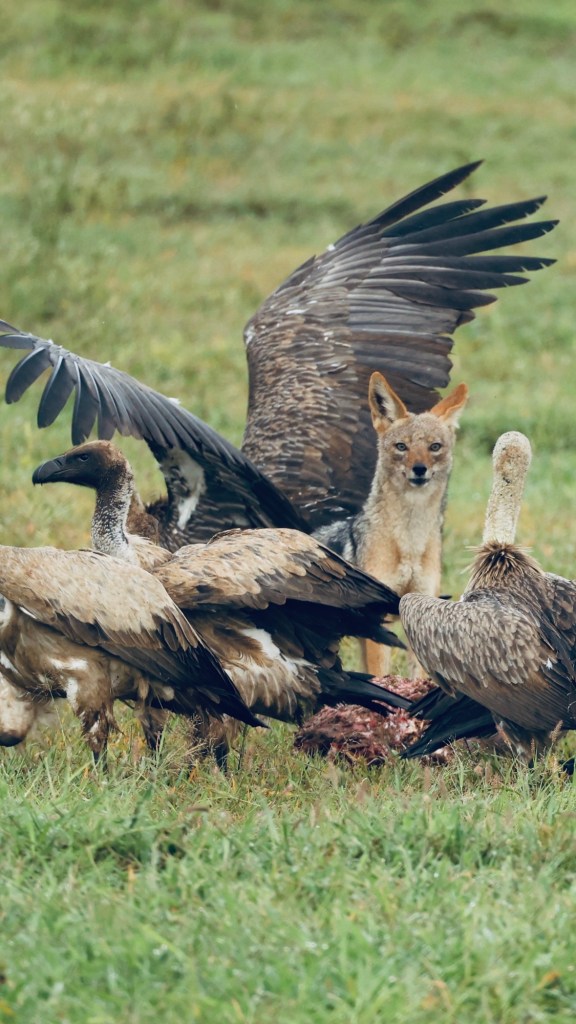
Topic: A Black-backed Jackal is trying to get his share from a recent (Cheetah) Impala kill, as many White-backed Vultures compete for the remains of the antelope.
Technical data: Canon R6 with RF lens f11/800mm | ISO 1600 | 1/500sec | ev+0 | WB 6500K | AV Mode
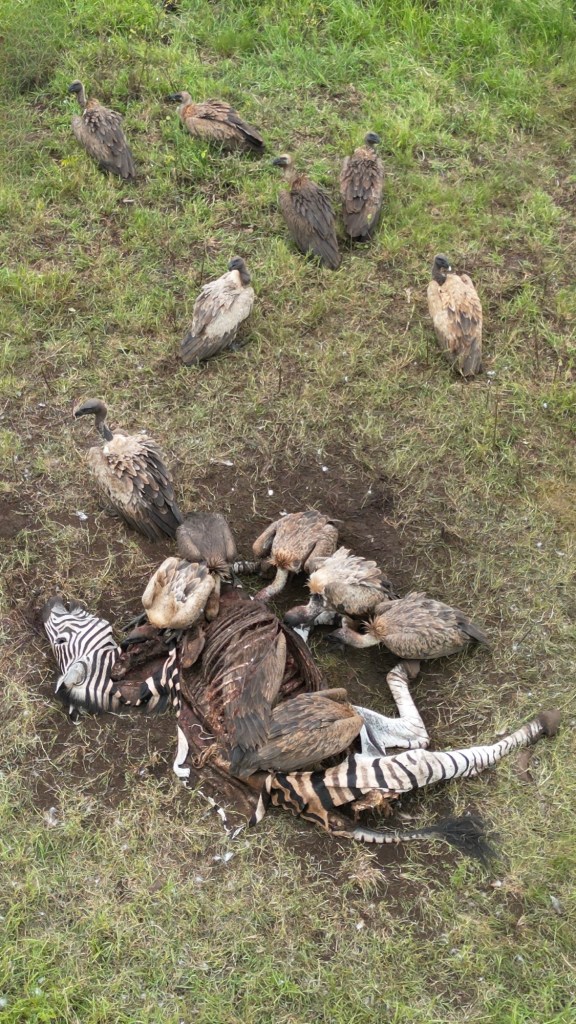
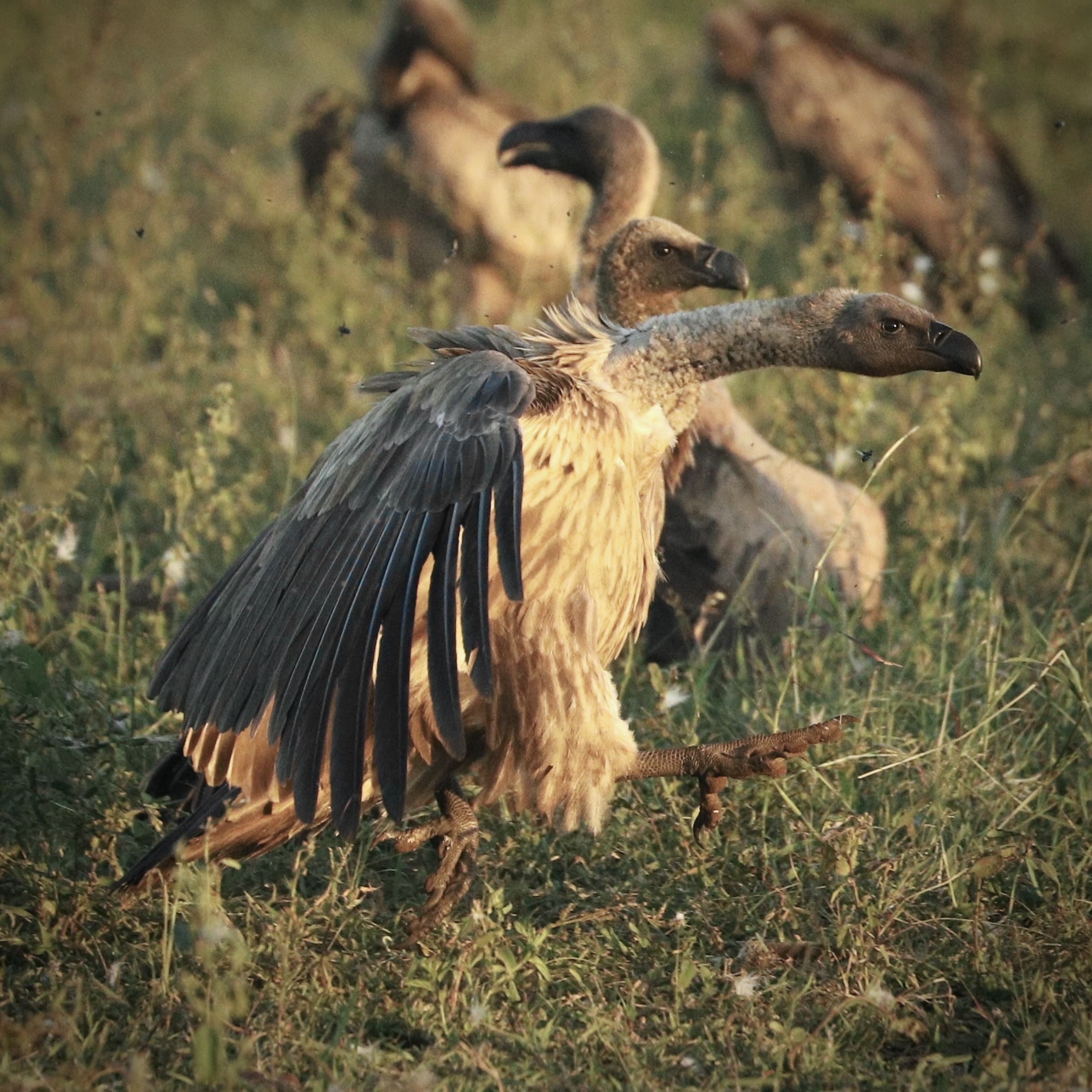
On my first full day back at Thanda I was able to capture this short video and some images of a large group of White-backed Vultures (estimated total 50) feeding of a Zebra carcass.
An amazing display of thesemost important members of the bush-clean-up-crew at work.
Unlike most mammals the vultures ignored the noisy drone very close to them.
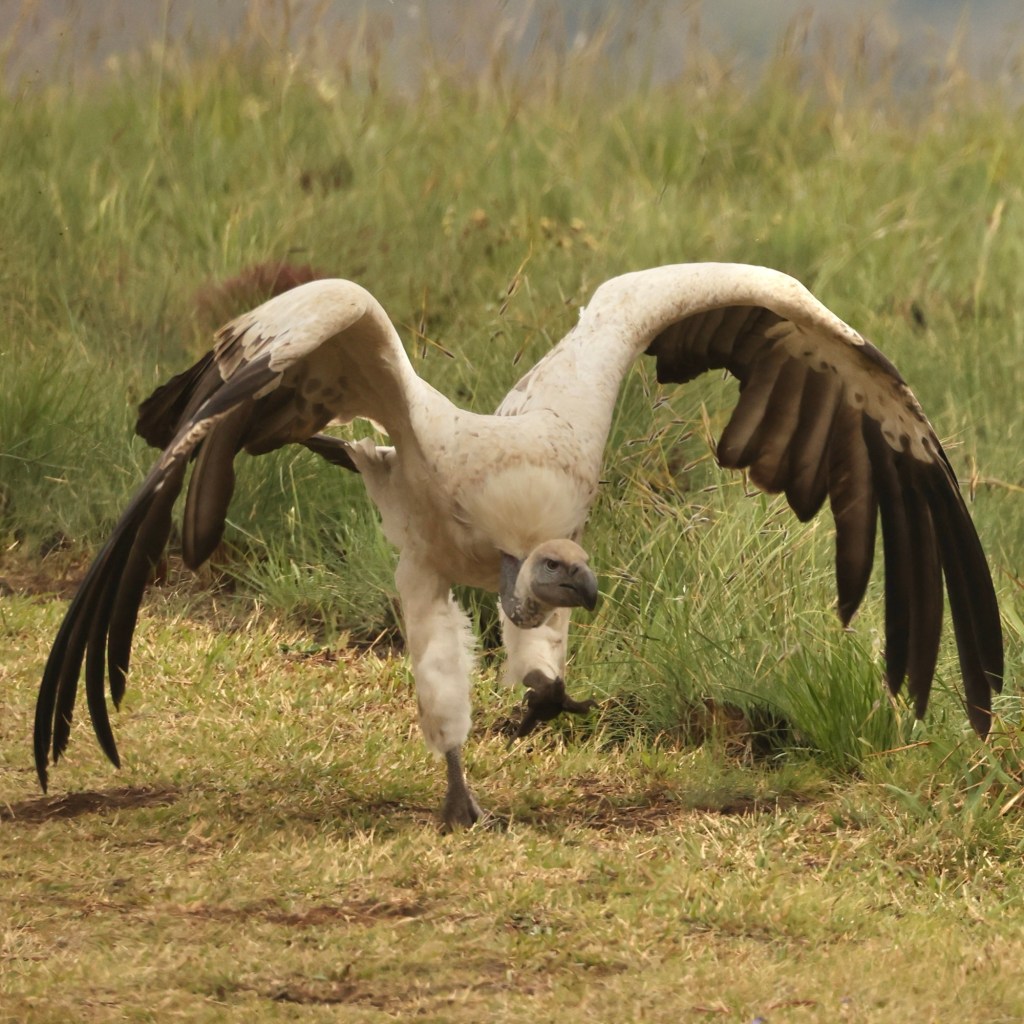
A visit to the Mzimkulu Vulture Hide in the Southern Drakensberg (near Underberg, KwaZulu Natal, South Africa) is a very rewarding outing for any bider, and especially for bird photographers.
This is a short video slide show with some of the images I took during my recent visit.
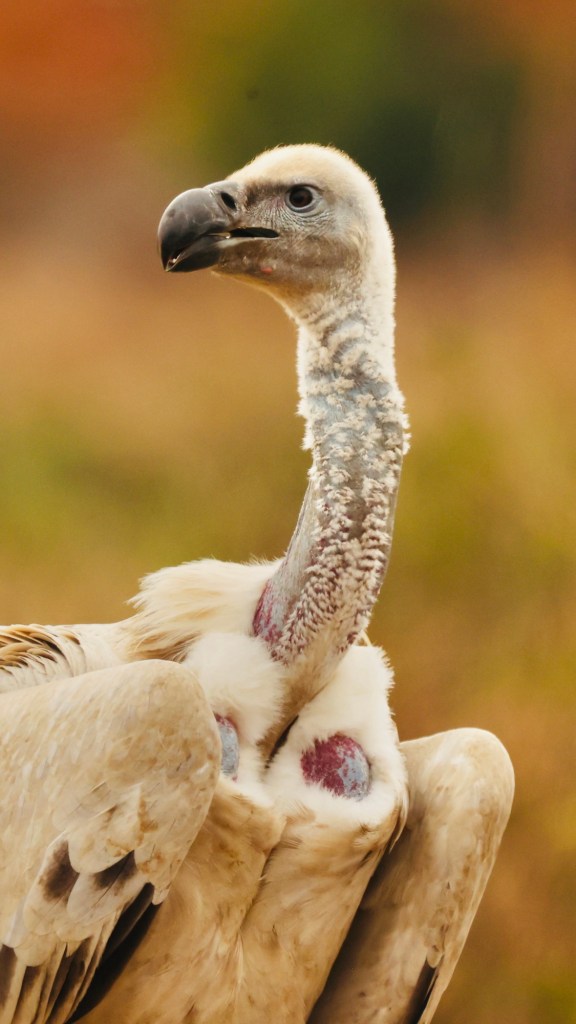
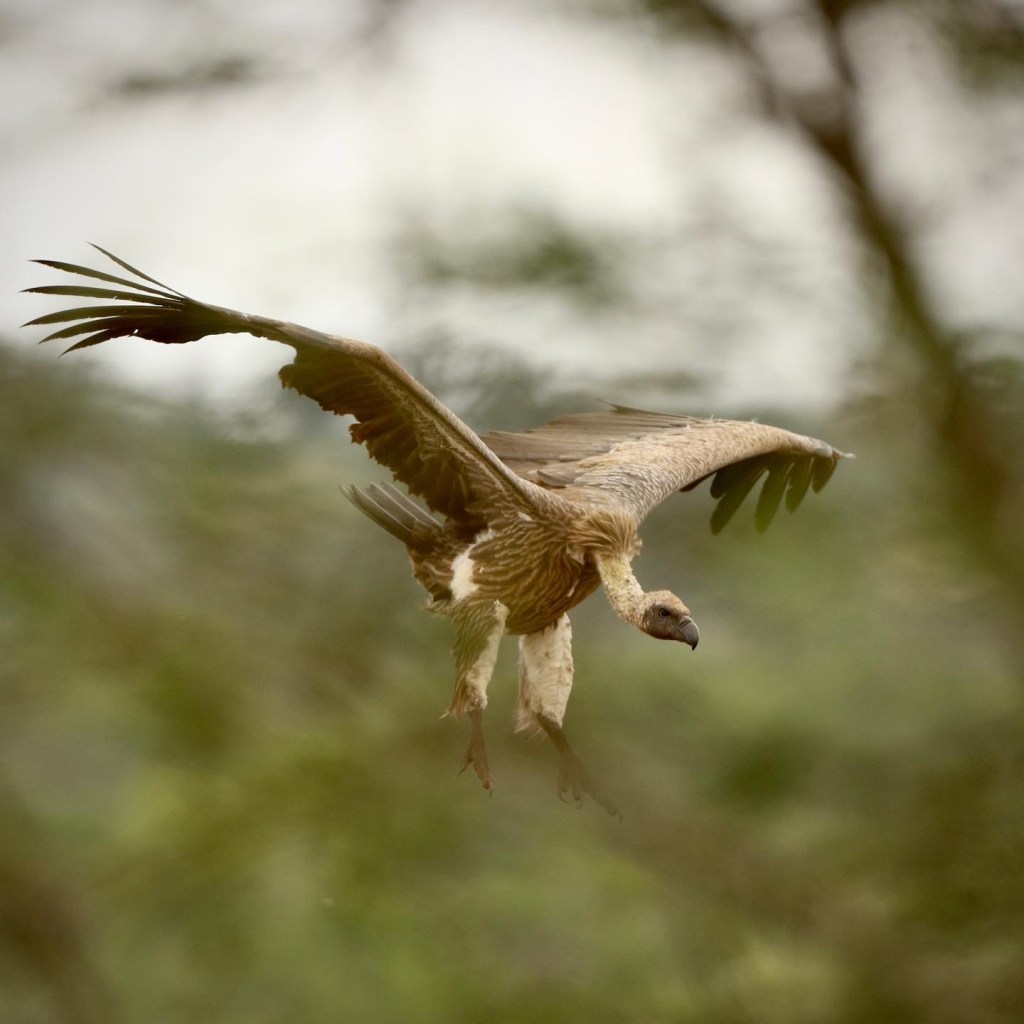
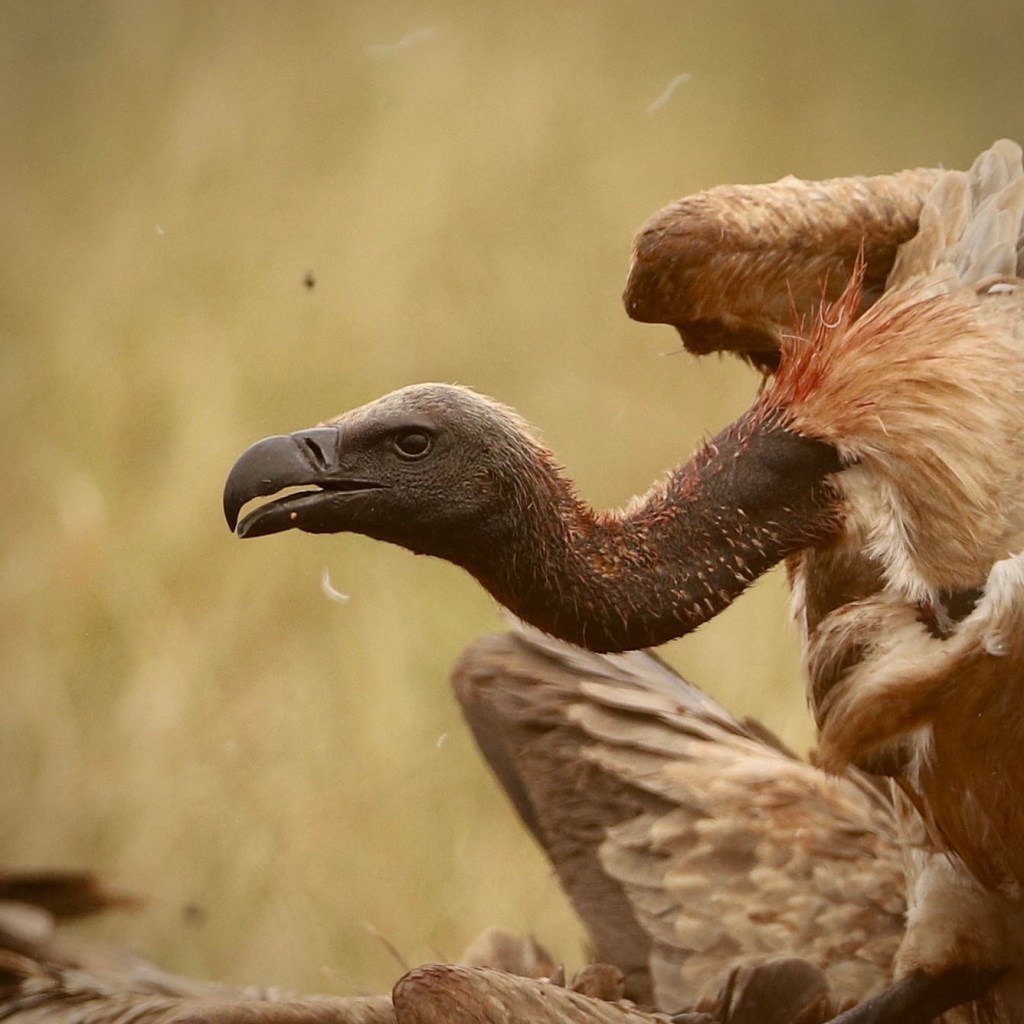
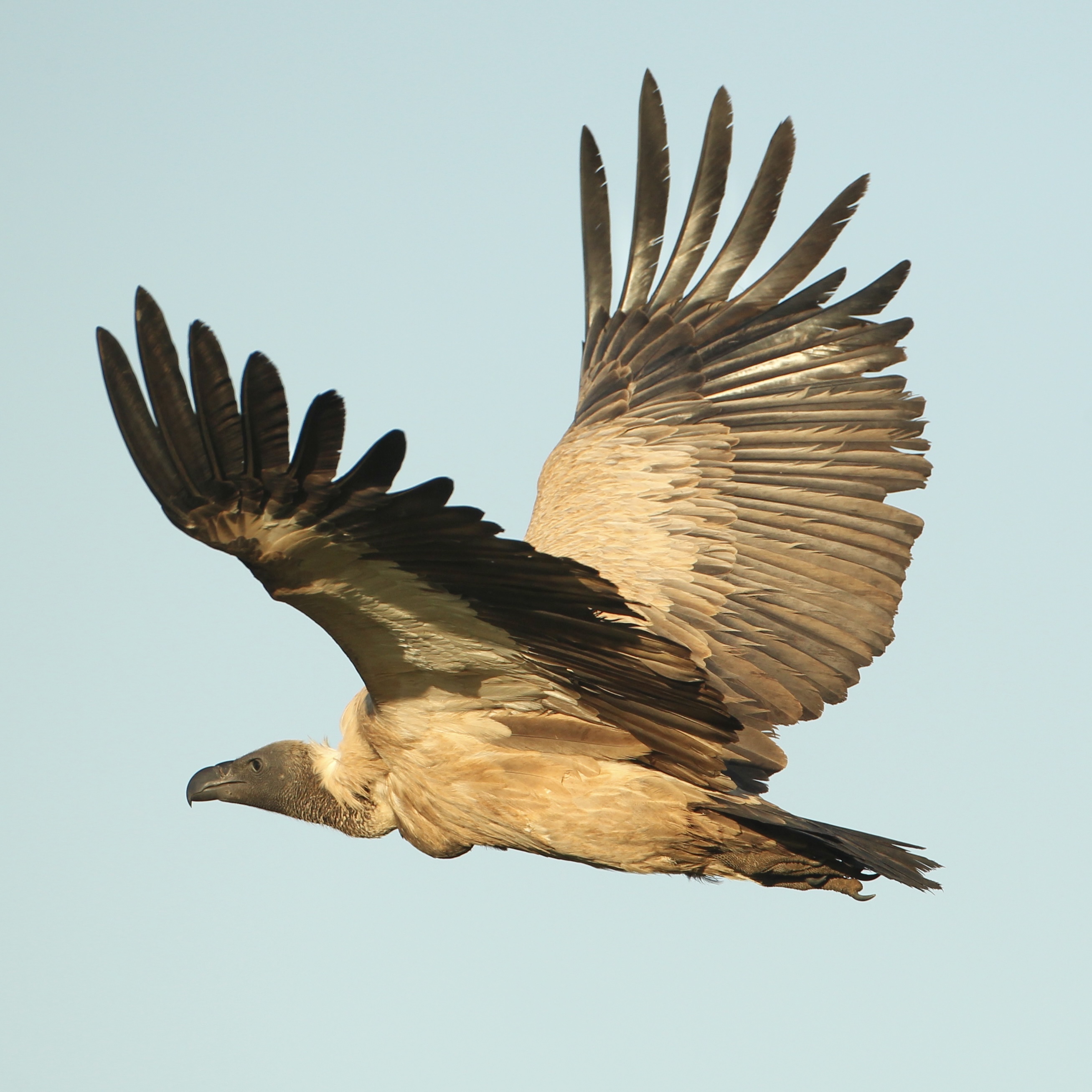
Also know as Cape Vultures these magnificent birds are often mistaken for White-backed Vultures which look very similar. The Cape Vultures have orange/yellow eyes and are larger than White-backed Vultures, who have very dark eyes.
These is a list of all the Vulture species found in South Africa, in order of weight (heaviest to lightest):
Cape Vulture 8.5kg
Rüppell’s Vulture 7.5kg *
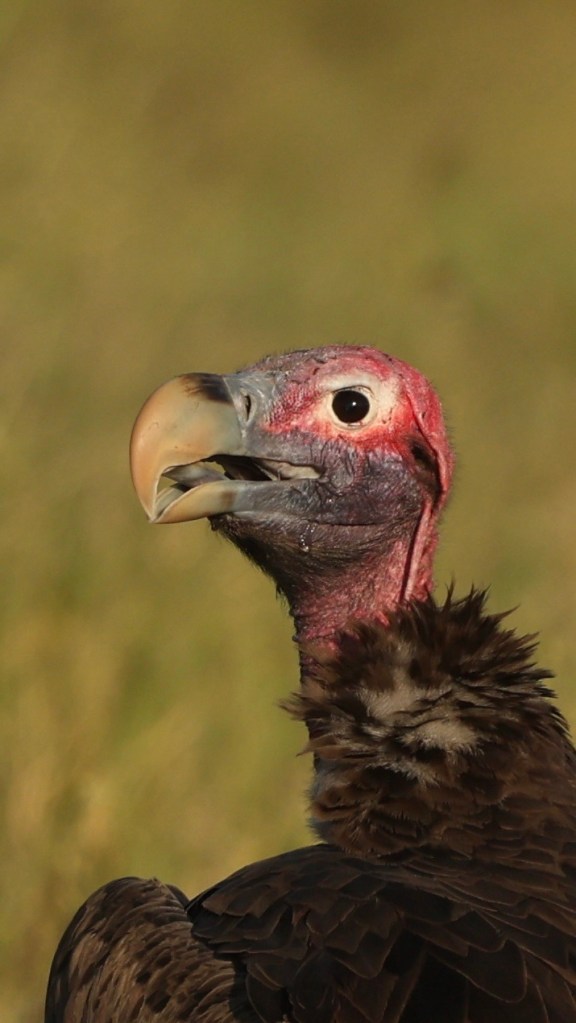
Lappet-faced Vulture 6.7kg * #
Bearded Vulture 5.8kg *
White-backed Vulture 5.5kg #
White-headed Vulture 4.7kg * #
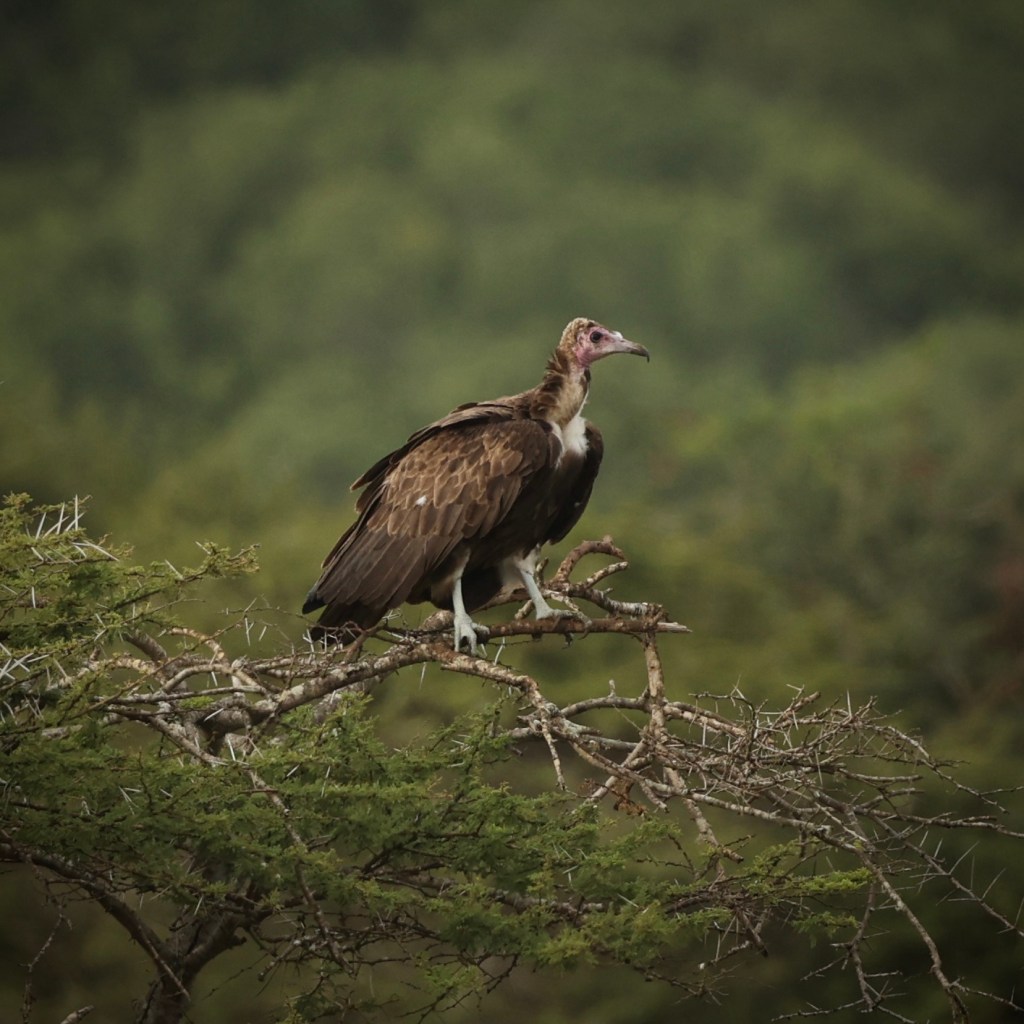
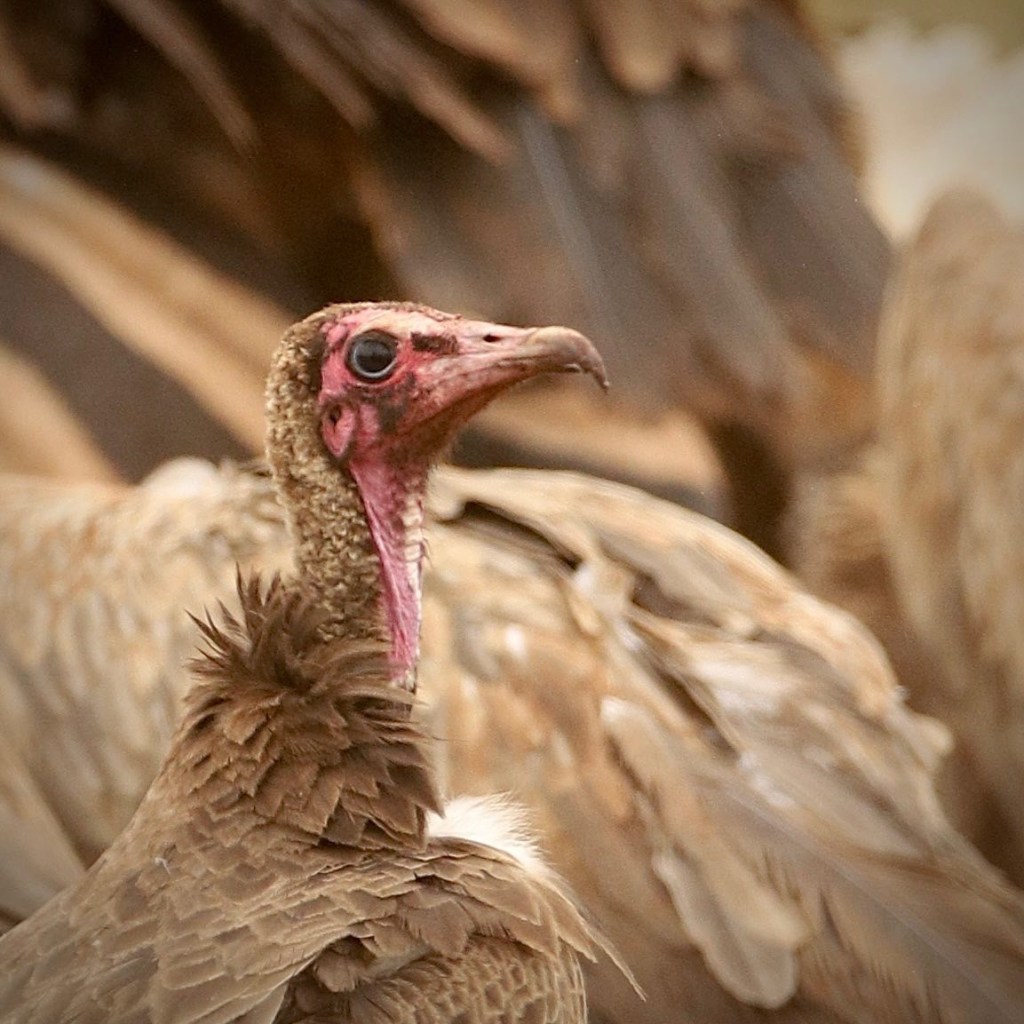
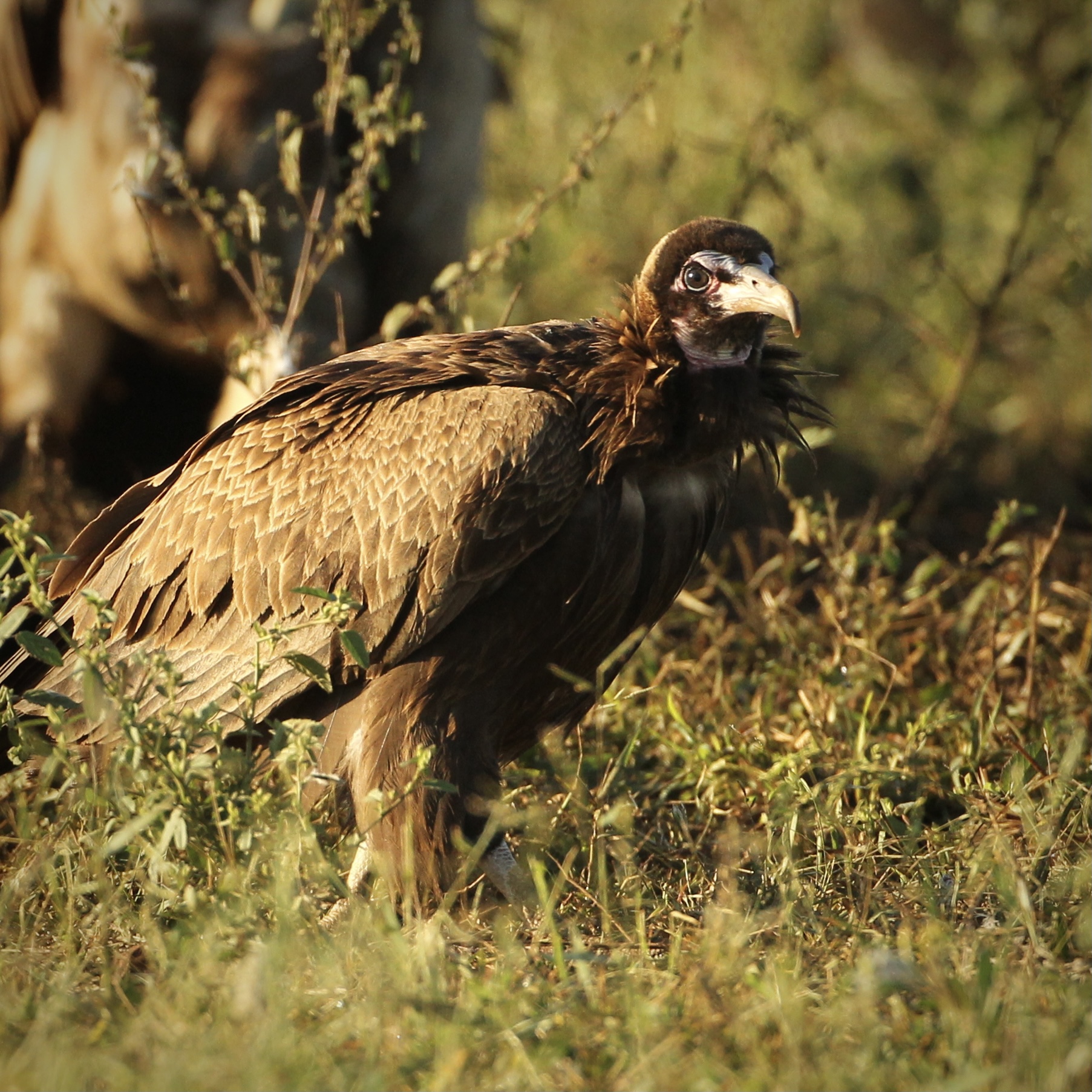
Hooded Vulture 2.1kg * #
Egyptian Vulture 1.9kg *
Palm-nut Vulture 1.7kg *
(* uncommon)
(# seen on Thanda Safari)
All Vulture species are now threatened from extinction (classified between critically endangered and vulnerable) mainly due to poisoning, electrocution, and land-use changes.
Technical data: Canon R6 with RF lens f11/800mm | ISO 1600 | 1/2000sec | ev-0.5 | WB 6500K | AV Mode | Crop to 25% of original image
This picture was taken at the Falcon Ridge Bird of Prey Centre in the Drakensberg Mountains, KwaZulu Natal, South Africa.
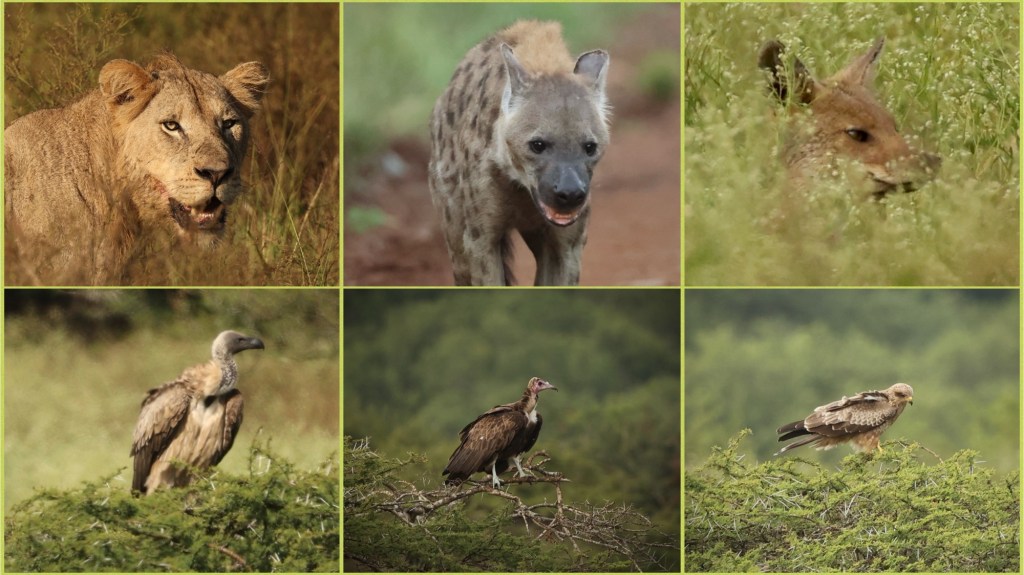
A few days ago I took these pictures of a few species which feed on a kill in a clearly defined order:
Lions are the actual killers and feed until they are completely full.
Hyenas are the first in the the cleanup crew lineup to work on the carcass.
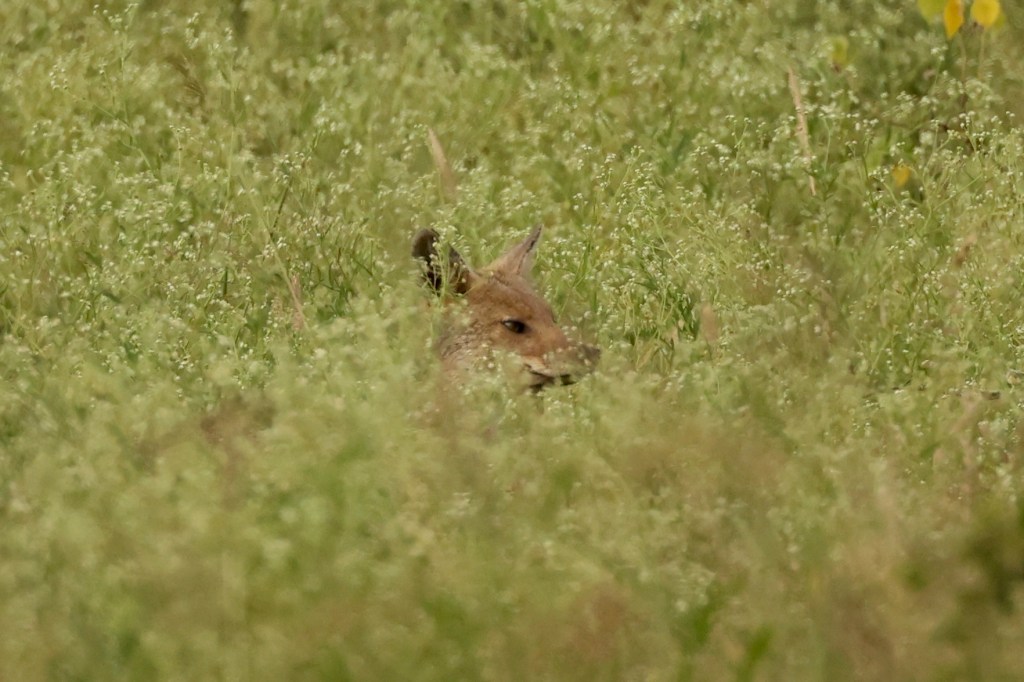
Jackals are next for the leftovers (and sometimes sneak in for a bite when the Lions and Hyenas are inattentive).
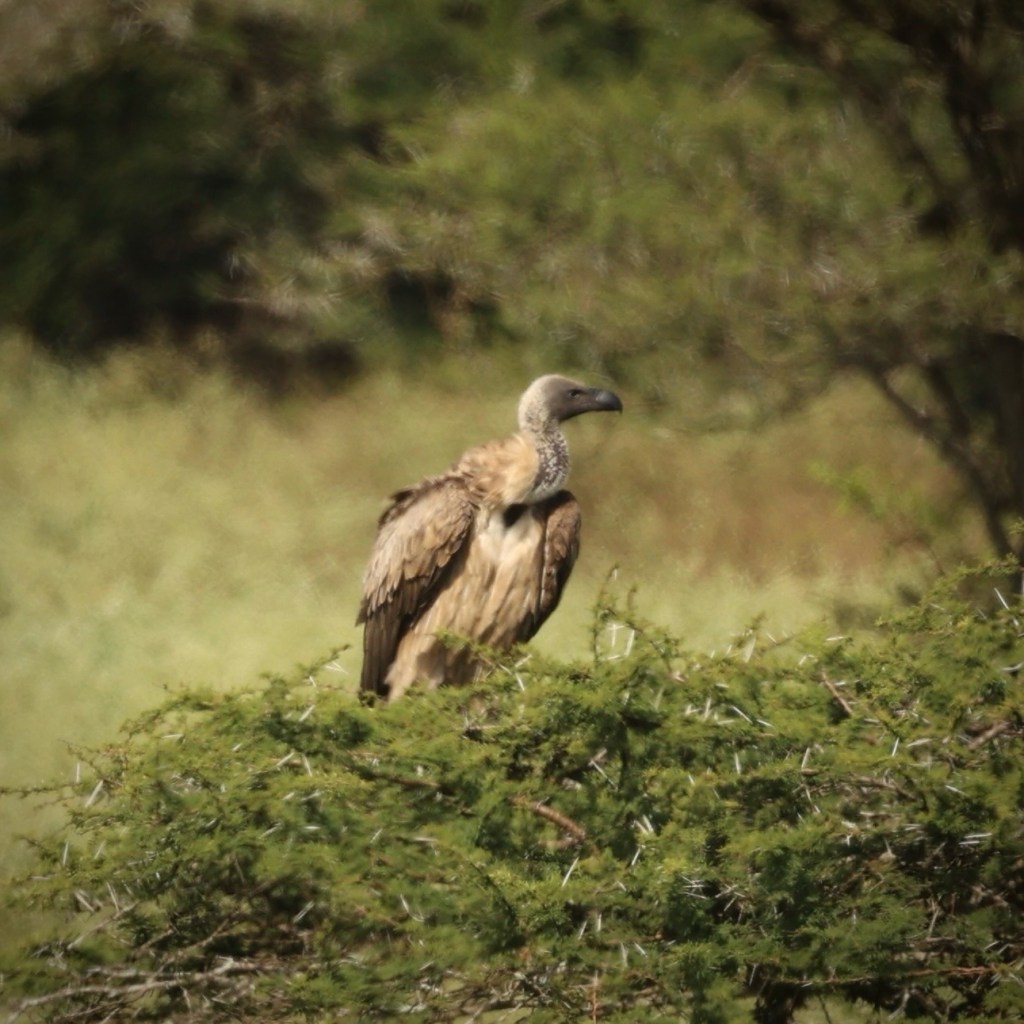
White-backed Vultures and Hooded Vultures fly in once all the four-legged creatures have left. They are often accompanied by large Lappet-faced Vultures (no pictures). Each vulture species‘ beak is designed to support them in their size-dependent role.
And many other birds, like Yellow-billed Kites, Tawny Eagles, Bateleurs, Wolly-necked Storks, and Pied Crows will follow after the vultures.
Technical data: Canon R6 with RF lens f11/800mm | ISO various | 1/500sec | ev+0 | WB 6500K | AV
Vultures are considered ugly creatures by many, but they are very important, cleaning up after the carnivores. Yesterday we had dozens of White-backed Vultures on Thanda Safari feasting on the remains of a Zebra carcass. Their excellent eye-sight and a very keen sense of smell helps them to detect dead animals from far away.
Vultures are one of the ‘Ugly Five’ beside Warthogs, Wildebeests, Hyenas, and Marabou Storks.
Technical data: Canon R6 with RF lens f4-6.3/24-240mm | ISO 6400 | 1/2000sec | f6.3 | ev+0 | 240mm | WB 6500K | AV Mode | Crop to 10% of original image
This morning I had an excellent vulture sighting at Thanda Safari. At least fifty of these large birds were feeding of a Zebra carcass.
After I took lots of pictures with my cameras I tried to take some images with my drone. To my surprise the vultures ignored this ‘small bird’ and I was able to capture some interesting material from the air.















 Christian Sperka Photography | Custom Luxury Tours