THE EVENING POST – VULTURE ARGUMENTS

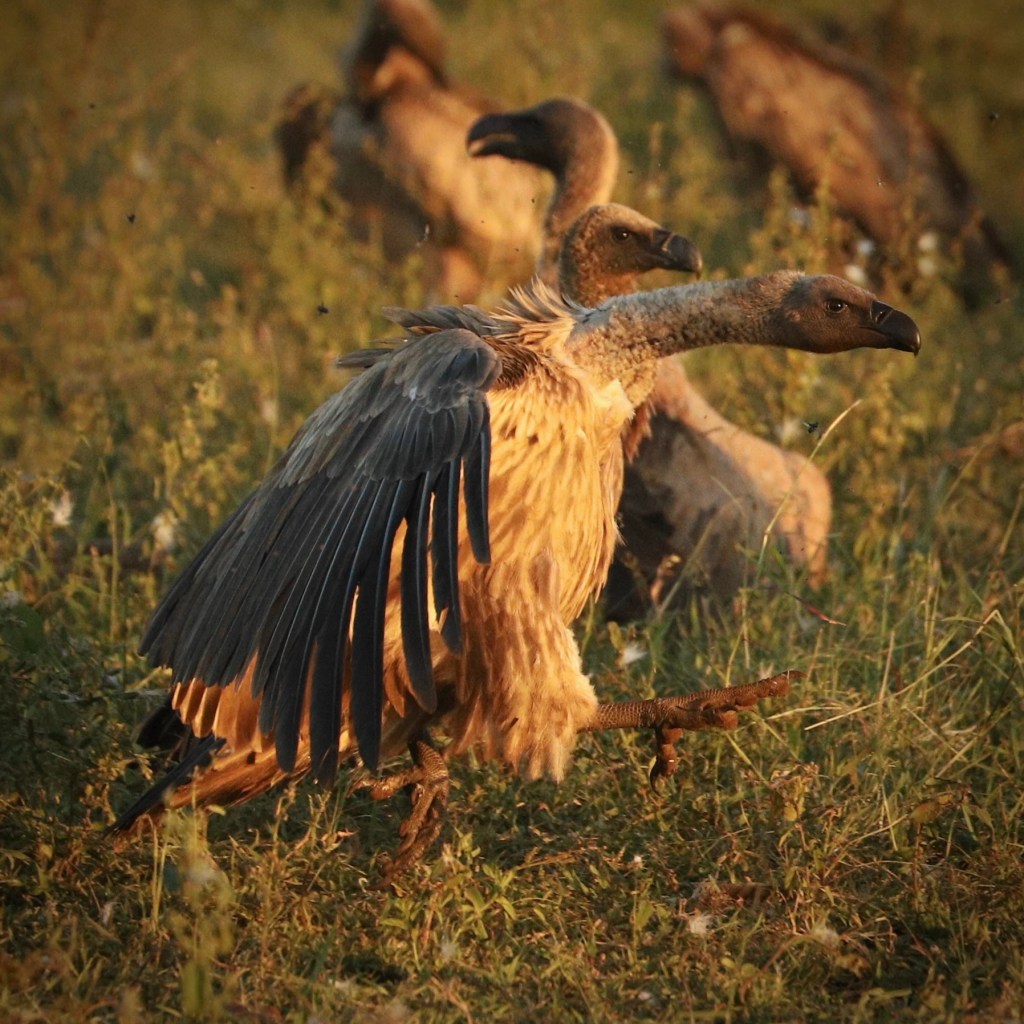
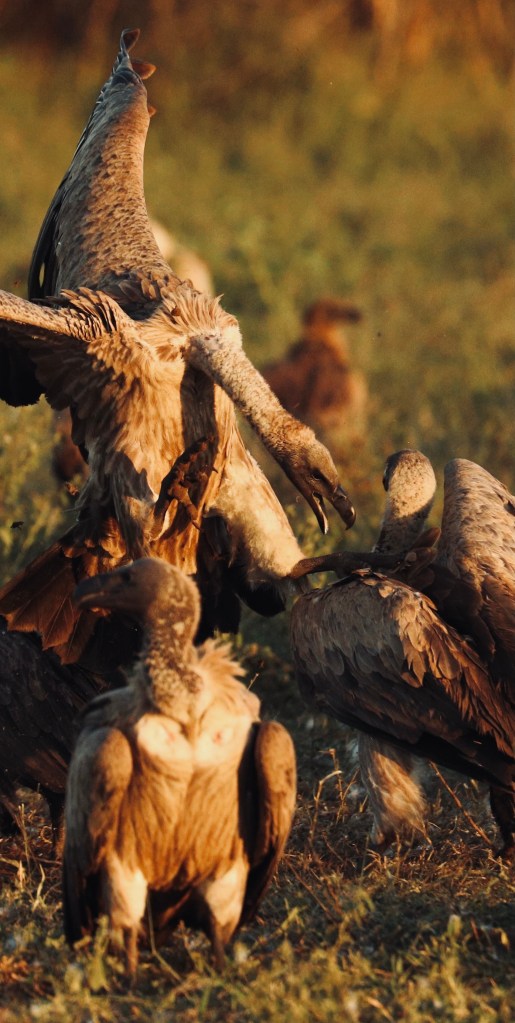
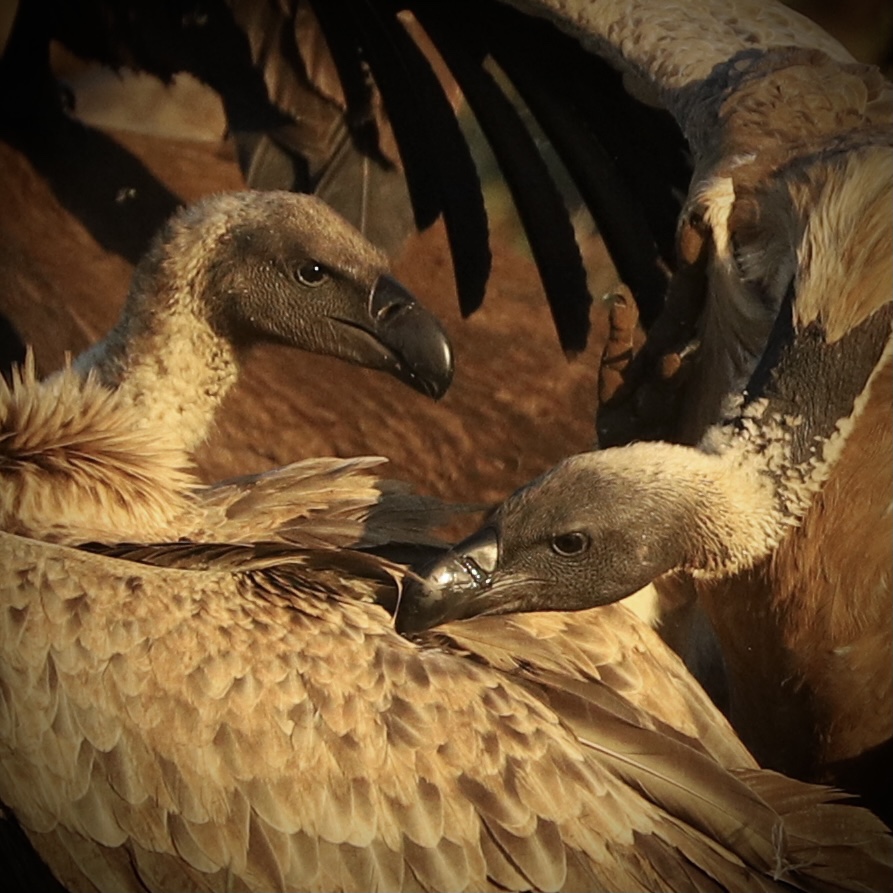
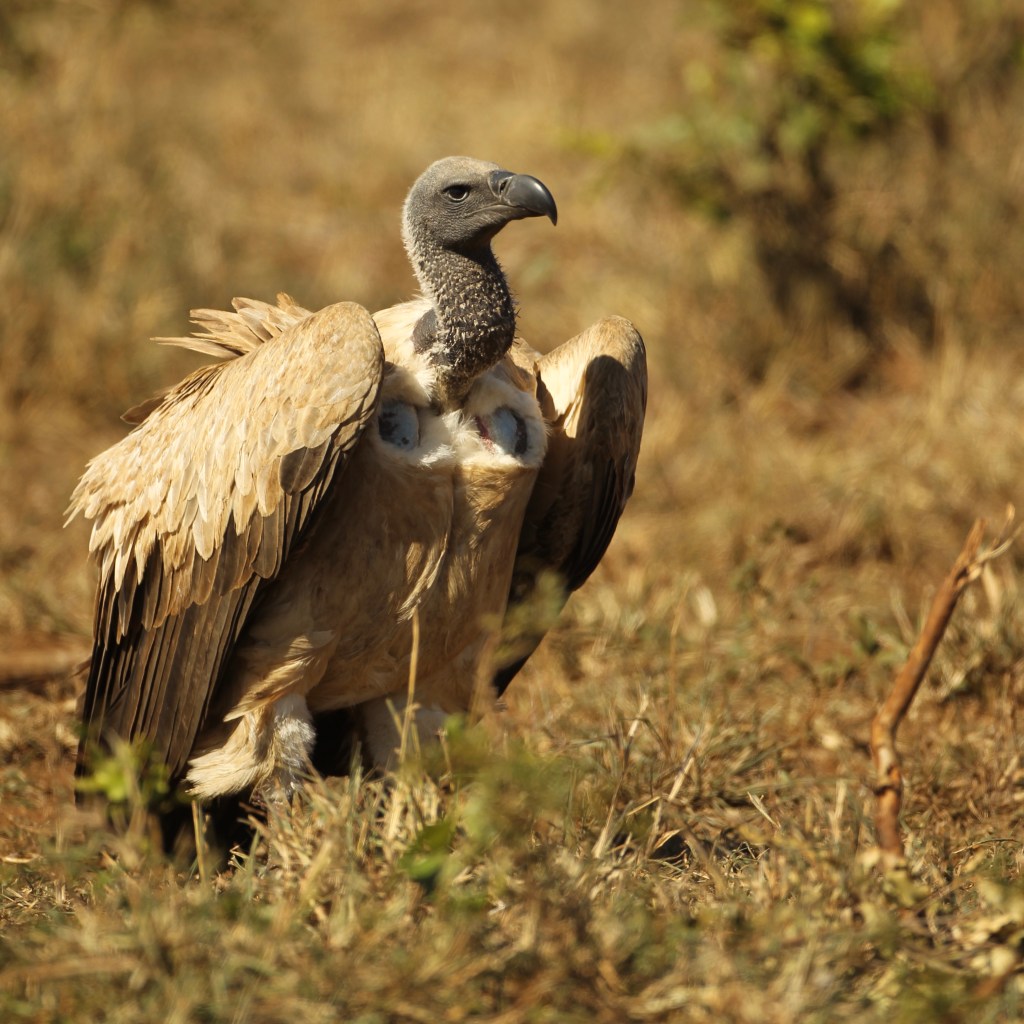
I have not often heard vultures to be that vocal. There was not much left of this Kudu kill and there were docents of vultures around competing for the food. Listen to their chattering and hissing sounds.

Enjoy your evening 😊

#Christiansperkaphotography @christiansperkaphotography #thandasafari @thandasafari

THE EVENING POST – HOODED VULTURE

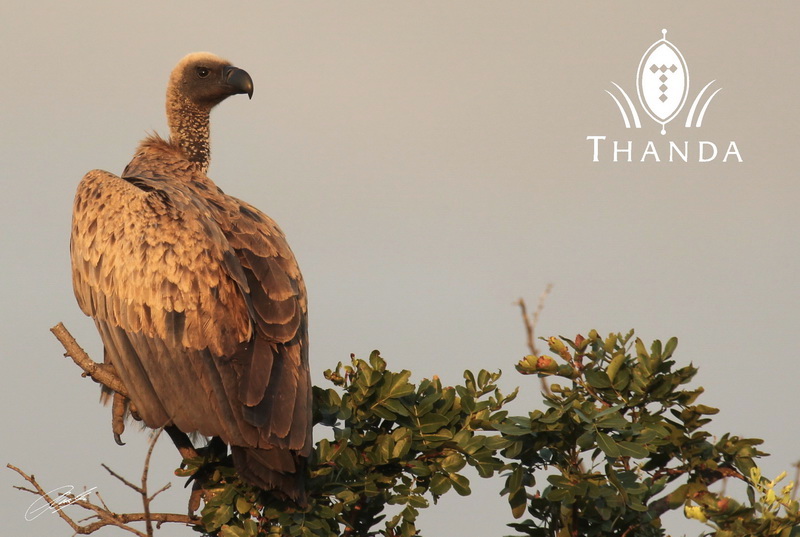
A few people have asked me about the bird in the sunset shot I posted this morning. It was this Hooded Vulture. It was drinking at the waterhole before taking off into the sunset.

Have a good evening!

#Thandasafari @thandasafari

#Christiansperkaphotography @christiansperkaphotography #lockdownsafari

STAY-AT-HOME SUNDAY

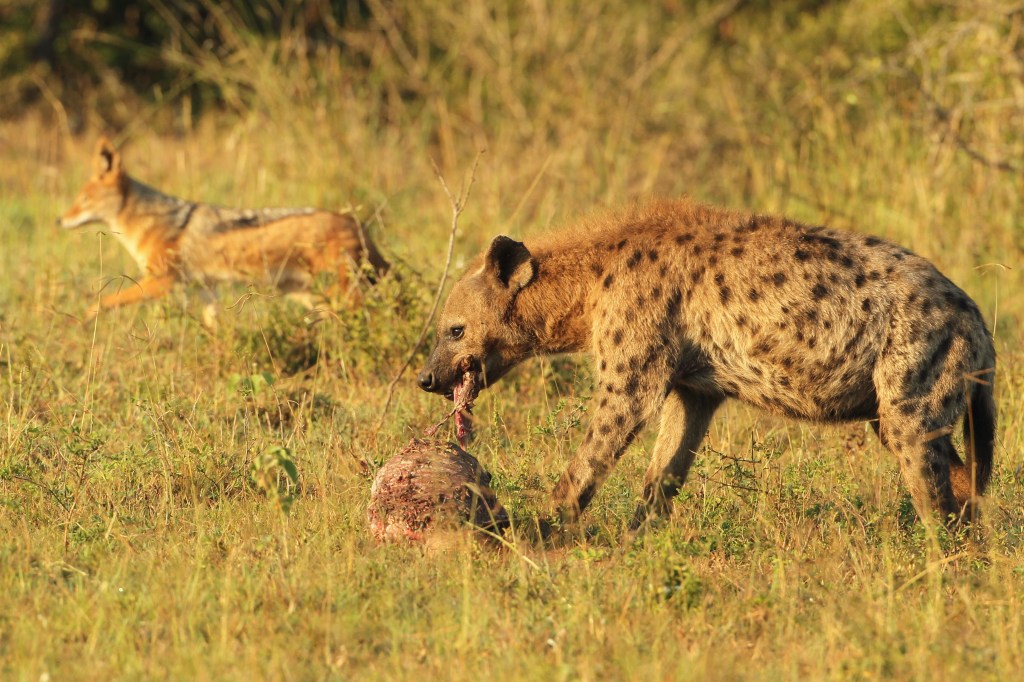
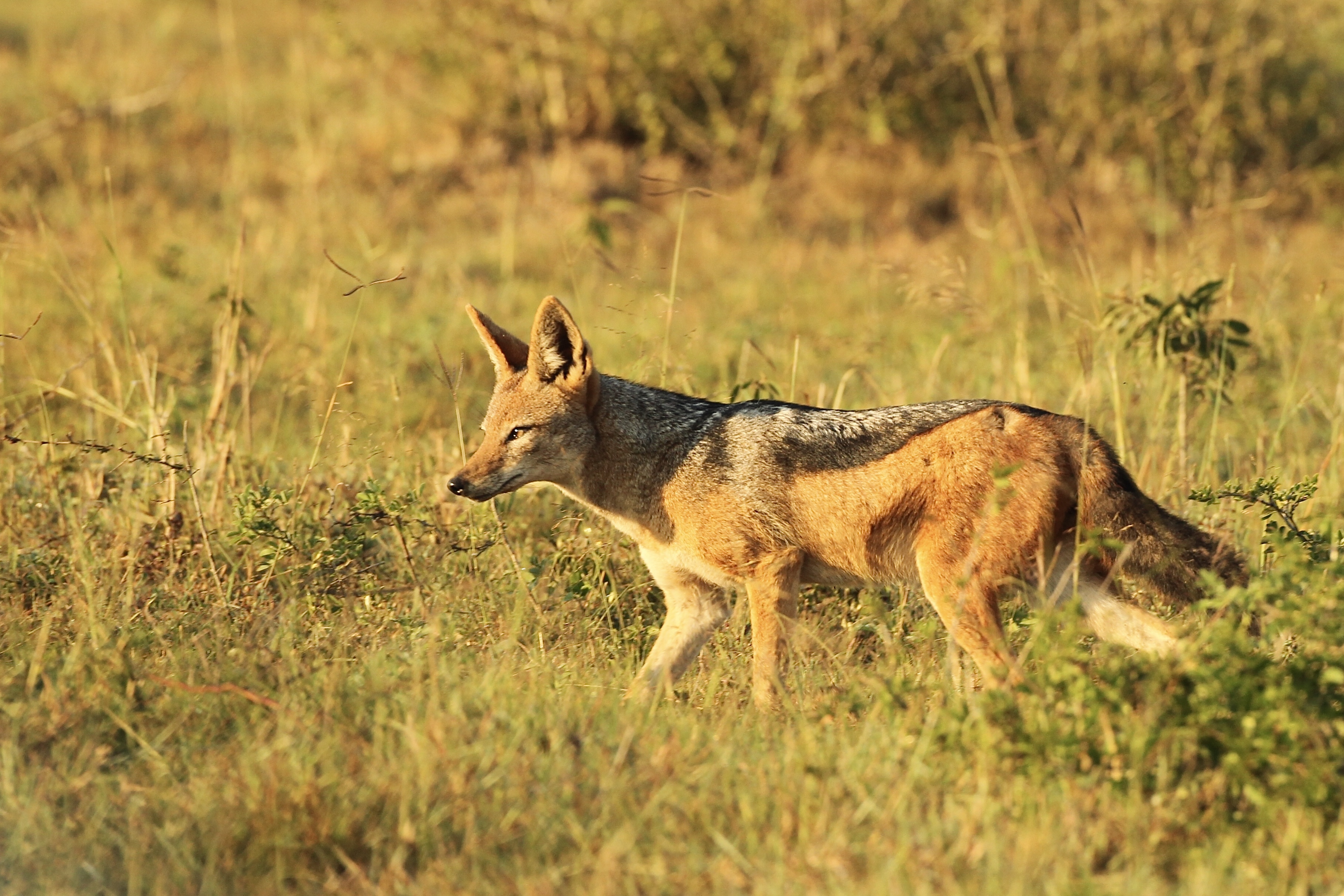
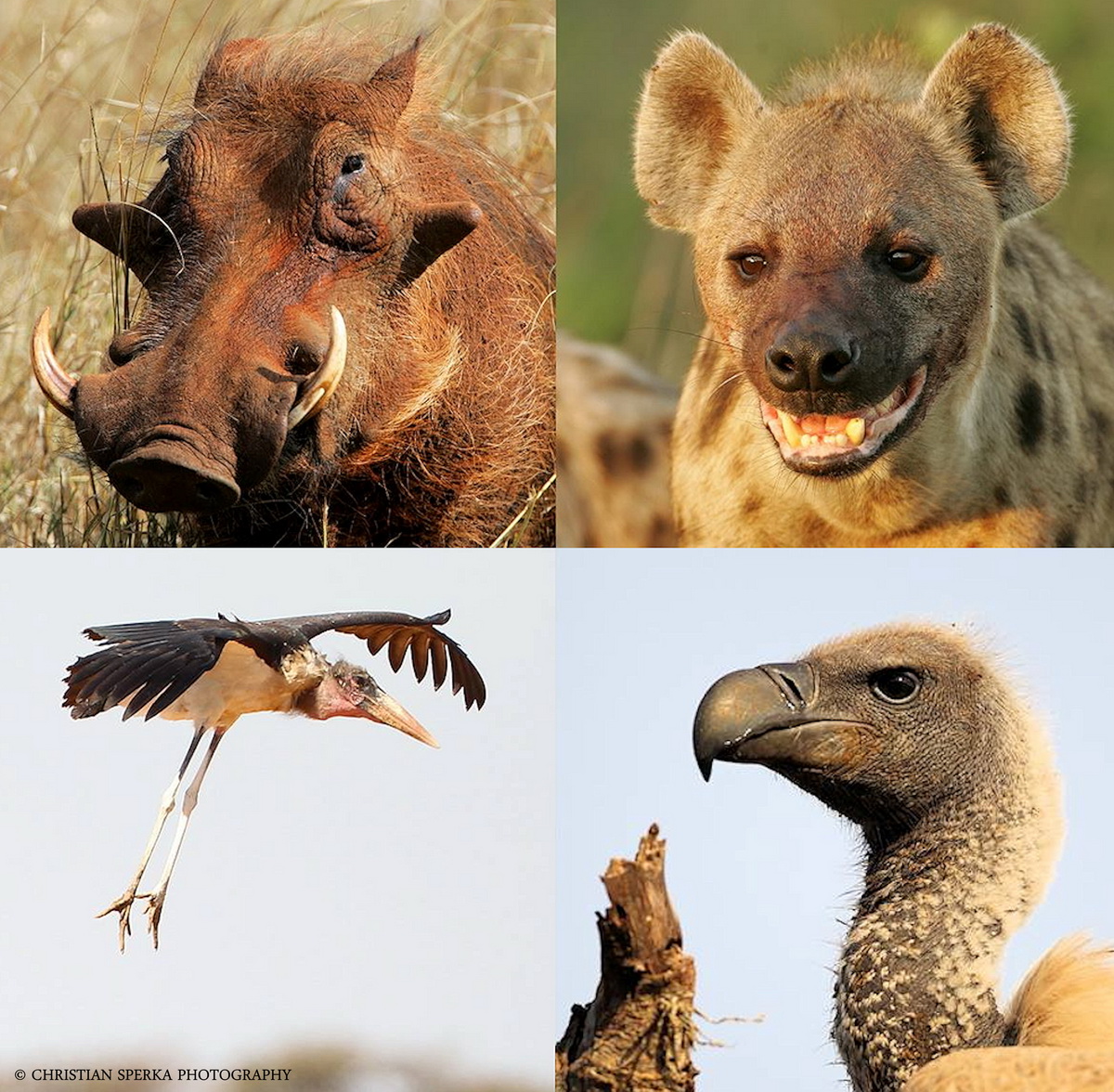
This morning I had the perfect sighting to explain the members of the ‘bush cleanup crew’.

This important team is lead by Spotted Hyena and includes White-backed Vultures, Hooded Vultures, Black-Backes Jackals, Woolly-necked Storks and Pied Crows. I found all of them together in one sighting on the Thanda Safari savanna.

The Hyena was feeding on an Impala carcass and all the others tried to get bits and pieces as the Hyena dragged the animal remains around.

All of the creatures play a major role in keeping the bush tidy and clean.

#Christiansperkaphotography @christiansperkaphotography #thandasafari @thandasafari

The Cleanup Crew

Hope

20121231 - CS2_5779 - E - SIG

These Vultures were hoping that the Lions would move away from their nearby kill soon. This picture was taken in the early hours of the day before it started heating up.

All images are of  White-backed Vultures, the most common vulture species to be seen on Thanda.

20121223 - CS2_4711 - E - SIG 20121231 - CS2_5741 - E - SIGAbout White-backed Vultures:

The White-backed Vulture is a typical vulture, with only down feathers on the head and neck, very broad wings and short tail feathers. The adult’s whitish back contrasts with the otherwise dark plumage. This is a medium-sized Vulture with a wingspan up to 2.25 m (7 ft).
Like other Vultures it is a scavenger, feeding mostly from carcasses of animals which it finds by soaring high over the savanna. It often moves in flocks. It breeds in trees , laying one egg. The population is mostly resident. Its conservation status is “Endangered”.

Vulture, Lions and Wildebeest

Today’s blog message is about three different sightings.

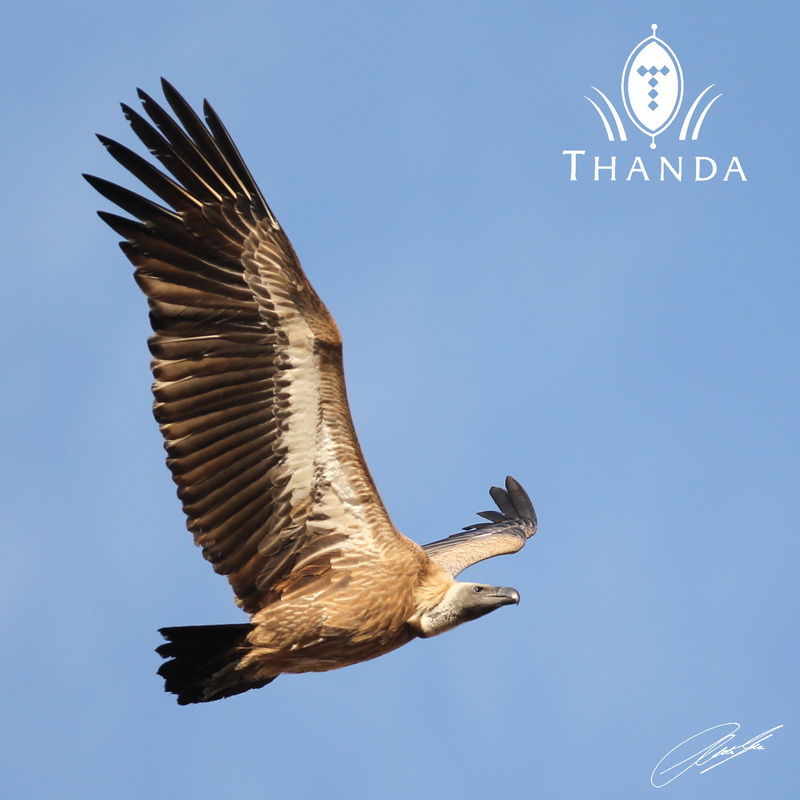
First I got a very good image of a White-baked Vulture in flight.

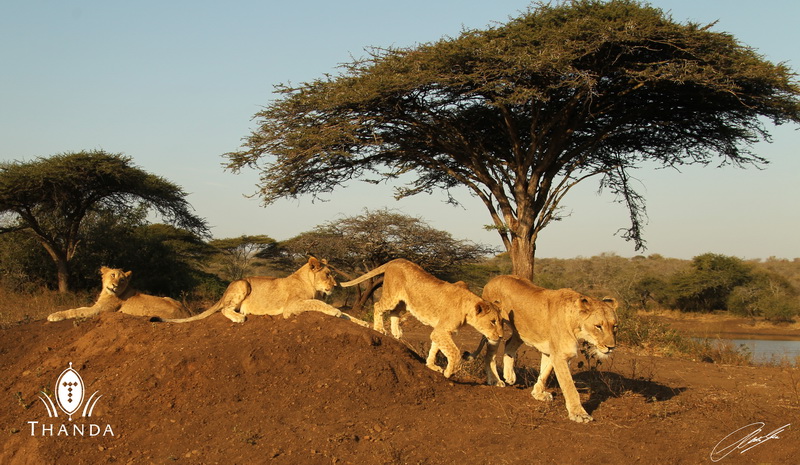
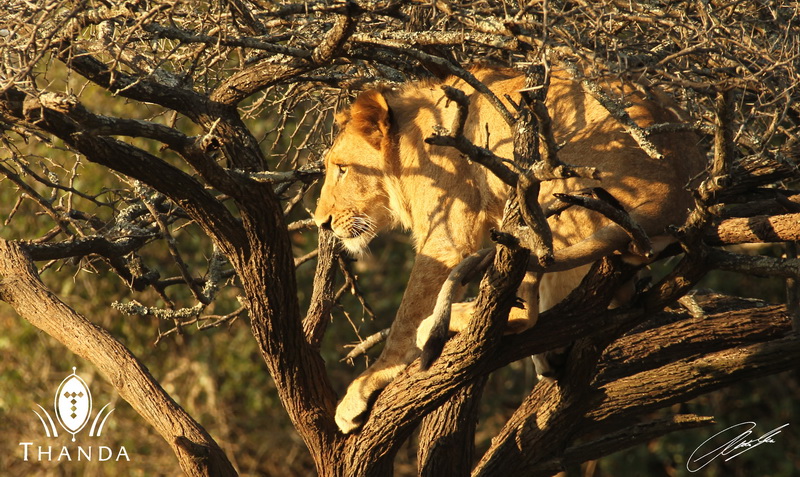
Below are two pictures of the Thanda North Pride (Mum, her two daughters and her son) and the young male in a tree.

And last but not least a herd of Blue Wildebeest in the evening sun.

Enjoy today’s pictures!

Special Presentation – Week 1 – King Vulture

While reviewing my picture library I came across this beautiful portrait of a King Vulture. I thought many of you might like it.

[Do not forget to vote for the picture of the year 2011 :-) ]

[and I hope you will be able to come this Saturday to the Gallery Crawl in Nashville]

More about King Vultures:

The King Vulture (Sarcoramphus papa) lives predominantly in tropical lowland forests stretching from southern Mexico to northern Argentina. Large and predominantly white, the King Vulture has gray to black ruff, flight, and tail feathers. The head and neck are bald, with the skin color varying, including yellow, orange, blue, purple, and red.

The King Vulture has a very noticeable yellow fleshy caruncle on its beak. This vulture is a scavenger and it often makes the initial cut into a fresh carcass. It also displaces smaller New World vulture species from a carcass. King Vultures have been known to live for up to 30 years in captivity.