Tropical Storm!

Starting last night, we experienced an incredible 146mm of rain pouring down on Thanda. Tropical Storm Filipo delivered the welcome precipitation, filling up many of our watering holes.

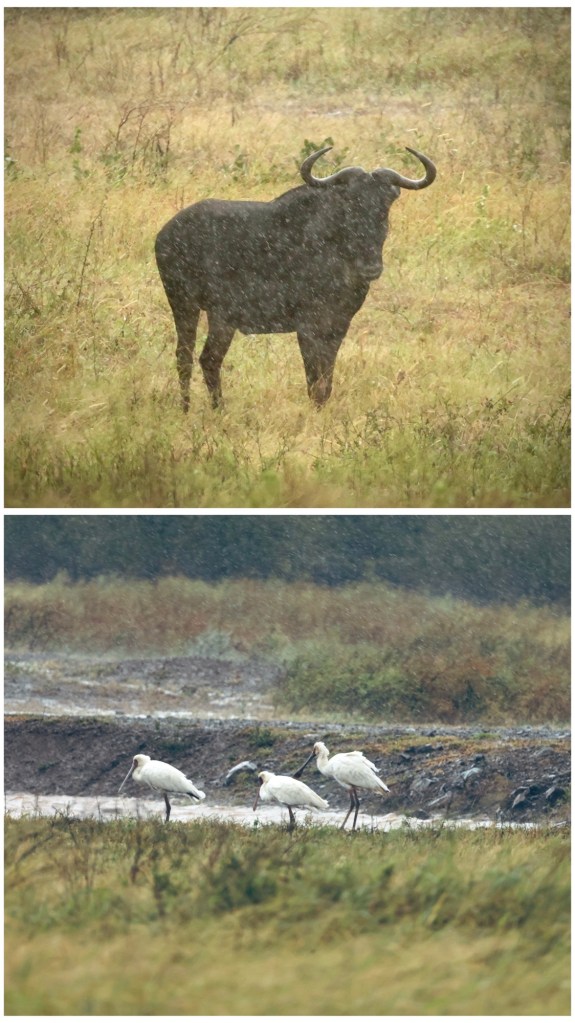
During the heavy rains, I took a short drive on our main roads (as all the others were impassable due to the soggy ground) but only encountered two animal species. A single Wildebeest bull was guarding his territory, and three African Spoonbills were standing completely drenched next to a waterhole. Most animals seek shelter in dense bushes during downpours.

I followed suit and returned to my home, enjoying this very rainy day!

Technical data for both images: Canon R6 with RF lens, f11/800mm | ISO 3200 | 1/500sec | ev+0 | WB 6500K | AV Mode

#amazingwildlife #africansafari #safarigetaway #christiansperkaphotography #thandasafari #big5 #gamereserve #wildlifephotography #learnphotography
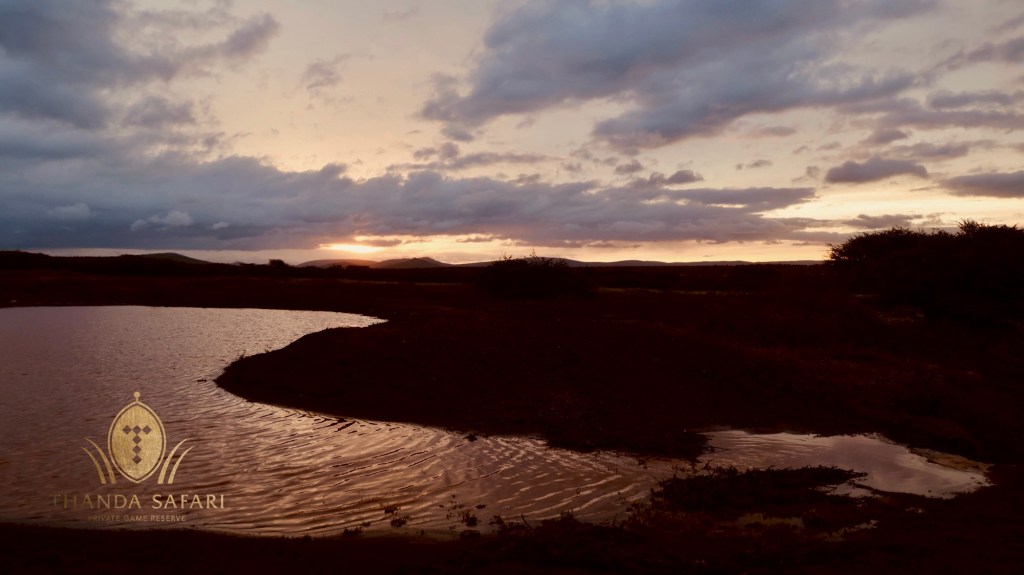
… after the rains …

Kindergarten!

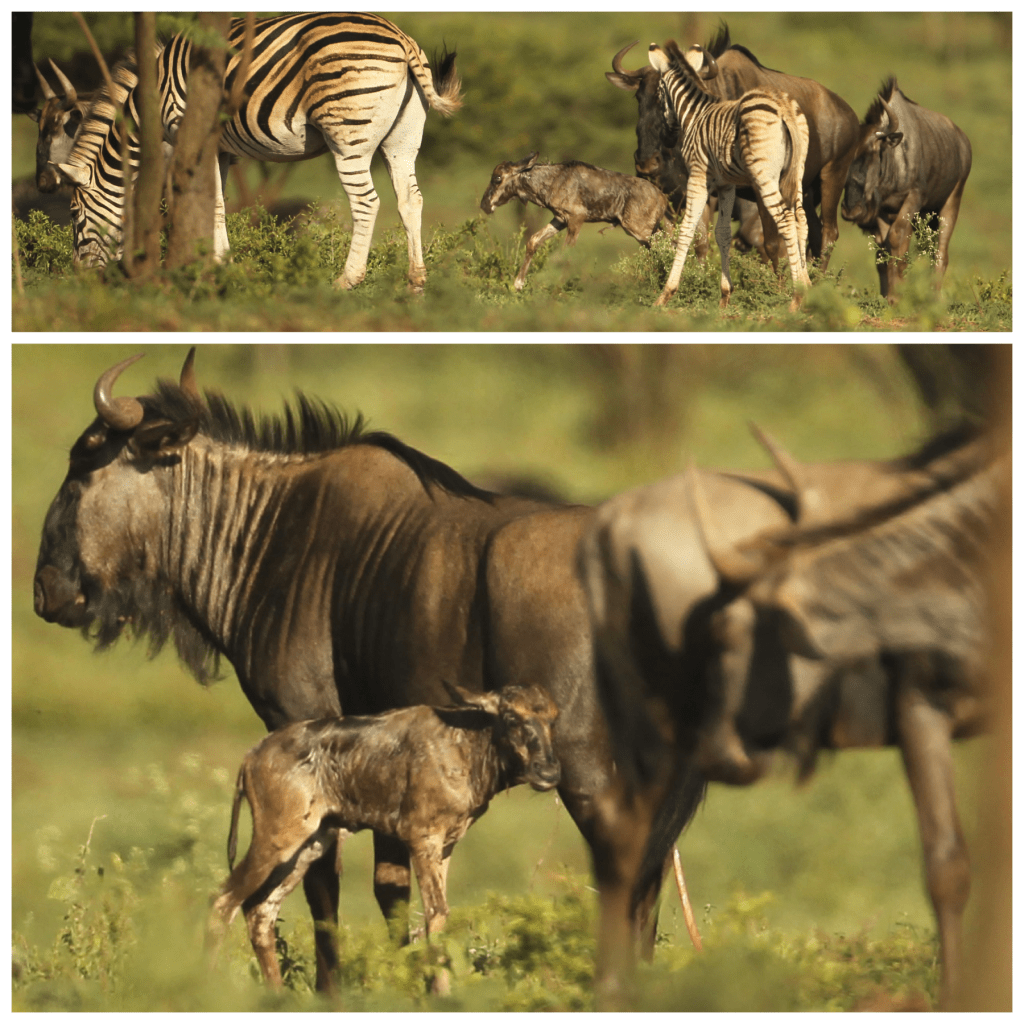
At this time of the year a lot of baby mammals can be seen on game drives.

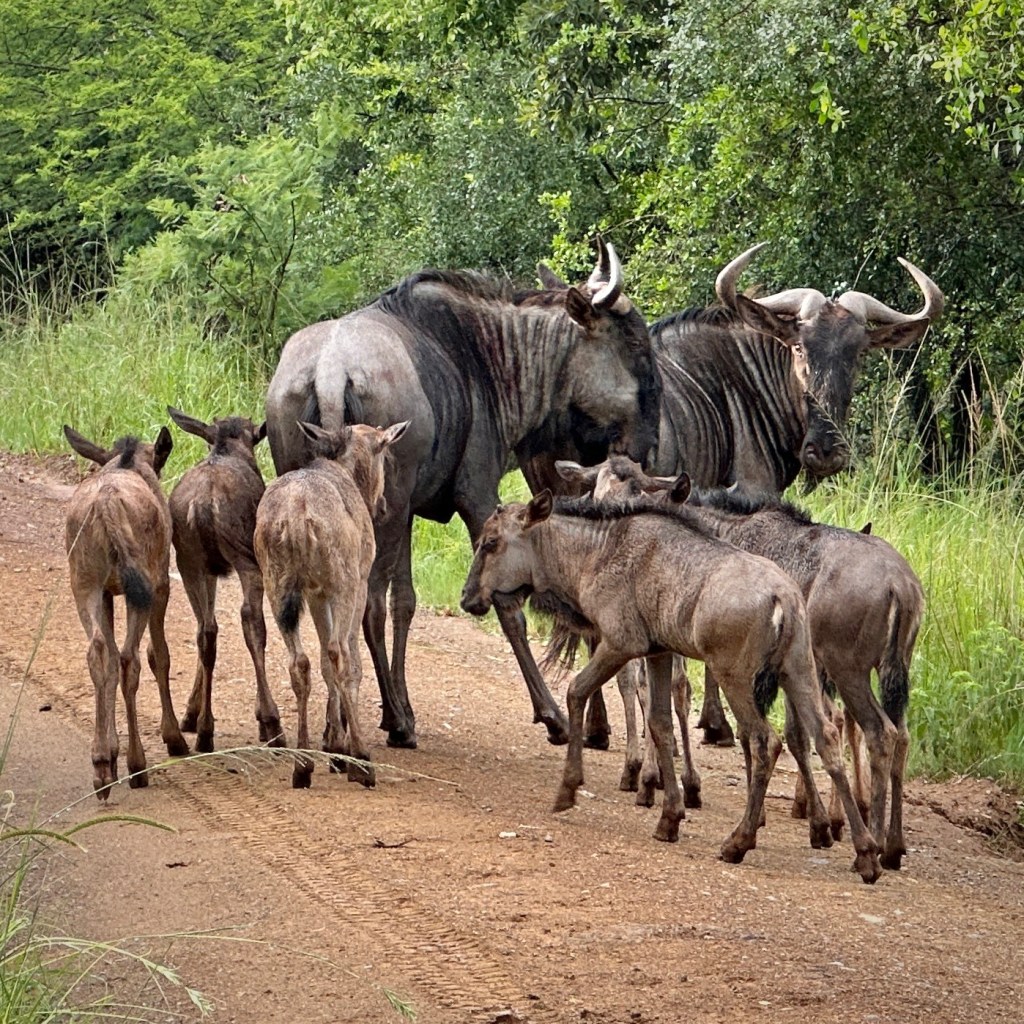
And, as the Blue Wildebeest calf’s in this picture, they often huddle together in small ‘Kindergarten’ groups.

Quite a few mammal species have a breeding season and therefore the females almost all drop at the same time. At the end of the year Kudus, Impalas, Warthogs, and Blue Wildebeests all give birth to their next generation. So January/February is a great time to look out for Kindergartens!

Elephants, Black and White Rhinos, Cape Buffalos, Giraffes, Nyalas, Zebras, primates, and all the predators do not have a clearly defined breeding season and youngsters can be born at any time of the year.

Technical data: Apple iPhone 14 Pro Max | Telephoto Camera | 77mm | Auto Setting

#amazingwildlife #africansafari #safarigetaway #christiansperkaphotography #big5 #gamereserve #wildlifephotography #learnphotography

Technical data: Canon R6 with RF lens f4-6.3/24-240mm | ISO 1600 | 1/500sec | f6.7 | ev+0 | 240mm | WB 6500K | AV Mode | Crop to 20% of original image

Babies everywhere!

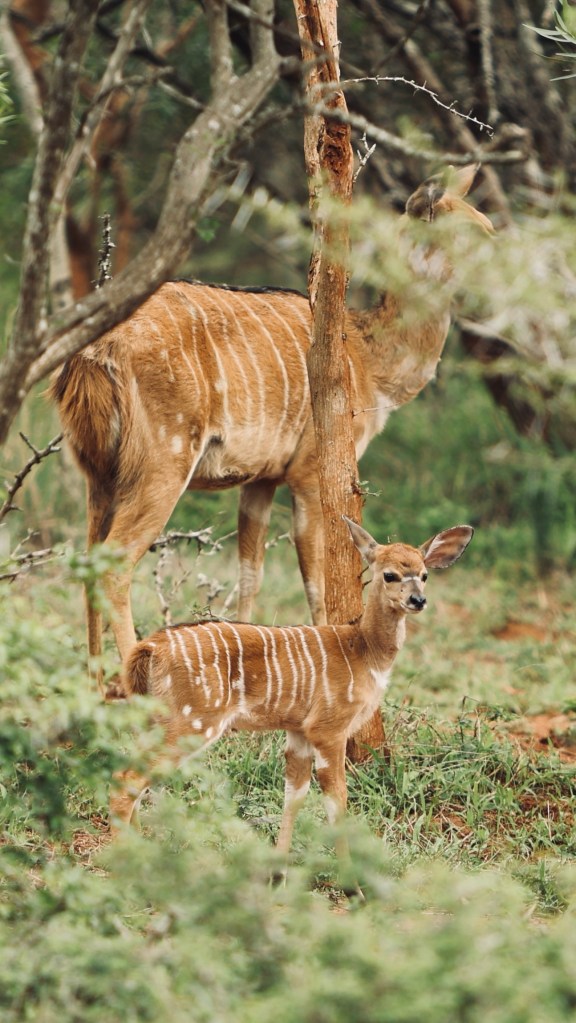
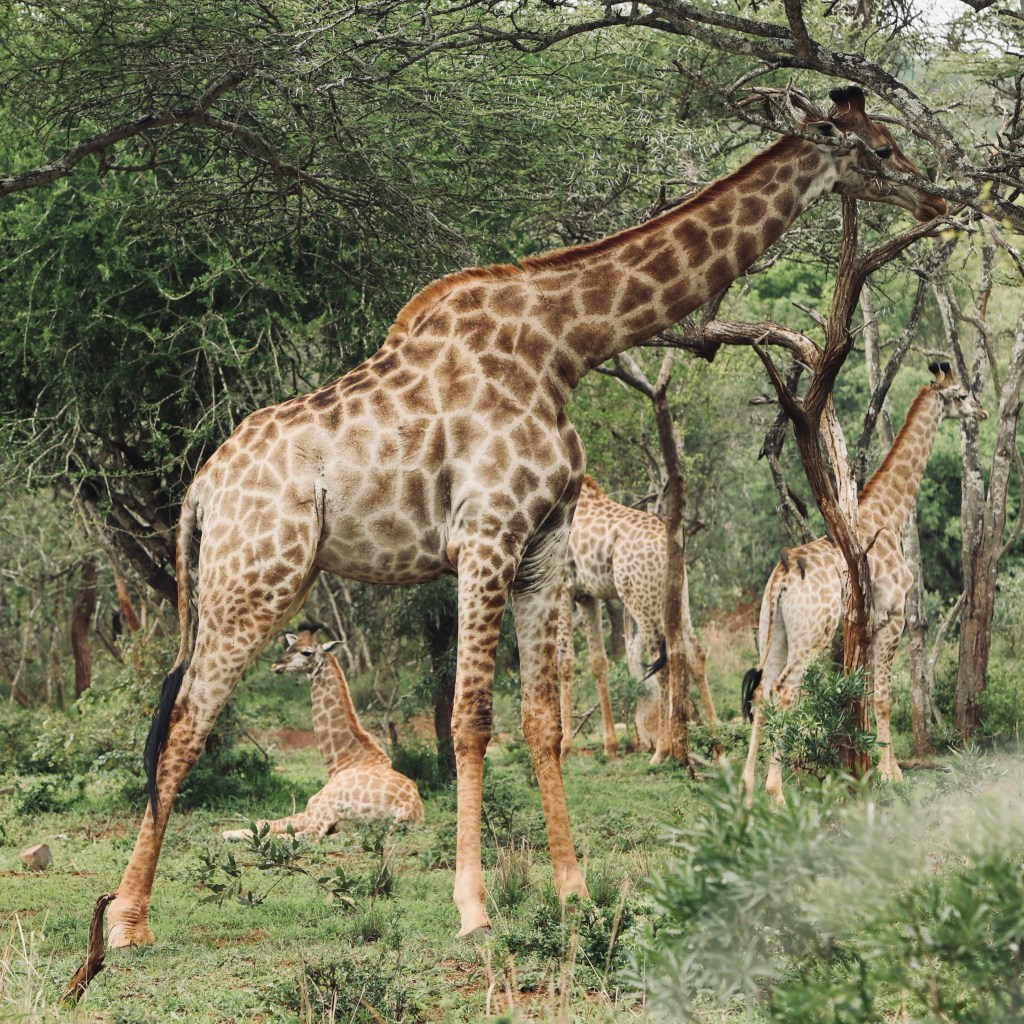
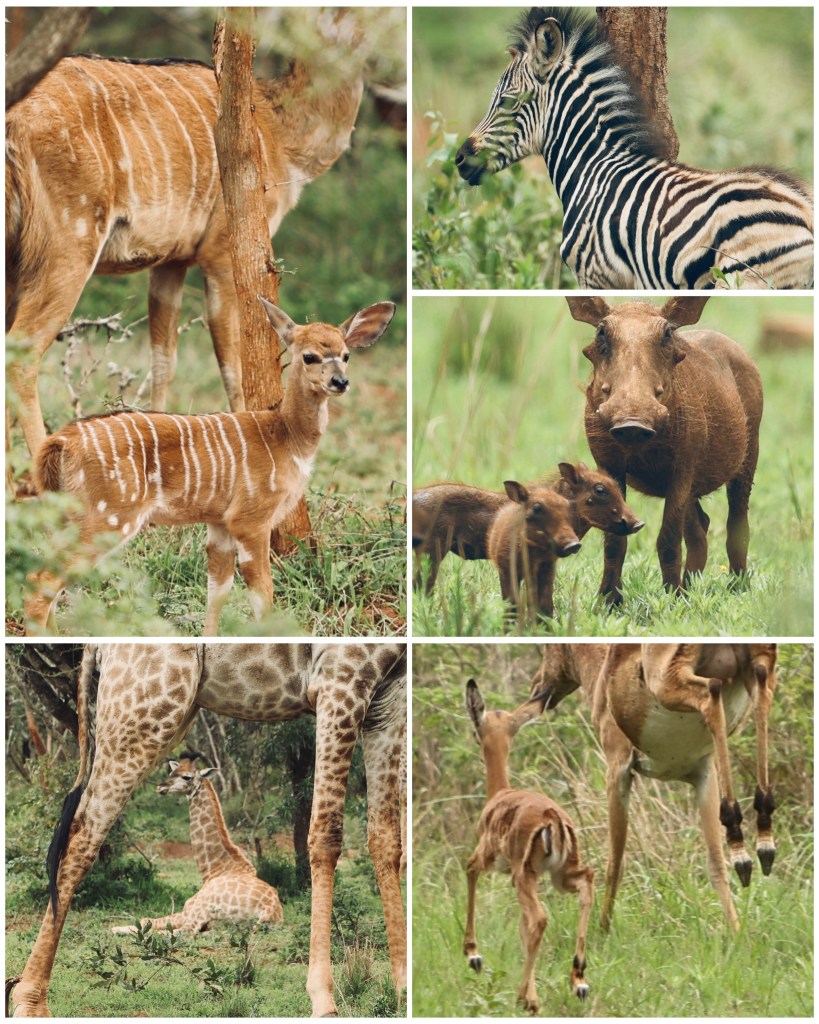
At this time of the year a lot of baby animals are being born. Some of the species have a ‘dropping season’ as they had a ‘breeding season’ months ago, others give birth at any time during the year.

The little Warthogs and the young Impalas are all appearing at this time. The Zebra-, Nyala-, and Giraffe-babies can appear at any time. And the little Wildebeest will be born soon. The small Warthogs and little Impala in these pictures are my first newborn sightings for this season.

Technical data (top left to bottom right):

Canon R6 / EF 4/500mm lens & EF 2.8/70-200mm lens

Nyala – 200mm / 1/750s / f2.8 / ISO200

Zebra – 500mm / 1/500s / f4 / ISO160

Warthog – 500mm / 1/500s / f4 / ISO100

Giraffe – 150mm / 1/500s / f2.8 / ISO1000

Impala – 200mm / 1/750s / f2.8 / ISO100

#amazingwildlife #africansafari #safarigetaway #christiansperkaphotography #thandasafari #big5 #gamereserve #wildlifephotography #learnphotography
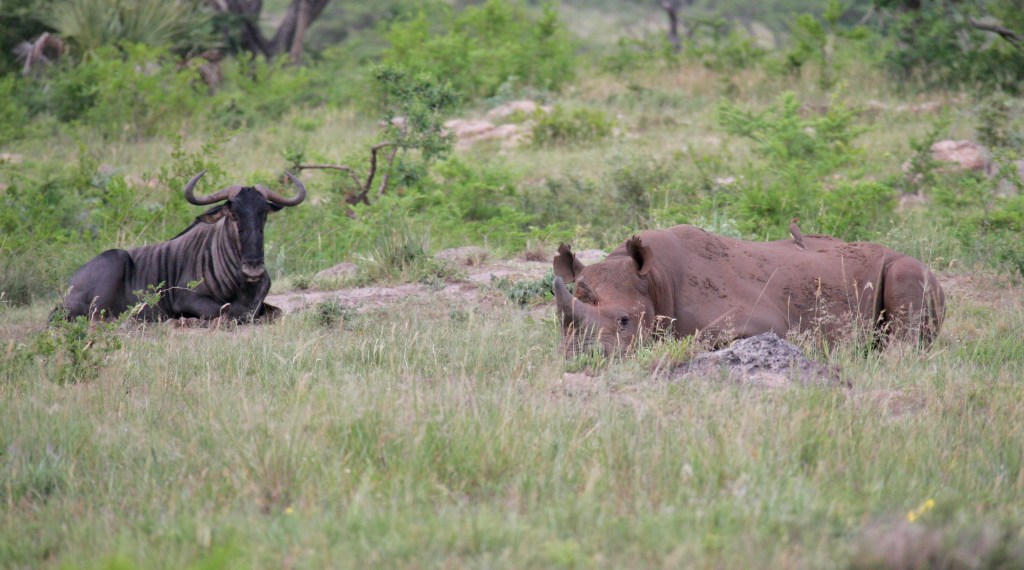
Hanging out together.

An unusual pair! Blue Wildebeest and Black Rhino.

#Amazingwildlife #africansafari #safarigetaway #christiansperkaphotography #big5 #gamereserve #wildlifephotography #learnphotography

A Black Widebeest …

… at Golden Gate Memorial National Park, Free State, South Africa.

#Amazingwildlife #africansafari #safarigetaway #christiansperkaphotography #thandasafari #big5 #gamereserve #wildlifephotography #learnphotography
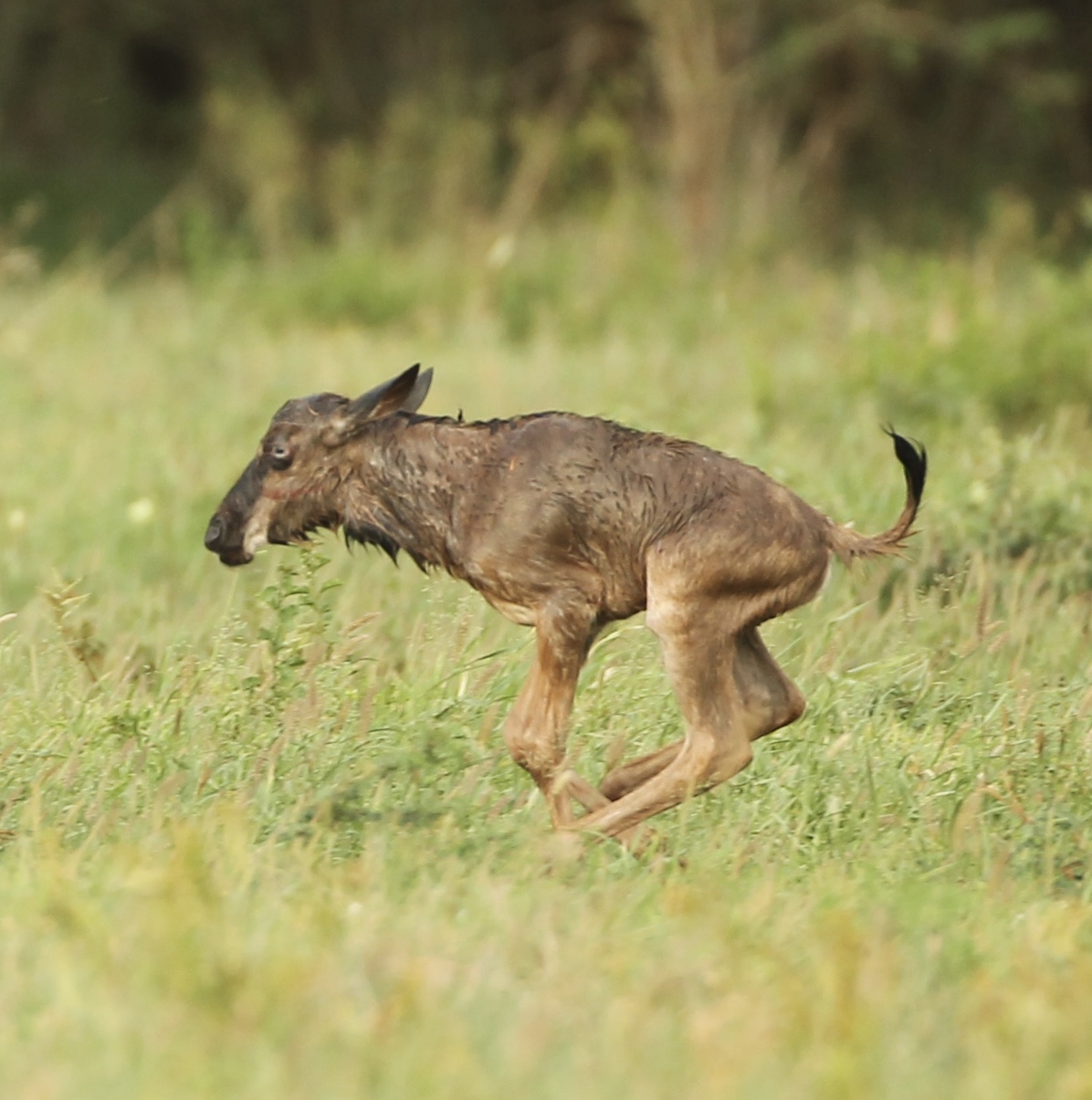
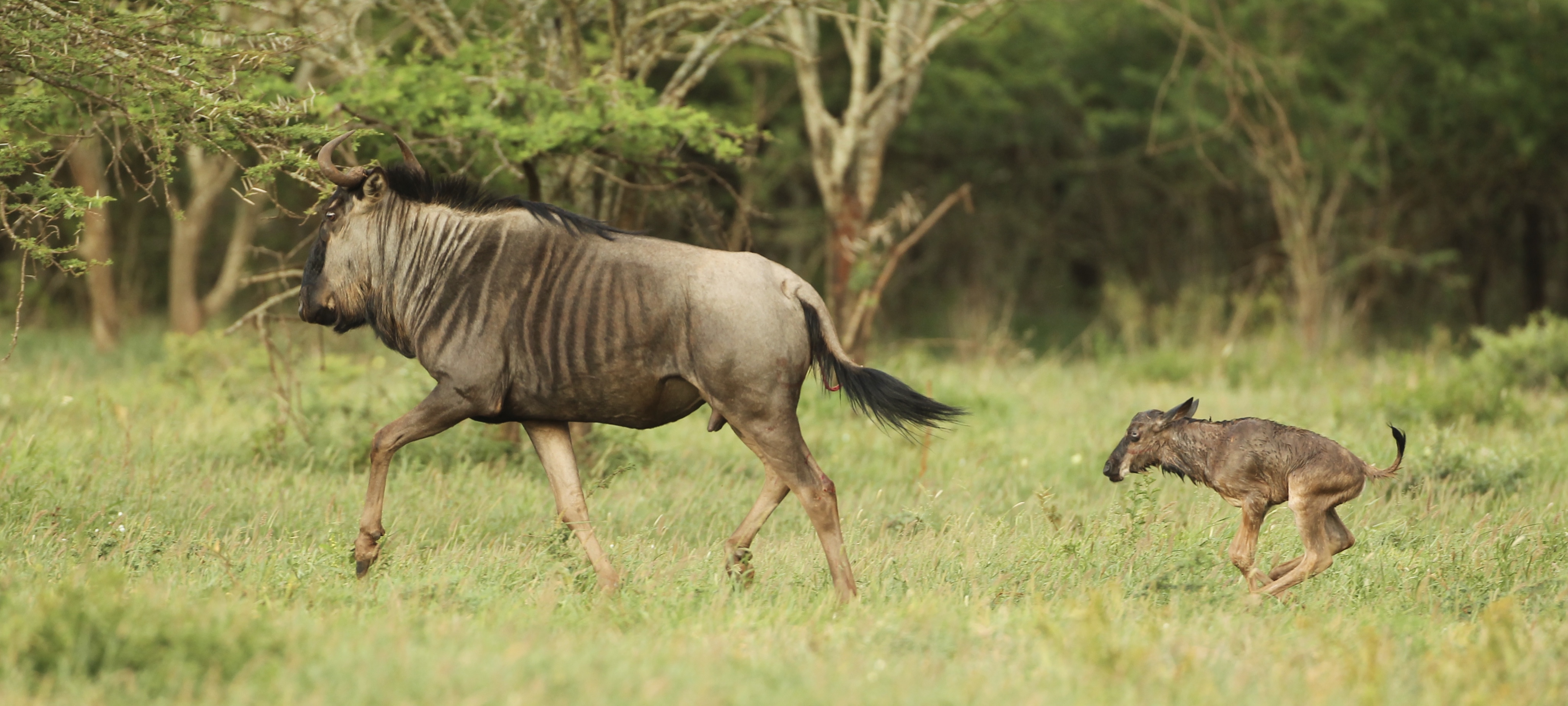
JUST BORN

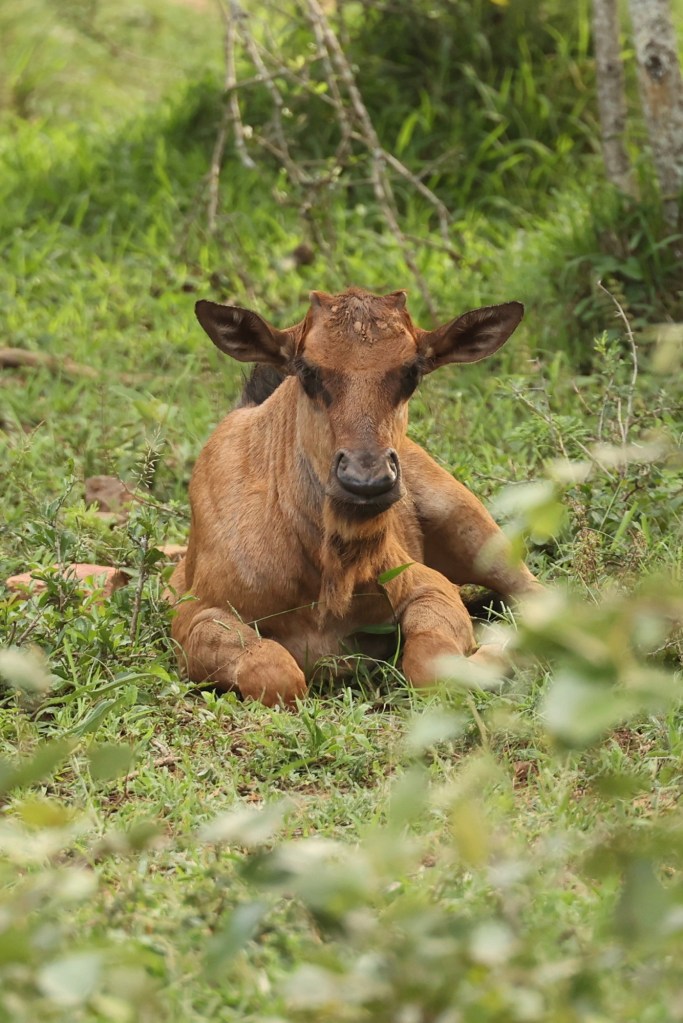
This Wildebeest calf was born a few minutes before we arrived on this scene and it started running following mum a few minutes later.

Nature is amazing!

#Thandasafari @thandasafari #christiansperkaphotography @christiansperkaphotography

VIDEO OF THE WEEK – BLUE WILDEBEEST

Yesterday morning I took this video showing a baby Blue Wildebeest – also called Striped Gnu – standing up for the first time and following its mum. This happened only minutes after the birth.

Sorry for the shaky camera work, but I had to hand-hold a 500mm lens to get this footage.

Mother and child were running just ten minutes later. Nature is marvelous!

And, for the last time in 2019: Have a good week!

#Christiansperkaphotography @christiansperkaphotography #thandasafari @thandasafari

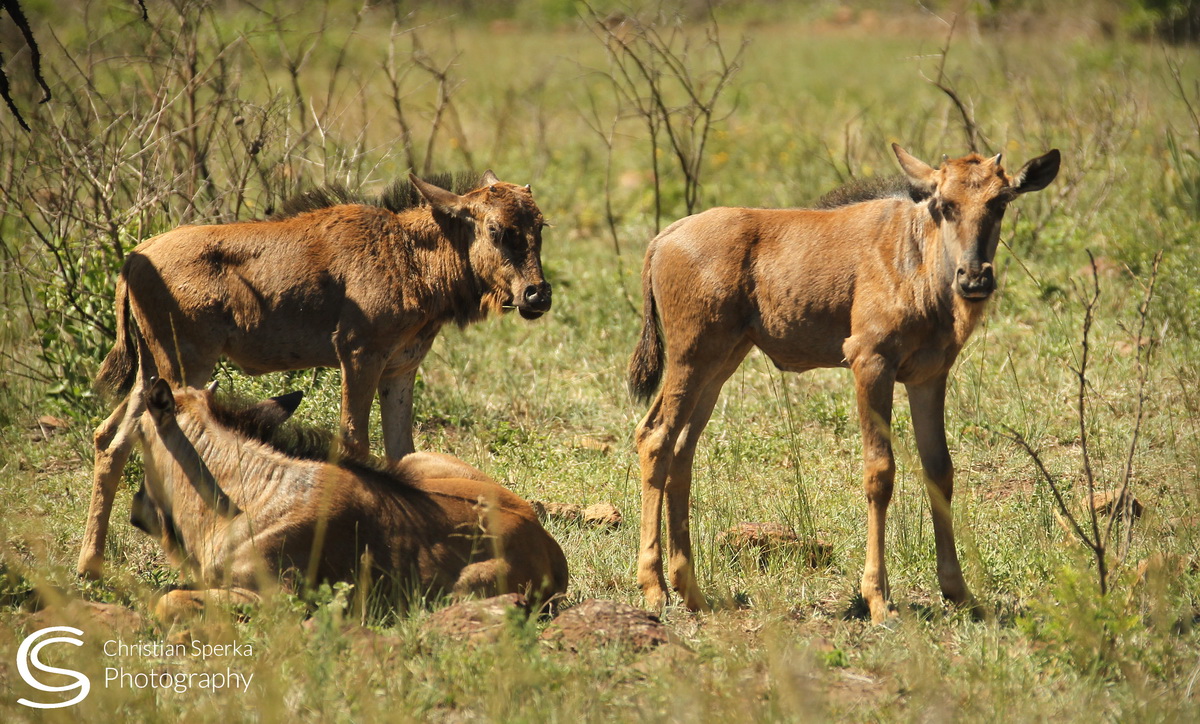
Youngsters!

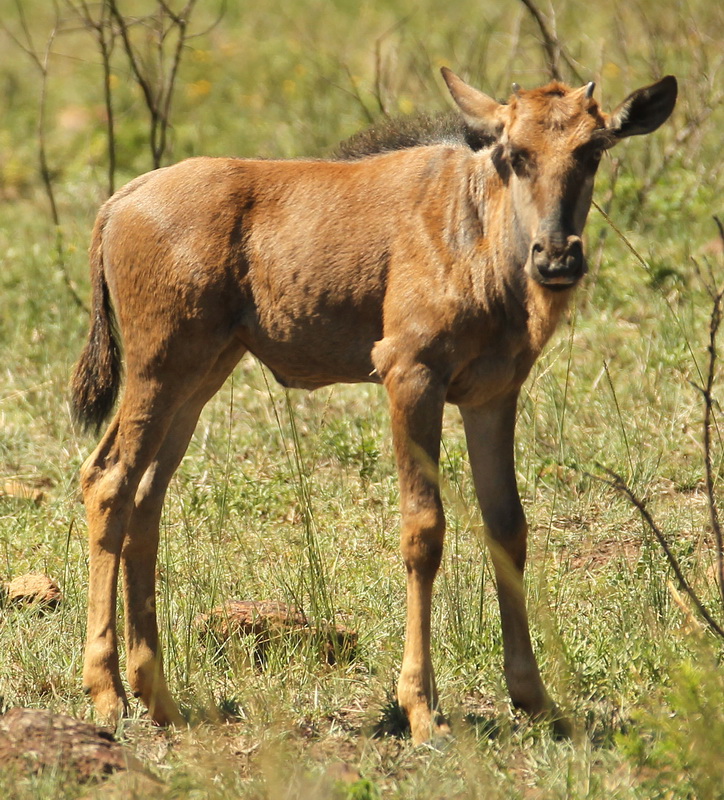
These three Wildebeest youngster were playing hard, but as soon as I got close enough to take pictures they just posed for the camera!

20140126 - CS2_0837 - C

More about Blue Wildebeest:
The gestation period is about eight and a half months and between 80 and 90% of the calves are born within a three-week time period. Female wildebeest give birth in the middle of a herd rather than alone, and typically in the middle of the day. This allows time for the newborn to become steady on its feet before night falls and the predators become more active. Calves weigh about 19 kg (42 lb) at birth, and can usually stand on their own within a few minutes of birth. To escape predation, calves remain close to their mothers for a significant time, and may continue suckling until the next year’s calf is nearly due.

New, funny, harassed, well light and rocky!

A good morning drive on Ithala. I encountered …

… a new species (for me :-)): An antelope named Tsessebe, which I have never seen before.

20130726 - CS3_4820 - E - SIG


20130726 - CS3_4828 - E - SIG

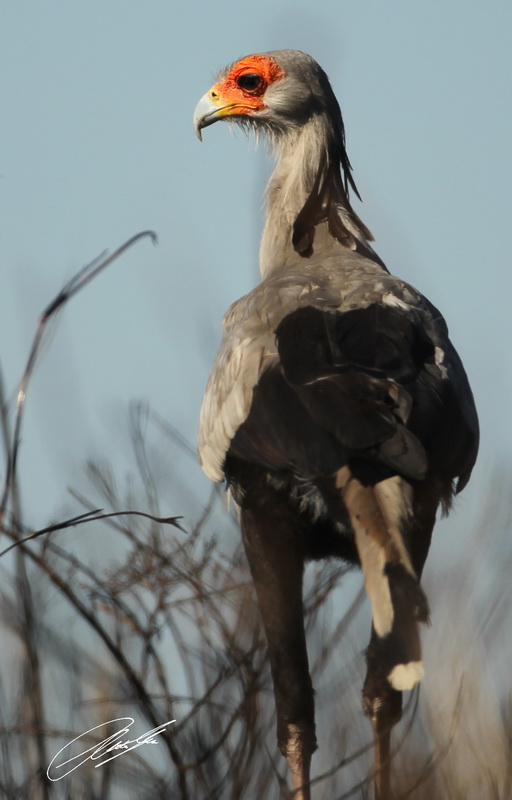
… two Secretary birds with their funny walk across a burned area.

20130726 - CS2_9898 - E - SIG

… a Tawny Eagle who was harassed by a Black-shouldered Kite.

20130726 - CS3_4837 - E - SIG

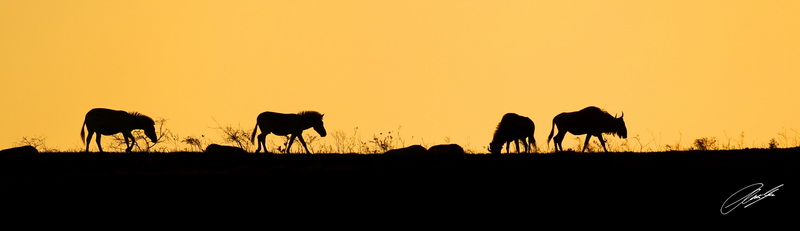
… a well light scene at sunrise with Zebra and Wildebeest.

20130726 - CS2_9839 - E - SIG

… and an exciting drive on a very rocky 4×4 trail.

20130726 - P1020919 - E - SIG

Let’s see what the afternoon will bring!