Going Vegetarian?

20140126 - CS2_7165 - E

Hardy!

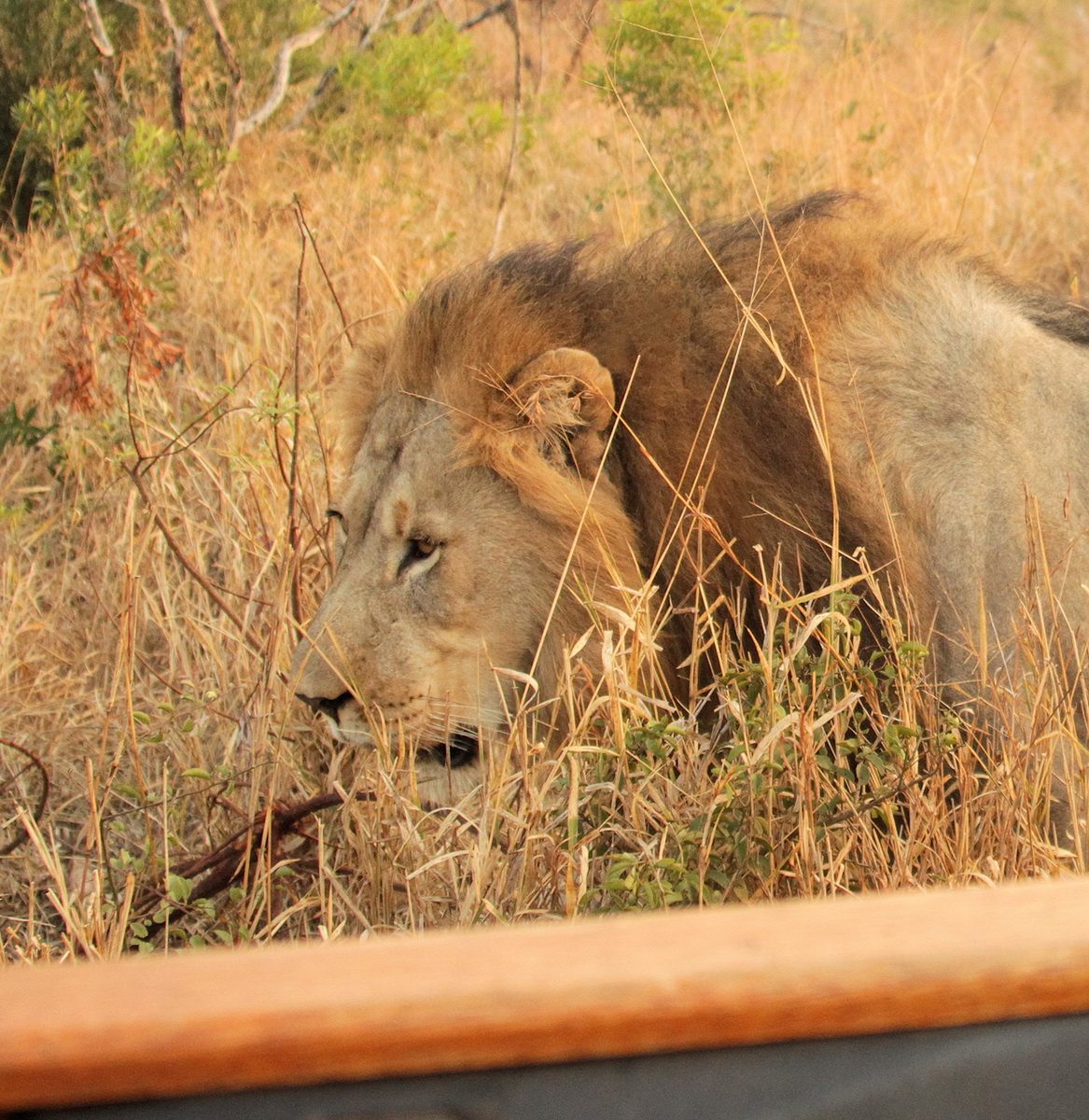
But this Thanda Lioness nibbled on grass for quite a while. That sort of behavior can mostly be observed after heavy meals, apparently to help with a full or upset stomach.

The Thanda guests were quite impressed to see this method of Lion “self medicating” 🙂

What an office view!

I have had many different offices in my life – some with very nice views out of the window, some facing a parking lot and some with no view at all. But nothing compares with my office view at Thanda!

20140316 - CO_1453

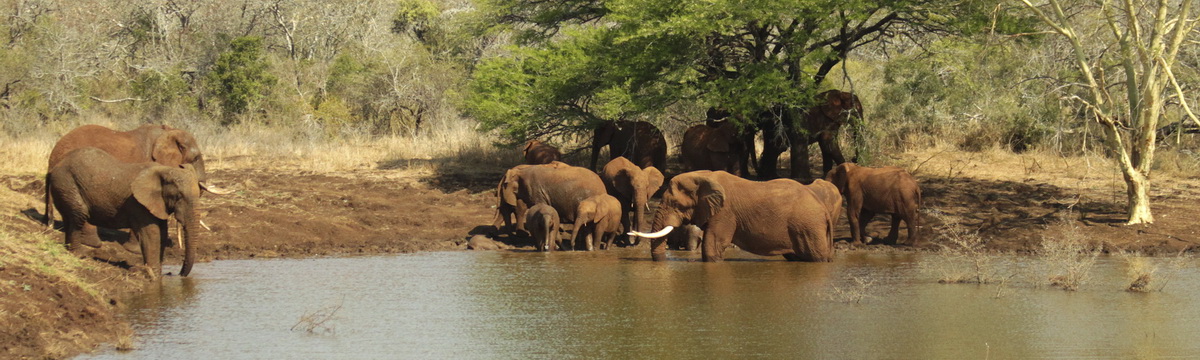
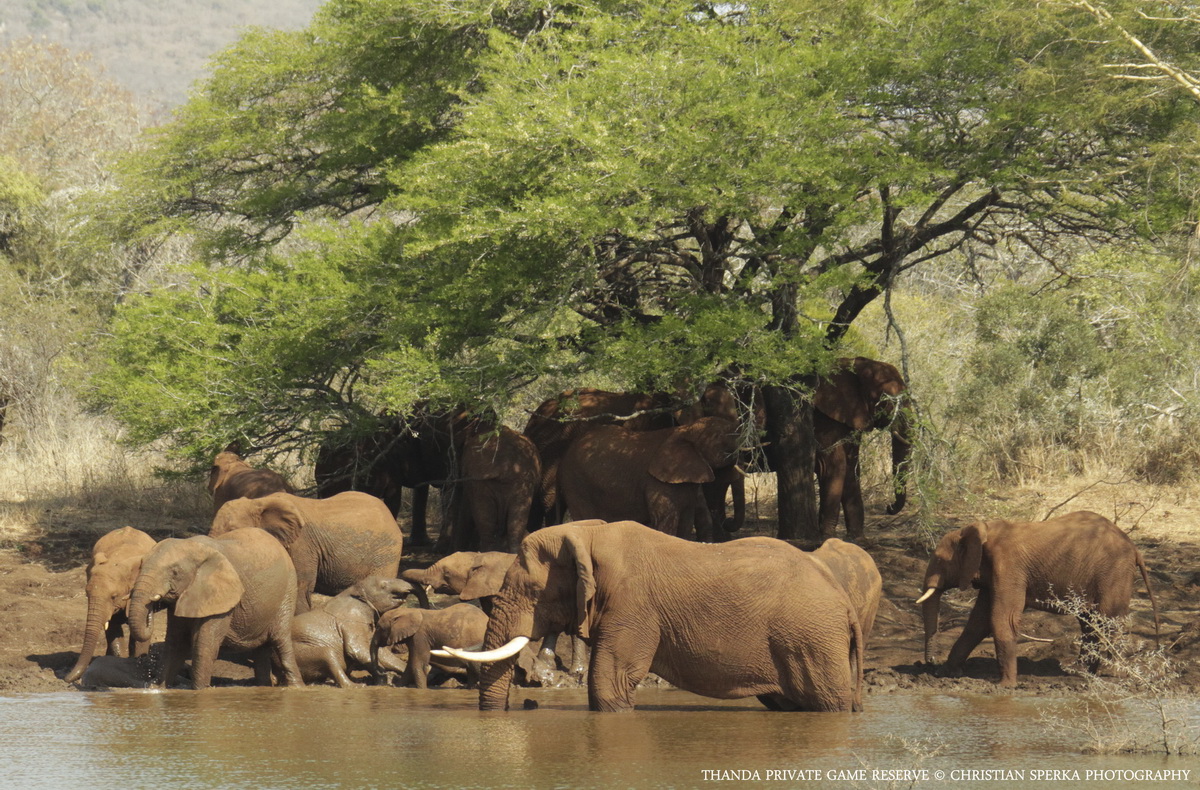
I was sitting at my desk working on images and email when I heard a faint splashing sound from the nearby waterhole, which, due to the recent heavy rains, is full for the first time since I have arrived on Thanda. I had a look out of the window and saw Elephants having a swim. I grabbed a camera with a long lens, walked down to the Thanda house fence and took some pictures of Elephants enjoying themselves in the water.

As the light faded, all of us at Thanda house stood there and watched until the last of the Elephants had left the waterhole. What an evening!

20140312 - CS2_0220 - E

Don’t kill the monkeys!

20100821 - CS2_7369 - E - THANDA

There are monkeys all over Africa. And also at Thanda. Small Vervet Monkeys can be found on the reserve and, as everywhere else, they are mostly found around human kitchens and dining rooms.

They are very good in stealing food but it is important never to feed them. Also, one must avoid to present food to them. As cute as it might seem when a small child gives an apple to a monkey, this can lead to the death of this small primate. If wild monkeys, or any other wild animal, are continuously fed by humans they start seeing the humans as a source for food. And if on occasions there is no food forthcoming they can get very aggressive and use force to take what they want. As small as they are they are very strong and have formidable teeth. Any monkey incident can get very dangerous for children (and even adults) and as a result of such attacks the monkeys may have to be put down.

Lesson to be learned: Never feed a monkey – It might kill them!

The picture of this good-looking chap was taken at the Thanda Safari Lodge. Have a good weekend!

A little beauty!

20140301 - CS1_1908 - E - CSP

This small Spotted Bush Snake lives in the trees outside my room at Thanda house. On warm and sunny days this little beauty is hunting in the trees. And when anyone walks by it takes a peak from between the leaves.

I enjoyed taking some macro pictures of this small predator.

20140301 - C 2035 - E - CSP
20140301 - CS1_2048 - E

More about the Spotted Bush Snake:
(Philothamnus semivariegatus) – also called Variegated Bush Snake.
This snake can be found in variable colors, but most of the time bright green to darker green above. Adults can reach up to 1,3 meters in length. It is diurnal and it is an excellent climber. When this snake is disturbed, it will move away fast. If it turns defensive, it will inflate the neck and the blue skin in between the scales will be visible. This makes it look more dangerous, almost like a Boomslang.  It is often mistaken for a Boomslang. This snake bites readily when trying to catch it. Although there are many differences, they both can be seen in trees and both are green. The Spotted Bush Snake is harmless to humans, but often killed, because of this confusion.
Quoted from “Snakes of South Africa”

With Lions in a Car and an Elephant in the Garden!

What a day 🙂

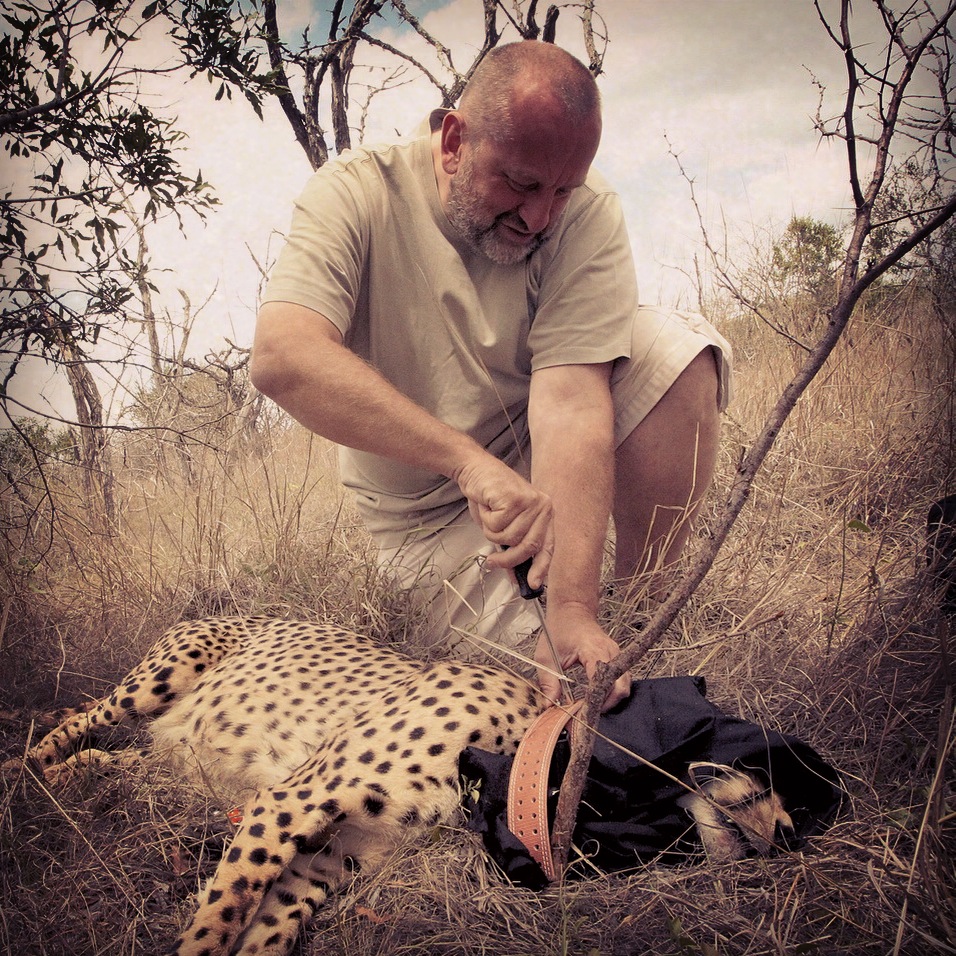
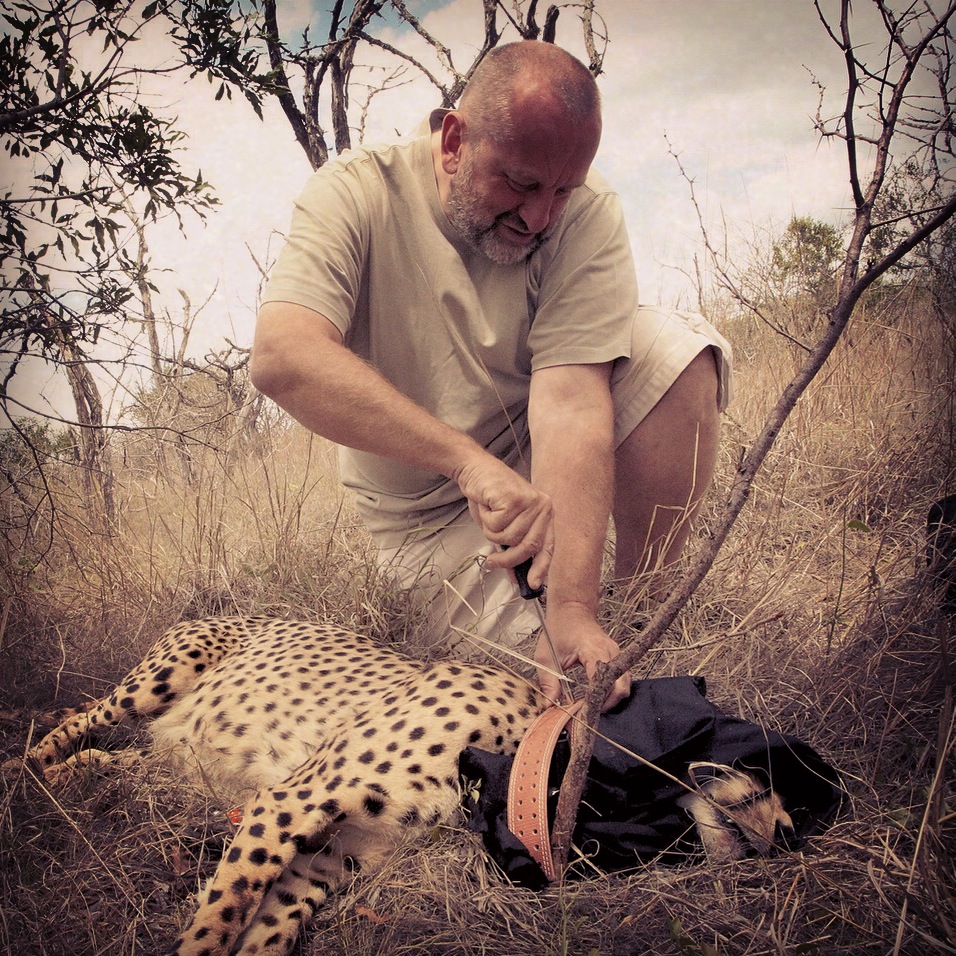
In the late afternoon I was documenting a Thanda Lion capture operation on camera.
(Check out the Thanda blog with the pictures of that operation at http://thandablog.com/2014/03/12/a-new-home-for-two-thanda-lionesses/)
Two young female Lions were to be transferred to a new home on another game reserve in Kwazulu Natal. I was taking pictures of the scene when I found myself on the back of the vehicle speeding down the road – with the two sleeping Lionesses at my feet. My first time in a car with two Lions 🙂

Lion and Elephant

Later in the evening I went out for dinner with a few colleagues. When we returned back to Thanda house we heard some branch-breaking-sounds from the garden. We took a look and realized that one of our young Elephant bulls had broken right through the Thanda house fence to get to some tasty looking trees.

He kept feeding of a fever tree while we were watching him from the side of the house (25 meters/yards away). From many signs all over the garden it was obvious that he must have spent hours feeding around the house. When he had enough of our garden he decided to take a different route out and “punched” another hole into our fence.

With Lions in a Car and an Elephant in the Garden!  Another day in Africa 🙂

PS: Sorry for the low-quality Elephant image, but I thought it was worth showing this gentle giant in our garden at night.

Getting close :-)

20140306 - CS1_2452 - E2 - THANDA

If one would ask anyone who plans an African Safari what they would like to experience on their trip to the wild, most of the answers would include “getting close to the animals”.

For the Thanda guests on my vehicle that wish came true. Even more than expected!

This young Lioness was passing our vehicles in touching distance while staring at my passengers. One could hear a pin drop and breathing stopped for a little while as the predator silently went its way.

What a safari experience!

On the move!

20140214 - CS1_0874 - E - THANDA

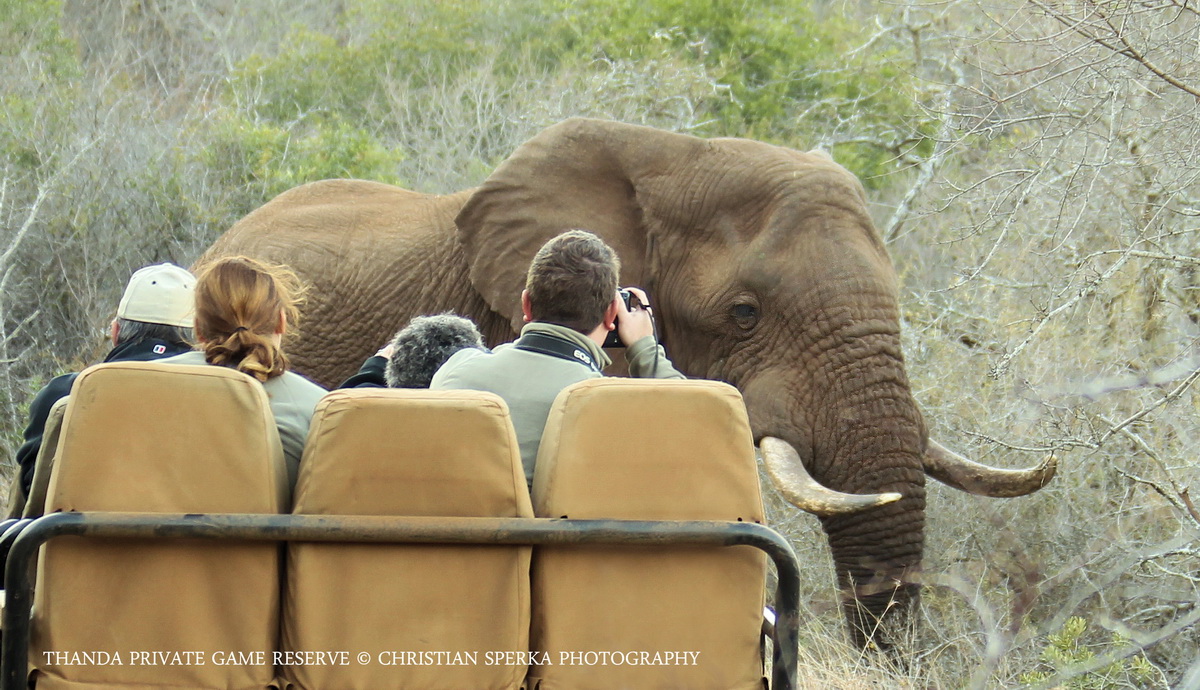
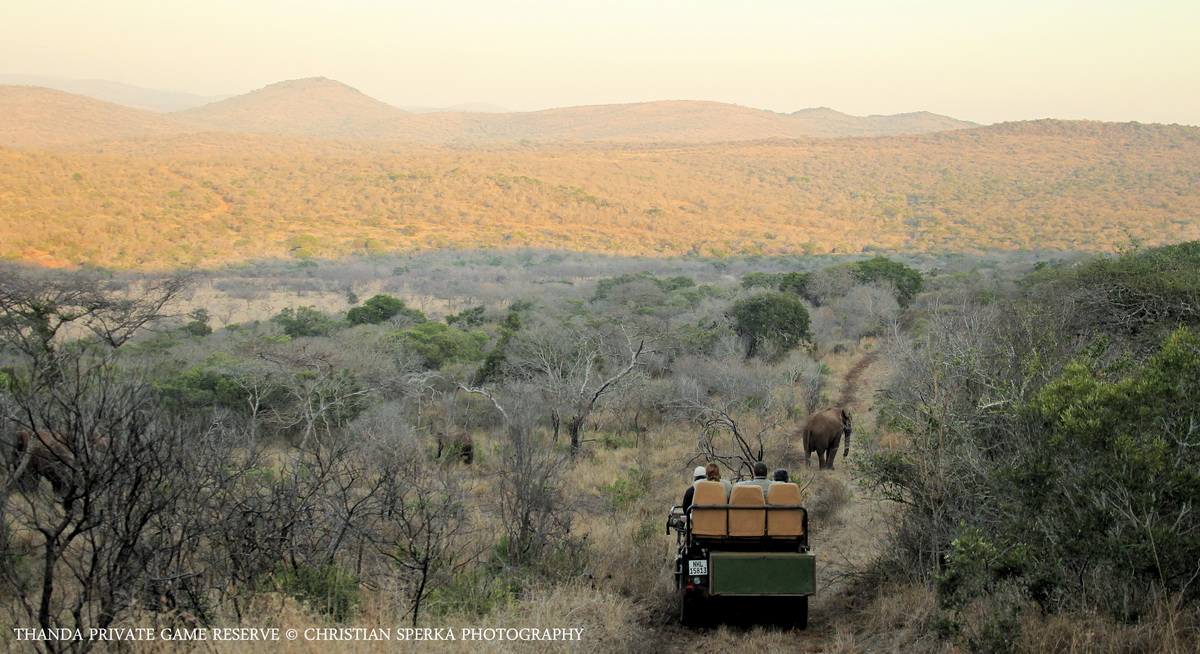
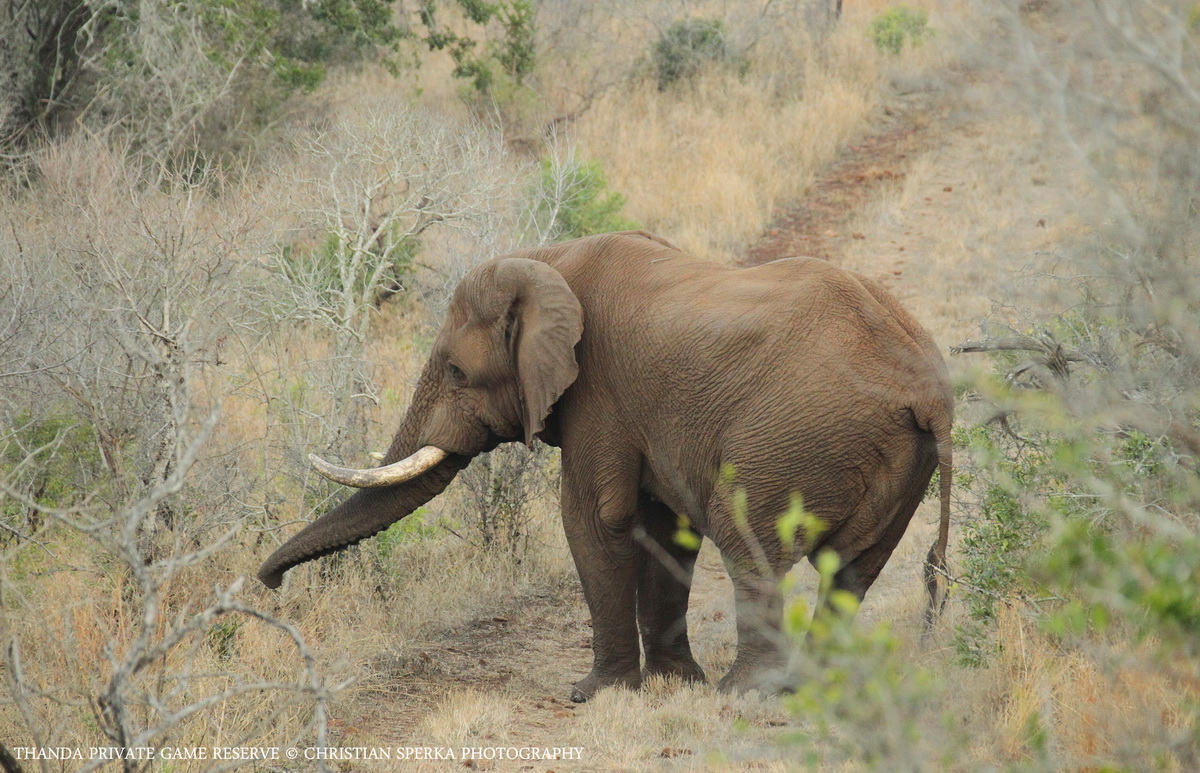
It is amazing how far Elephants move even if they take a leisurely pace. So following them if they move fast is quite difficult.

The Thanda guests on my vehicle enjoyed the fast drive to catch up with these gentle giants when they were on the way to the next waterhole. And we just caught them as they crossed the road in front of us.

A special type of road block 🙂

New cubs!

20140301 - CS3_5151

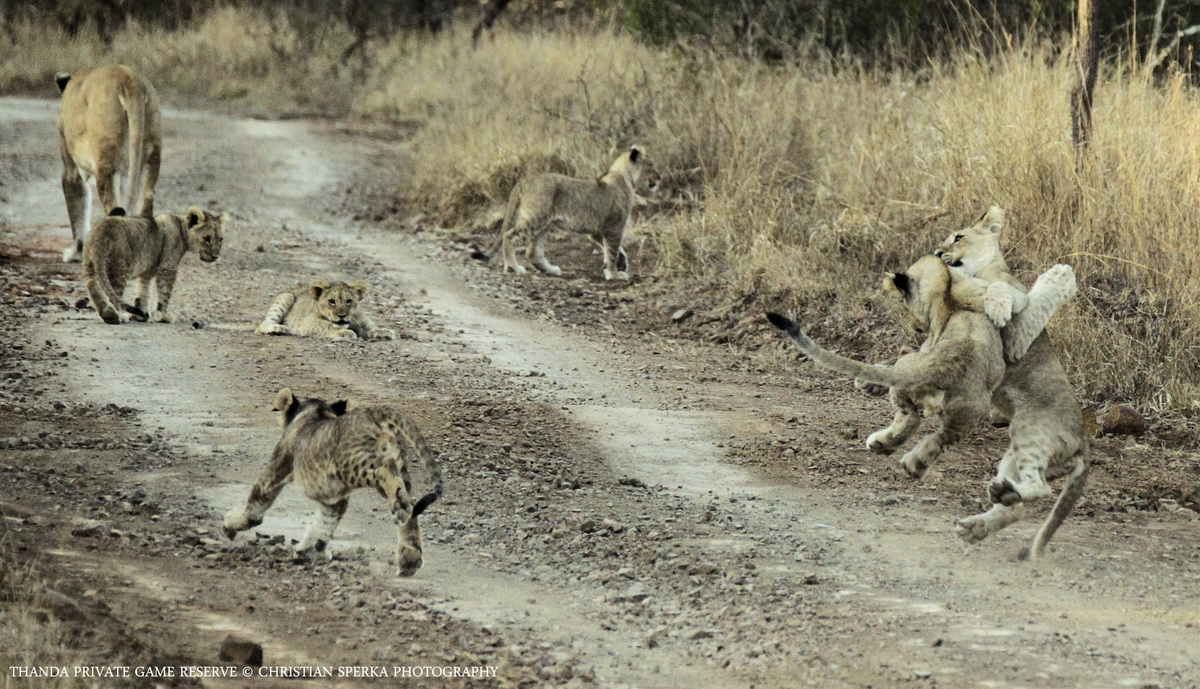
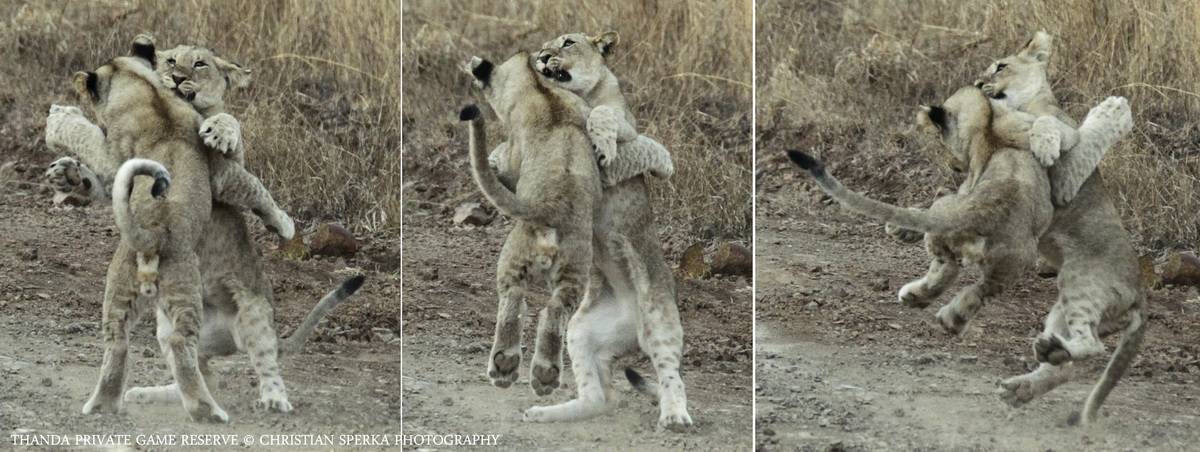
It was the first time I saw the new Lion cubs of the oldest Thanda South Pride female. The mum of the two youngsters is quite shy and likes thick bush. Bheki and I were on our way to take some pictures on the Thanda Mduna Royal Reserve. As we approached the fence line to this new part of Thanda we spotted the female with her two new cubs and the their two older brothers.

I got a few shots of some of the family members before they disappeared into a drainage line. This is my favorite images from this fast photo shoot 🙂

BIRDS – Village Weavers mating

20121102 - CS3_0234 - E - THANDA

Since I have posted the image of a strangely colored bird a few days ago – now identified as a Village Weaver – a few of you have asked me about how do Village Weavers normally look like.

So here is an image of a Village Weaver pair mating in front of their nest.

HELP! – A questions for the birders among you.

Bheki – my tracker on Thanda – is an excellent birding guide. And he usually is able to identify any bird for our guest or for me :-).

But this one puzzles us both. I shot this image in July 2011. As I am currently reviewing all my images – many thousands 😦 – I came across this one and wanted to get an ID.

Does anyone have an idea what this is (it looks like a Weaver or Canary with some of the colors of a Barbet).

Thanks for the help!

20110708 - CS2_8342 - Collage 0957