Bheki’s Bush Talks: A Bush Tooth Brush!

20130820 - CS3_5025 - E - 16x9


Bheki Ngubane, one of the most experienced trackers on Thanda Private Game Reserve, explains in this short video how to make a bush tooth brush and tooth paste from a Blue Quary Bush. Looking at Bheki’s white teeth the method works :-)!

This is a first video clip in a new series called Bheki’s bush talks, in which Bheki will reveal some of the traditional Zulu ways of using nature’s products.

Bheki and I are working together as a guiding team on Thanda Private Game Reserve since September 2012.

I can see it!

20130823 - CS2_1457 - E - SIG

“Mami, Mami – I can see it – I can see it – move faster, pleeeease!”

Well, this little Baboon was standing up on his hind legs to get a first glimpse of the waterhole, which he and his mum were approaching.

I thought the quote above would be what he would tell his mum if he could speak 🙂

Have a good week!

Young Guests

20130818 - IMG_2484 - E - SIG

This is a picture of three of the youngest guests at Thanda’s Villa iZulu and myself. I was teaching them about nature and wildlife on a Sunday morning.

Kids of all ages are welcome at Thanda Private Game Reserve – for more information go to http://www.thanda.com/kids.html

BIRDS – Emerald-spotted Wood Dove

20130822 - CS2_1258 - E - SIG

For the many bird lovers among my blog audience I am starting a new posts series. The first image is of two Emerald-spotted Wood Dove, small doves with beautiful emerald-colored markings on their wings.

I am planning to post at least one special bird image per week.

It feels so good!

20130812 - CS3_3480 - E - SIG

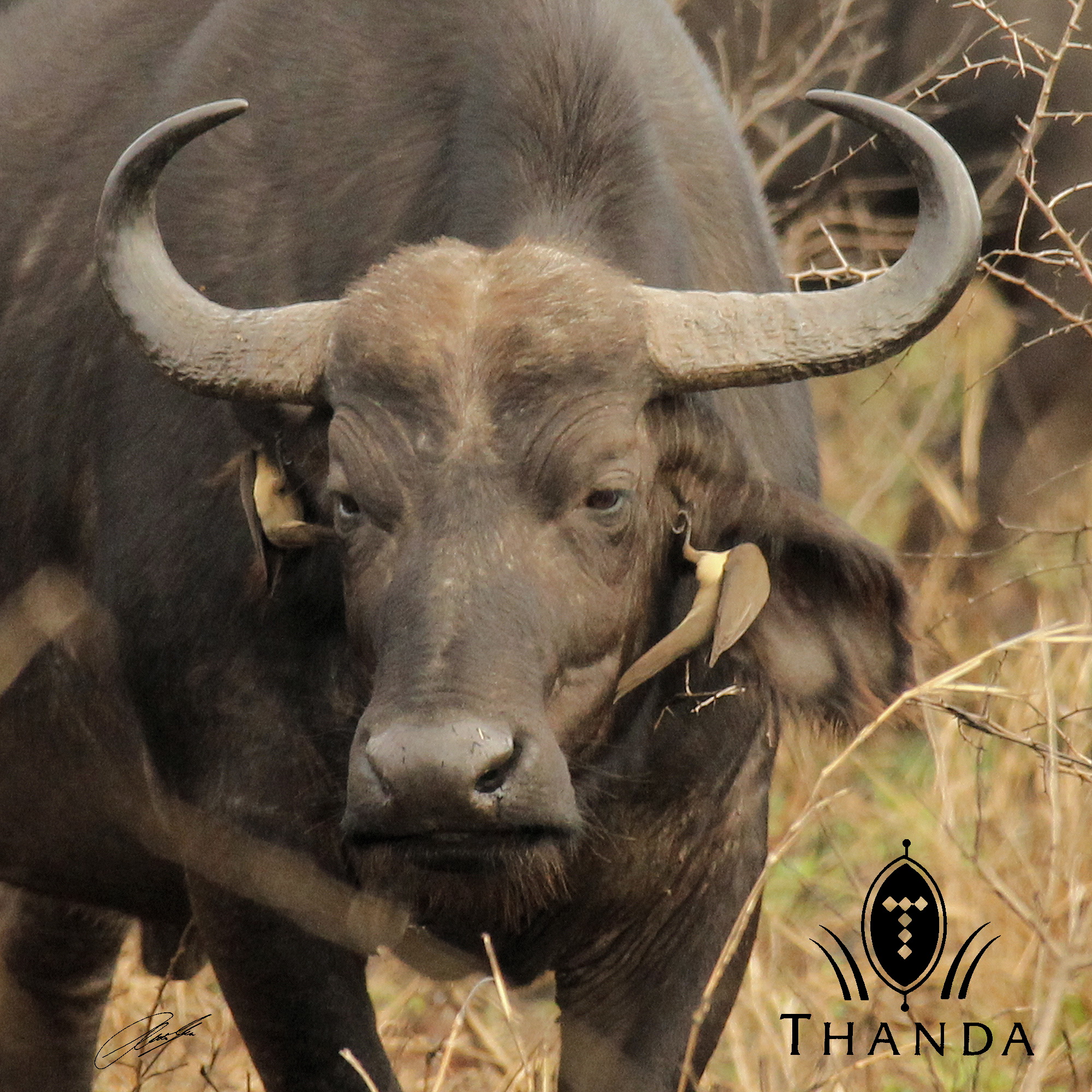
“I love it when these birds come and clean my ears out. All these ticks are such an nuisance!

Oh, great – a bit more to the left for the bird on the right and a bit deeper please for the bird on the left – there we go.

Oxpeckers are great!”

If this Buffalo cow could speak I think it would sound like this 🙂

Rhino Communication Center

20130815 - CS3_3930 - E - SIG

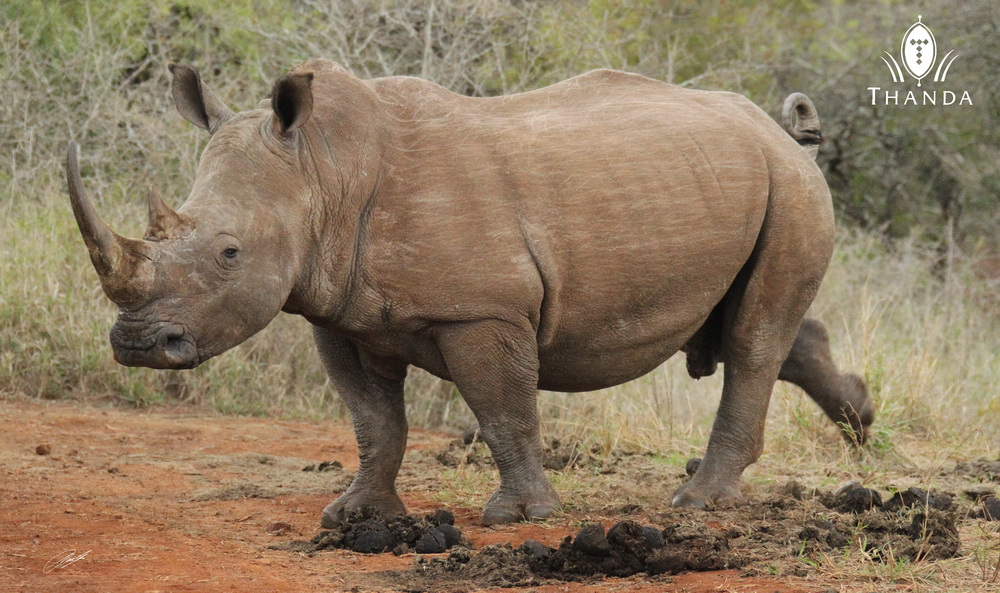
If you think that this White Rhino bull is just scraping his dung around you are mistaken. He is actually adding important information to this Rhino Communication Center, called a Midden. The same location is used by many Rhinos to place their dung and with it to place information.

A dominant bull will mark his territory and he will scrape the dung to show his dominance.

Females in the area by will leave their droppings, but they will not scrape. They leave a scent message for the dominant bull in case they are ready to mate. If that is the case he will pick up the info at his next visit and look for the lady.

Any young bull pathing through the territory will also leave his message (a distance away from the big guys’s stuff) without scraping to tell the dominant bull that he does not want to challenge him.

If another bull puts his dung on top or near the dominant bull’s droppings and scrapes them around then he declares his intention to challenge the territory holder. As soon as they meet they will fight!

So, if you see dung in the bush, it is not always just waste 🙂

I am a big Lion now!

20130819 - CS3_4990 - E - SIG

“Well, you probably have seen many pictures of me since last year.

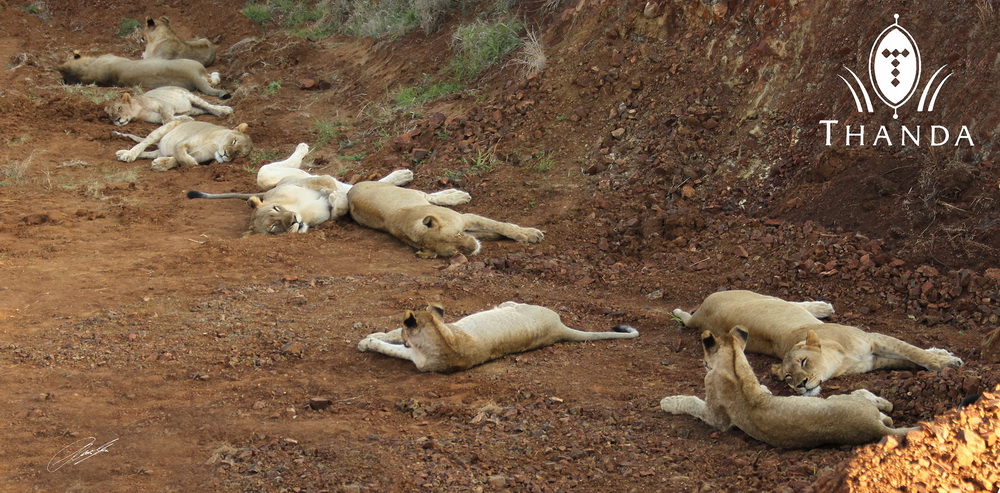
Since this funny German photographer arrived here at Thanda we have had to pose constantly for pictures. But this way all of you Thanda fans got to see me, my brother and my two sisters growing up. Don’t I look like a big Lion now?

Christian – that’s the photo guys name – took his shot this week when I and my family were relaxing after a really big meal. Mom and grandma could hardly move and my cousin did not stir for hours. What a day!”

A blog message from a lion’s point of view 🙂

20130819 - CS3_4846 - E - SIG


Smart Birds!

20130819 - CS3_4702 - E - SIG

At a sighting with six White Rhino I took this image of a Fork-tailed Drongo.

These small birds are known for their ability to imitate the sound of other animals and for their hunting technique. They follow large mammals and hunt for any insects stirred up by their large “helpers”.

PS: One of the Rhinos provided the background for this image 🙂

More about Fork-tailed Drongos:

The Fork-tailed Drongos is a widespread resident breeder in Africa south of the Sahara. These insect-eating birds are usually found in open forests or bush. They are aggressive and fearless birds, given their small size, and will attack much larger species, including birds of prey if their nest or young are threatened. The call is a metallic strink-strink. Fork-tailed Drongos are capable of using deceptive mimicked alarm calls to steal food from small mammals.