
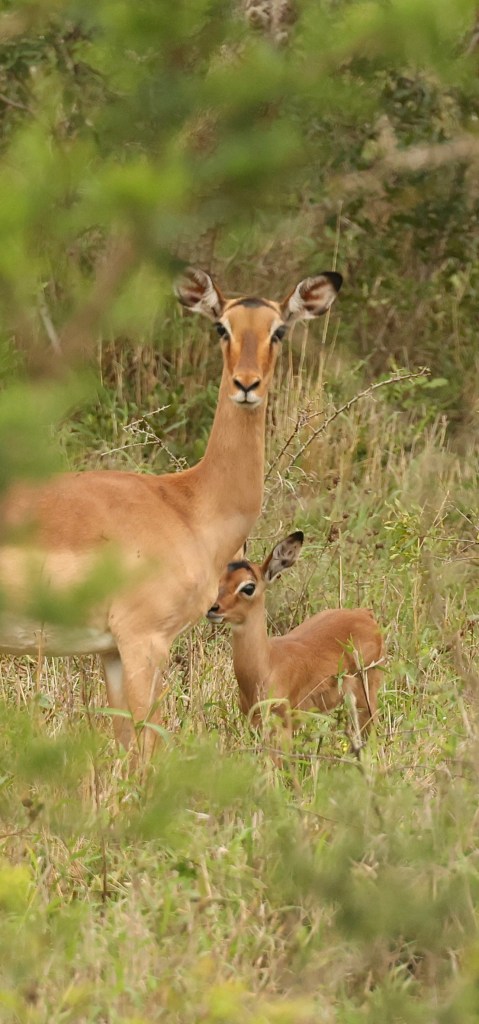
Following an early rutting season this little Impala was the first new baby of this summer seen on one of my game drives on Thanda Safari!
#Christiansperkaphotography @christiansperkaphotography #thandasafari @thandasafari
Following an early rutting season this little Impala was the first new baby of this summer seen on one of my game drives on Thanda Safari!
#Christiansperkaphotography @christiansperkaphotography #thandasafari @thandasafari

Sometimes the little birds are just too much!
This Impala shook off the Red-billed Oxpeckers which where looking for ticks in its pelt.
#Christiansperkaphotography @christiansperkaphotography #thandasafari @thandasafari
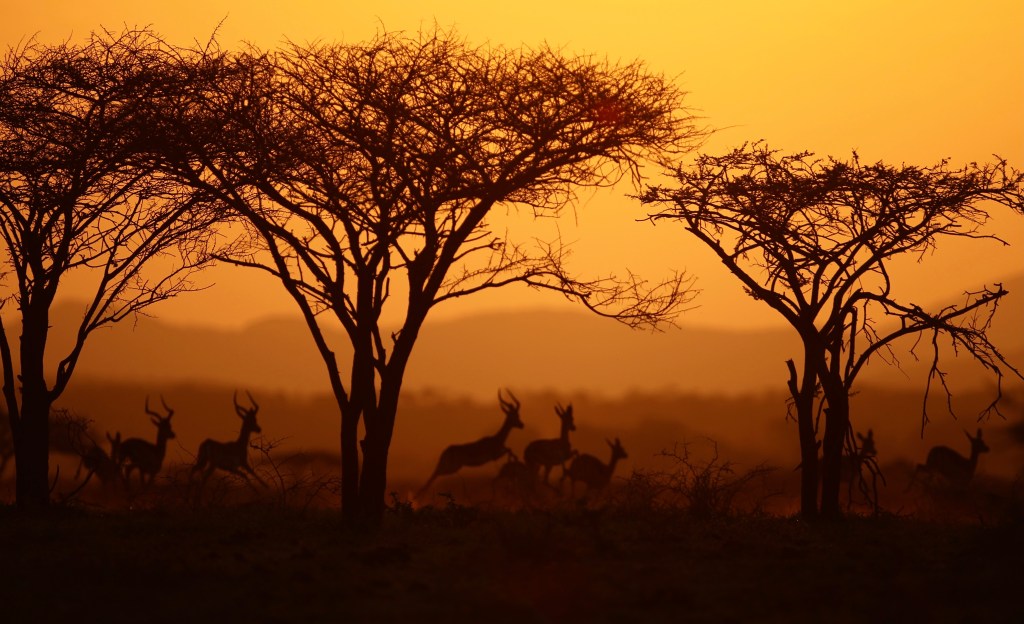
#Christiansperkaphotography @christiansperkaphotography #thandasafari @thandasafari

Today: Impalas
Impalas are the most common antelope on Thanda Safari. They always look immaculate because they practice allo-grooming. This means that they groom each other with their special comb like teeth in places they cannot reach themselves.
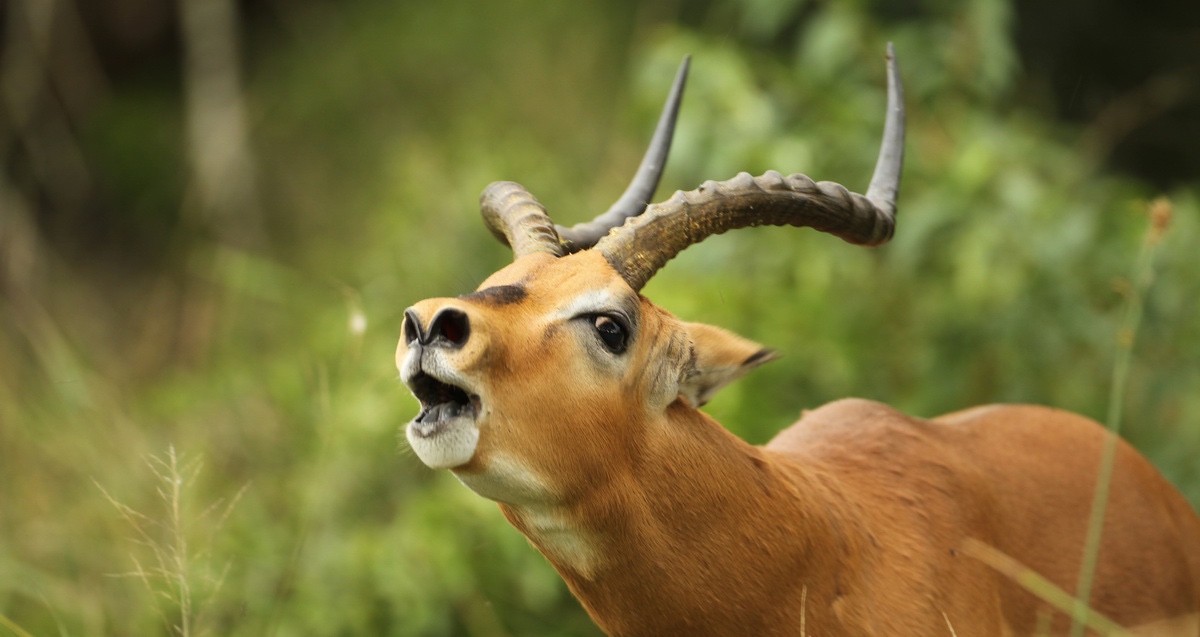
Male and female look very similar except that the males are larger and have horns. We are currently in the rutting season when males fight for their mating rights. During that time they also make incredible loud grunting noises to get ride of rivals and – I assume 😊 – to attract the ladies.
Enjoy your day and stay safe!

Wildlife4Kids
Thanda Tales
My Online Gallery
My YouTube Channel
http://www.youtube.com/christiansperkaphotography
#Christiansperkaphotography @christiansperkaphotography #thandasafari @thandasafari
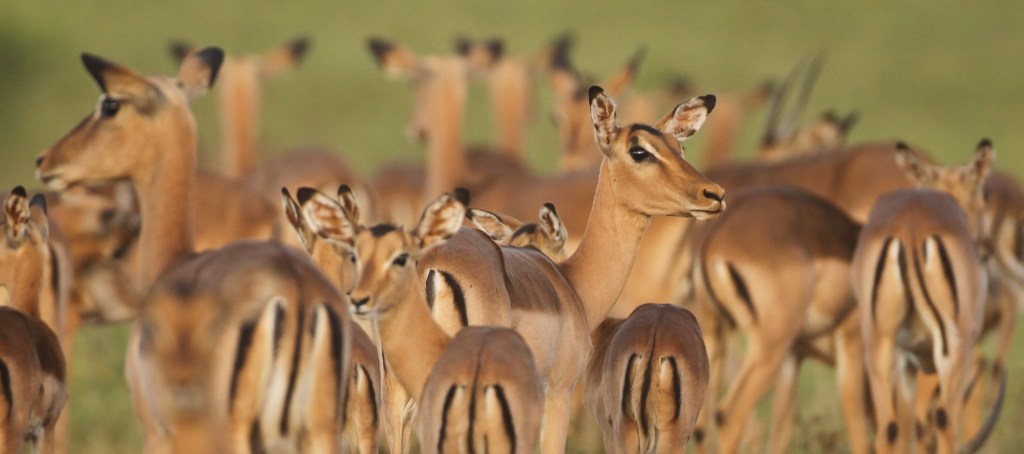
Impalas in the afternoon sun!
Theses medium-sized antelopes are found in eastern and southern Africa.
One of the reasons why they usually look so immaculate is because they have a special dental arrangement on the front lower jaw similar to the tooth-comb. This is used for what is called allogrooming. Individuals are ‘combing’ one another’s fur on the head and the neck to remove parasites.
Have a good week 😊
#Christiansperkaphotography @christiansperkaphotography #thandasafari @thandasafari
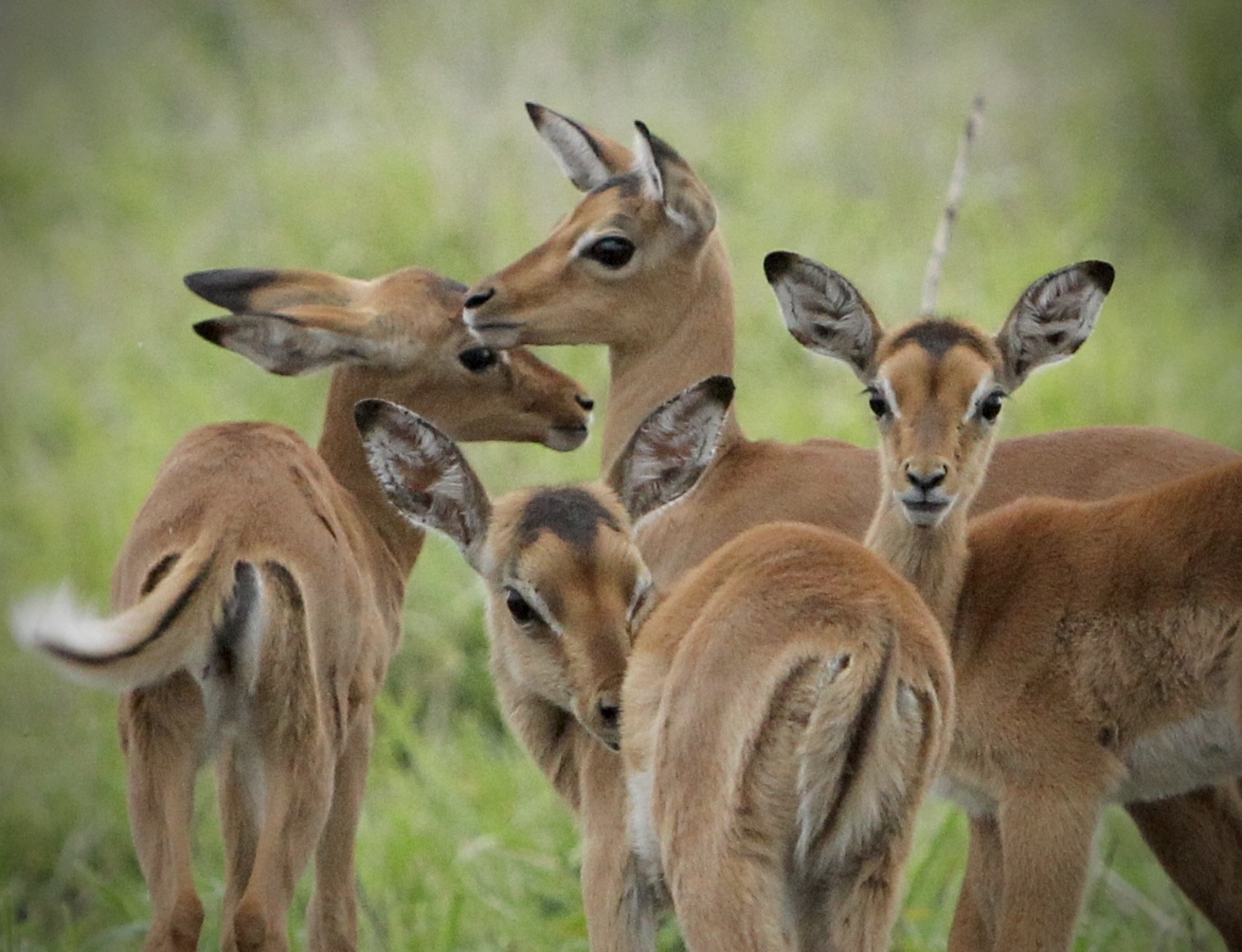 Have you ever wondered why Impalas usually look so immaculately groomed?
The answer is allogrooming (grooming one another with specially designed teeth). Impalas appear to be the only ungulates to display self-grooming as well as allogrooming.
I took this picture of a group of recently born and very cute Impala fawns during this afternoon game drive.
Have a good week!
#Christiansperkaphotography @christiansperkaphotography #thandasafari @thandasafari
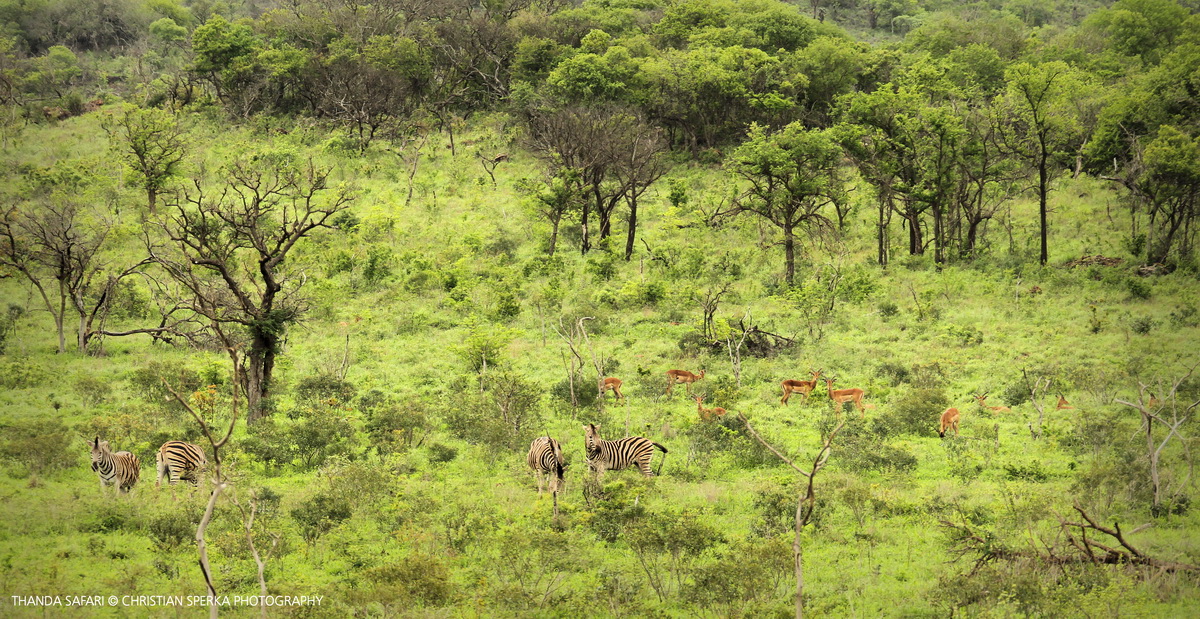
Green everywhere! I had almost forgotten how beautiful Thanda looks when it turns green after some decent rain falls. Since the start of this rainy season we had over 150 mm rain and in just a few days the reserve has turned from brown&grey to green.
Even the behavior of many animals has changed almost over night. Where during the drought they had to spent most of their day to find food and water, they now have extra time to chase one another and be just idle once in a while.
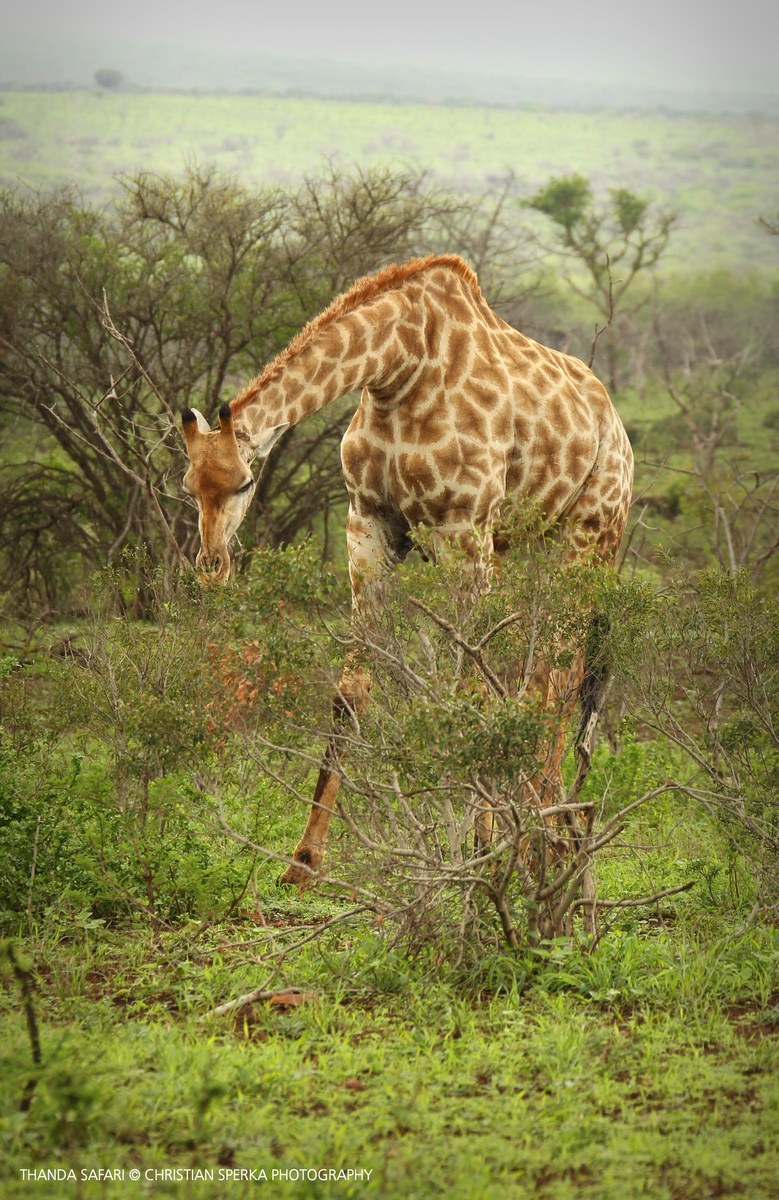
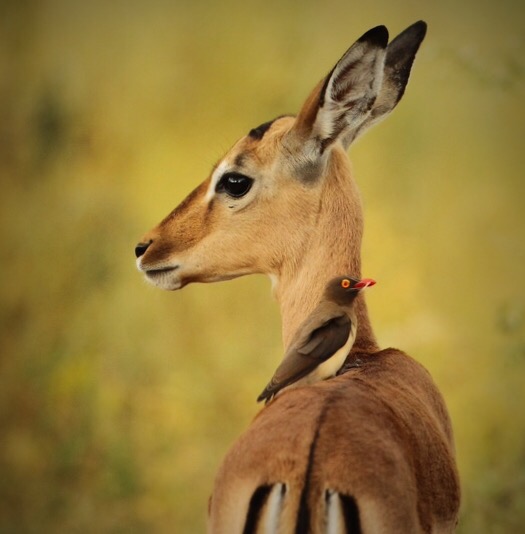
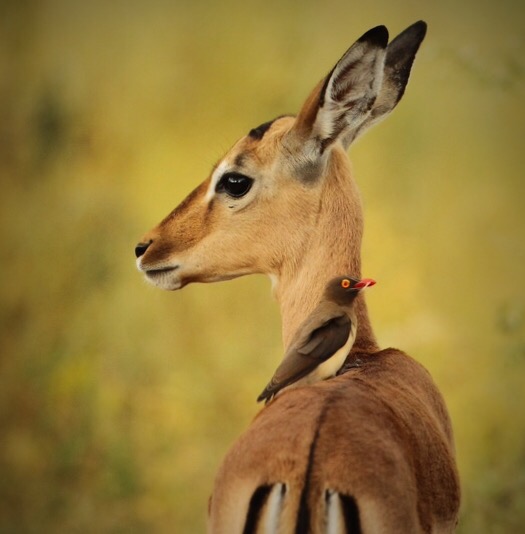
An Impala and a Red-billed Oxpecker – An example for a mutualistic symbiosis, a relationship beneficial to two interacting species.
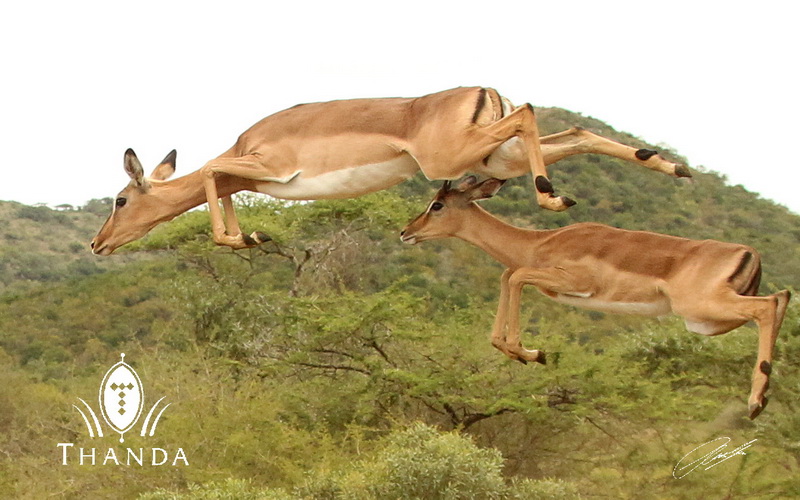
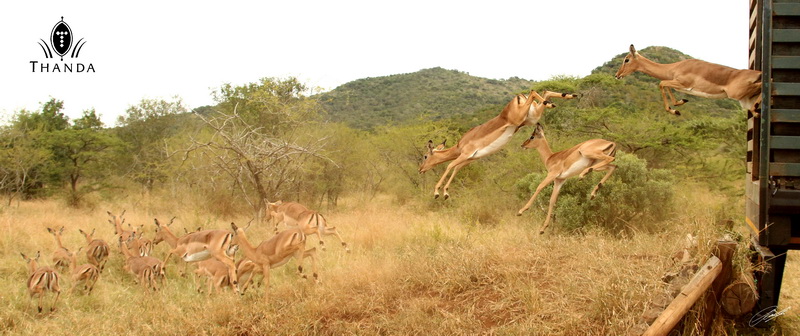
Hundreds of additional Impalas, Wildebeest, Nyala, Zebra and Kudus are arriving over the next few weeks at Thanda Private Game Reserve. This large number of additional plains game will enhance the excellent Thanda Game Drive Experience even further. Besides seeing the Big Five on daily drives it is very exciting to see large groups of these herbivores roaming on the reserve.
Thanda will also receive additional Cape Buffalo Bulls. Together with over 30 Buffalo birth in this rainy season, this will bring the number of Buffalo at Thanda to well over 160.
The images show the release of Impala and Wildebeest onto the reserve…
… and this is a link to a short video from one of the Impala arrivals: http://www.youtube.com/watch?v=67OVEjBepFw

Today’s image is a portrait of an Impala ram. Impalas are the most common antelopes on Thanda. They have a special dental arrangement on the front lower jaw similar to a tooth-comb which is used during grooming to comb the fur and remove parasites – hence their impeccable appearance 🙂
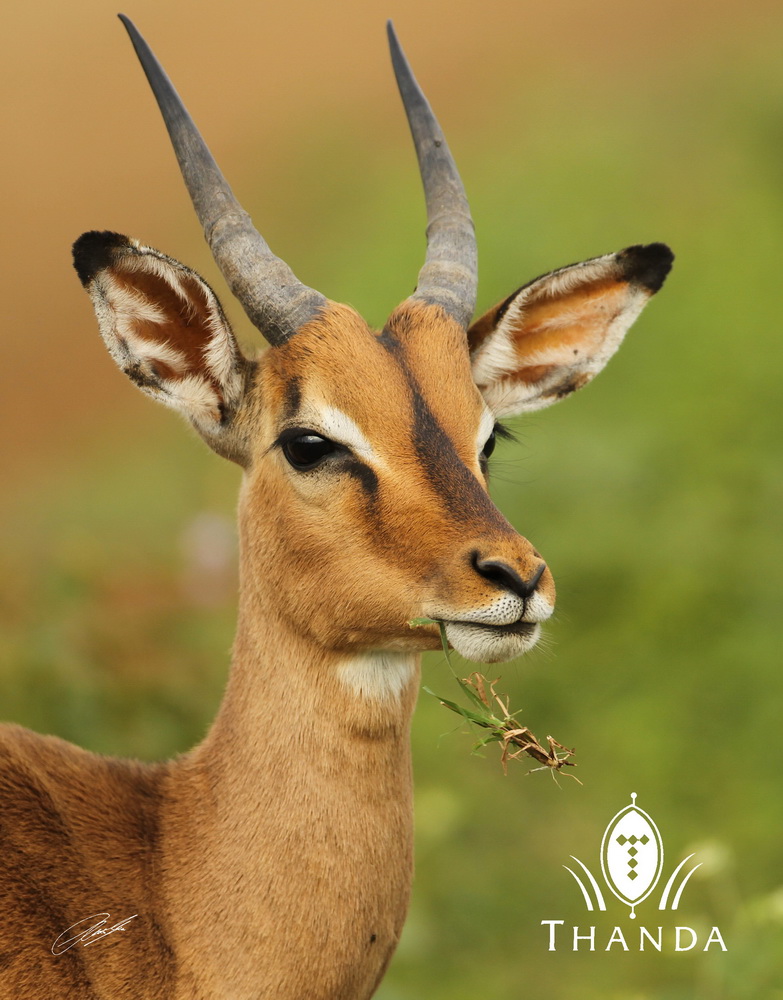
This image is part of my “Without the Five” series:
Each image will features a species, which is usually not in the safari limelight. So they will be no images of Lions, Leopard, Elephants, Rhinos, Buffalo, Cheetahs …
Enjoy the “without the Five” series
 Christian Sperka Photography | Custom Luxury Tours