
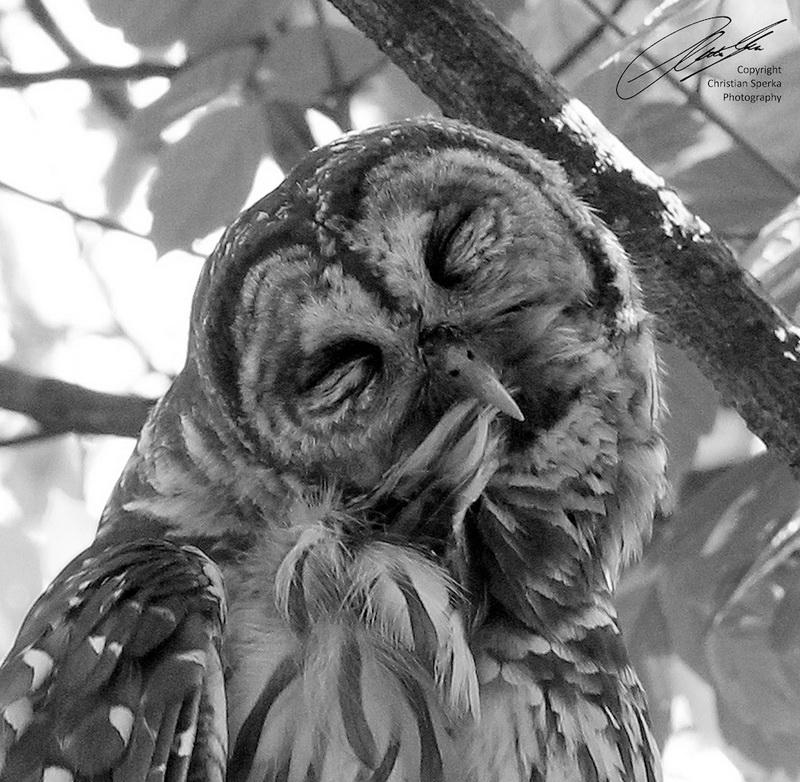
Today I got quite a few interesting shots during my morning walk at Radnor Lake (Nashville, Tennessee, USA).
Enjoy the Owl, the Turtles and the Duck 🙂

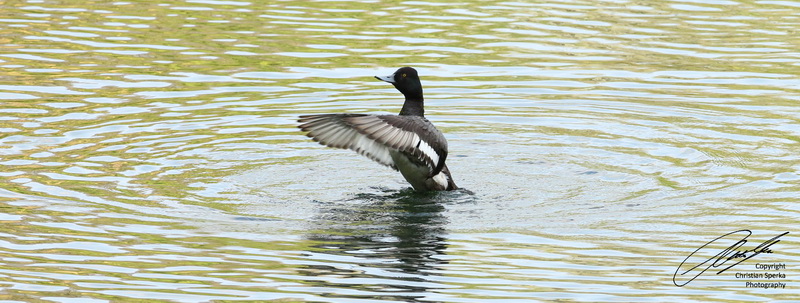

Today I got quite a few interesting shots during my morning walk at Radnor Lake (Nashville, Tennessee, USA).
Enjoy the Owl, the Turtles and the Duck 🙂
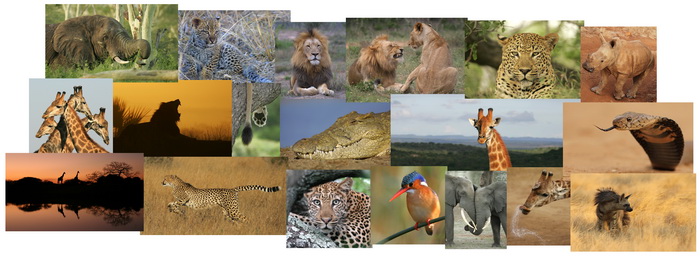
At my last event at the April First Saturday Gallery Crawl I will show one hundred of my best African wildlife images at the Arcade in downtown Nashville. These images were taken during my 20 trips to Southern Africa over the last ten years.
A reception with drinks and “nibbles” will be held from 2p.m. to 6.pm. for all of you receiving this invitation :-). The offical gallery crawl will start at 6p.m. and last until 9p.m.
When: Saturday, April 7, 2012 from 2p.m. to 9p.m.
Where: Christian Sperka Photography / Animal Art Photography Gallery at the Arcade [Downtown Nashville in the block between Church and Union Streets and 4th and 5th Avenues]
My gallery will close on April 8, 2012. Amiee Stubbs, the new Official Nashville Zoo Photographer, will open her new gallery at the same location during the June First Saturday Gallery Crawl. See amieestubbs.com.
PS: A few people have asked me what they could get me as a good-bye present for my move to South Africa. As I will have stringent luggage and shipment restrcitions I suggest for those who want, that they could contribute to my “African Vehicle Fund” = small contributions to buy my first vehicle in SA. But, the best gift would be for you to come on Saturday, April 7, and enjoy the afternoon and evening with me!
[View all Pictures of the Week 2012]
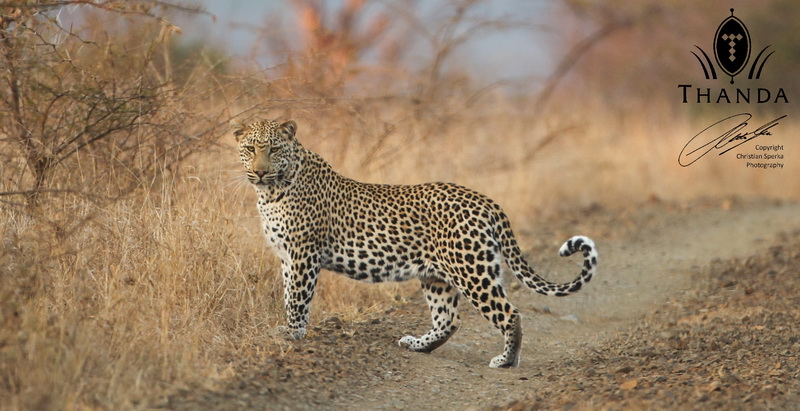
I was very surprised when, on one of my first game drives at Thanda Private Game Reserve in 2010, this male Leopard crossed our path just as we left the lodge.
In Kwazulu Natal Leopards are usually very shy and are very hard to view, as they are still prosecuted by humans in many areas. Unlike in the Kruger National Park and the surrounding game reserves the Leopards in this part of South Africa have not be habituated to “non-threatening” human presence over many decades.
For more leopard images from my various trips to southern Africa go to www.sperka.biz/leopard.
I will start working at Thanda Private Game Reserve in June 2012.
[View all Pictures of the Week 2012]
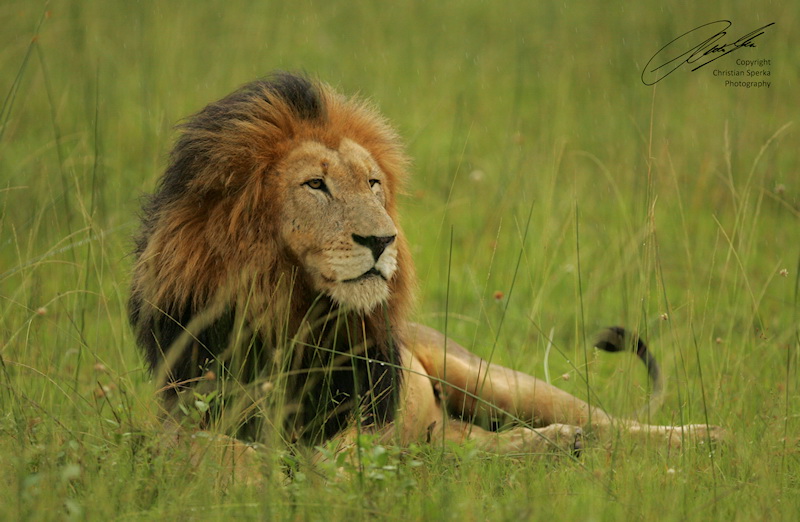
Between 2002 and 2008 I have taken hundreds of pictures of this beautiful male Lion. He was the dominant male of the Phinda North Pride for many years and whenever I think about Lions I first think about him.
Together with my friend and field guide Mike Karantonis I spent many days and sometimes part of the nights watching him grow older and stronger. In 2009 a coaltion of three younger males replaced him as the dominant male of the pride.
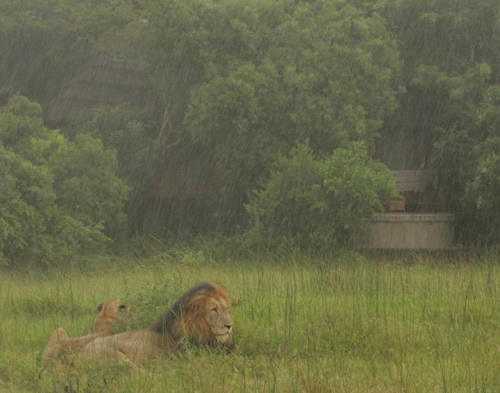
I took this picture in December 2006 in the streaming rain (see also the second picture taken at the same time) in front of my room at Phinda’s Vlei Lodge.
About male Lions:
Male lions are not lazy. They have a very tough life. Only one out of ten males makes it to full maturity. Once their father has evicted them, they have to fight other male Lions for a few years. The very few that get not killed in this harsh selection process may become the dominant male of a pride after they successfully drive away or kill the previous “boss”.
Male Lions do usually not participate in hunts because they are very visible with their large mane and would make it much easier for the prey to “get wind” of the hunt. They also have to preserve their strength and avoid to get insured in a hunt, because they have to defend their pride towards other males and prides. It is in the interest of the whole pride that they are capable of doing so, because if another male manages to take over, the first thing he will do is to kill all the young lions of the pride (up to two years old). For the same reason it makes sense that male Lions eat first and plenty at each kill to make sure that they stay strong for any upcoming fights.
Picture Data:
Picture 1: Camera: Canon 1D MII / Lens: Canon L 2.8 300mm / Mode: AV / Shutter Speed: 1/400s / Aperture: f/2.8 / ISO: 800 / Exposure Correction -0.33eV / Metering: Central weighted / White balance: manual K6500 / Time: early morning / Freehand
Picture 2: Camera: Canon 1D MII / Lens: Canon L 28-300mm at 78mm / Mode: AV / Shutter Speed: 1/100s / Aperture: f/4.5 / ISO: 400 / Exposure Correction -0.33eV / Metering: Central weighted / White balance: manual K6500 / Time: early morning / Freehand
For more Lion pictures got to
www.sperka.biz/lion (for African Lion)
www.sperka.biz/lion2 (for African Lion in zoos)
www.sperka.biz/lion3 (for Asiatic Lion)
Today I got a very good question from one of my blog readers about the “closeness” to animals on game drives (see comment and answer on the post MORNING MIST).
Here are two pictures of a case when the animal chose to come so close to our vehicle, that we made the decision to get out of the way :-). The second picture is taken from a considerable distance. The Elephant Bull past us quietly!
In the first picture you can see the dashboard of the car and the Elephant. It was pretty close.
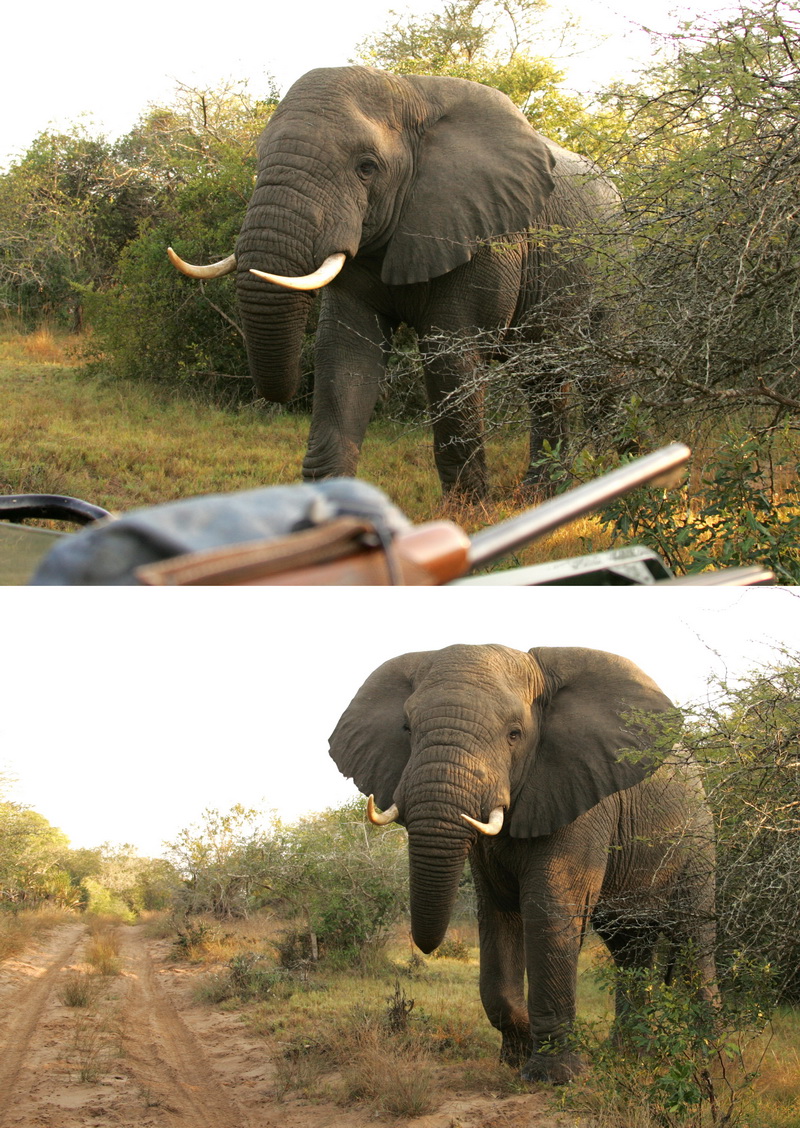
Picture 1: Camera: Canon 1D Mark IV / Lens: Canon L 17-40mm at 28mm / Mode: AV / Shutter Speed: 1/320s / Aperture: f/4 / ISO: 400 / Exposure Correction +/-0.00eV / Metering: Central weighted / White balance: Auto / Time: winter morning / Freehand from vehicle
Picture 2: Camera: Canon 1D Mark IV / Lens: Canon L 17-40mm at 40mm / Mode: AV / Shutter Speed: 1/320s / Aperture: f/4 / ISO: 400 / Exposure Correction +1.00eV / Metering: Central weighted / White balance: Auto / Time: winter morning / Freehand from vehicle
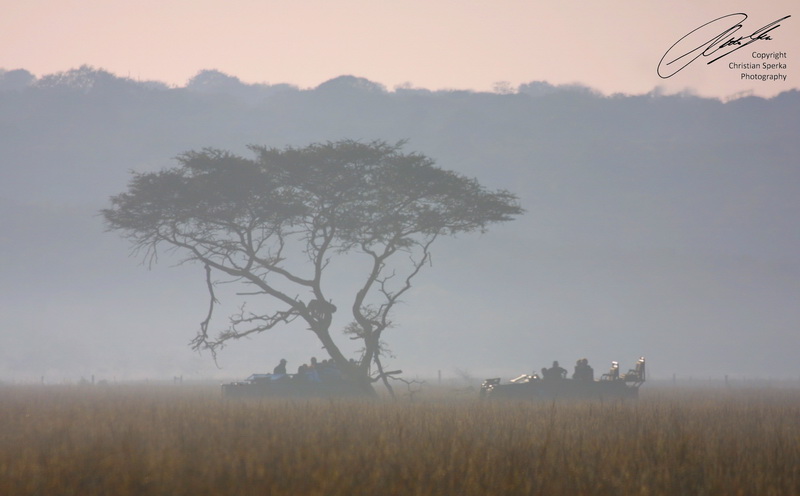
This is another scenic shot with an animal in it. But you have to look very carefully to detect the Cheetah in the tree.
Two groups enjoy this Cheetah sighting in the morning mist from their game viewing vehicles.
This pictures was taken at Phinda Private Game Reserve, South Africa.
Picture Data: Camera: Canon D30 / Lens: Canon L 100-400mm at 400mm / Mode: AV / Shutter Speed: 1/1000s / Aperture: f/5.6 / ISO: 100 / Exposure Correction +/-0.00eV / Metering: Central weighted / White balance: Auto / Time: winter morning / Freehand
[View all Pictures of the Week 2012]
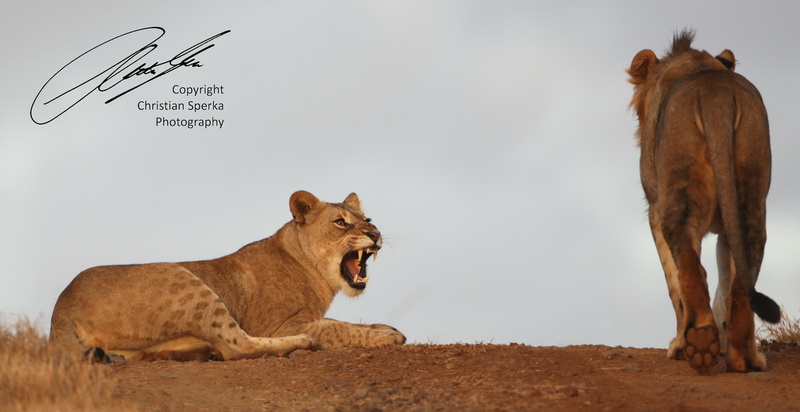
Most of the time you see a picture of a lion with an open mouth the animal is either yawning or flehming. It may look threatening and intimidating but it really is neither.
The young lioness in this pictures shows that she is quite upset. She is growling at two young males (one of them in the picture), which were part of a different pride, who walked quietly past her in a show of dominance.
This scene was part of an encounter of the juvenile offspring from two prides on Thanda Private Game Reserve (2 males and one female on both sides). This happened while the adult females of each pride were absent.
During the time we watched the encounter there were no open hostilities, just lots of territorial marking behavior, many growls and fierce facial expressions (as the one in the picture 🙂
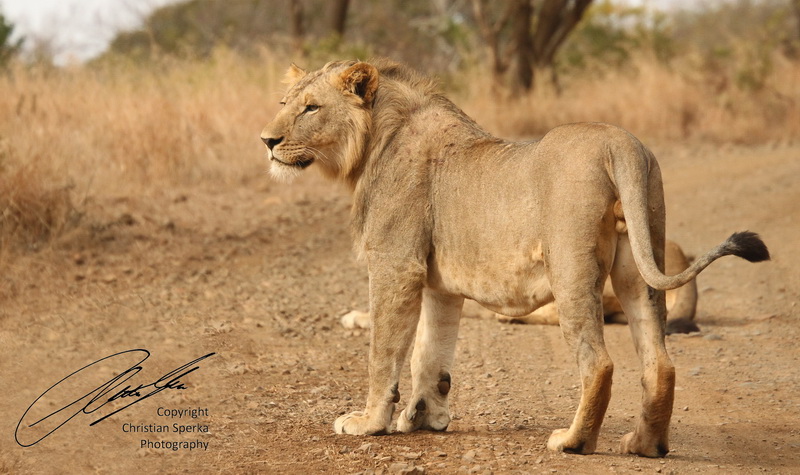
But the next day the males of both prides showed obvious signs of a night battle (wounds from claws on his shoulder – see the picture below).
More about lions:
Both males and females defend the pride and its territory against intruders. The male(s) associated with the pride must defend their relationship to the pride from outside males who attempt to take over their relationship with the pride. Females form the stable social unit in a pride and do not tolerate outside females. Membership only changes with the births and deaths of lionesses, although some females do leave and become nomadic and/or form a new pride. Sub-adult males on the other hand, must leave the pride when they reach maturity at around 2–3 years of age.
Picture Data:
Picture 1: Camera: Canon 1Ds MIII / Lens: Canon L 4.0 500mm / Mode: AV / Shutter Speed: 1/500s / Aperture: f/4 / ISO: 400 / Exposure Correction +1eV / Metering: Central weighted / White balance: manual K6500 / Time: midday / Freehand
Picture 2: Camera: Canon 1D MIV / Lens: Canon L 3.5-5.6 28-300mm at 210mm / Mode: AV / Shutter Speed: 1/4000s / Aperture: f/5.6 / ISO: 1600 / Exposure Correction +0.5eV / Metering: Central weighted / White balance: manual K6500 / Time: mid morning / Freehand
For more Lion pictures got to
www.sperka.biz/lion (for African Lion)
www.sperka.biz/lion2 (for African Lion in zoos)
www.sperka.biz/lion3 (for Asiatic Lion)

One of my favorite methods to turn a realistic and natural image into a more “artsy” object is by turning it into an EYES portrait.
My definition of an EYES portrait is a picture where the eyes were left in the original color and the rest of the images is turned into a black and white image.
Here are the steps I usually use to accomplish this (this can be done in Photoshop, Paintshop Pro and many other image editing programs).
1. Crop the image to your liking and save it under a new name (This is to ensure that you do to overwrite the original image 🙂
2. Copy the complete image onto the windows clipboard
3. Create a new top layer (raster) and switch to that new top layer
4. Paste you complete image to the top layer
5. Hide the top layer
6. Switch to the background layer and adjust brightness and contrast so the eyes are as you want them
7. Unhide the top layer and switch to that layer
8. Turn the top layer into a black&white image (also adjust contrast and brightness to your liking)
9. Create a new masking layer
10. Unmask the eyes with the eraser tool (which will bring out the color from the background layer)
11. Save your image (and produce a JPG or other format as required)

These EYES images look particularly well on canvas or on metallic paper.
Here is a link to some of my EYES pictures: http://www.sperka.biz/eyes
Please feel free to make comments or ask any questions (either as comments on the blog message or as emails to info@sperka.com.
Information about the two images used in this blog:
The Leopard image was taken at Londolozi Private Game Reserve in South Africa (during heavy rain :-).
The Boehlen’s Python images was taken in Nashville, Tennessee, USA (she is part of a private collection).
[View all Pictures of the Week 2012]

This is a picture of a Black Rhino browsing in the rain at Phinda Private Game Reserve, Kwazulu Natal, South Africa.
If you would like to order a print of this image go to http://www.sperka.biz/potw2012/h31e582f6#h31e582f6
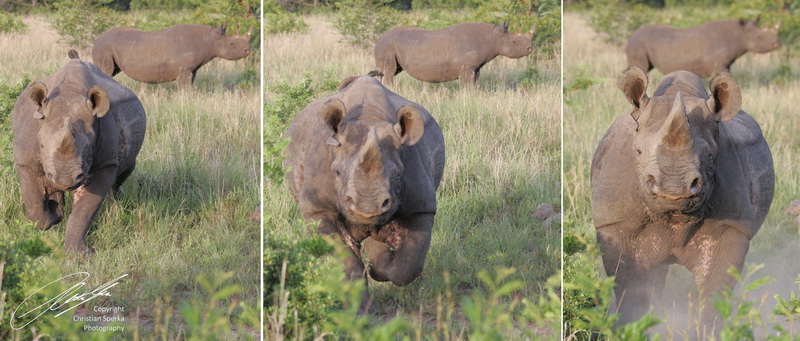
The first time I took pictures of a Black Rhino mock-charging our car I did not take pictures 🙂 My adrenaline level was high and I had visions of a horn coming through the side of the car. But, after a few of these “show” attacks I was able to get these pictures.
For more Black Rhino pictures go to www.sperka.biz/blackrhino
Picture Data (Browsing in the Rain):
Canon 1D Mark II, Canon L 100-400mm at 400mm, Freehand from vehicle, Mode AV, ISO 800, f/5.6, 1/125sec, Exposure compensation +/-0eV, AWB, Focus center point only
About Black Rhinoceros:
The Black Rhinoceros or Hook-lipped Rhinoceros (Diceros bicornis), is a species of Rhinoceros, native to the eastern and central areas of Africa including Kenya, Tanzania, Cameroon, South Africa, Namibia, Zimbabwe, and Angola. The species overall is classified as critically endangered, and one subspecies, the Western Black Rhinoceros, was declared extinct by the IUCN in 2011.
An adult Black Rhinoceros stands 132–180 cm (52–71 in) high at the shoulder and is 2.8–3.8 m (9.2–12 ft) in length. An adult typically weighs from 800 to 1,400 kg (1,800 to 3,100 lb), however unusually large male specimens have been reported at up to 2,900 kg (6,380 lb).
Females are smaller than the males. Two horns on the skull are made of keratin. These horns are used for defense, intimidation, and digging up roots and breaking branches during feeding. The Black Rhino is smaller than the White Rhino, and has a long, pointed, and prehensile upper lip, which it uses to grasp leaves and twigs when feeding.

Bald Eagle on the Banks of the Mississippi.
This week I gave two presentations at the Paducah Photography Club in Kentucky, USA and at the Northwest Tennessee Photography Club in Martin, TN, USA.

This gave me the opportunity to take pictures at the Land between the Lakes in Kentucky, at Reelfoot Lake and on the Banks of the Mississippi.
This is a link to the pictures I took during the two days. Thanks to Donna, Melanie, Roy, Roger and Richard for their hospitality and for showing me around their “home territory”!
SLIDESHOW: http://www.sperka.biz/lblrl/slideshow
Enjoy the pictures.
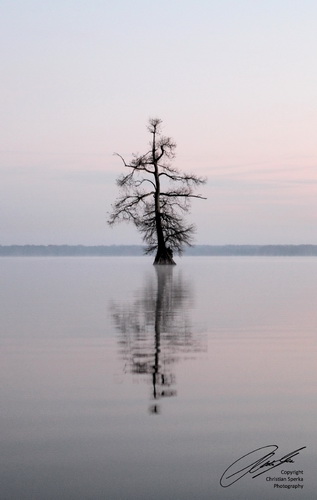
Reelfoot Lake
 Christian Sperka Photography | Custom Luxury Tours