Let’s talk about big cats – the honorary members!

Beside the five official members of the genus Panthera (Tiger, Lion, Jaguar, Leopard and Snow Leopard) there are five more cat species which do not quite fit into the ‘small cat definition’ as they are rather large and/or have very special features. I will introduce these over the next few days.

Today it is my two favorite cat species: The Clouded Leopards (Neofelis.nebulosa and Neofelis.diardi)

They have large, paws with adapted footpads for gripping branches. Specialized anklebones allow varied position for climbing, including climbing headfirst down trees. Another distinctive feature is their very long canine teeth. For a long time they were considered the ‘link’ between small and big cats. Today they are classified as big cats, but are still within their own genus. Neofelis with its two species the Mainland Clouded Leopard (Himalayas/SouthEast Asia/China) and the Sunda Clouded Leopard (Borneo/Sumatra) are considered arboreal cat species (living in trees).

#Christiansperkaphotography @christiansperkaphotography

#nashvillezoo
Let’s talk about big cats – the honorary members!

Beside the five official members of the genus Panthera (Tiger, Lion, Jaguar, Leopard and Snow Leopard) there are five more cat species which do not quite fit into the ‘small cat definition’ as they are rather large and/or have very special features.

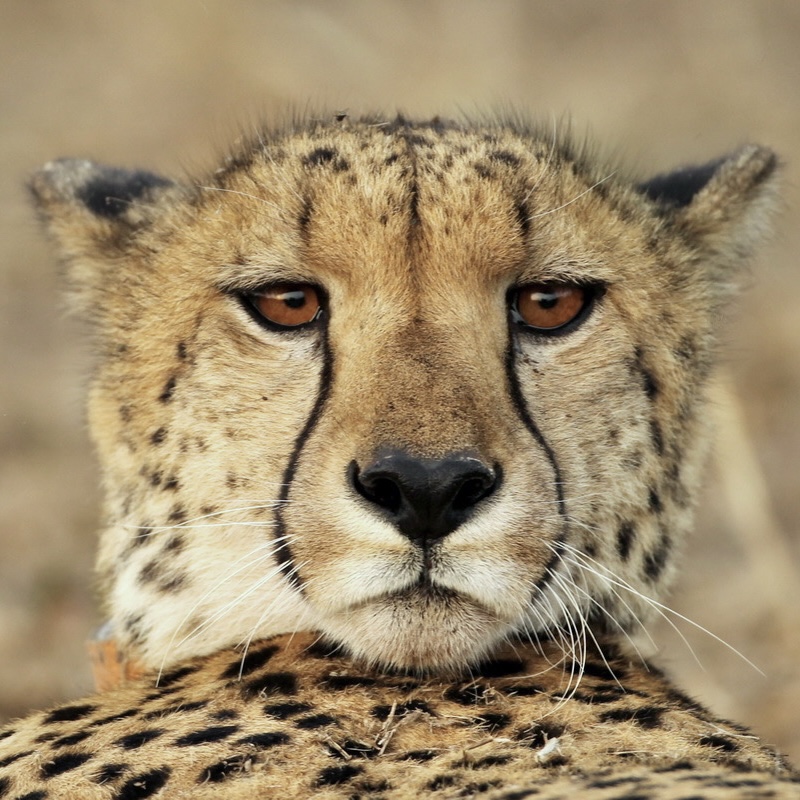
I will introduce these over the next few days. Let’s start today with the fastest land animal: The Cheetah (Acinonyx jubatus).

It is the only cat fully adapted for speed instead of power. It cannot roar and misses other big car traits. It is therefore classified in its own genus. I took this Cheetah portrait a few years ago at Thanda Safari.

#Christiansperkaphotography @christiansperkaphotography #thandasafari @thandasafari

Let’s talk about big cats IV

The five members of the genus Panthera are also called the ‘big cats’. Cat species number 4: The Leopard (p.pardus).

They occur in Africa and Asia and are listed as vulnerable on the IUCN Red List because Leopard populations are threatened by habitat loss and fragmentation, and are declining in large parts of their range.

Picture taken in the Sabi Sands Game Reserve.

#Christiansperkaphotography @christiansperkaphotography

Let’s talk about big cats V

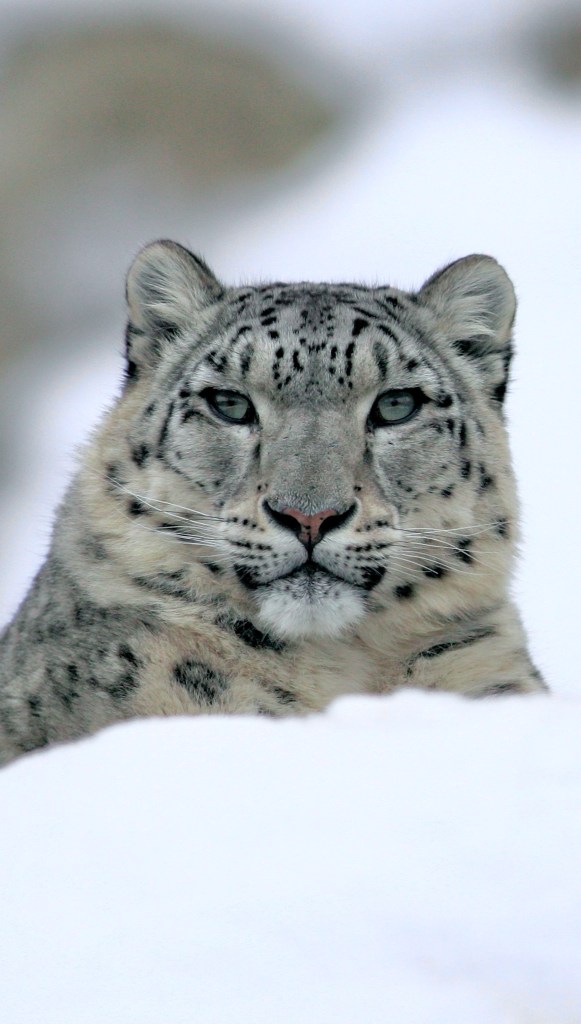
The five members of the genus Panthera are also called the ‘big cats’. Cat species number 5: The *Snow Leopard* (p.Uni a).

They show various adaptations for living in a cold, mountainous environment. Its small ears help to minimize heat loss. Its broad paws well distribute the body weight for walking on snow, and have fur on their undersides to increase the grip on steep and unstable surfaces. Its long and flexible tail helps to maintain balance in the rocky terrain. The tail is also very thick due to fat storage, and is covered in a thick layer of fur, which allows the cat to use it like a blanket to protect its face when asleep.

This picture I took at the Zurich Zoo, Switzerland.

#Christiansperkaphotography @christiansperkaphotography

Let’s talk about big cats III

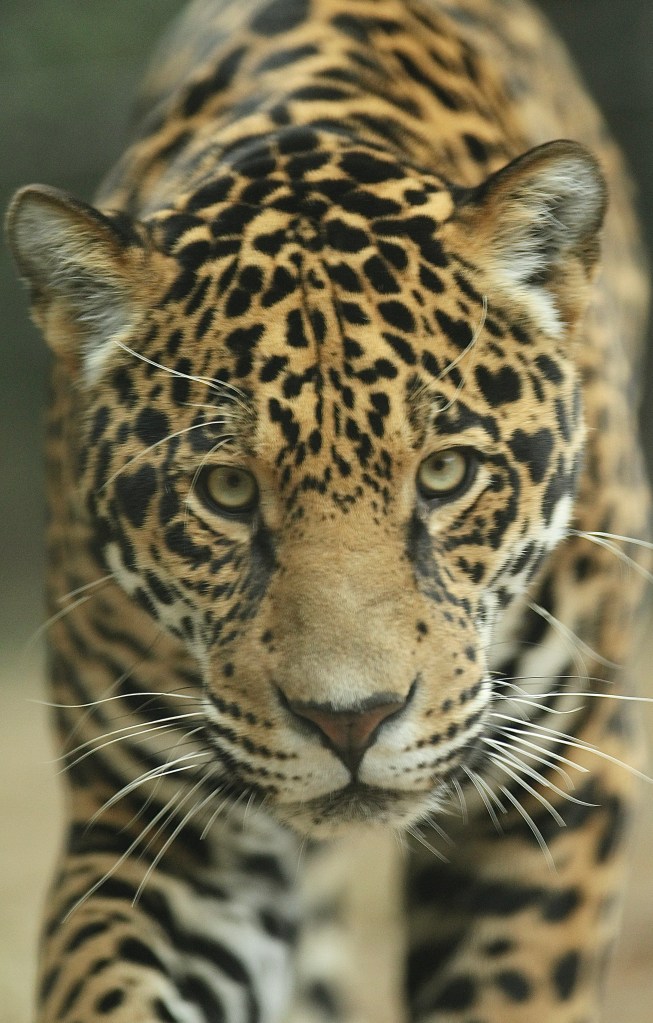
The five members of the genus Panthera are also called the ‘big cats’. Cat species number 3: The Jaguar (p.onca).

It is the only large cat native to the Americas. While the Jaguar closely resembles the Leopard, it is generally more robust, with stockier limbs and a squarer head.

#Christiansperkaphotography @christiansperkaphotography

Let’s talk about big cats II

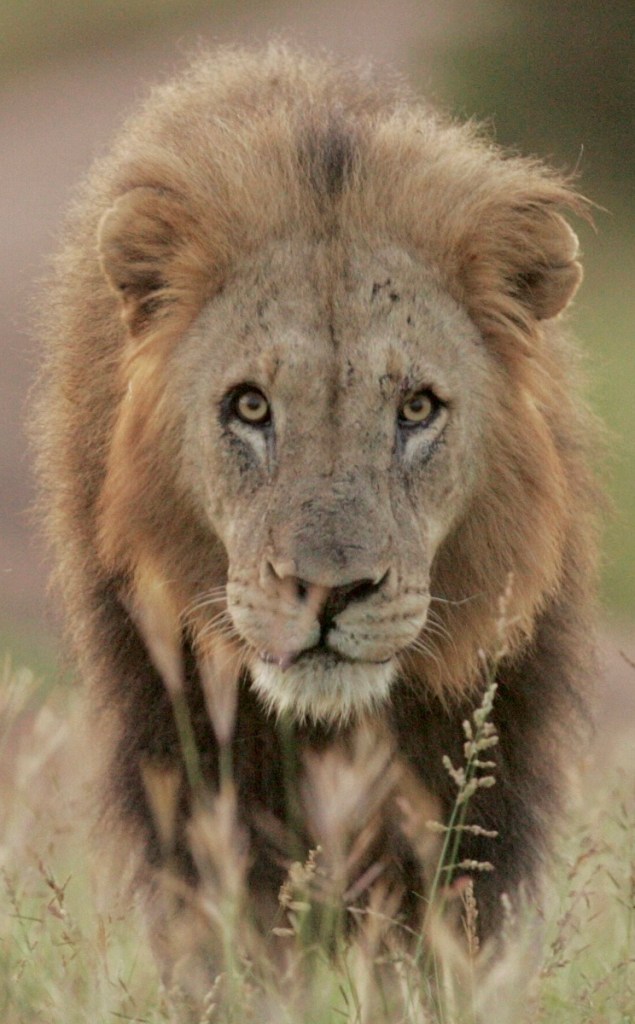
The five members of the genus Panthera are also called the ‘big cats’.

This is one of my favorite portraits of large cat species number 2, the Lion (p.leo). There are only two subspecies, African and Asiatic Lions and they are the only gregarious cat species living in family groups.

#Christiansperkaphotography @christiansperkaphotography

Let’s talk about big cats …

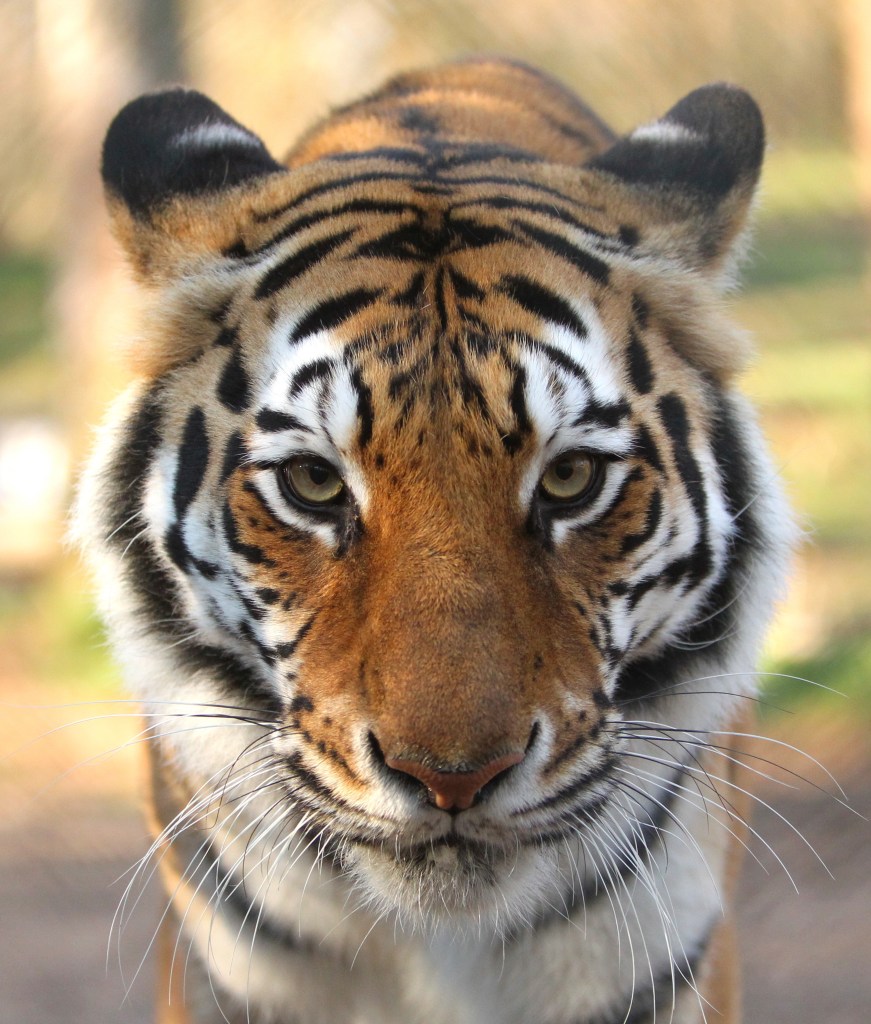
The five members of the genus Panthera are also called the ‘big cats’. The next few posts will feature my favorite portraits of each species.

Today I start with the largest living cats on earth: Tigers (P.tigris). Six subspecies (Bengal- , Sumatran-, Amur-, Indio-chinese-, Bengal-, South China- Tigers) still exist in the wild and all of them occur ‘naturally’ only in Asia even if some of these magnificent creatures have also been released in some game reserves in South Africa.

I took the portrait of this Bengal Tiger in 2012 at the Nashville Zoo, Tennessee, USA.

#Christiansperkaphotography @christiansperkaphotography #nashvillezoo @nashvillezoo
RELAXED

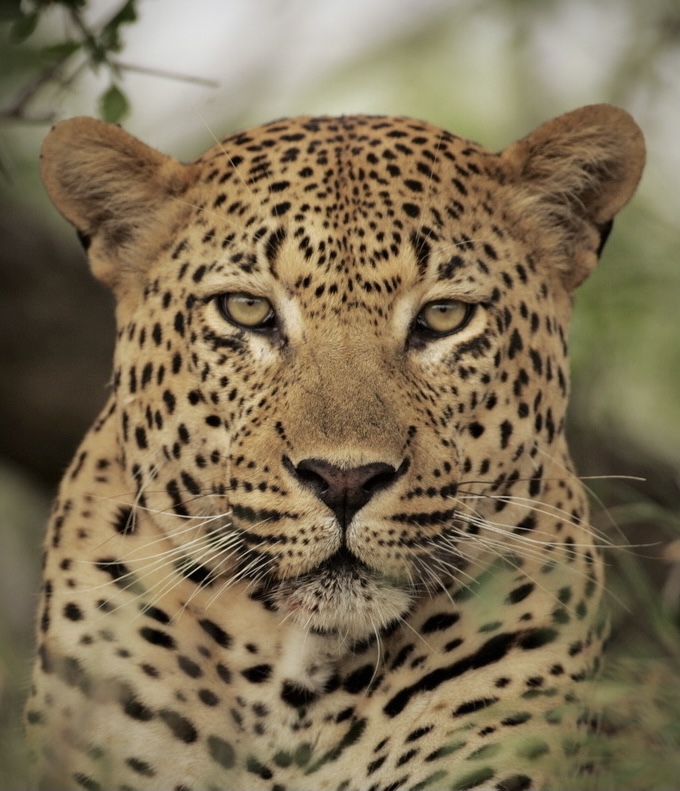
I love sitting with relaxed Leopards and observe these beautiful creatures observing me 😊

#Thandasafari @thandasafari #christiansperkaphotography @christiansperkaphotography

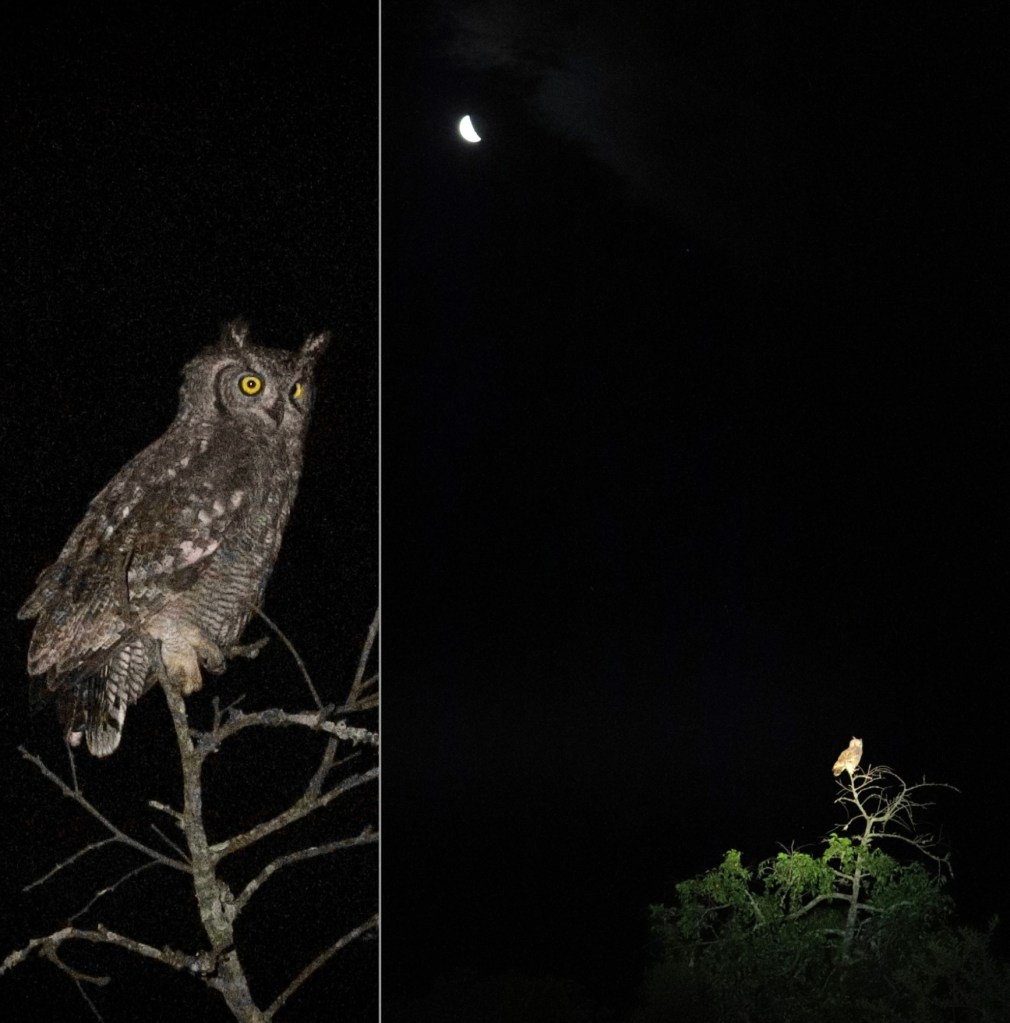
THE MOON AND THE OWL

It looks like the picture on the right has been photoshopped, but it has not. I took these pictures of a Spotted Eagle Owl under the bright moon yesterday evening. Thanks to two of the birding weekend guests at Pakamisa for holding the spotlights to illuminate the Owl.

#Christiansperkaphotography @christiansperkaphotography #pakamisagamereserve @pakamisagamereserve

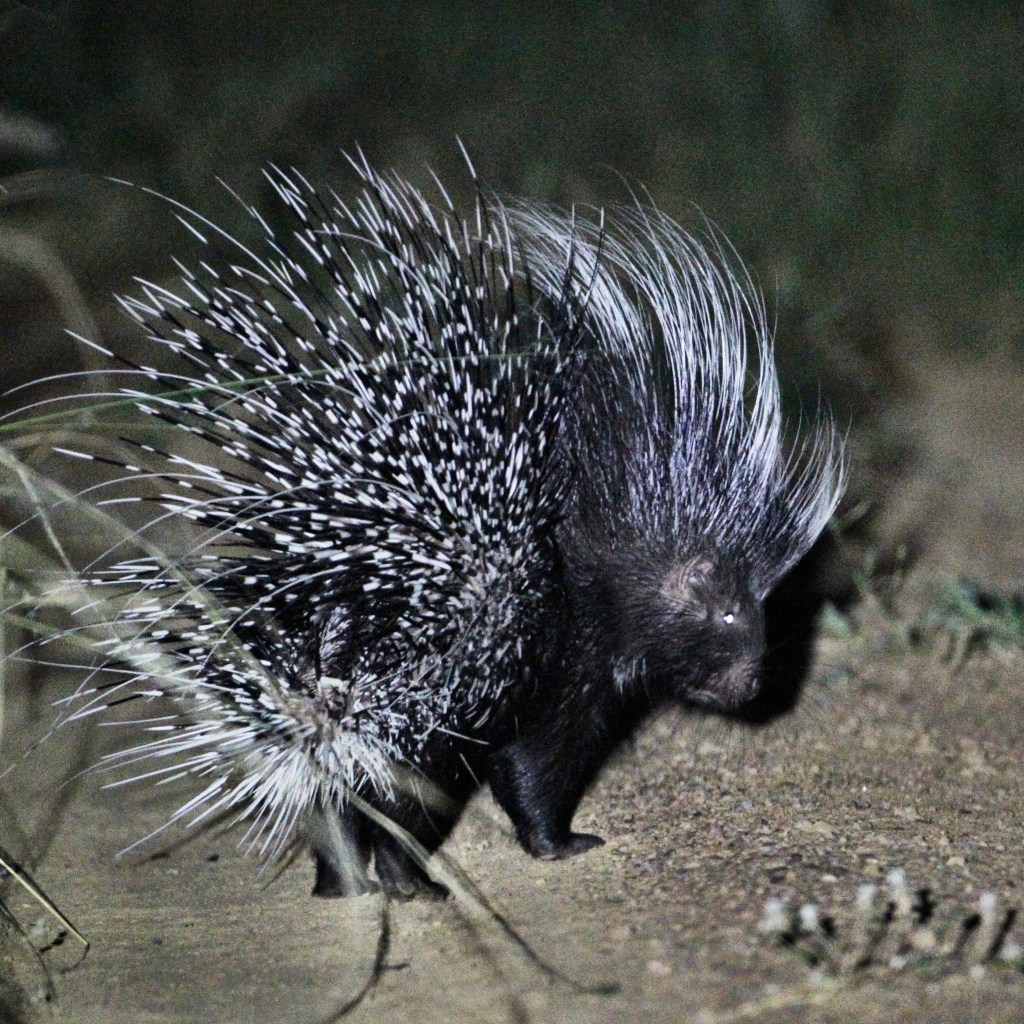
RARE AND PRICKLY

On the way back from a ‘Pakamisa Birding Weekend Owl spotting night drive’ we encountered this African brush-tailed Porcupine and its mate. It was quite relaxed and posed for a few pictures in the spotlight which is unusual for these prickly rodents. Its partner disappeared very quickly into the bush 😊

#Christiansperkaphotography @christiansperkaphotography #pakamisagamereserve @pakamisagamereserve