PAKAMISA and Back to Work!

Well, I thought seven days off is a lot of time. Not so!

I was busy with all kinds of things – but with very little wildlife. My car got its first (10,000km) service, I started the process to get a South African Driver’s license (back to driving school :-)), went to the dentist, and … and … and …

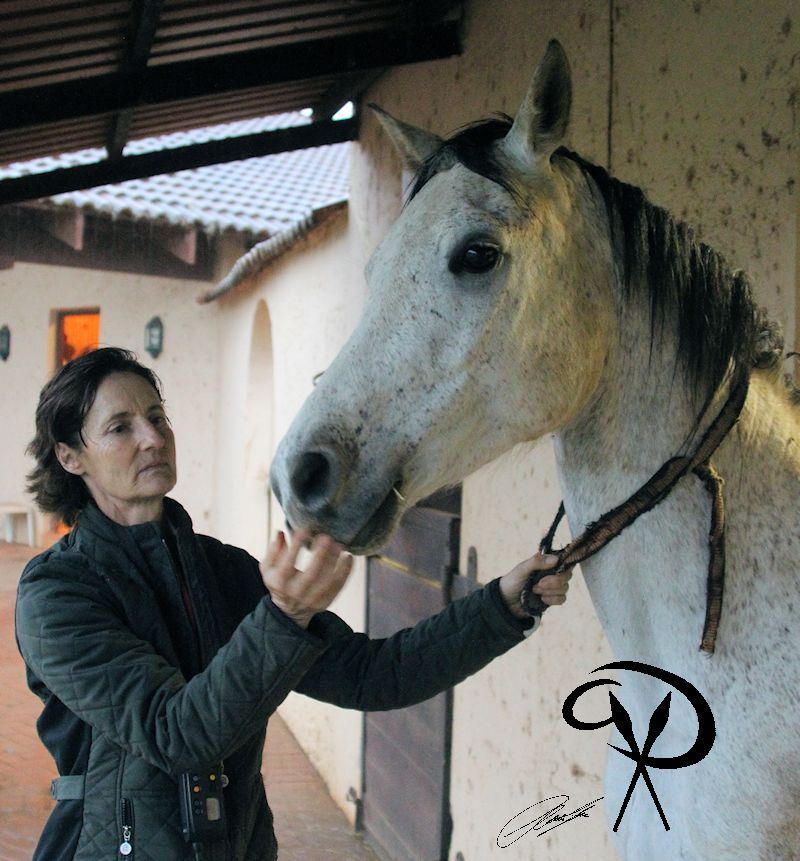
But, yesterday I got a bit of a break. I spent a night in a beautiful game reserve, specializing on horseback safaris. Its name is Pakamisa, which means “lift up” in Zulu. The lodge is located on top of a mountain near Pongola. Isabella Stepski (In the picture with one of her Arabian Horses) has created this very special place in Zululand.
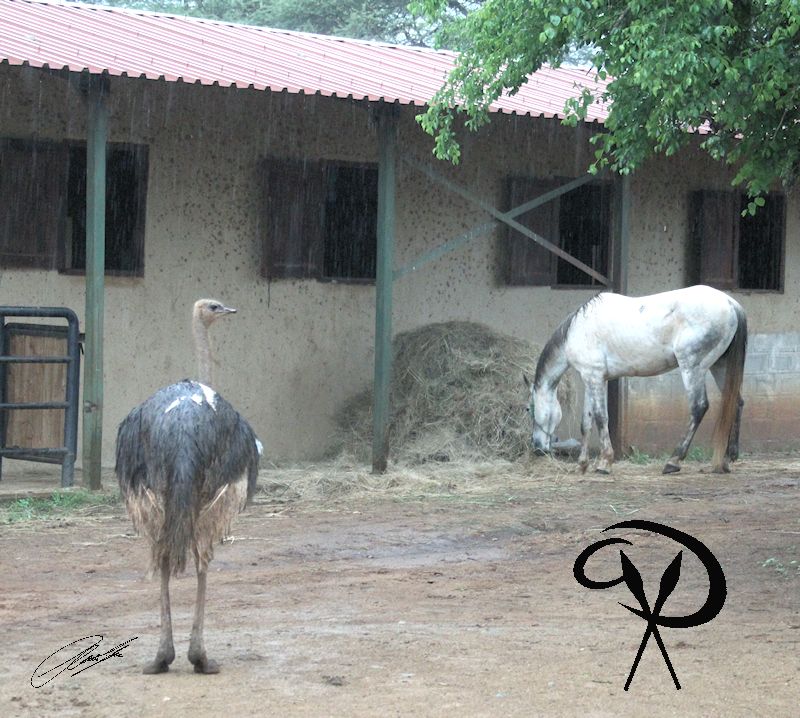
Well, don’t laugh, but the horses are not strong enough for a portly gentlemen like me (the rider weight limit is 90kg=200lbs), but I still enjoyed my stay very much. The weather was bad – it rained very hard – but we still went for a short game drive and had a look at the scenery and at the stables with over 30 horses (the picture shows one of the Horses with one of the free roaming Ostriches on the property).
Even if you have never been on horseback before, this special type of safari is a great addition to the traditional “big five game reserve” experience. I will certainly be back to take pictures in better weather :-). Have a look at Pakamisa’s website www.pakamisa.com!
Foamy Nest and Many Fathers :-)

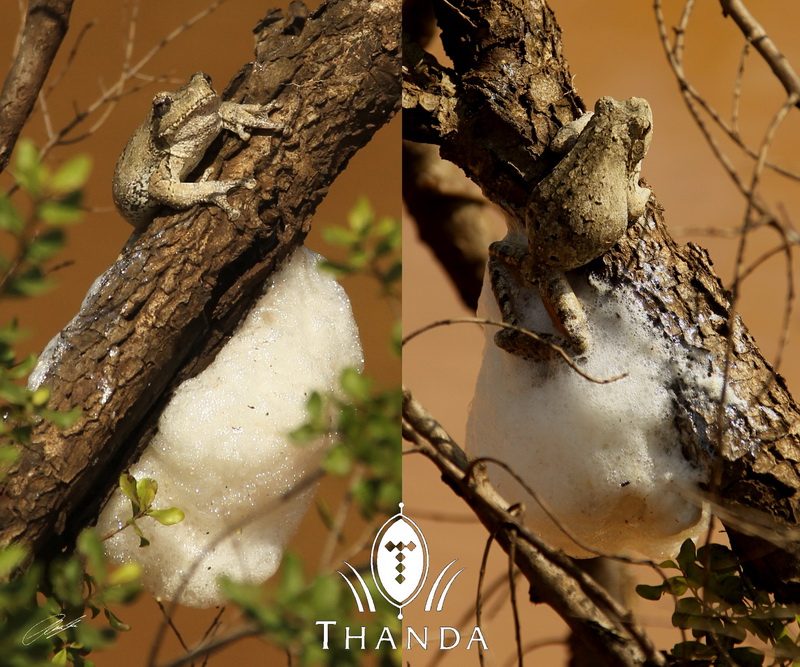
Nests of Foam-nest Tree Frogs are very important “bush signs”. These type of Frogs build bright white nests on branches above water. They mate in what is described as polyandry. The simultaneous polyandry begins when a female releases eggs onto a tree branch. Up to 12 males then cluster around her and fertilize the eggs by producing sperm which they whip into a foamy ‘nest’ with their hind legs.

These nests are warning signs for bush walkers. If one spots one of the nests one knows that there is a water body below, which – in the “hot season” often attract Buffalo,  Black Rhinos and other large mammals for a cooling mud bath. So whenever one sees these nests one should be extra careful walking in the area.

Elephant Road Block

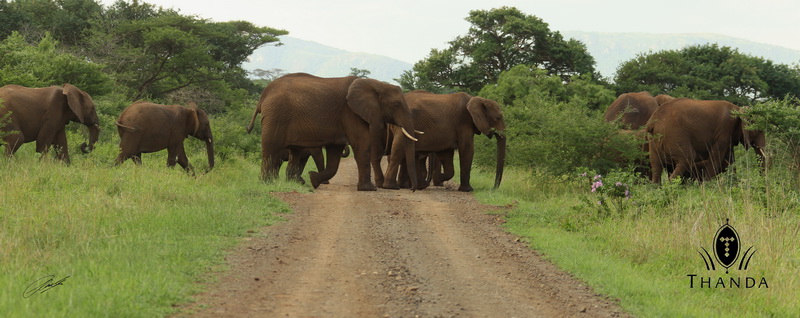
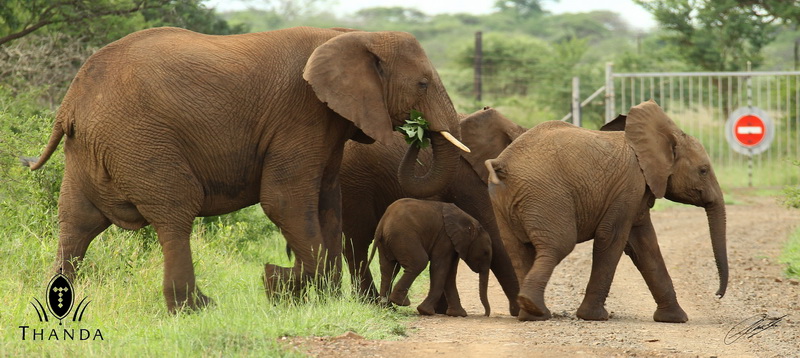
When I left Thanda House today to drive over to Base Camp I hit a bit of traffic. But my delay was not caused by other cars but by our herd of Elephants. And just as I stopped the car and got my camera out – never leave home without it 🙂 – our youngest herd member crossed the road. He got a bit excited and I could confirm that we got a little boy!

Hidden Treasures

This afternoon – after coming back from town –  I started working through the pictures I took during my trip to Mpumalanga.

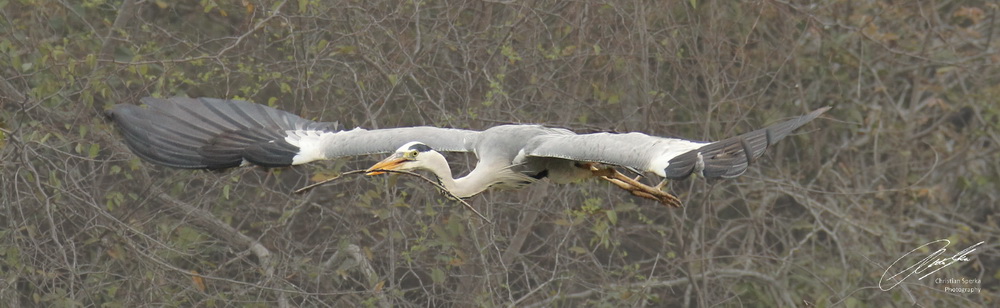
And I found a hidden treasure – the first picture is of a Grey Heron flying building material to its nest and the second is of one of its chicks. It was a very special sighting at Lake Panic – Kruger National Park – and I had forgotten all about it.

Expression


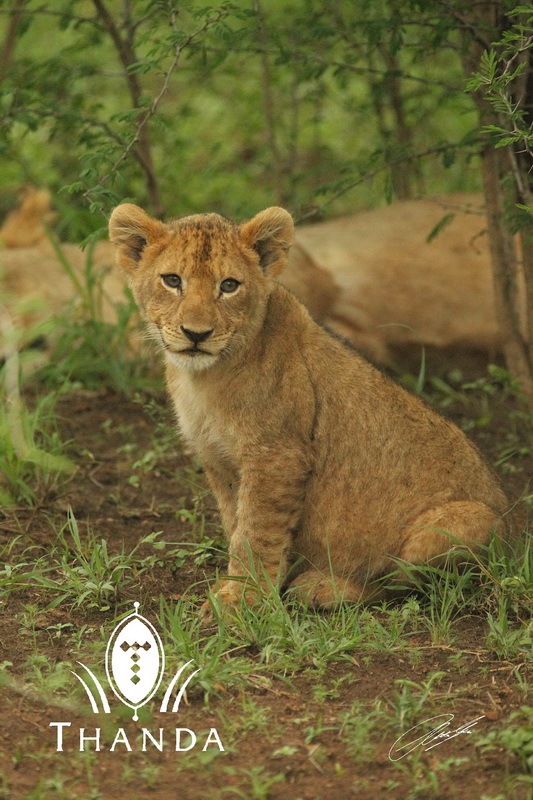
I was filing images today when I came across this one. I love the expression on the young Lion’s face. He had just finished eating on a Wildebeest kill.

Have a good Sunday!

Bush Statistics :-)

Today I put together my Thanda sighting report. I had a total of 183 major/special game sightings since I arrived at Thanda in June.

Here are the detailed numbers 🙂
42 x Lions / 40 x Elephants / 34 x Cheetah / 32 x Buffalo / 23 x White Rhino / 3 x Spotted Hyena / 2 x Leopard / 1 x Black Rhino / 1 x African Wild Dog /5 x Others (Jackal, Python, Puff Adder, Vultures)

And here are three of my favorite pictures from this week …

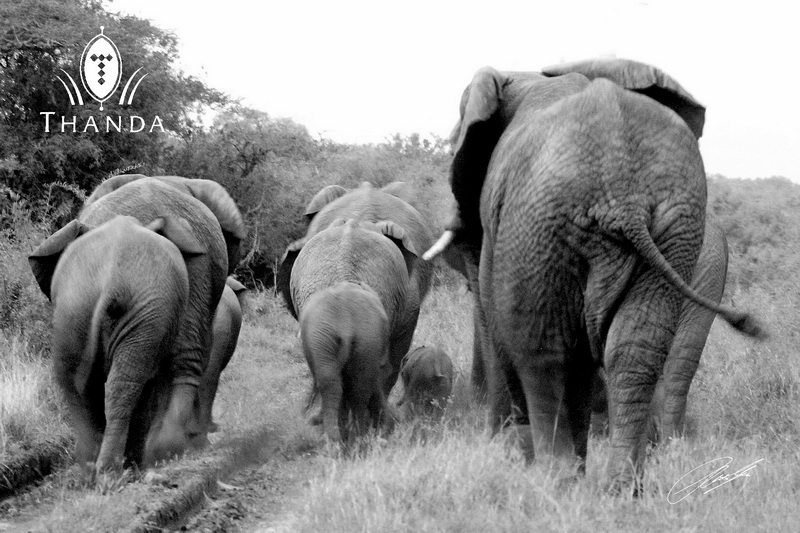
… our Elephant herd moving away from me. Please note the little one (2 weeks old) in between!

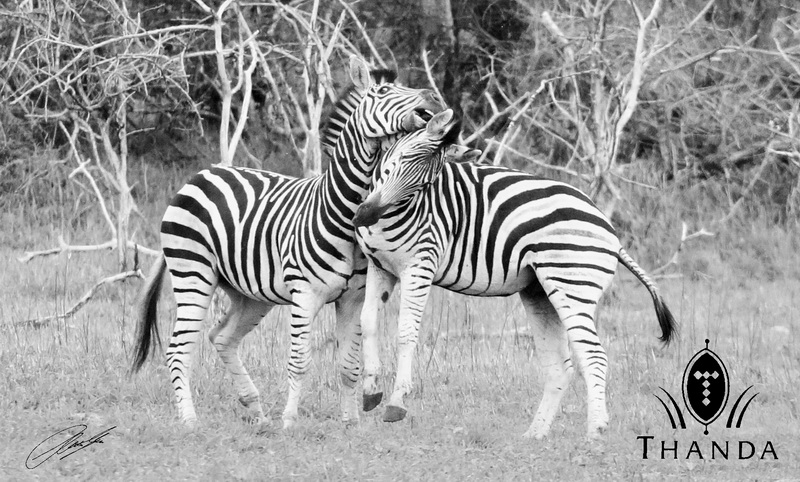
… two Zebras biting one another “lovingly”

… one of the Cheetah brothers walking close to my camera (on the savanna)


Growing Fast!

Our four small Lion subs are growing up fast. But they are still the favorites for most of the Thanda guests 🙂

Funny Posture!

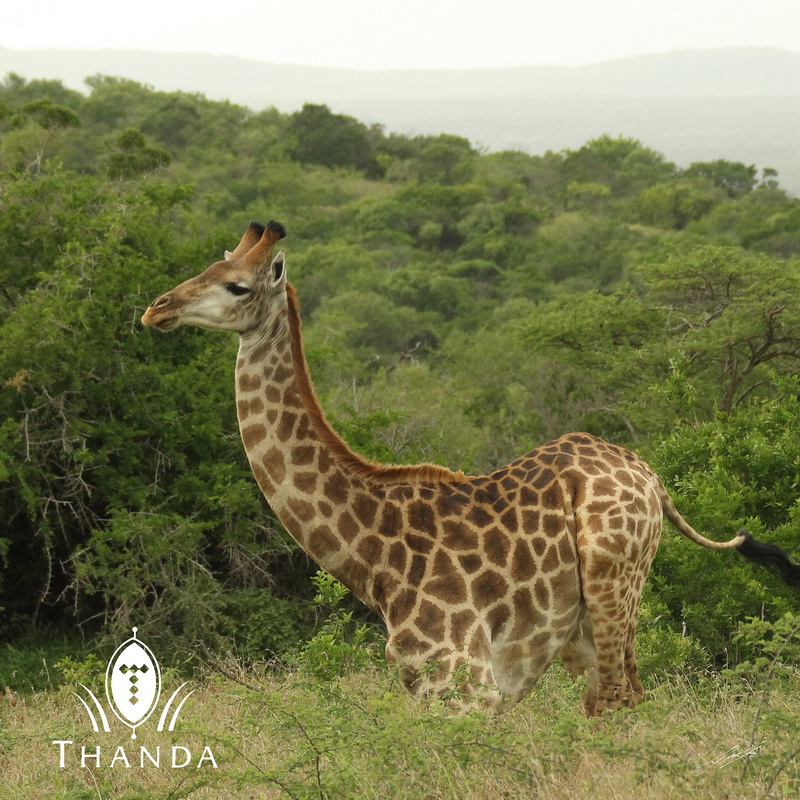
Yesterday, I caught this Giraffe in this funny posture just as it was getting on its feet from a sitting position.

Giraffe sleep only for very short periods, usually no longer than 5 minutes at a time and they cannot put their head down for any extended time, as they would risk brain damage from the increased blood pressure.

And a personal note …

For the next seven days my tracker Bheki and I are on leave. After driving Thanda guests for most of our 21 work days we have now one week of time to relax before getting back to work for another 21 day stretch.  I hope to get a chance to go to Mkuze Game Reserve and to Hluhluwe-Umfolozi Game Reserve to get some animal pictures from different environments.


Cheetah Pose

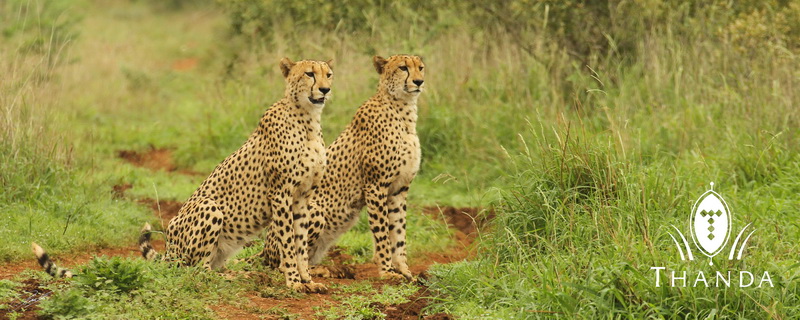
Our two male Cheetah were demonstrating two very typical Cheetah poses. They were scanning their surroundings for possible prey!

More about Cheetahs:

The Cheetah (Acinonyx jubatus) is a large-sized feline inhabiting most of Africa and parts of the Middle East. Cheetahs can run faster than any other land animal, up to 120 km/h (up to 75 mph) in short bursts covering distances up to 500 m (1,600 ft), and has the ability to accelerate from 0 to over 100 km/h (62 mph) in three seconds.

Cheetahs have unusually low genetic variability. It is thought that the species went through a prolonged period of inbreeding following a genetic bottleneck during the last ice age. The Cheetah likely evolved in Africa during the Miocene epoch (26 million to 7.5 million years ago).

Leaving early!

This beautiful scene surprised the Thanda guests when the morning game drive left from Tented Camp.

The two female Giraffes enjoyed the warm morning sun together with their two young calves.