

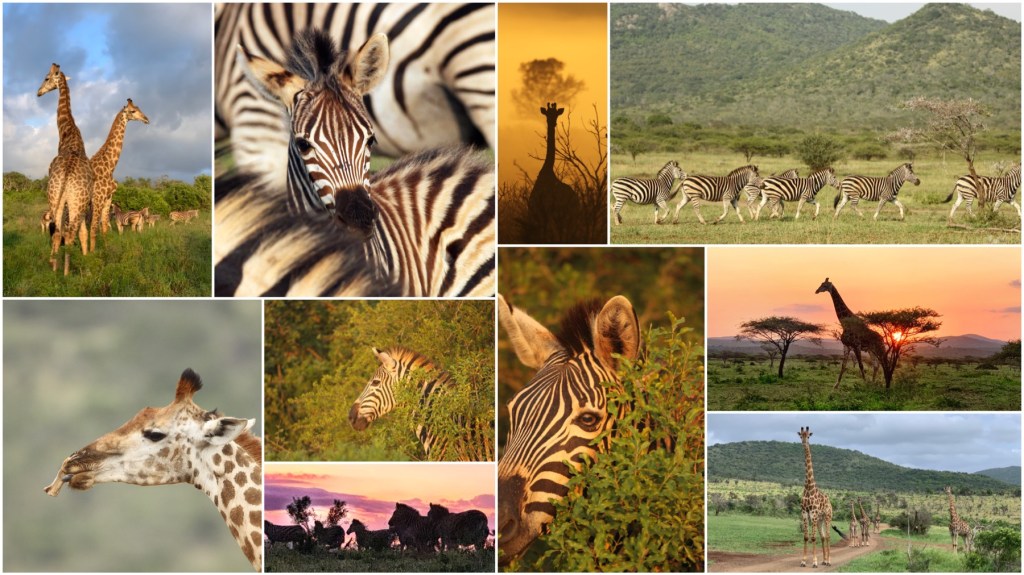
❤️ 🇿🇦 🦒 🦒 👀 😆
… or for the emoji illiterate like me: I love South African Giraffes, they look so funny 😊😷
Stay Safe!
#christiansperkaphotography @christiansperkaphotography #thandasafari @thandasafari
❤️ 🇿🇦 🦒 🦒 👀 😆
… or for the emoji illiterate like me: I love South African Giraffes, they look so funny 😊😷
Stay Safe!
#christiansperkaphotography @christiansperkaphotography #thandasafari @thandasafari

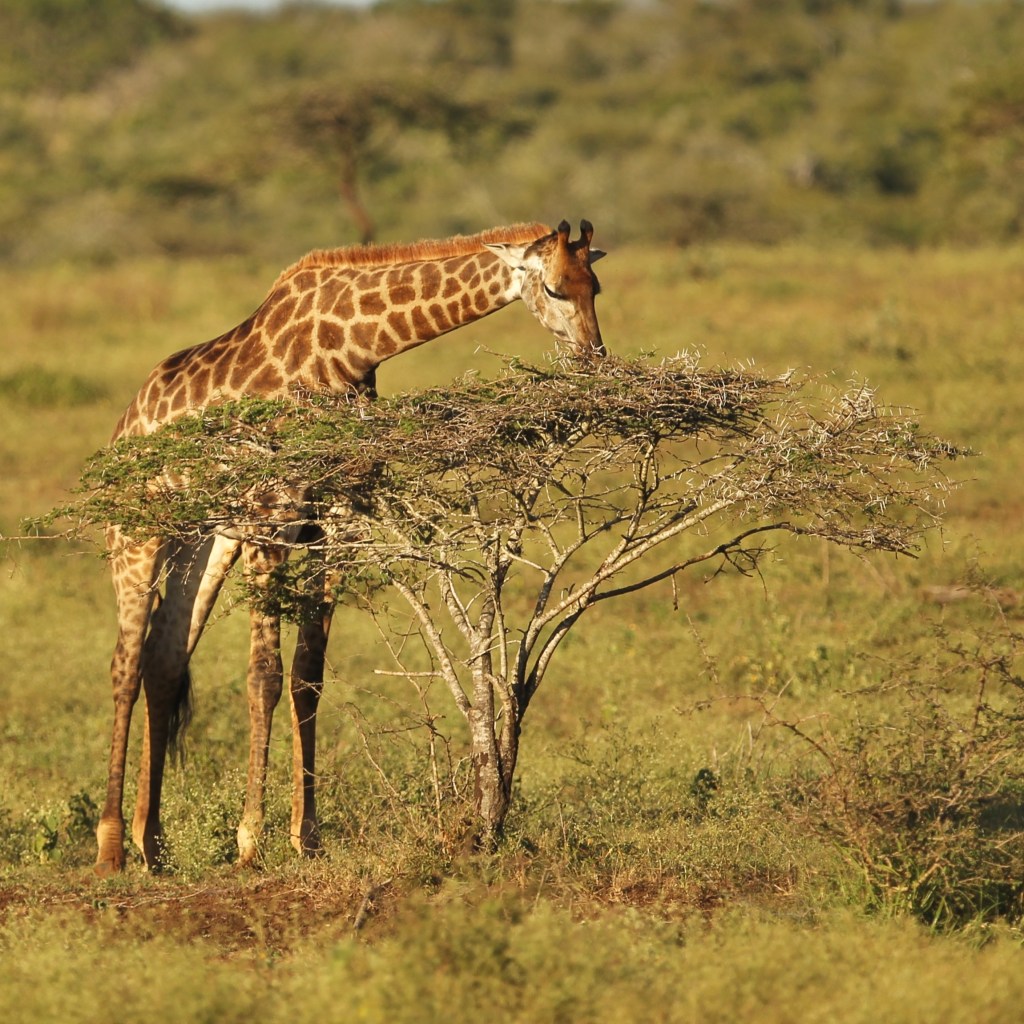
At this evening game drive I focused mainly on Giraffes.
I really enjoy these awkwardly designed but rather slow thinking creatures with their huge eyes.
Have a good evening – Stay safe!




#Christiansperkaphotography @christiansperkaphotography #thandasafari @thandasafari
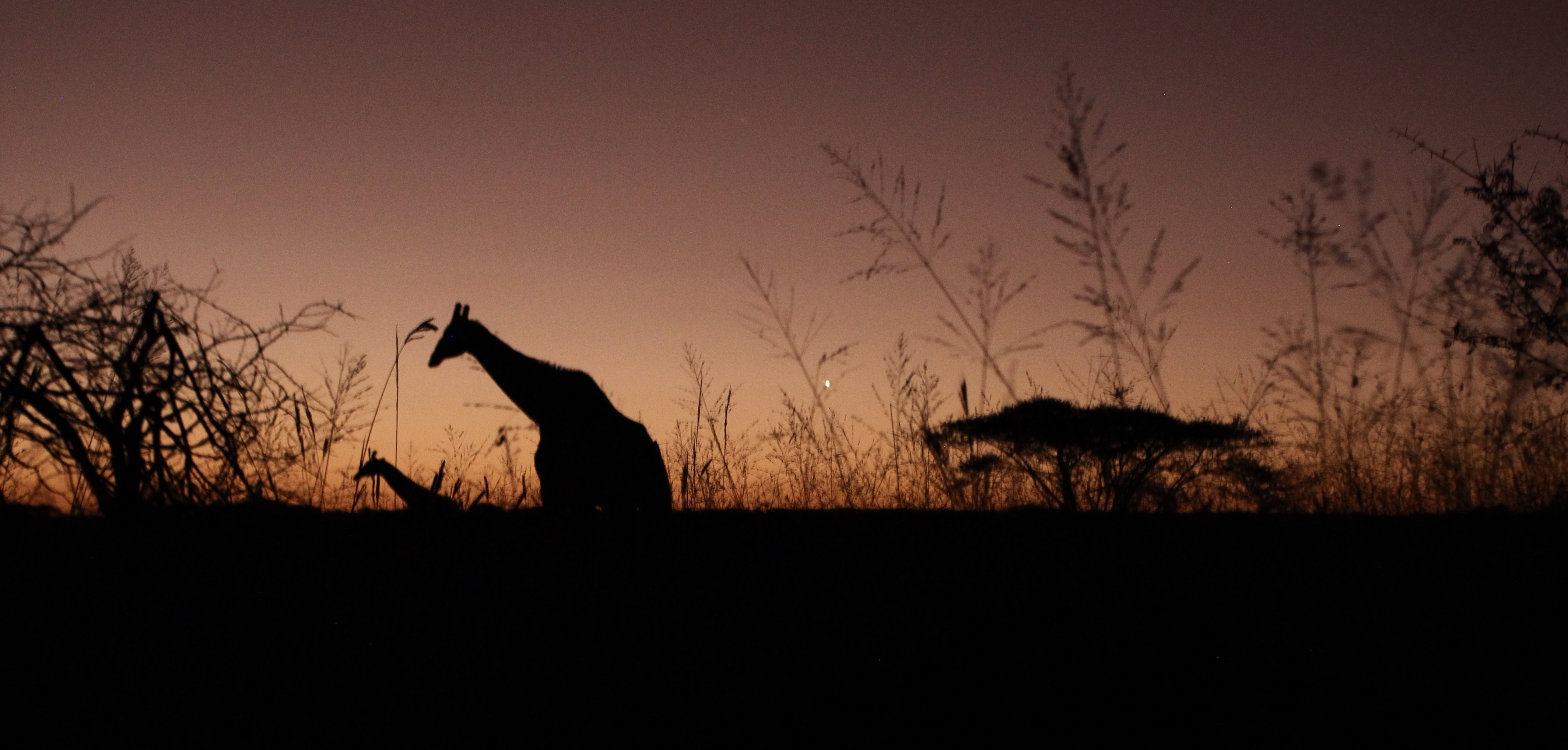
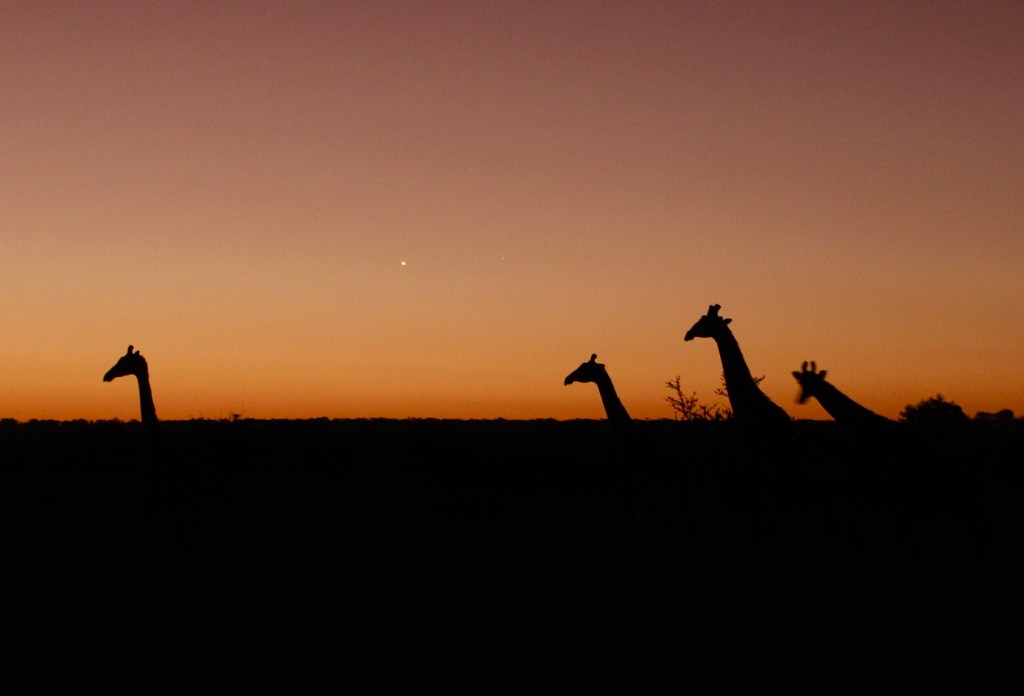
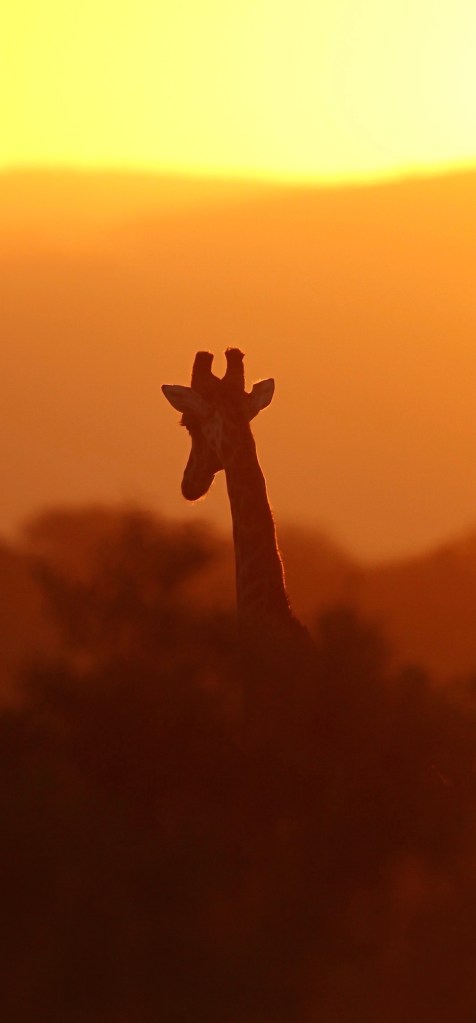
We had a short and very quiet drive this afternoon. The evening sky after the sun had set was most beautiful and on my way home I passed Giraffes posing in front of the darkening sky.
When the evenings get chilly and the skies turn such deep orange then it is clear that winter is coming!
Have a good night and stay safe!
#Christiansperkaphotography @christiansperkaphotography #thandasafari @thandasafari

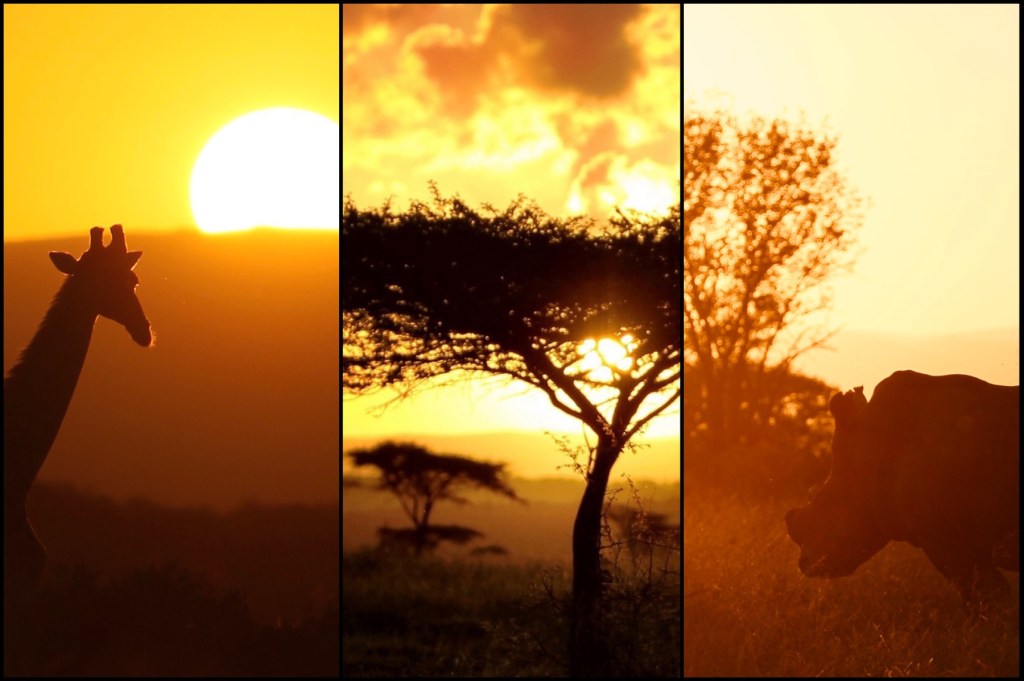
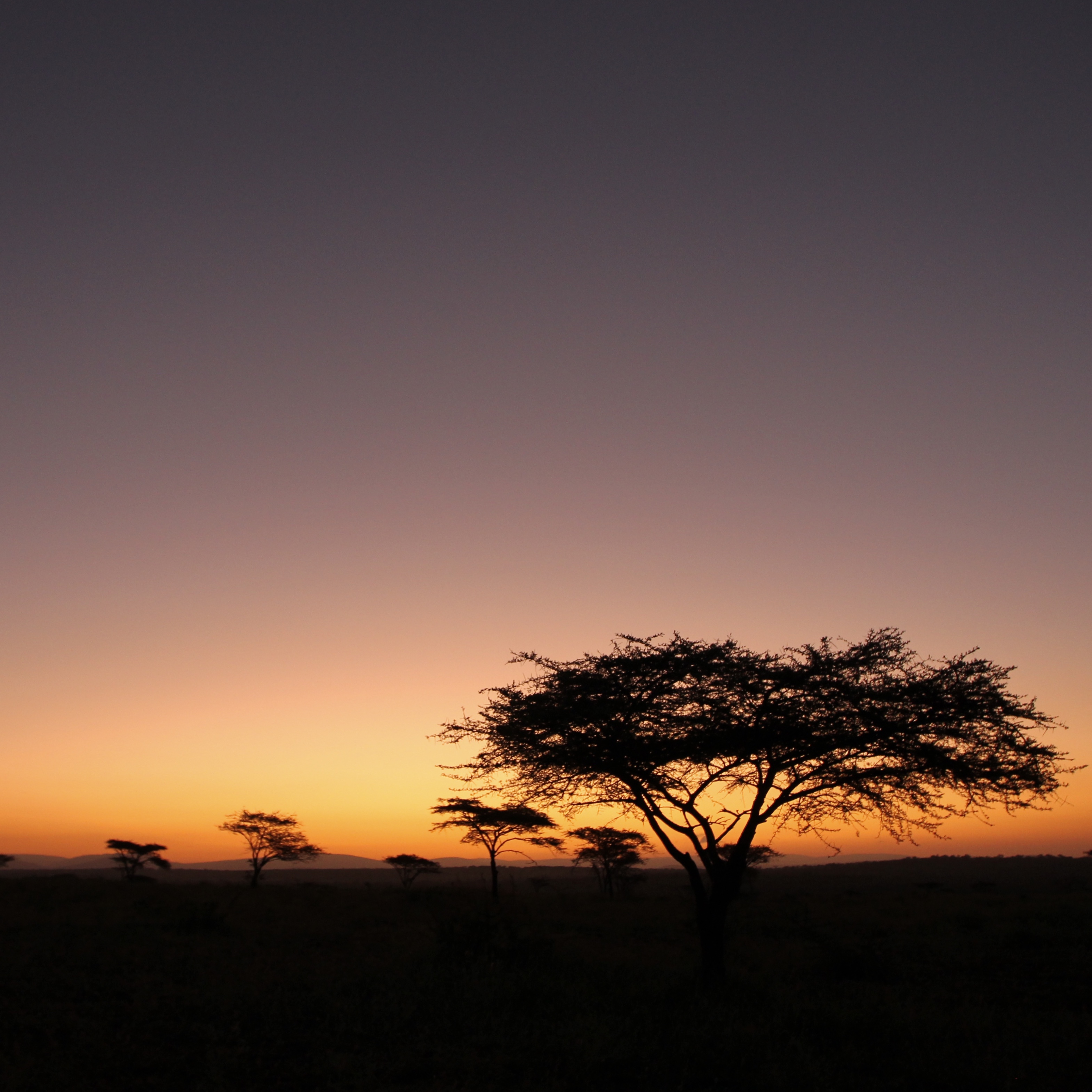
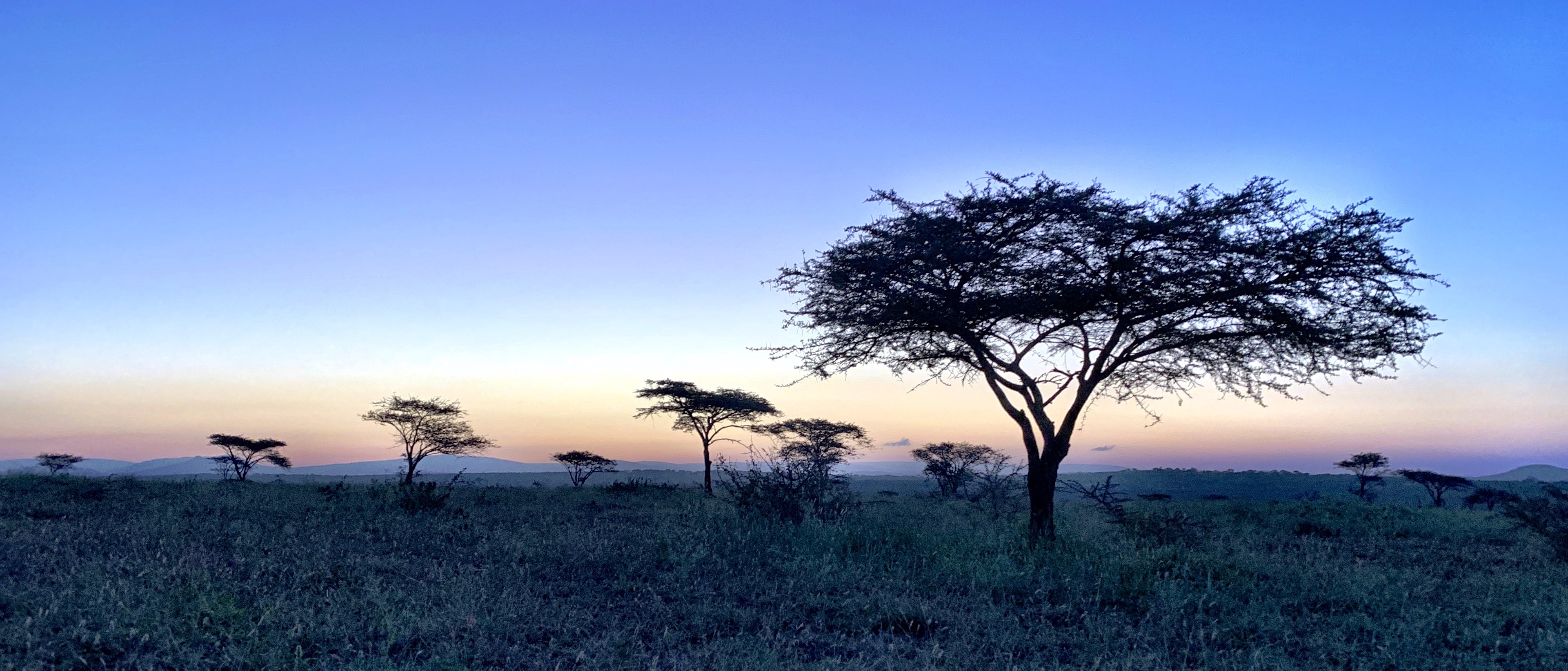
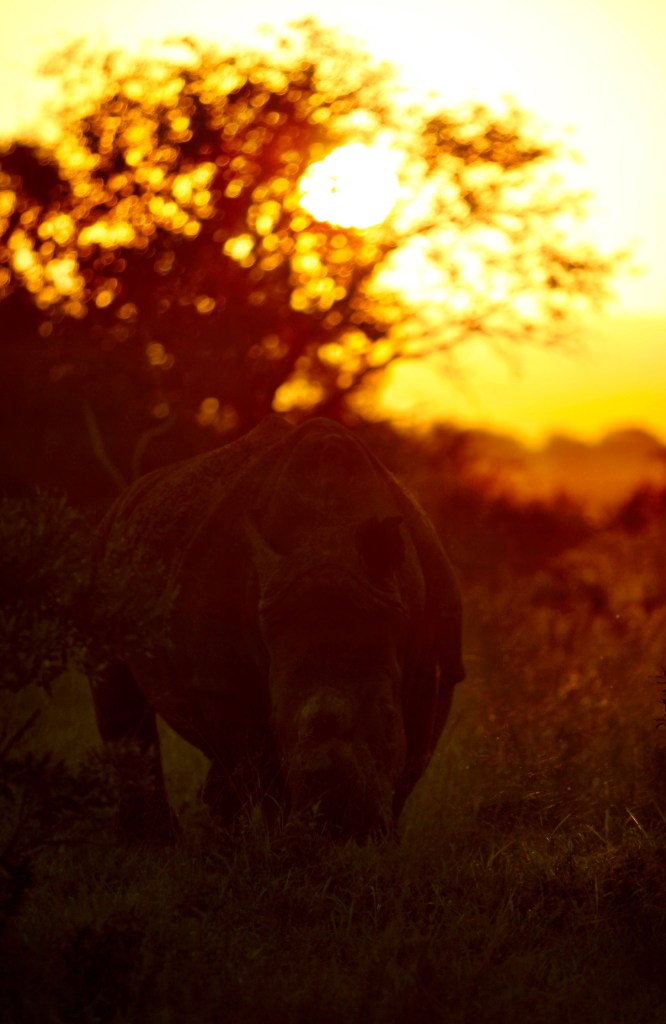
These are three of my favorite Thanda sunset shots. Have a good evening. Stay safe!

Wildlife4Kids http://www.wildlife4kids.com
Thanda Tales http://www.thandatales.co.za
My Online Gallery http://www.sperka.biz
My YouTube Channel http://www.youtube.com/christiansperkaphotography
#Christiansperkaphotography @christiansperkaphotography #thandasafari @thandasafari
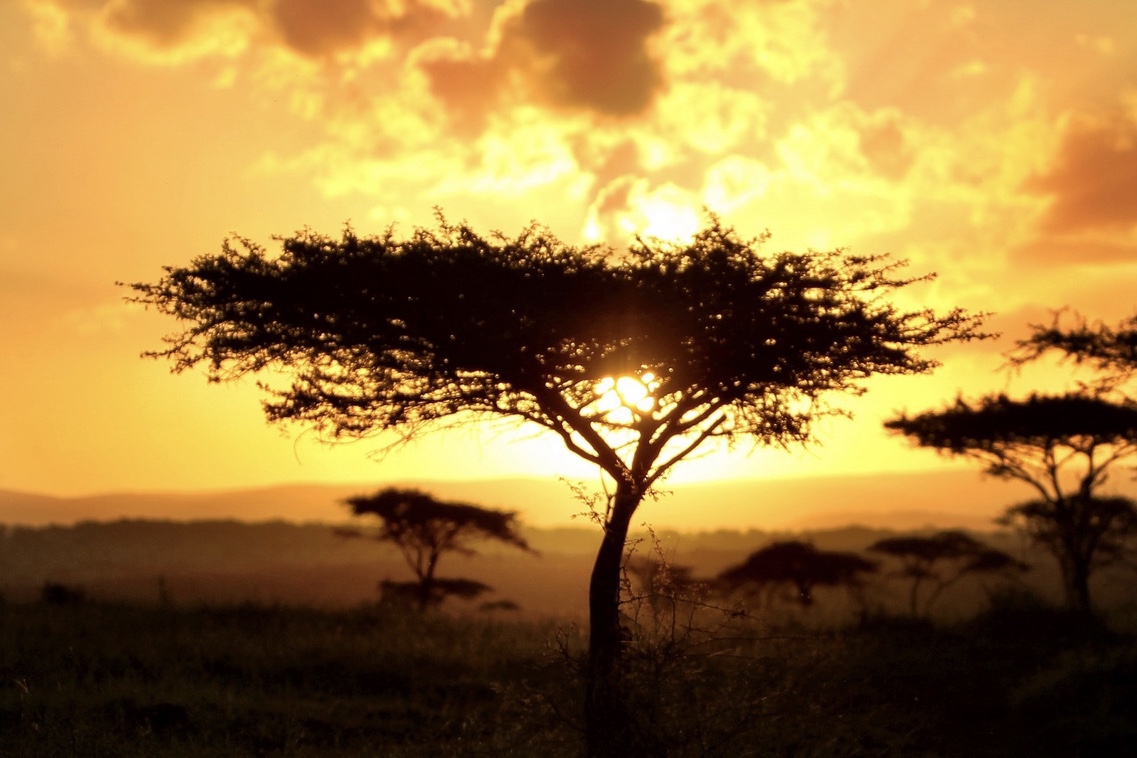
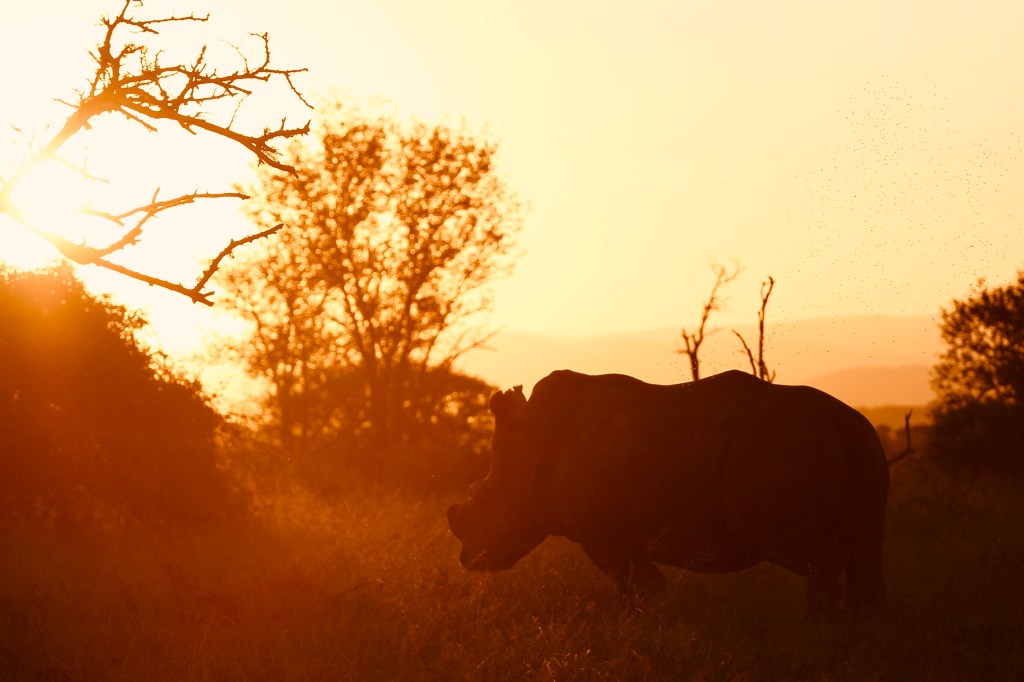
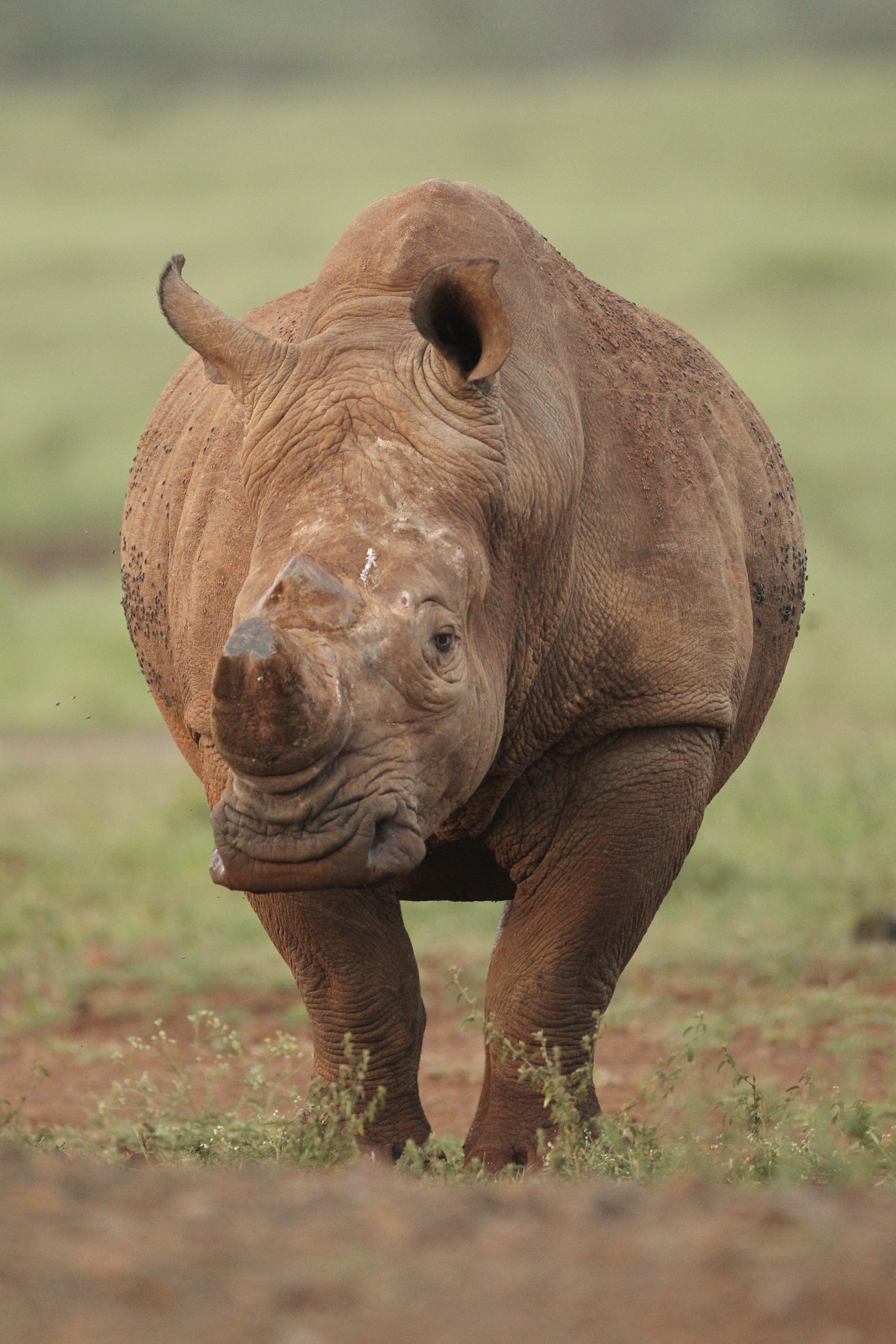
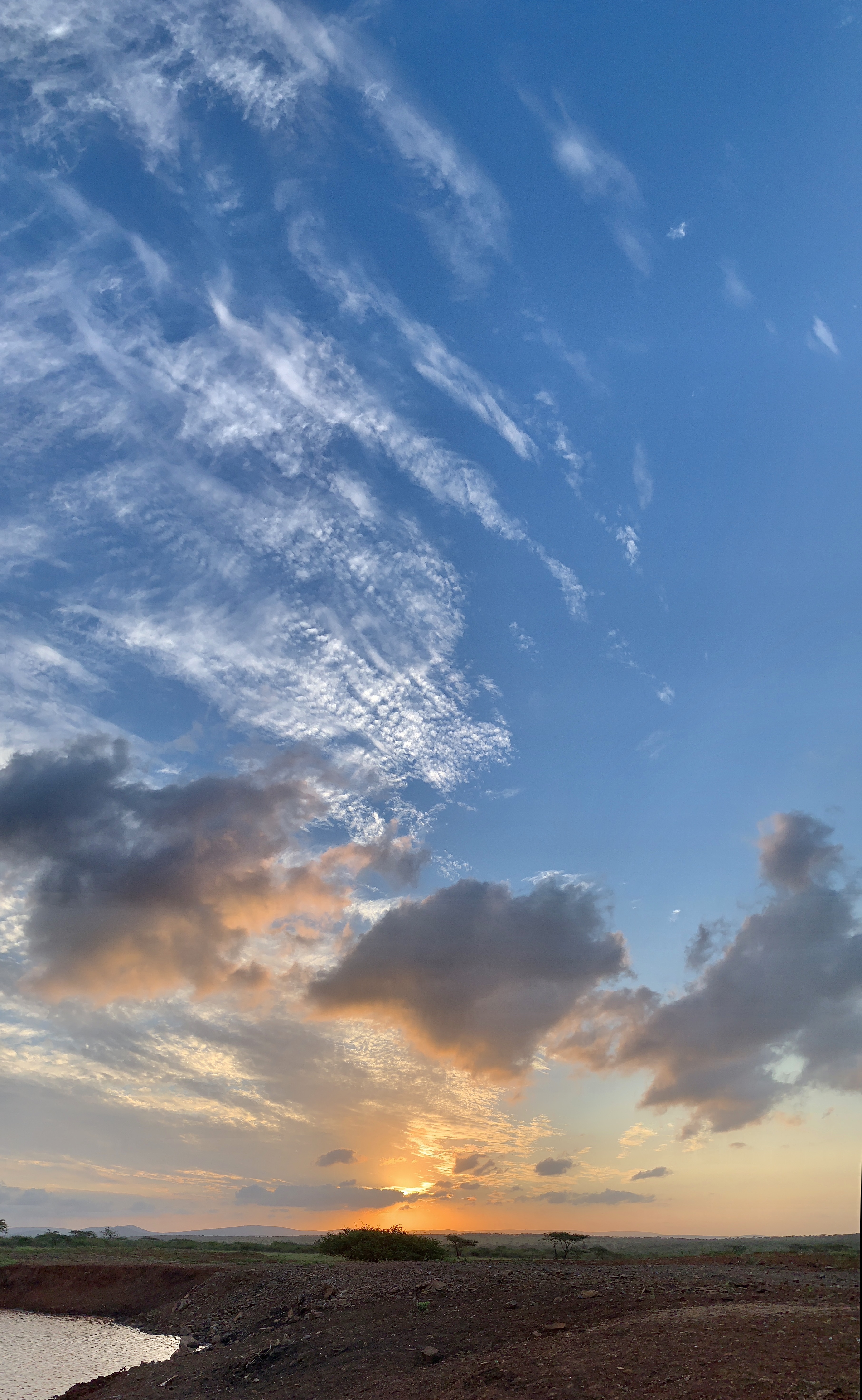
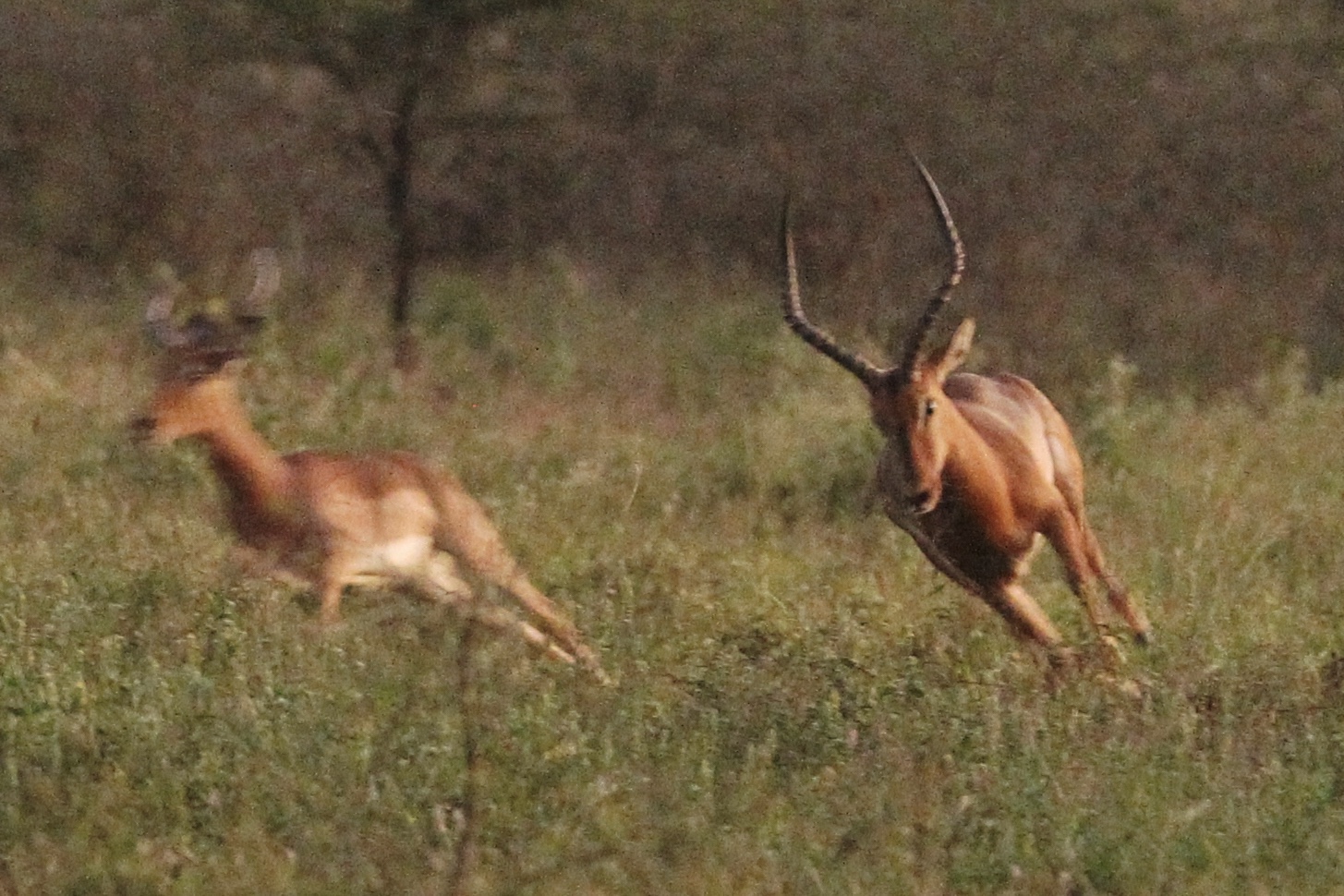
Today’s evening light was just perfect for close-ups and scenery shots. Enjoy them and stay safe!
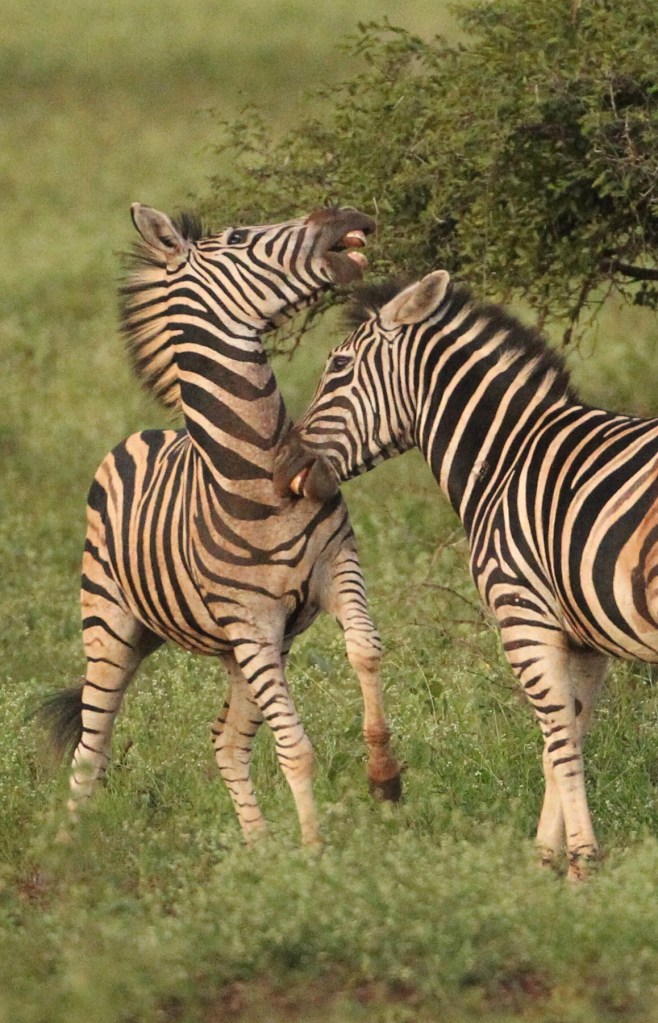
Wildlife4Kids http://www.wildlife4kids.com
Thanda Tales http://www.thandatales.co.za
My Online Gallery http://www.sperka.biz
My YouTube Channel http://www.youtube.com/christiansperkaphotography
#Christiansperkaphotography @christiansperkaphotography #thandasafari @thandasafari
I live in a magical place. These are four images I took today today:
5:48 (am) at Thanda House just before I left in the morning

6:22 (am) in the western part of the reserve as the sun started burning away the morning mist

17:09 (5:09pm) am Elephant walking west just as the sun was setting

17:57 (5:57pm) after the sun had set three Giraffe bulls were fighting on the savanna as I was on my way home

Have a good weekend, stay home and stay safe!
My YouTube Channel http://www.youtube.com/christiansperkaphotography
Wildlife4Kids http://www.wildlife4kids.com
Thanda Tales
My Online Gallery
#Christiansperkaphotography @christiansperkaphotography #thandasafari @thandasafari
For the lovers of necks and stripes 😊
Enjoy your evening, stay home and stay safe!
PS: Check out my lock-down site for kiddies – with a new animal pictures every day – http://www.wildlife4kids.com and Thanda Safari’s special pop-up site at http://www.thandatales.co.za
#Christiansperkaphotography @christiansperkaphotography #thandasafari @thandasafari
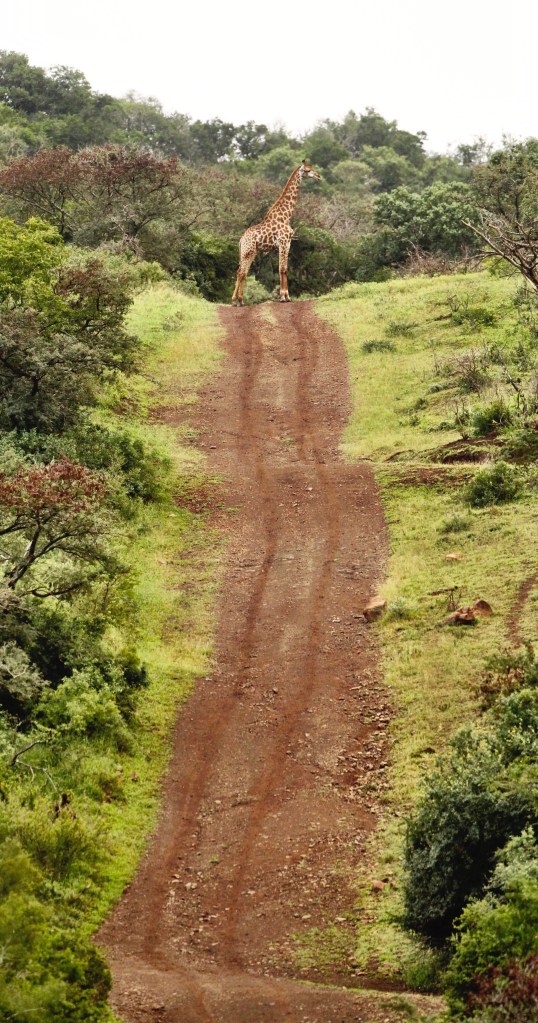
As I looked down the road ahead during yesterday’s game drive I got this interesting shot of a large male Giraffe.
Have a good weekend, stay home and stay safe!
PS: Check out my lock-down site for kiddies – with a new animal pictures every day – http://www.wildlife4kids.com
PPS: Please consider donating to the WHO Covid19 response fund https://covid19responsefund.org
#Christiansperkaphotography @christiansperkaphotography #thandasafari @thandasafari
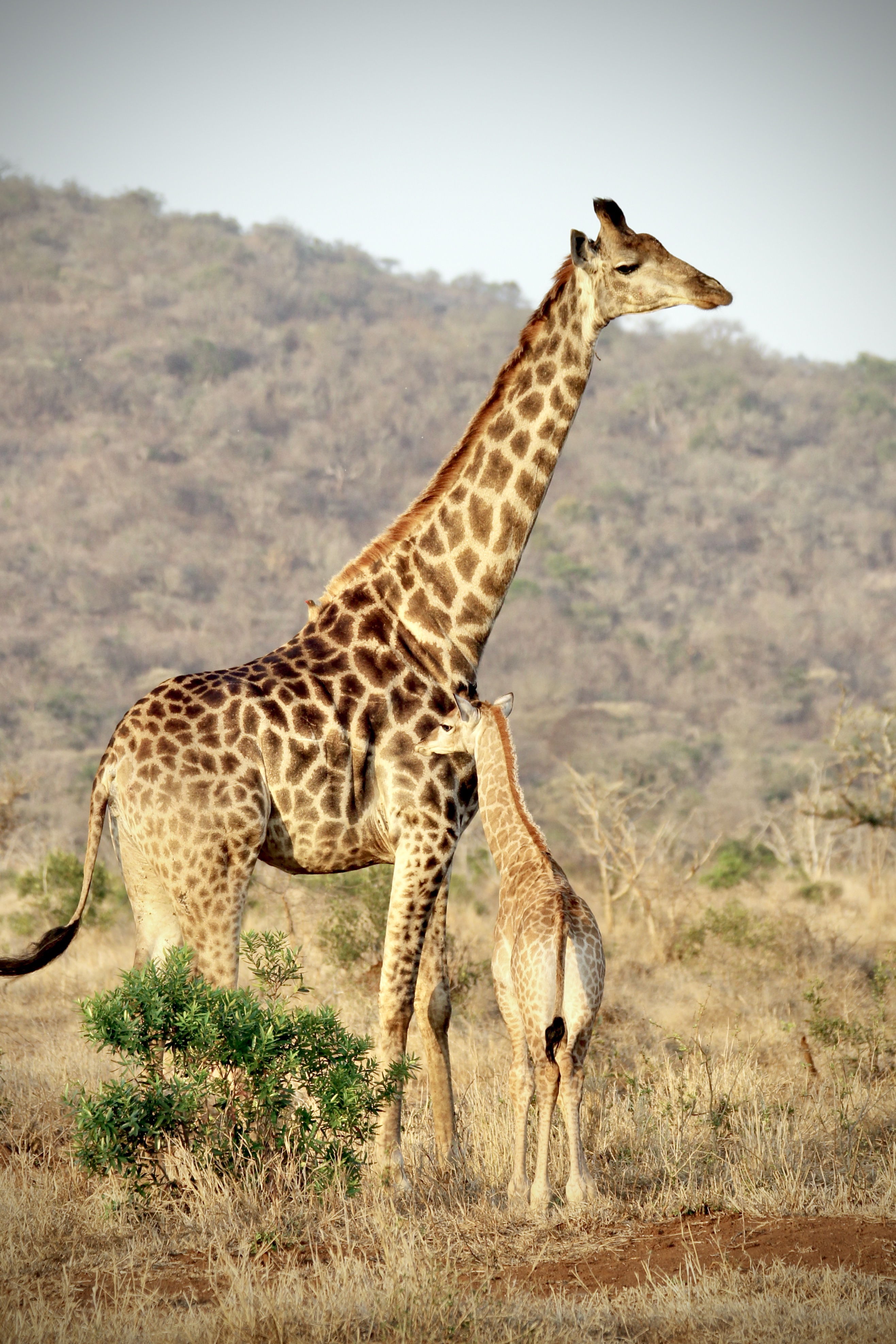
A newborn South African Giraffe is ~1.8m (~6ft) tall. After a few hours of birth, the calf can run and is almost indistinguishable from a one-week-old.
Mothers with calves will often gather in nursery herds. In such a groups they may sometimes leave their calves with one female while they forage and drink elsewhere. This is known as a “calving pool”.
Have a pleasant weekend!
#Christiansperkaphotography @christiansperkaphotography #thandasafari @thandasafari
I have started featuring a species per week on my social media channels. Here is a summary of the last week’s posts (and some blog bonus images). I hope you enjoy some of my favorite Giraffe pictures :-).
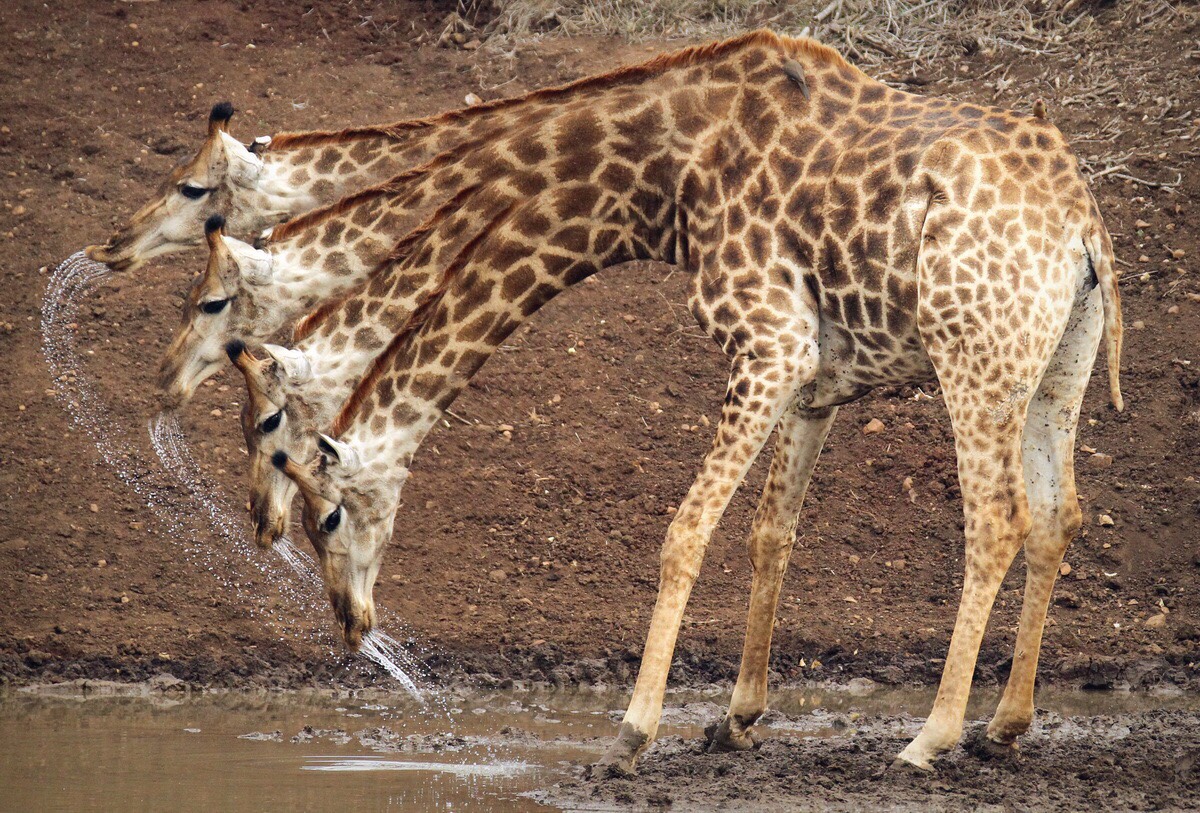
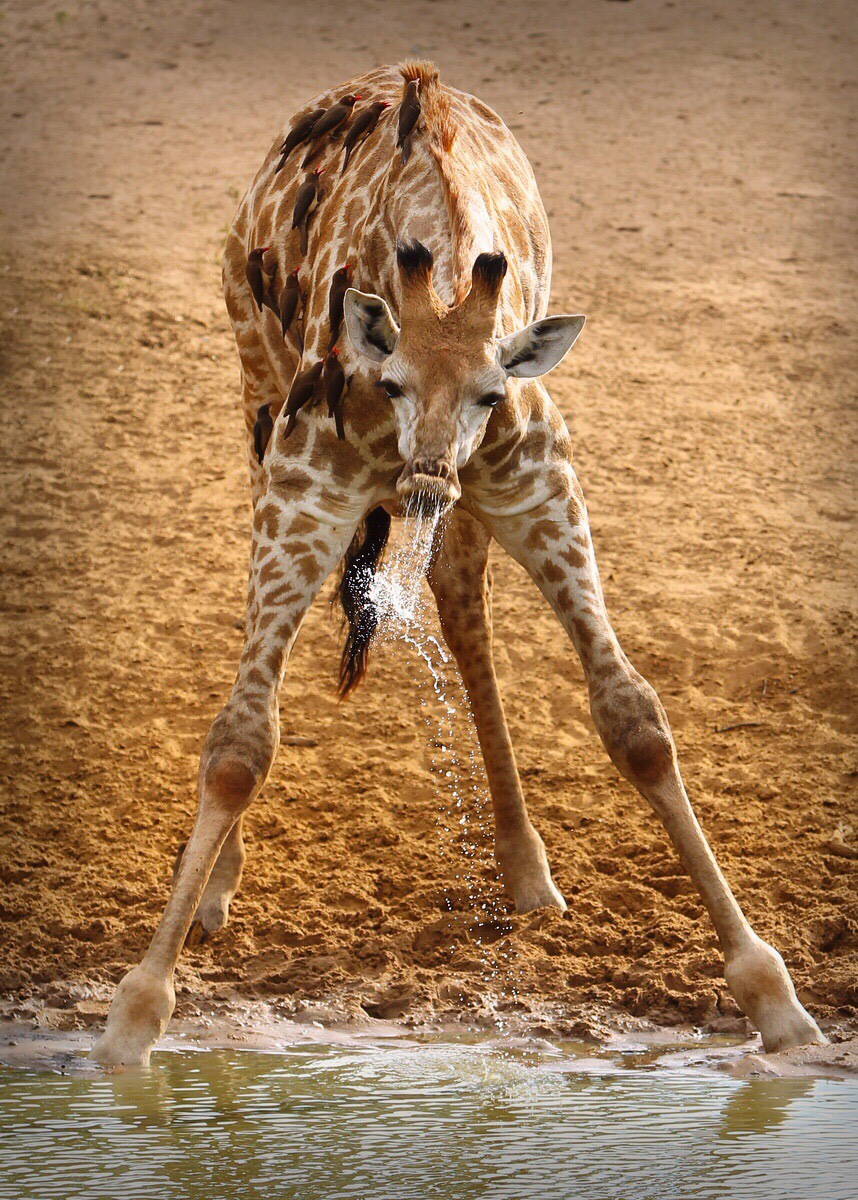
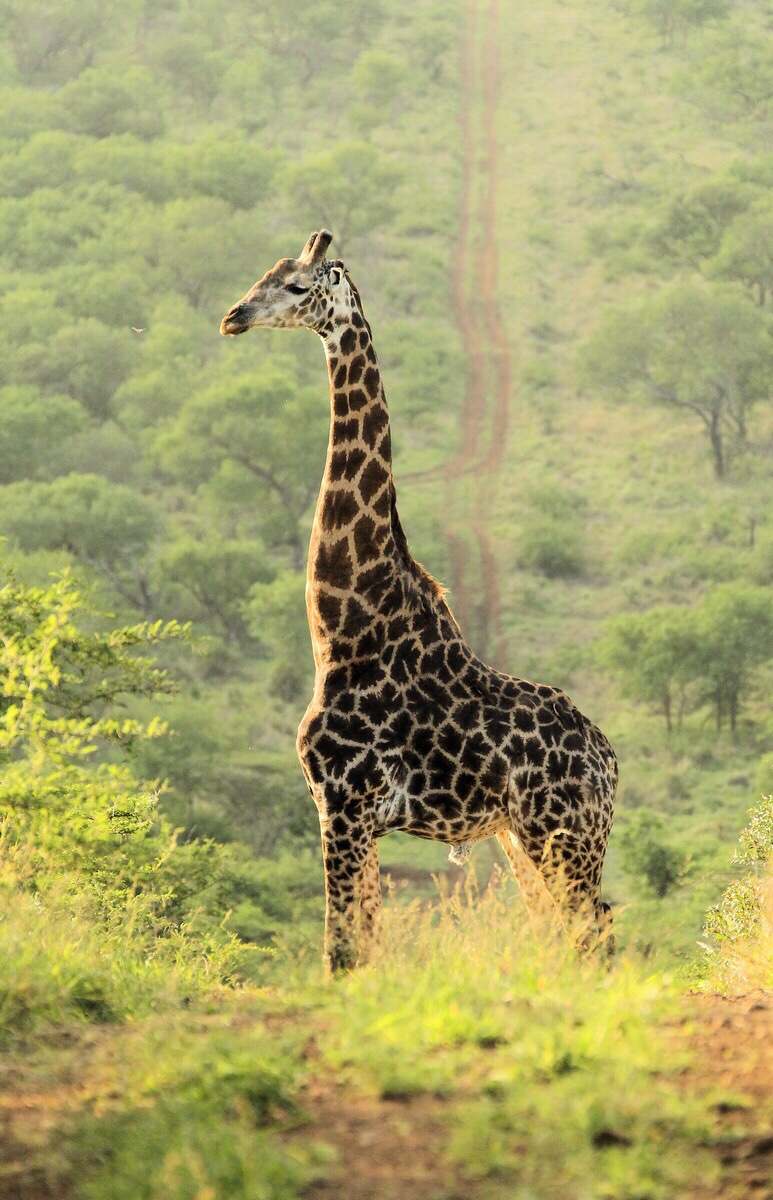
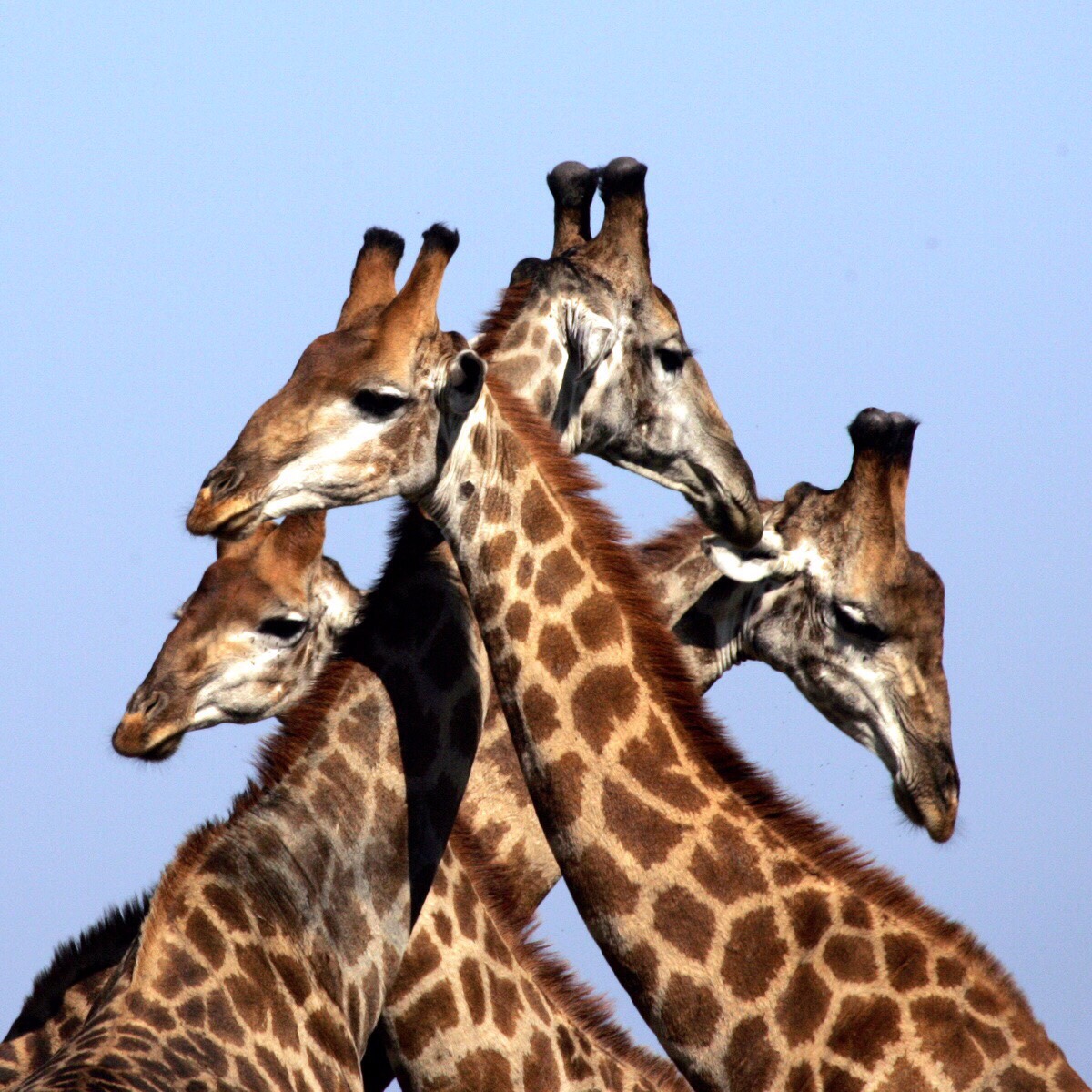
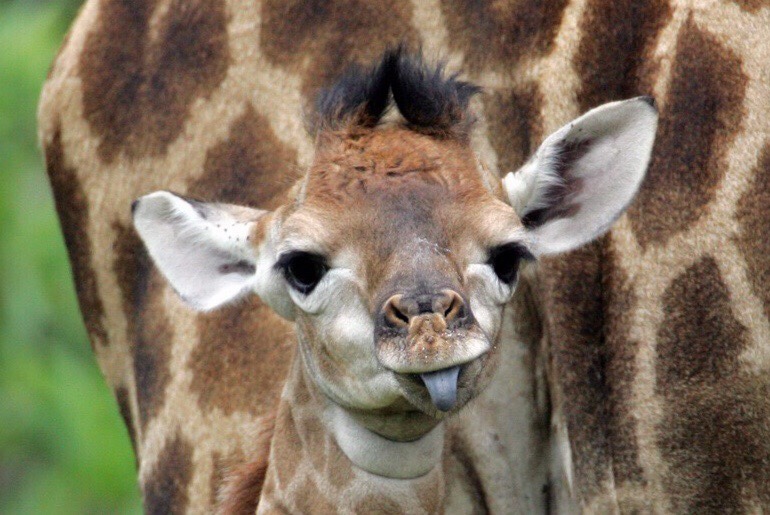
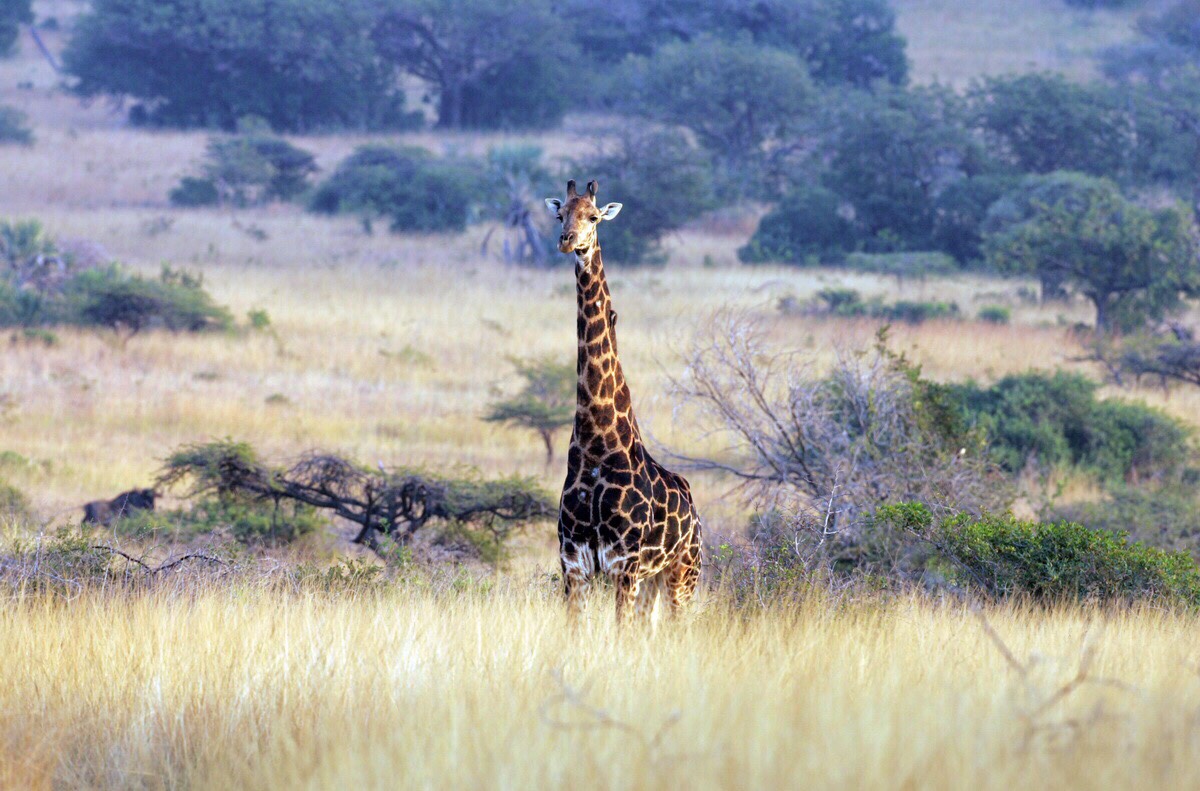
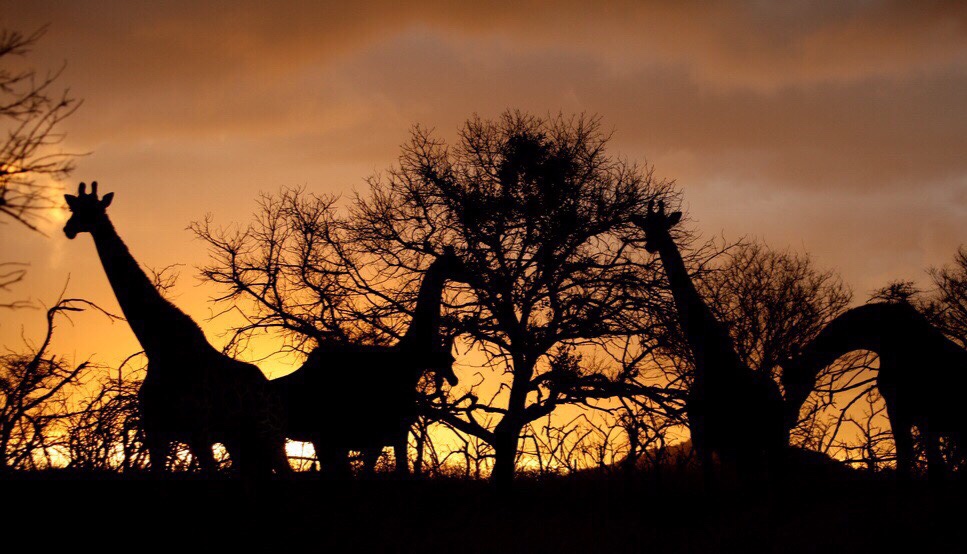
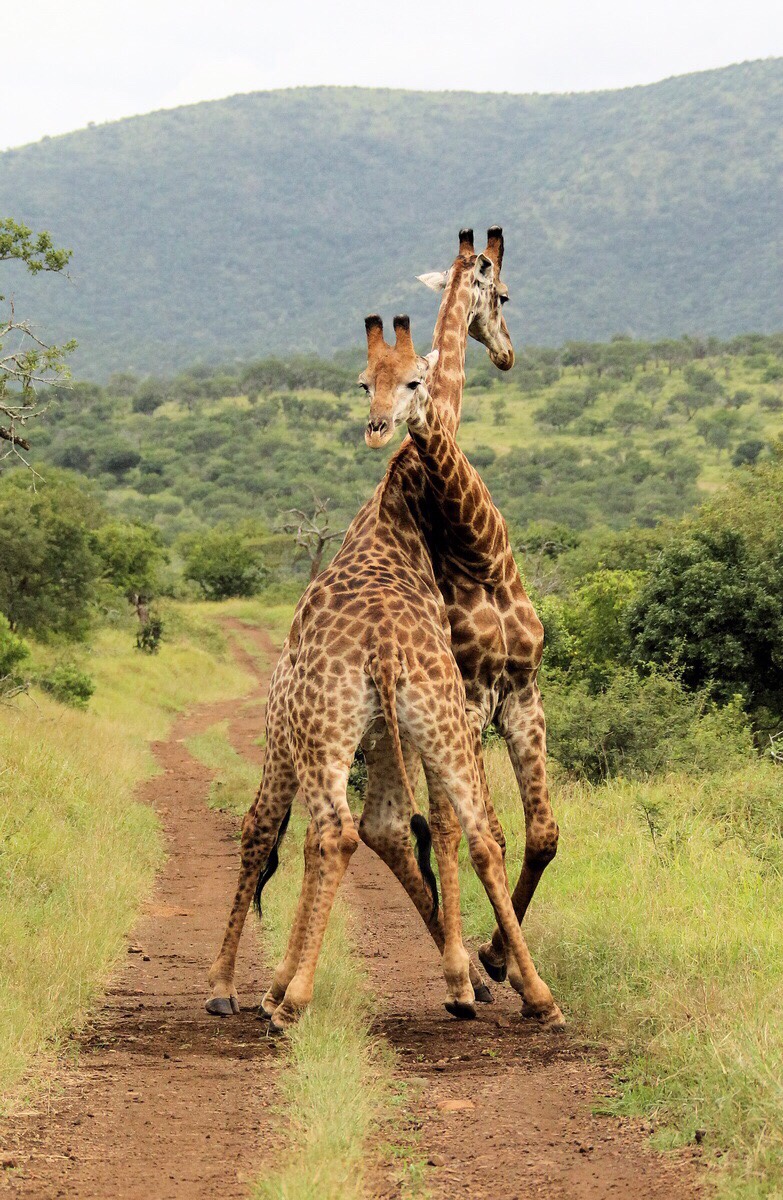
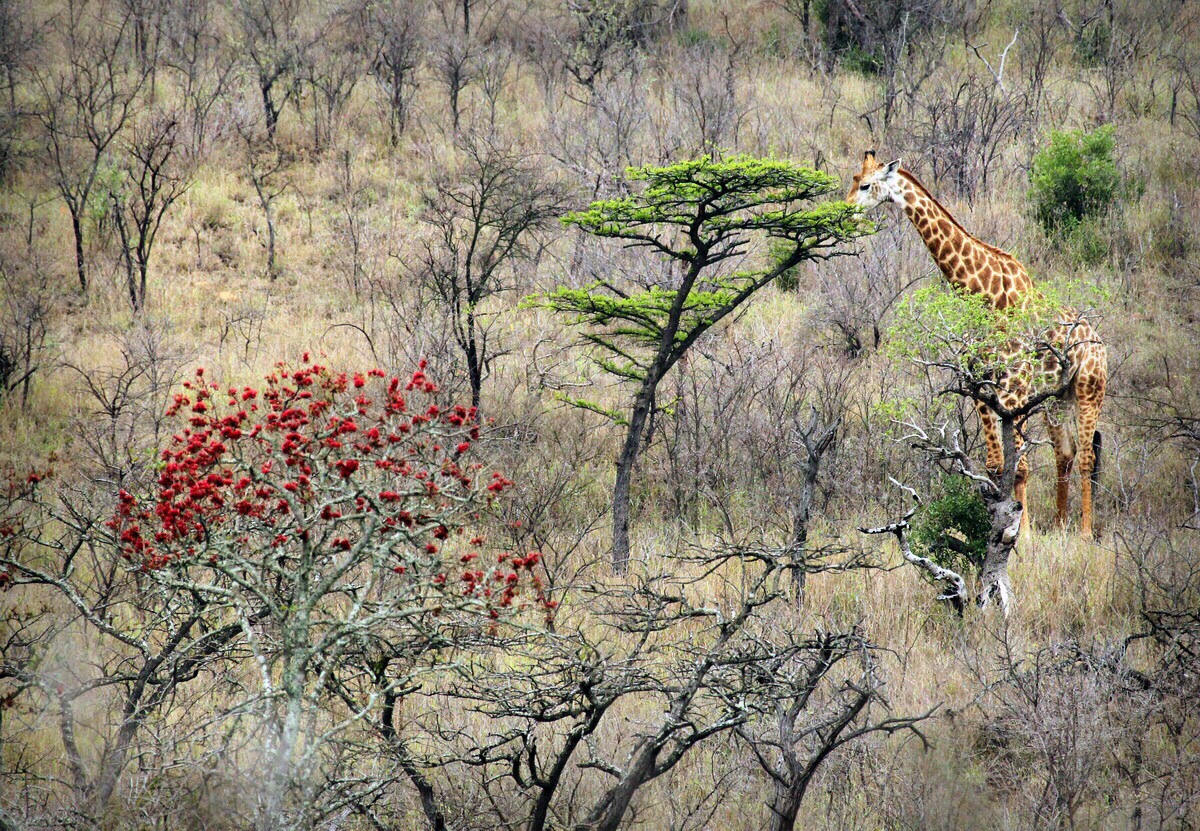
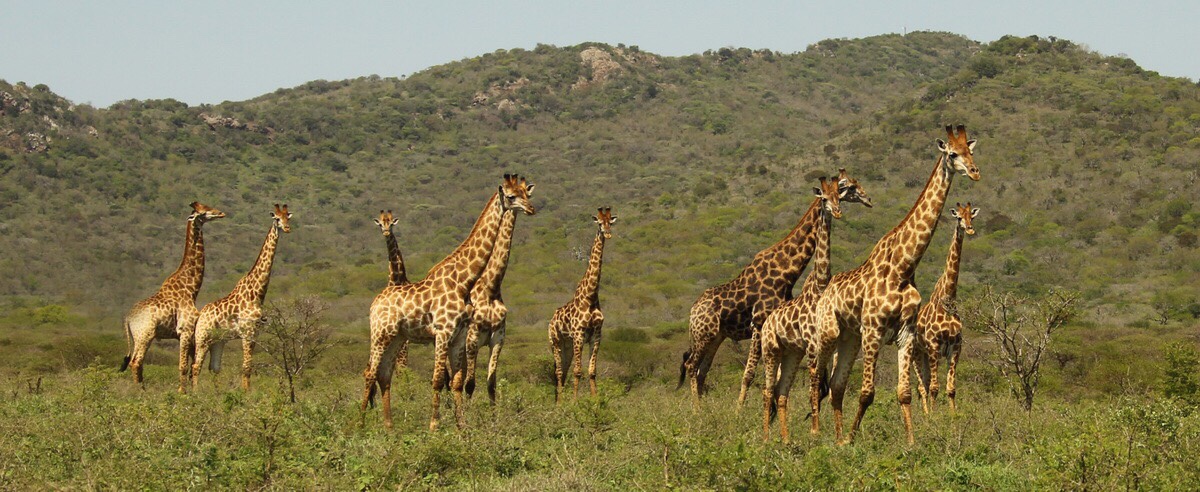
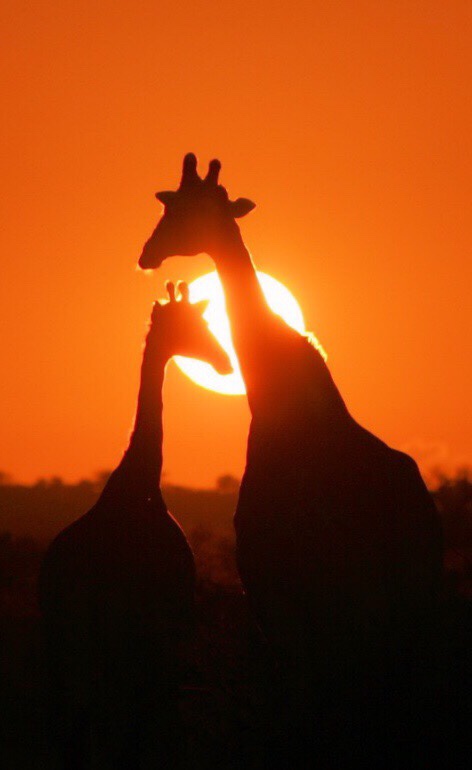
The pictures were taken at various locations in South Africa.
#Christiansperkaphotography @christiansperkaphotography
 Christian Sperka Photography | Custom Luxury Tours