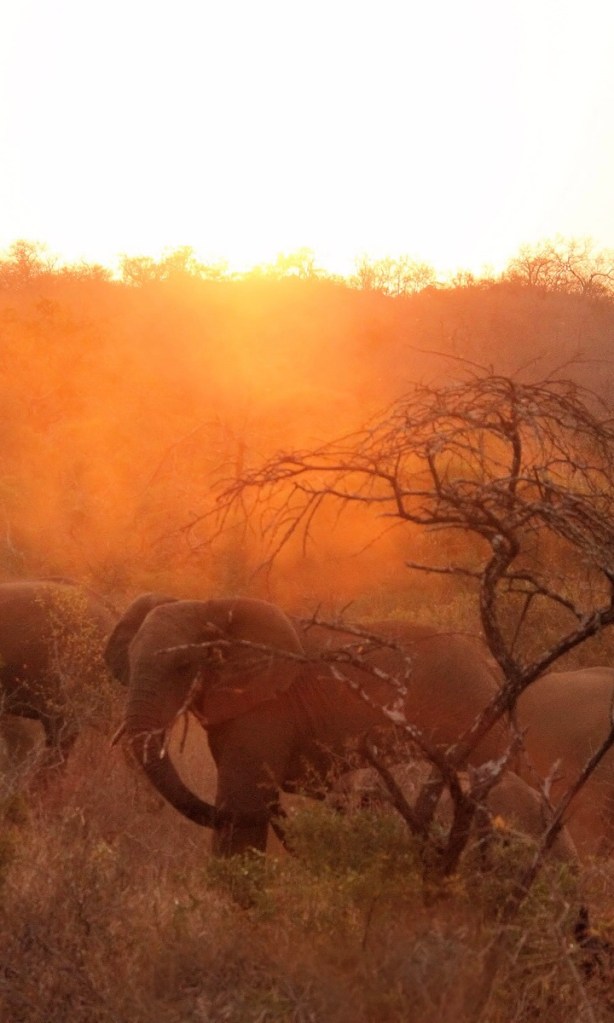
Heavy breathers 😊 Thanda Safari’s male Lions (coalition) were strolling past the Green Mamba this afternoon, breathing rather heavily. The ultra-wide-angle lens of my new iPhone Pro Max captures the scene very nicely 🦁
Beside the five official members of the genus Panthera (Tiger, Lion, Jaguar, Leopard and Snow Leopard) there are five more cat species which do not quite fit into the ‘small cat definition’ as they are rather large and/or have very special features.
Today I present the last of the ‘large cat club’:
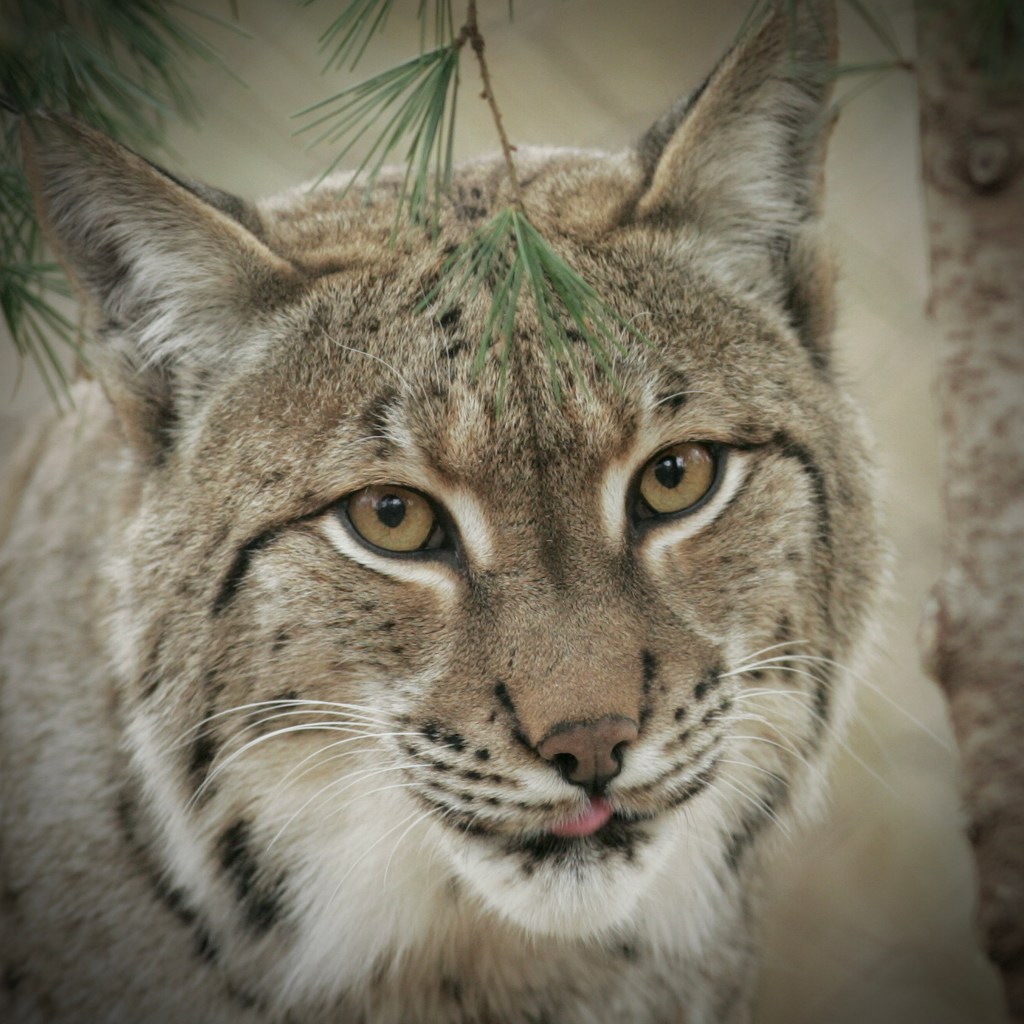
The Eurasian Lynx (Lynx.lynx) – After Pumas and Cheetahs they are the largest of the small cats and the largest cats living in the wild in Europe.
So here they are again: The members of the ’10 largest wild cat species club’: Tiger, Lion, Jaguar, Leopard, Puma, Cheetah, Snow Leopard, Eurasian Lynx, Sunda Clouded Leopard and Mainland Clouded Leopard.
I only have pictures for a few of the remaining 28 wild cat species, which I will post over the next few days.
But for tomorrow I have created an overview of the cat (Felidae) family tree, which I hope will be helpful to some of you.
Beside the five official members of the genus Panthera (Tiger, Lion, Jaguar, Leopard and Snow Leopard) there are five more cat species which do not quite fit into the ‘small cat definition’ as they are rather large and/or have very special features. I will introduce these over the next few days. Today it is the ‘All Americas’ representative of the ‘large cat club’:
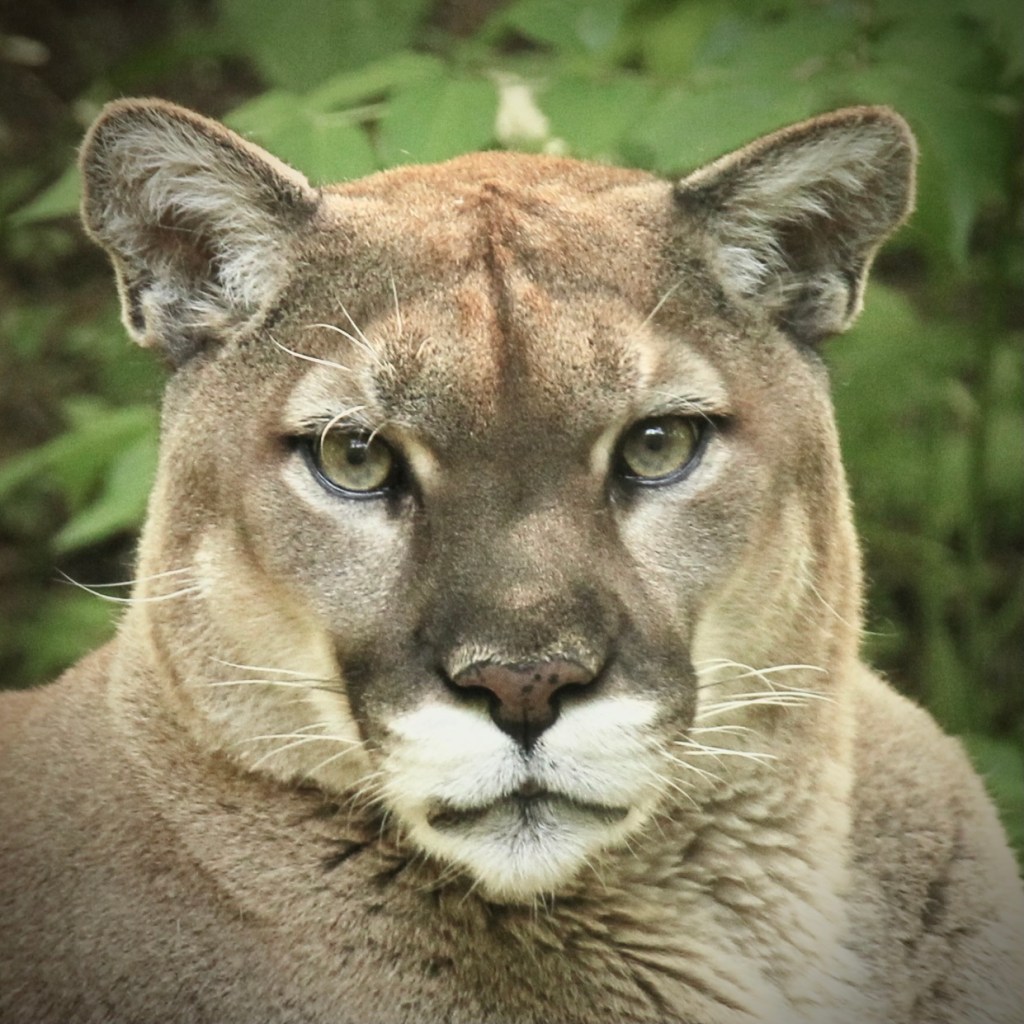
The *Puma* (Puma.concolor)
Pumas have a huge distribution range all the way from Eastern Alaska all along the west ist of the Americas to Patagonia (and in Florida). Due to this huge distribution range these elusive cats are known locally by many names (Mountain Lion, Cougar, Painter, Catamount, Puma, Florida Panther and many more). They vary very much in size. In the North and South they are quite large (up to 90kg for a male) but closer to the equator they are in average much smaller (up to 50kg for a male).
Beside the five official members of the genus Panthera (Tiger, Lion, Jaguar, Leopard and Snow Leopard) there are five more cat species which do not quite fit into the ‘small cat definition’ as they are rather large and/or have very special features. I will introduce these over the next few days.
Today it is my two favorite cat species: The Clouded Leopards (Neofelis.nebulosa and Neofelis.diardi)
They have large, paws with adapted footpads for gripping branches. Specialized anklebones allow varied position for climbing, including climbing headfirst down trees. Another distinctive feature is their very long canine teeth. For a long time they were considered the ‘link’ between small and big cats. Today they are classified as big cats, but are still within their own genus. Neofelis with its two species the Mainland Clouded Leopard (Himalayas/SouthEast Asia/China) and the Sunda Clouded Leopard (Borneo/Sumatra) are considered arboreal cat species (living in trees).
Beside the five official members of the genus Panthera (Tiger, Lion, Jaguar, Leopard and Snow Leopard) there are five more cat species which do not quite fit into the ‘small cat definition’ as they are rather large and/or have very special features.
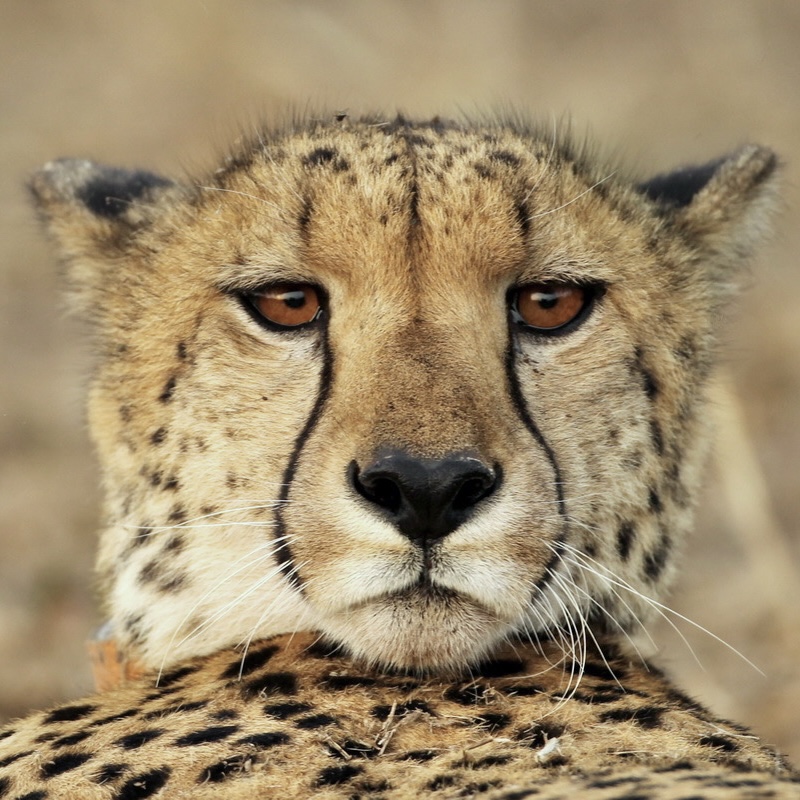
I will introduce these over the next few days. Let’s start today with the fastest land animal: The Cheetah (Acinonyx jubatus).
It is the only cat fully adapted for speed instead of power. It cannot roar and misses other big car traits. It is therefore classified in its own genus. I took this Cheetah portrait a few years ago at Thanda Safari.
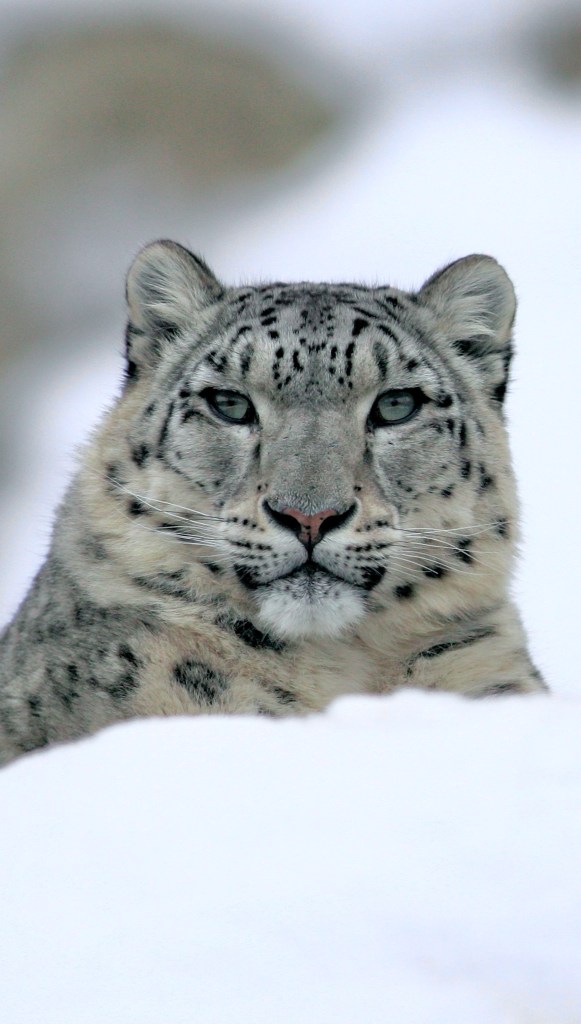
The five members of the genus Panthera are also called the ‘big cats’. Cat species number 5: The *Snow Leopard* (p.Uni a).
They show various adaptations for living in a cold, mountainous environment. Its small ears help to minimize heat loss. Its broad paws well distribute the body weight for walking on snow, and have fur on their undersides to increase the grip on steep and unstable surfaces. Its long and flexible tail helps to maintain balance in the rocky terrain. The tail is also very thick due to fat storage, and is covered in a thick layer of fur, which allows the cat to use it like a blanket to protect its face when asleep.
This picture I took at the Zurich Zoo, Switzerland.



 Christian Sperka Photography | Custom Luxury Tours