

Yesterday I followed our two male Cheetah when one of them picked up the scent of a female.
Below is a link to a short video with him calling for the Cheetah Lady 🙂
http://www.youtube.com/watch?v=rtG9Xhqzcf8
Enjoy the weekend.
Yesterday I followed our two male Cheetah when one of them picked up the scent of a female.
Below is a link to a short video with him calling for the Cheetah Lady 🙂
http://www.youtube.com/watch?v=rtG9Xhqzcf8
Enjoy the weekend.
On today’s game drive we had an encounter with the massive bulk of seven White Rhinos …

… and some Zebras took flight when we approached a waterhole.

At the end of the day two male Cheetah almost caught an Impala.
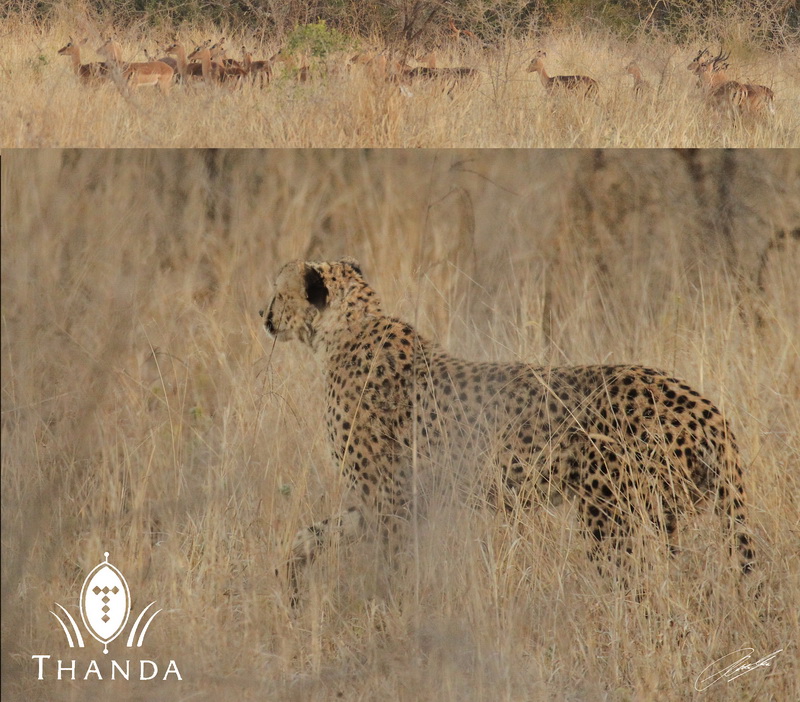
We also saw an Elephant bull and a group of Wildebeest at the waterhole.
Not a bad Monday.
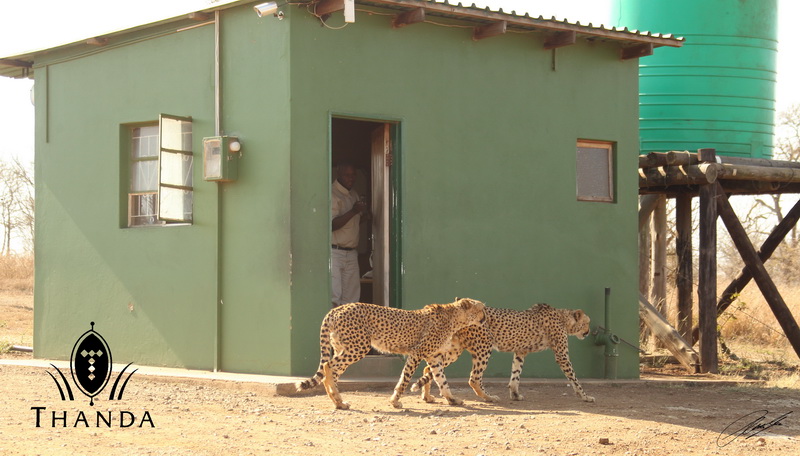
When I returned from a day in Richards Bay two male Cheetahs were greeting me at the gate guard house (These Cheetah are very used to the gate traffic and ignore the guard in the building – he is perfectly safe :-)).
And once I had returned to Thanda house two Zebra had a good fight in front of the fence (the “whitish” distortions in the picture).

Before the sun set a female Scarlet-breasted Sunbird was looking for food in one of the trees in front for my room.
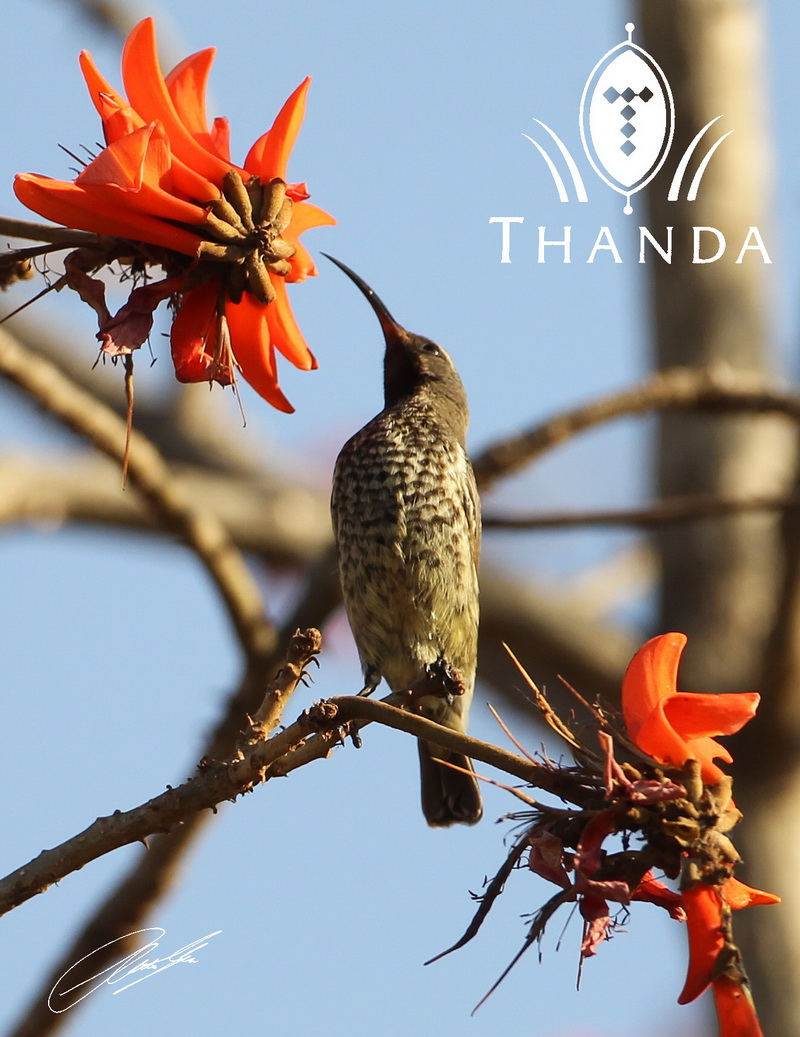
There is never a dull moment on Thanda, even after a day in town!
This is the picture story of today’s evening game drive.
After leaving the camp we first encountered Giraffes with Oxpeckers on them.
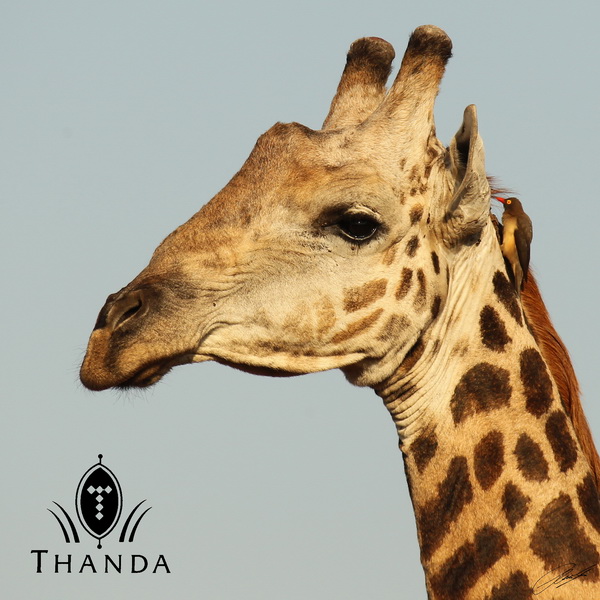
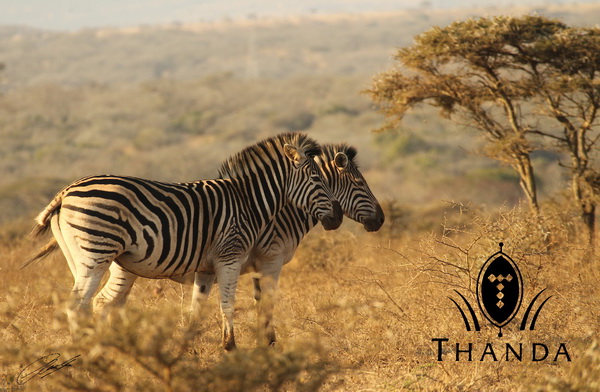
We moved on to view a large group of Zebra.
Then we spotted an Elephant bull while we were looking for …

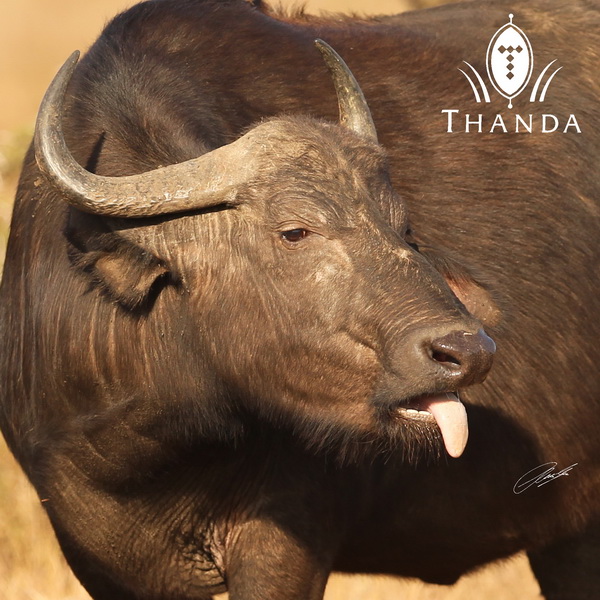
… the herd of Buffalo. The volunteers on my vehicle were most impressed when we were surrounded by one of the “Big Five”.
And while we were viewing the Buffalo we heard about a Cheetah sighting at a waterhole nearby.

After the Cheetah left we stayed until the sun was gone to take a few beautiful pictures of the sunset over the dam.

Another hard day in Africa 🙂
Day 2 of driving the photography volunteers was great!
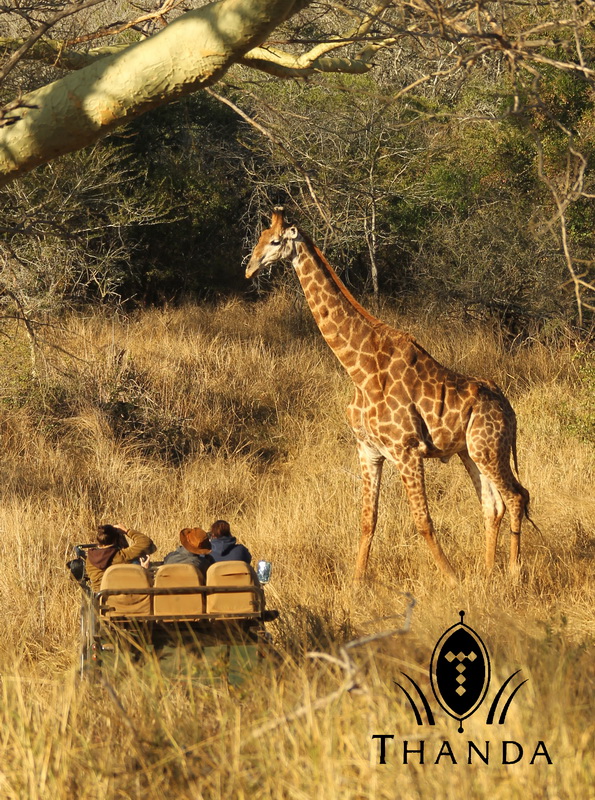
In this picture five of the volunteers are taking pictures of a Giraffe bull (we were in a Buffalo sighting at the time :-). My colleague Simo is driving the Land Rover in the picture. The other five volunteers were in my car.

In the afternoon I took a picture of a male Cheetah. He was resting with his brother in the shade of a tree on the savanna.
Enjoy the pictures!
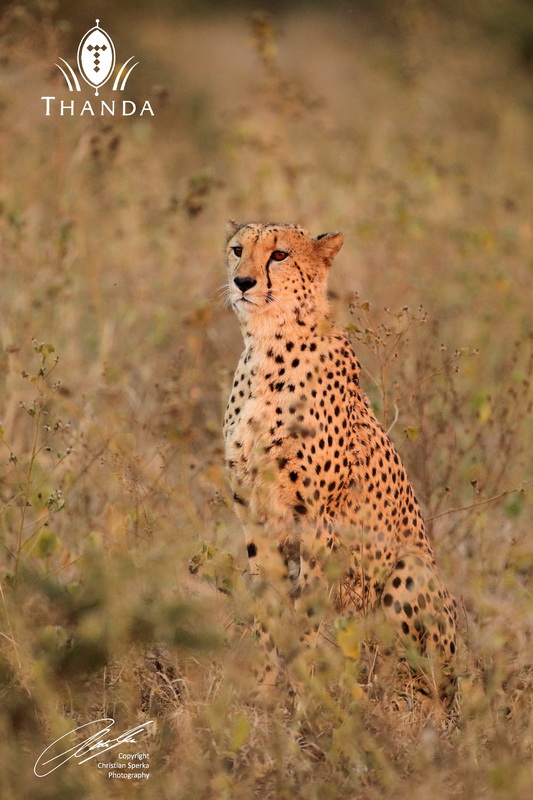
At the end of a busy day at a “Mini Olympics Event” in one of the Zulu communities (I will post a few pictures of this event later) and an afternoon-“road-learning”-drive I got this shot of a male Cheetah in hunting mode in the evening sun.
Enjoy the picture!

Small Cheetahs – as all other small cats – love to climb. Once they grow up it is much harder to get onto trees with their “semi-retractable” claws. These claws are designed like spikes to aid fast acceleration.
Nevertheless, in the picture below an adult male Cheetah climbed a low branch for a better look around in the morning mist.

Enjoy the pictures 🙂
For more Cheetah images go to http://www.sperka.biz/cheetah
Cheetahs are one of my favorite cats. In 2005 I had the opportunity to follow a Cheetah mom and her four cubs for three days. I got many beautiful shots from these days. This week’s picture was never published before. Enjoy it!
View Point – A Cheetah with her cubs resting on a termite hill looking for prey on Mziki Marsh – Phinda Private Game Reserve – South Africa.
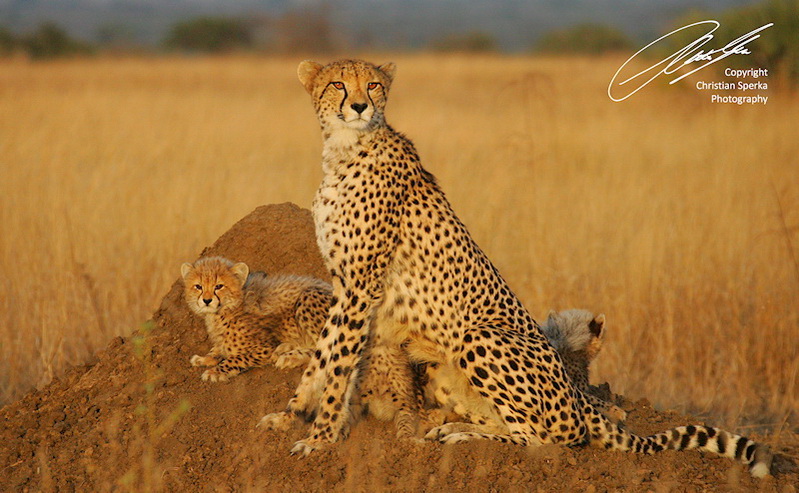
For more Cheetah pictures got to www.sperka.biz/cheetah.
If you would like to order a print of this images online go to http://www.sperka.biz/potw2012/h2ba335ce#h2ba335ce
About Cheetahs:
The Cheetah (Acinonyx jubatus) is a large-sized cat inhabiting most of Africa and parts of the Middle East. It is the only cat with non-retractable claws (therefore cheetahs cannot climb vertical trees, although they are generally capable of reaching easily accessible branches). It achieves by far the fastest land speed of any living animal—up to 120 km/h (75 mph) in short bursts covering distances up to 500 m (1,600 ft), and has the ability to accelerate from 0 to over 100 km/h (62 mph) in three seconds.
The cheetah has unusually low genetic variability. It is thought that the species went through a prolonged period of inbreeding following a genetic bottleneck during the last ice age. The extinct genus Miracinonyx was extremely cheetah-like, but recent DNA analysis has shown that Miracinonyx (early to late Pleistocene epoch), found in North America and called the “North American cheetah” are not true cheetahs, instead being close relatives to the cougar.
This week’s picture is of four Cheetah cubs looking straight into my camera at sunrise on a cold winter morning.
The picture was taken at on Mziki Marsh, my favorite area on Phinda Private Game Reserve, Kwazulu Natal, South Africa.

About Cheetahs:
The Cheetah (Acinonyx jubatus) is a large-sized cat inhabiting most of Africa and parts of the Middle East. It is the only cat with semi-retractable claws. Cheetahs achieve by far the fastest land speed of any living animal – between 110 and 120 km/h (70 and 75 mph) in short bursts covering distances up to 500 m (1,600 ft), and have the ability to accelerate from 0 to over 100 km/h (62 mph) in three seconds.
Females give birth after a gestation period of ninety to ninety-eight days. The average litter size is three to five. Cubs are born with a downy underlying fur on their necks, called a mantle. This gives them a Mohawk-type appearance. This fur is shed as the cheetah grows older. It has been speculated this mane gives a Cheetah cub the appearance of the honey badger, to scare away potential aggressors. Cubs leave their mother between thirteen and twenty months after birth. Life span is up to twelve years in the wild, but up to twenty years in captivity. Unlike males, adult females are solitary and tend to avoid each other.
For more Cheetah pictures go to www.sperka.biz/cheetah
 Christian Sperka Photography | Custom Luxury Tours