Christian Sperka is a wildlife photographer based at Thanda Private Game Reserve, Kwazulu Natal, South Africa.
Over the last 11 years, Christian has traveled the world photographing animals in wild game reserves of South Africa and Namibia, the jungles of Costa Rica, in Yellowstone National Park in the USA, as well as zoos in Europe and the United States. His work has been featured in wildlife magazines, in books and in many zoo publications.
He actively supports wild cat conservation, working as a partner photographer for Panthera, the world's leading organization devoted to the conservation of all wild cat species (panthera.org).
From 2009 to 2012 he has worked as the official photographer and photography teacher at Nashville Zoo at Grassmere, Tennessee, USA (nashvillezoo.org).
Christian is also a qualified South African field guide. He now works as specialist photography guide on Thanda Private Game Reserve in Kwazulu Natal, South Africa (thanda.com).
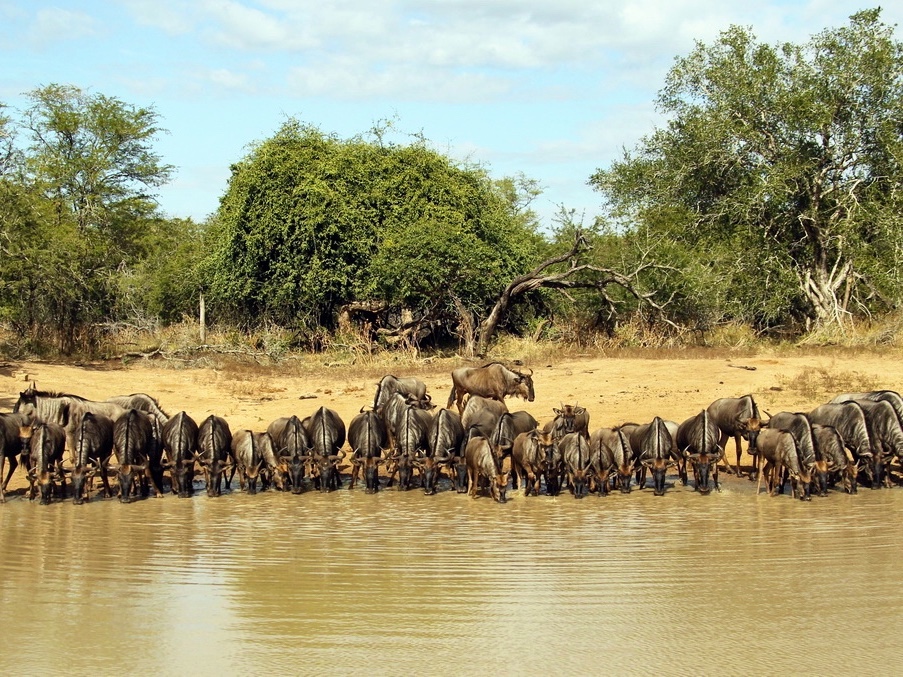
Sometimes people forget that Wildbeest are antelopes. With their funny looks – they are one of the Ugly Five – they appear a bit like lean and upset cows 😊.
Their social interactions are rather unusual for antelopes. The males are territorial and the females are nomadic. This means that if the ladies like the local place holder they will stay with him for a while. And if not they will move on to the next contender’s area.
That is the reason why a friend of mine calls single Wildebeest bulls the losers. When ladies approach a male’s territory then he will move to a high point in his area and start displaying for them. It can look rather odd. That is the reason why the Zulu word for Wildebeest is iNkonkoni, which also means crazy.
Have a good day and stay safe!
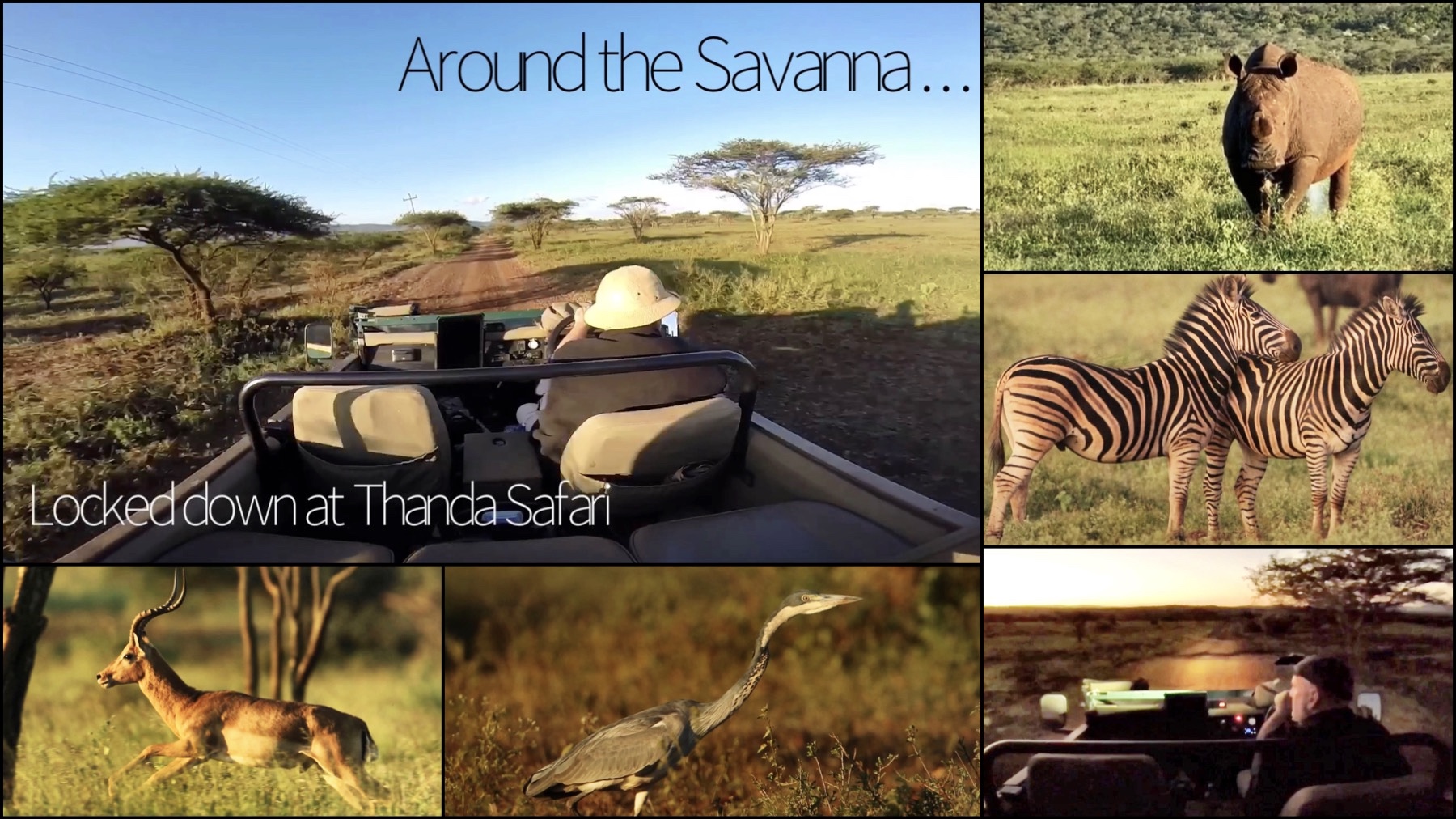
Male territory Mother and calfOut of the mud bathHaving a drinkBulk fight
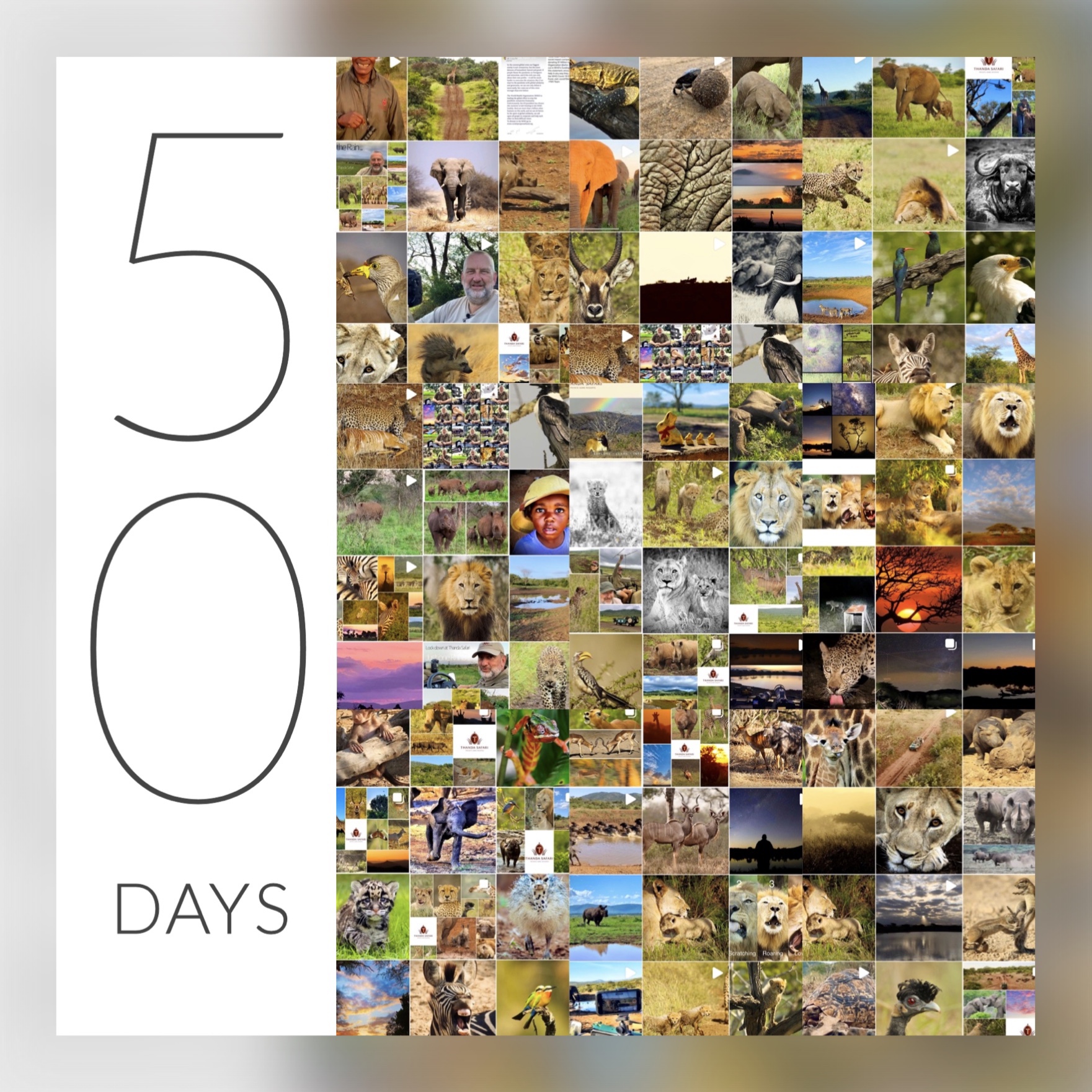
Today is day 50 of the South African COVID-19 crisis national lock down.
In over 100 posts I have shared pictures, videos and stories during that time. Thanks for following me on my blog, on Facebook, on Instagram, on Twitter, on LinkedIn or via my WhatsApp distribution. And thanks for all the positive replies and comments. Feel free to share the posts with anyone who might enjoy them.
It was a lot of fun to do this and it kept me quite busy while being locked down on Thanda Safari.
… and I will continue to post as long as this crisis continues …
Enjoy your weekend and stay safe!
PS: I have created a special blog site for children (and the young at heart) where I regularly post wildlife images and wildlife Q&A. Check it out and please share it with others if you like it – http://www.wildlife4kids.com or on Instagram at www.instagram.com/wildlife4kids
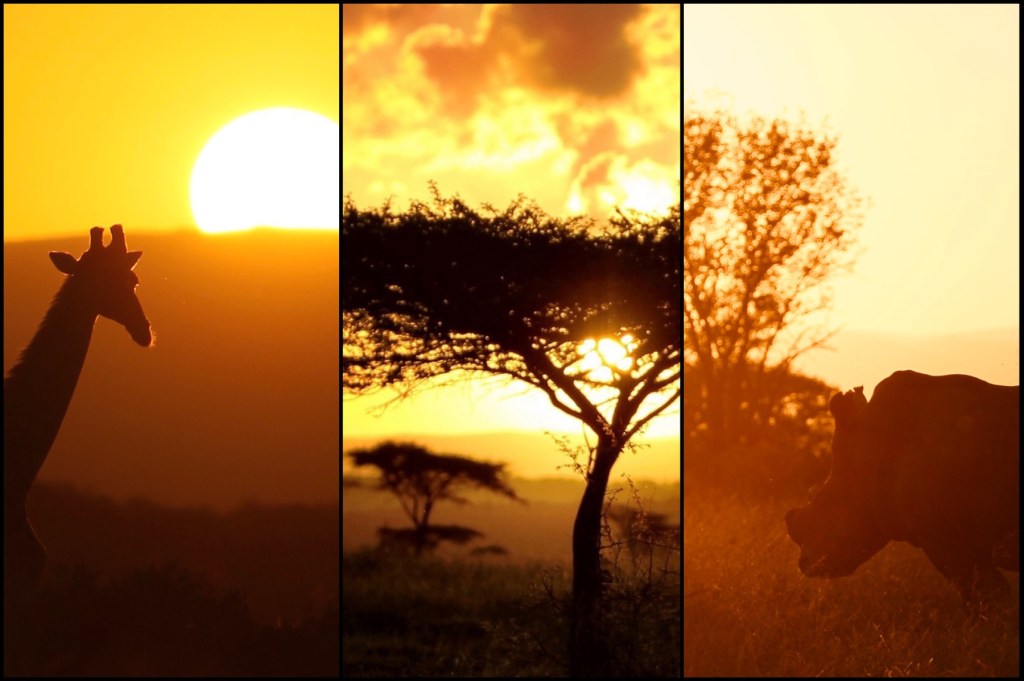
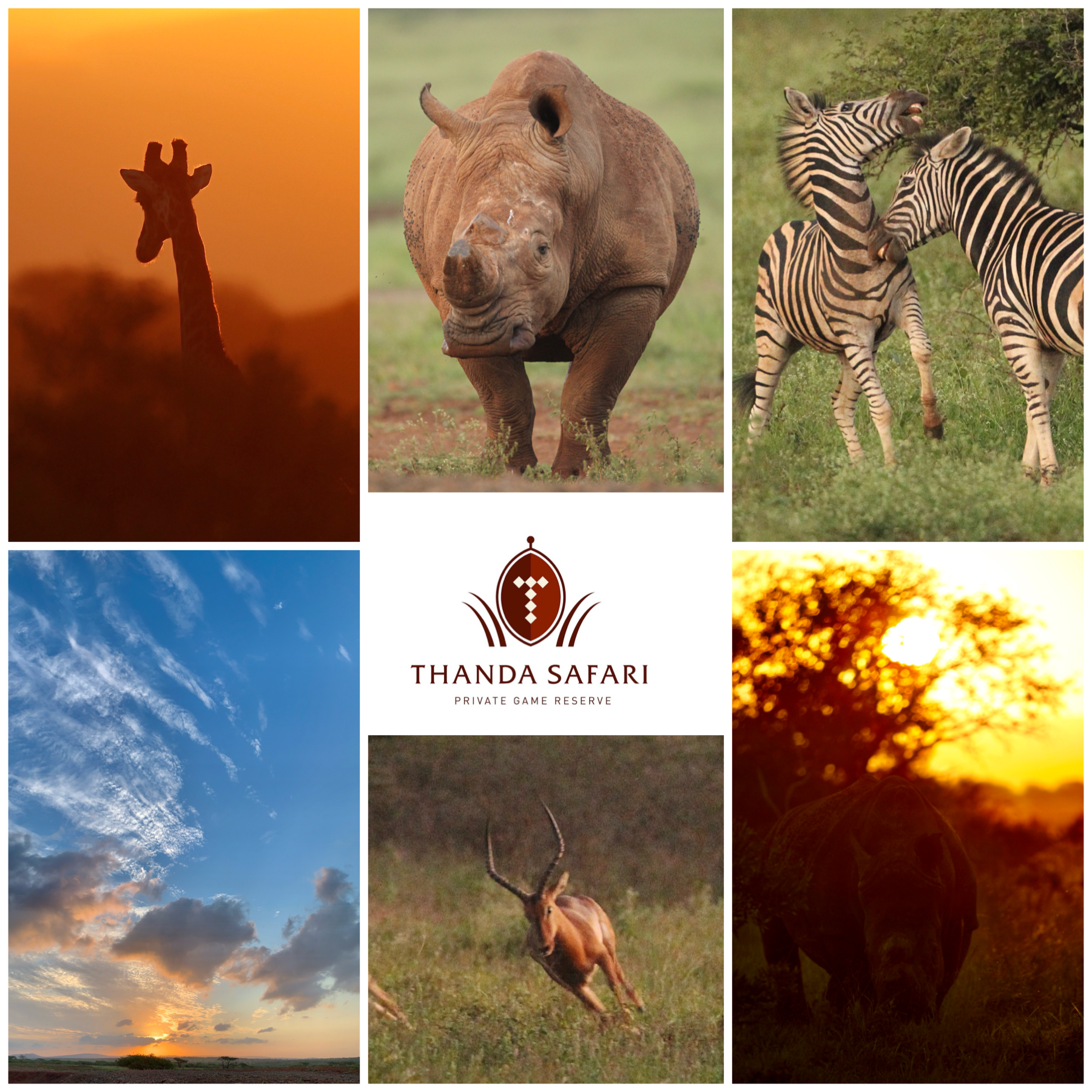
PPS: This collage was made up from ‘lock down post thumbnails’ 😊 – All posts are available for review on my blog site – http://www.sperka.info
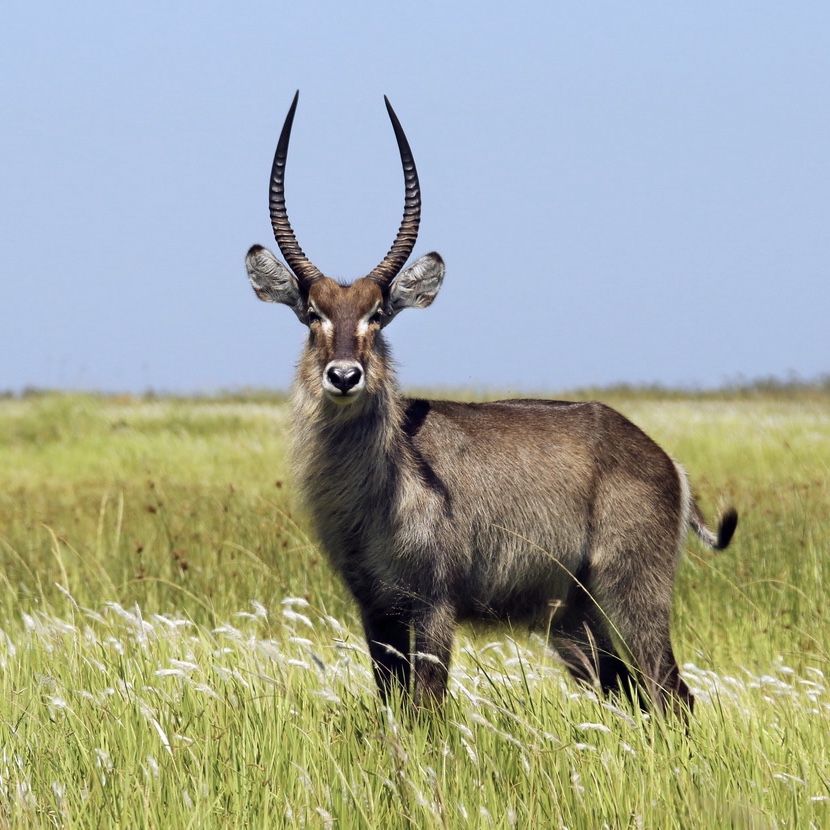
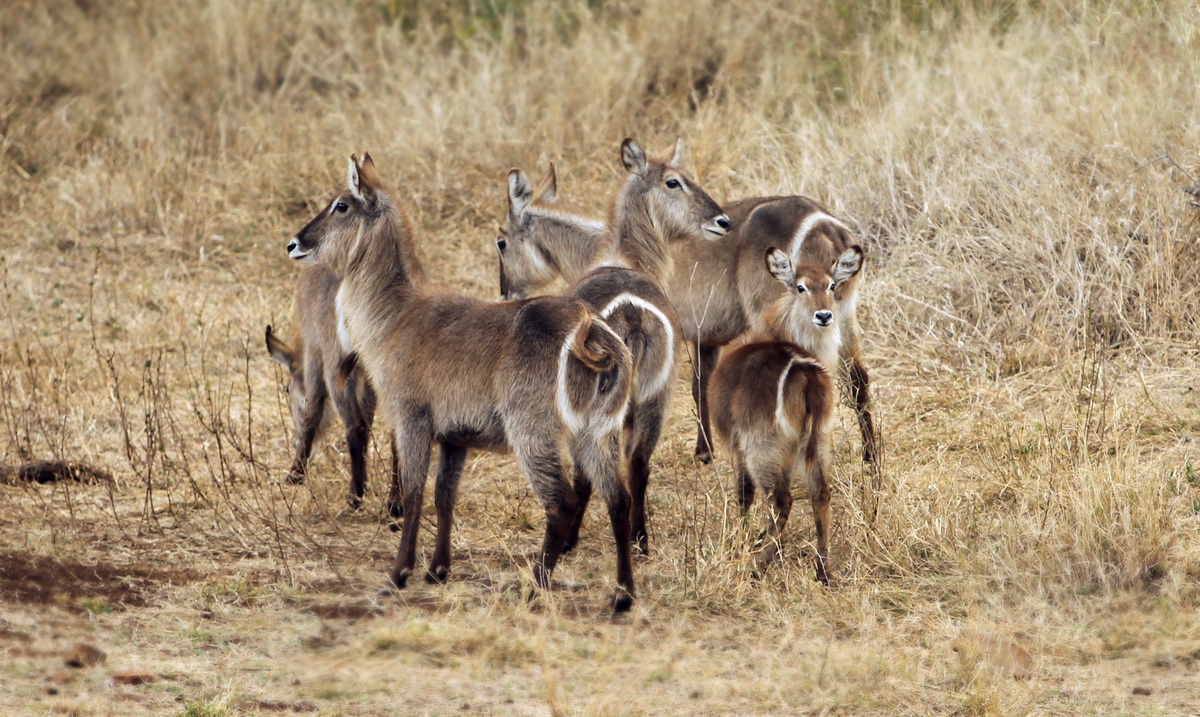
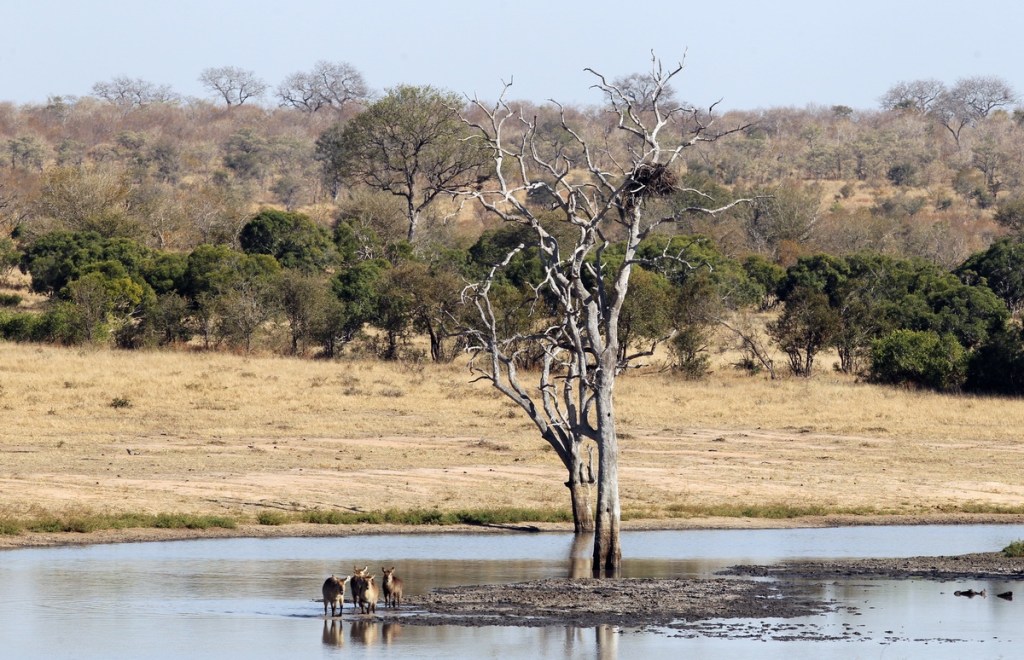
Of all large antelopes at Thanda Waterbucks are the shyest. They are specialized to live in wet environments like marshes and they secret a greasy, smelly substance into their pelt to repel water. It smells so bad that even Oxpeckers will never sit on Waterbucks! The ointment also helps with their hooves. Unlike other hoofed animals they do not get foot rot when staying on very wet ground for a long time. Only the males have beautiful straight horns.
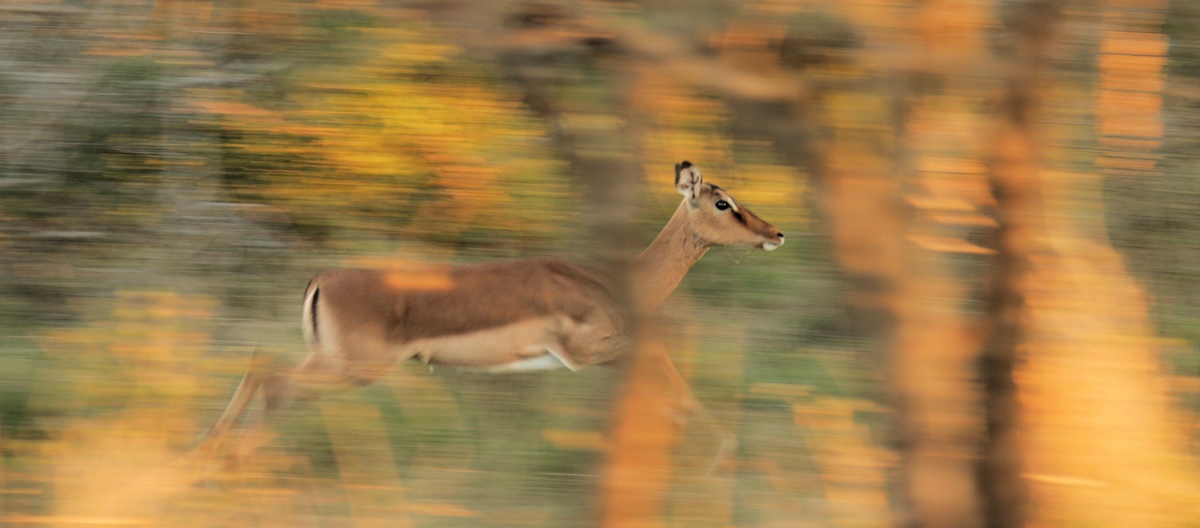
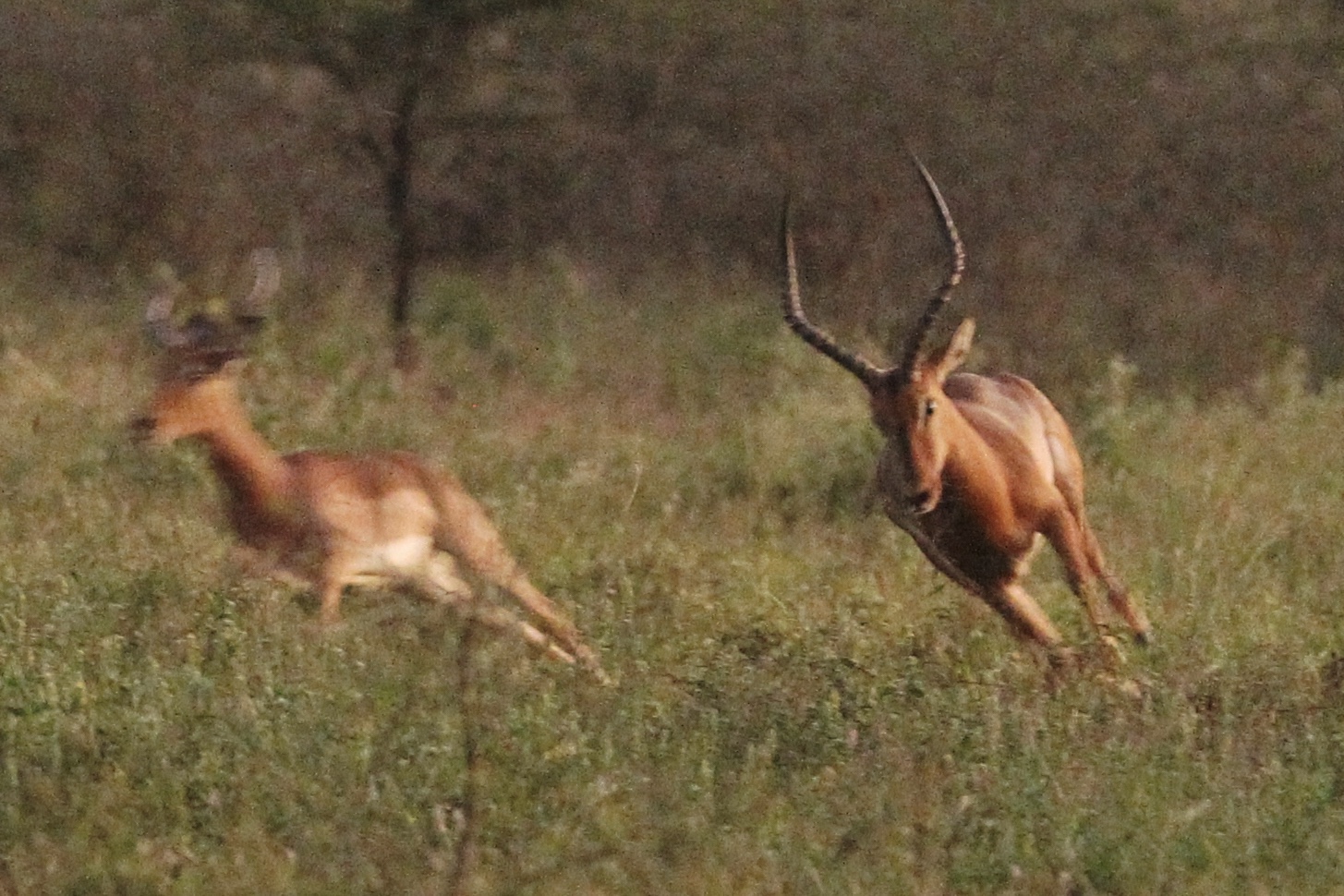
Impalas are the most common antelope on Thanda Safari. They always look immaculate because they practice allo-grooming. This means that they groom each other with their special comb like teeth in places they cannot reach themselves.
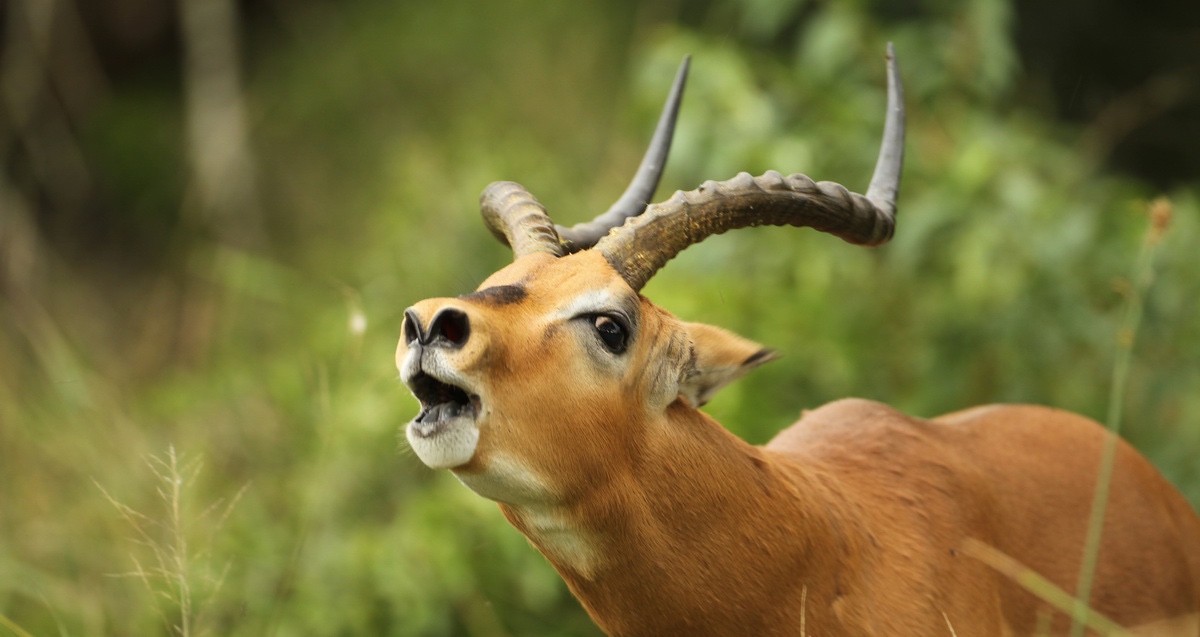
Male and female look very similar except that the males are larger and have horns. We are currently in the rutting season when males fight for their mating rights. During that time they also make incredible loud grunting noises to get ride of rivals and – I assume 😊 – to attract the ladies.
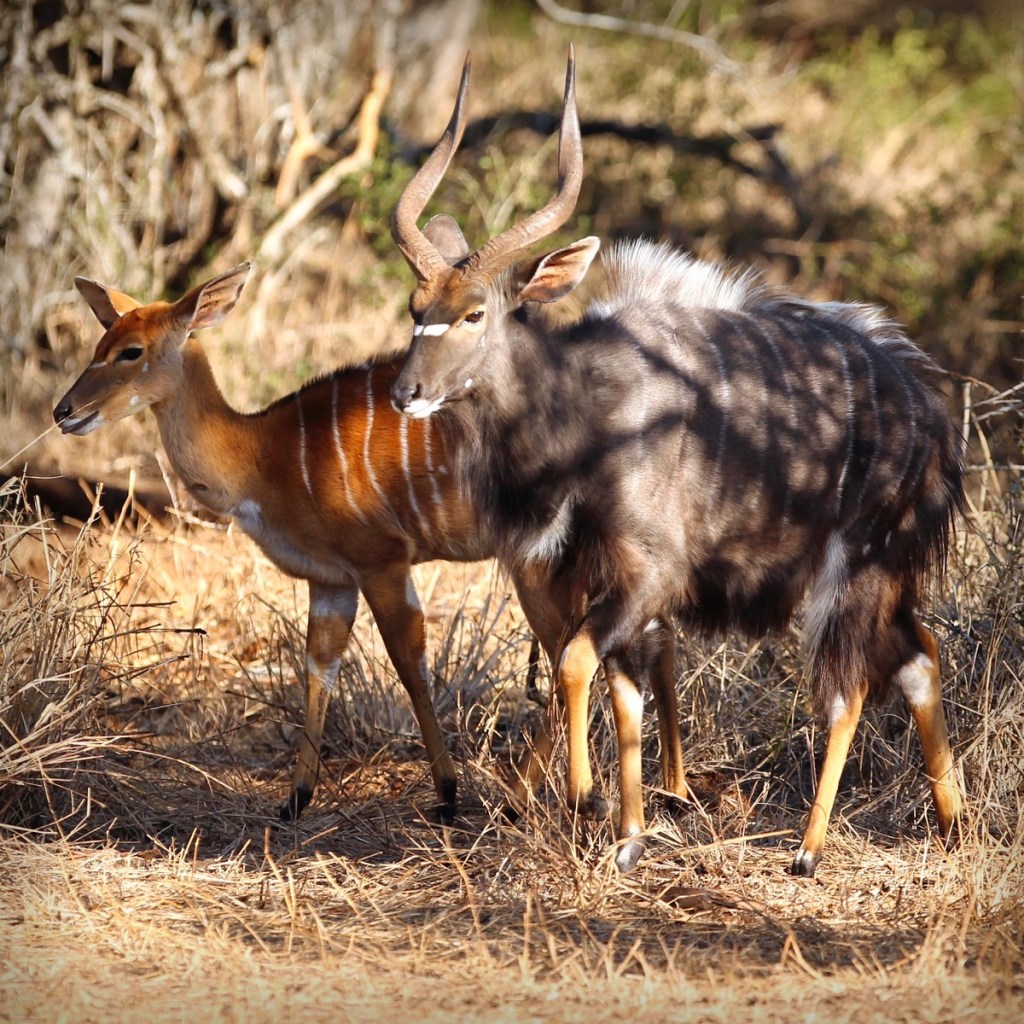
Nyalas are predominately browsers which means they mainly eat leaves of trees. They are the most sexually dimorph antelopes on Thanda Safari. Once grown into adulthood the male changes its color from red-brown to grey. Female and male look so different from one another that it is hard to believe they are of the same species.
And the males usually do not fight with their horns, as most other antelope species do, but perform a slow walk with back arched and their white hairs standing up – almost a dance – around one another. I have never been able to determine why one of the two ‘dancers’ is the looser and the other the winner.
But as they often both mate with females after such dances it probably does not really matter 😊 Have a good day and stay safe.
Today I spent an hour watching Cape Buffalo at a waterhole. I took some (speedy) video and some picture. At some stage a loud noise from an Oxpecker startled them all 😊
On safari we talk a lot about the big five and most of the pictures we post are about them. In the next few days’ morning posts I would like to introduce all of Thanda Safari’s antelope species to you. From large to small and common to rare. So here we go.
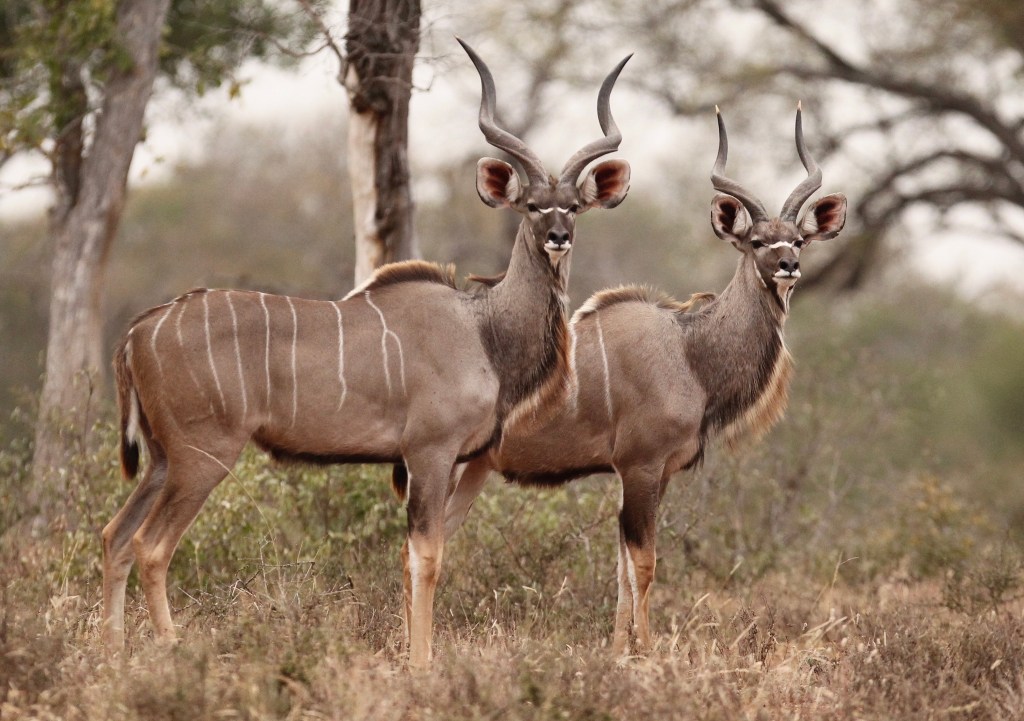
Let’s start with largest of them, the *Greater Kudu*. A male can get up to 340kg (750lbs) and a shoulder height of 1.55m (5′). They love higher altitudes and thicker bush and will even stand on their back legs alone to reach up to get the very bitter new leaves of a Mountain Aloe. There main predators are Lions.










 Christian Sperka Photography | Custom Luxury Tours