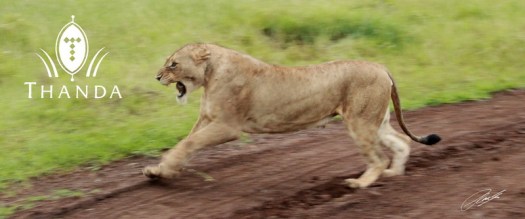
This morning’s game drive was amazing. We left the Lodge with the intention to track a herd of Buffalo. But on the way out we decided to have another quick look at our dominate male Lion and the oldest female of the South Pride (“Grandma”), who we saw the previous evening on top of hill.
When we arrived there we met eight Lions – three Sub-Adults (“Uncles” and “Aunt”) and a young Lioness (“Mum” with her two – eight month old – cubs (“Boy” and “Girl”), the Thanda Dominate Male and “Grandma”. This was the complete South pride. Over the next three hours we observed family life and family drama.
“Mum” had kept away the cubs from the rest of the pride for a long time. It was clear after a few minutes that the Thanda Dominate Male had accepted these cubs as his own, but “Mum” would not allow any of the “Uncles” and the “Aunt” near the cubs. (Note: The cubs were fathered by a male that is no longer on Thanda).
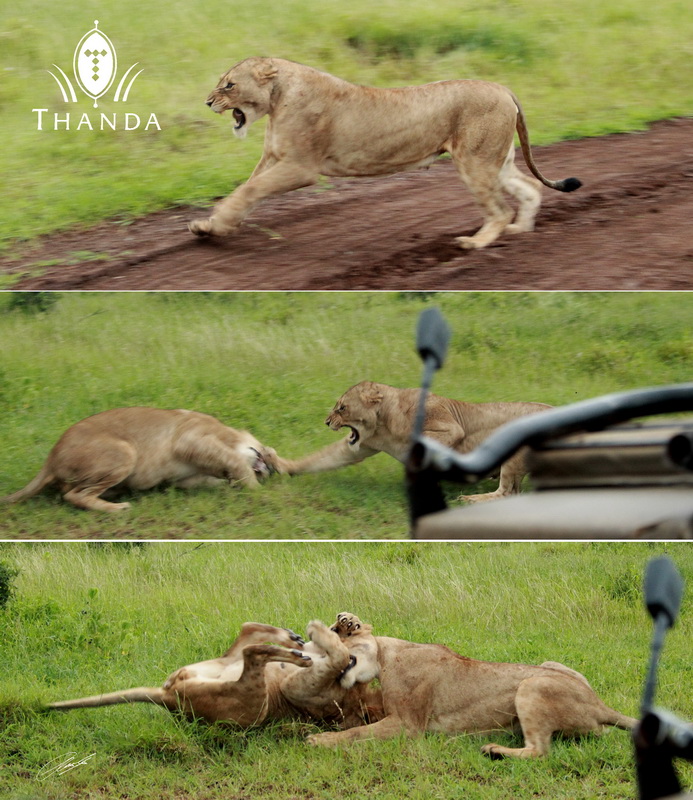
Every time one of the “Uncles” approached “Mum” became very aggressive and the Thanda Dominate Male joined her in defense of the cubs. “Grandma” sided with the three sub-adults and was also quite aggressive towards her grand-kids.
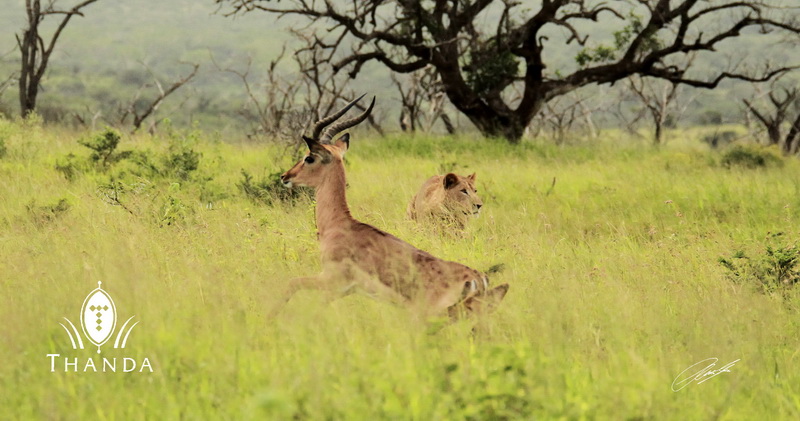
We observed “Mum” fighting for her cubs, the cubs playing, the “Aunt” climbing a tree, one of the “Uncles” mating with the “Aunt” (when the big male was not watching), all of them growling a lot at each other and the “Uncles” and “Aunt” in an attempt to hunt for Impala.
The Thanda guests on my vehicle, Behki and I have seldom enjoyed a game drive more, even so we only drove a few hundred meters during the three hours 🙂
I hope you enjoy this picture documentary!
PS: I have a included a “family chart” to make it easier to understand the relationships.
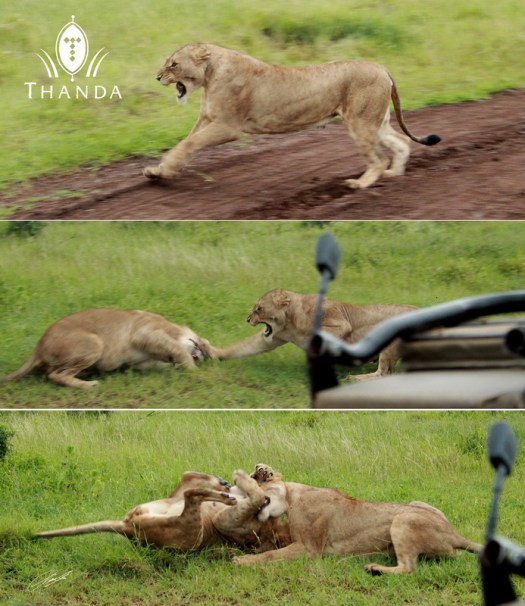
“Mum” disciplining her younger brother “Uncle 2”, who tried to get to close to her cubs.

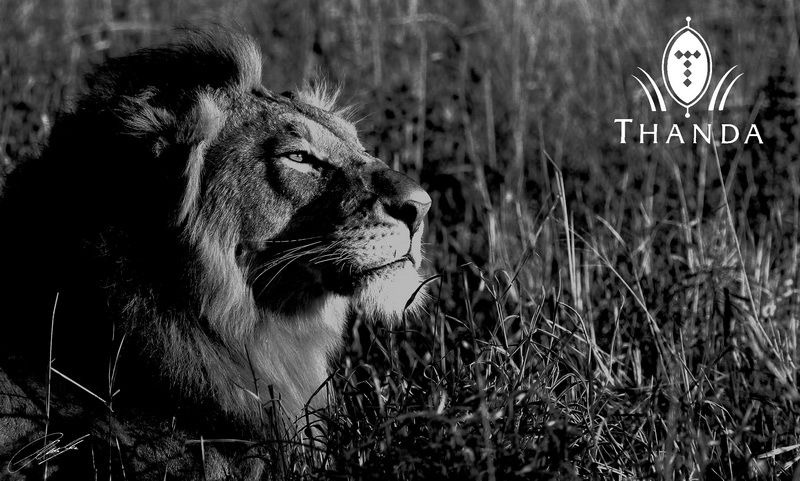
The Thanda Dominate Male was watching the family drama from a distance.

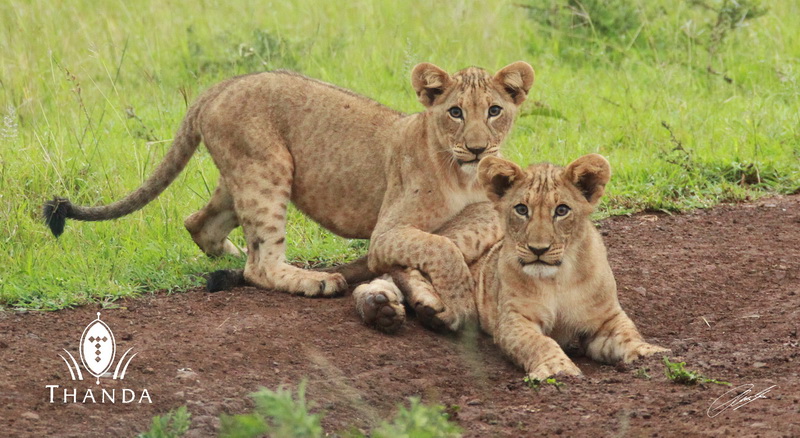
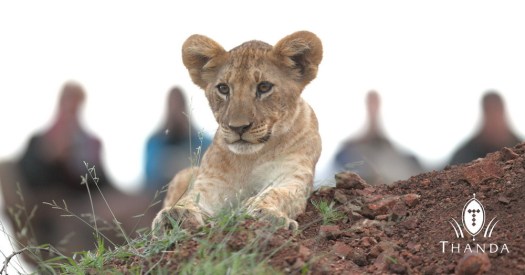
The two cubs were playing while the adults were arguing about them!
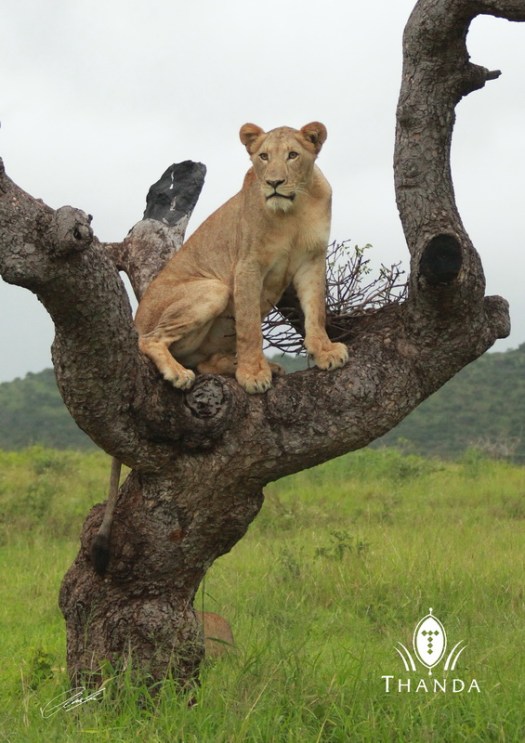
The “Aunt” was observing the scene from a nearby tree.

Mating!

The (not successful) Impala Hunt 🙂

“Mum” getting upset again!

The Thanda South Pride.











 Christian Sperka Photography | Custom Luxury Tours